
How to Prevent Raccoon Encounters in Glen Allen, VA

Raccoons might look cute with their masked faces and nimble little paws, but these clever creatures can cause real headaches for Glen Allen homeowners. From toppled trash cans to torn-up gardens and unwelcome guests in your attic, raccoons are persistent problem-solvers when they sense an easy meal or a cozy place to nest.

The good news? With a few smart strategies, you can make your property far less appealing to these nighttime visitors. This guide walks you through why raccoons show up in the first place, how to keep them away, and when it’s time to call in the experts.
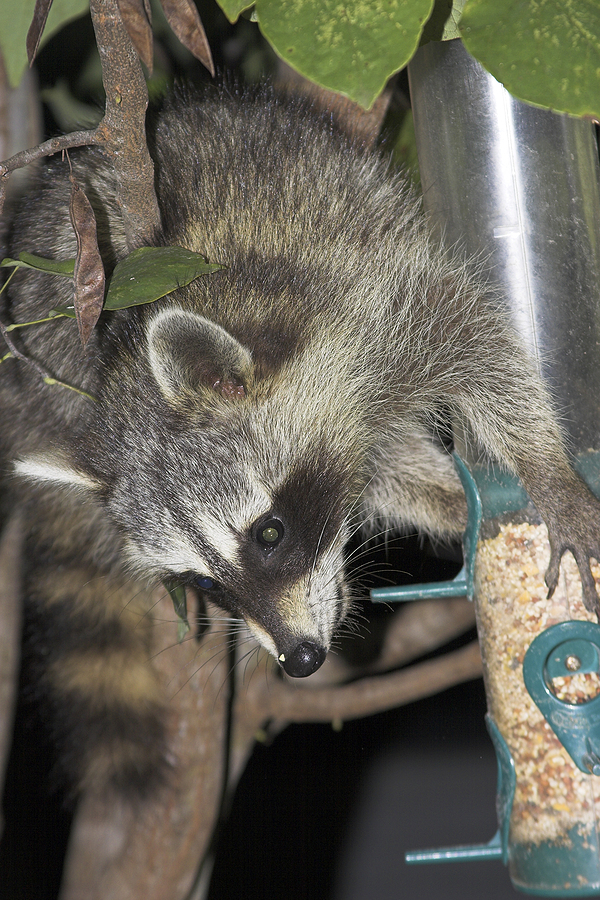
Prevent Raccoon Encounters in Glen Allen VA

Why Are Raccoons Attracted to Your Property?

Raccoons are opportunists. They go wherever food, shelter, and water are easy to find—and suburban Glen Allen properties in Henrico County, Short Pump, Goochland County, and all areas on the way to Richmond often check these three boxes.

Food Sources

Few things draw raccoons faster than an easy snack. Open trash cans, pet food left outside, fallen fruit, bird feeders, and unprotected vegetable gardens are all open invitations. Raccoons have excellent memories and will return night after night once they discover a reliable food source.

Shelter Opportunities

Raccoons love warm, dry, hidden spaces to den and raise their young. Attics, chimneys, crawl spaces, sheds, and even spaces beneath your deck make ideal hideaways. Overgrown brush, woodpiles, and hollow trees offer additional cover close to your home.

Water Availability

Like all animals, raccoons need water. Pet bowls, birdbaths, clogged gutters, ponds, and even leaky outdoor faucets can supply enough to keep them coming back. Removing standing water cuts off one more reason for them to linger.

Effective Strategies to Deter Raccoons

A little prevention goes a long way. These practical steps make your property far less inviting.

Secure Your Trash Cans

Trash is the number one raccoon attractant. Use cans with tight-fitting, lockable lids, and consider securing them with bungee cords or weights. Store bins inside a garage or shed when possible, and avoid setting them out the night before collection day.

Protect Your Garden and Yard

Harvest ripe fruits and vegetables promptly, and clean up any that fall to the ground. Bring pet food indoors before nightfall. If raccoons are raiding your garden, consider a low electric fence or motion-activated sprinklers to keep them out.

Close Off Entry Points to Your Home

Walk your property and look for gaps, loose vents, damaged soffits, and openings around the roofline. Seal these with sturdy materials like heavy-gauge mesh or metal flashing. Cap your chimney and repair any damaged screens. Trim tree branches that hang within several feet of your roof, since raccoons are skilled climbers.

Implement Frightening Devices

Raccoons prefer to feed and explore undisturbed. Motion-activated lights, sprinklers, and noise devices can startle them and make your yard feel unsafe. Rotating these methods helps, since raccoons can grow used to a single deterrent over time.

Natural Deterrents and Repellents

If you’d rather start with gentle, low-cost options, several natural and commercial repellents can help reduce raccoon activity.

DIY Solutions

Raccoons have a sensitive sense of smell, and certain scents tend to drive them off. Many homeowners try:

  • Ammonia-soaked rags placed near entry points
  • Cayenne pepper or hot sauce sprinkled around garden beds
  • Vinegar sprayed along fences and trash areas
  • Predator scents, such as cotton balls soaked in a small amount of household ammonia

Keep in mind these solutions wash away in the rain and need frequent reapplication.

Commercial Products

Store-bought granular and spray repellents are formulated to last longer than most DIY mixes. Look for products labeled specifically for raccoons and always follow the application instructions. Motion-activated repellent devices are another reliable option for larger yards.

When to Call in the Professionals

Sometimes, despite your best efforts at prevention, raccoons may still find a way into your home. If raccoons have already moved in and established a den, seeking professional Glen Allen raccoon removal help is the safest and most effective route to take for removal.

Signs of an Infestation

Watch for these warning signs:

  • Scratching, thumping, or chattering noises in your attic or walls, especially at night
  • Visible damage to vents, roofing, or insulation
  • Droppings in or around your home
  • Tracks near food and water sources
  • Repeated nighttime sightings on your property

Risks of DIY Removal

Cornering or handling a raccoon can be dangerous. Raccoons may bite or scratch when threatened, and they can carry diseases like rabies and roundworm. Mother raccoons are especially protective of their young. On top of the safety risks, Virginia has regulations around trapping and relocating wildlife. A professional raccoon control service know how to remove raccoons humanely, legally, and completely—including any hidden litters.

Frequently Asked Questions About Raccoon Prevention

Are raccoons dangerous to pets?

Yes, they can be. Raccoons may attack cats and small dogs if they feel cornered, and they can transmit diseases and parasites to your animals. Keep pets indoors at night and store pet food where raccoons can’t reach it.

What time of day are raccoons most active?

Raccoons are primarily nocturnal, meaning they’re most active from dusk until dawn. If you spot one wandering during the day, it’s worth keeping an eye out—daytime activity can occasionally signal illness.

Can raccoons carry diseases?

Yes. Raccoons can carry rabies, raccoon roundworm, leptospirosis, and other illnesses that pose risks to people and pets. This is one of the biggest reasons to avoid handling them yourself and to call a professional instead.

Reclaim Your Glen Allen Property

Raccoons are smart, determined, and quick to take advantage of an easy meal or open shelter. By securing your trash, protecting your garden, sealing entry points, and removing water sources, you can make your property far less appealing to them. When prevention isn’t enough, professional help keeps your family, pets, and home safe.

Dealing with raccoons on your Glen Allen property? Our team provides professional raccoon trapping and control across Glen Allen and surrounding towns. Request a free estimate today and take back your yard.

Call Now

Related Posts:

Raccoons and Rabies: What You Need to Know
How to Keep Raccoons Out of Trashcans and Dumpsters
How to Get Rid of Raccoons on Your Virginia Property
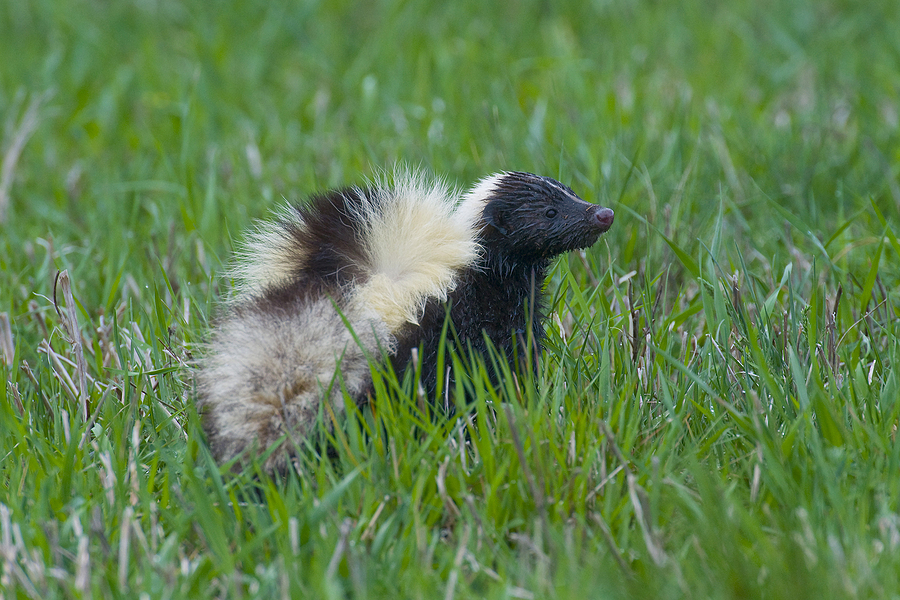
How to Stop Skunks from Digging in Your Yard

Waking up to a lawn riddled with small holes is frustrating—and if those holes are cone-shaped, a skunk is likely the culprit. These nocturnal diggers can turn a healthy yard into a pockmarked mess in a single night, all in pursuit of a meal hiding just beneath the surface.

The good news? You can take back your yard. Once you know why skunks dig and which deterrents actually work, you’ll have everything you need to keep these striped visitors at bay. This guide walks you through the reasons behind the digging, proven prevention strategies, and when it’s time to bring in a professional.

Skunks Digging Up Your Yard in Richmond?

Why Skunks Dig in Your Yard

Skunks aren’t digging to spite you—they’re following their stomachs. Most lawn damage comes down to one thing: food. When you remove the reason skunks visit, you remove the problem.

Insect Infestations: A Skunk’s Favorite Snacks

Skunks are opportunistic eaters with a strong appetite for insects. Beetles, crickets, and other ground-dwelling bugs make easy targets. If your lawn is home to a thriving insect population, you’ve essentially set out a buffet.

Grubs and Lawn Damage

Grubs—the larvae of beetles like Japanese beetles—are a skunk’s top prize. Skunks press their noses to the soil and use their long front claws to dig, leaving behind small, 3- to 4-inch cone-shaped holes. According to Mary Holland of Naturally Curious, these holes often appear after heavy rain, when grubs move closer to the surface. A single skunk can dig dozens of holes in one night.

It’s worth noting that digging doesn’t always mean grubs. Skunks, raccoons, and moles also hunt earthworms, so a grub problem isn’t guaranteed.

Shelter and Denning

Food isn’t the only draw. Skunks also dig to create dens, especially under decks, sheds, porches, and other low structures. These spots offer warmth and protection, particularly during colder months and breeding season. A skunk den hole is usually round or slightly cone-shaped, with an opening about 4 to 8 inches wide.

How to Deter Skunks from Your Yard

There’s no single magic fix for a skunk problem. The most effective approach combines several tactics: removing food, applying repellents, building barriers, and making your property less inviting overall.

Eliminate Food Sources First

Cutting off the food supply is your strongest first move. Since grubs are the main attraction, treating your lawn is key.

  • Beneficial nematodes: These microscopic organisms target grubs naturally and are considered a safe alternative to chemical insecticides. Apply them to your lawn to reduce the grub population over time.
  • Milky spore: This natural product specifically targets Japanese beetle grubs and can help control them over the long term.
  • Grub control products: Commercial treatments, including those containing imidacloprid, can reduce grub numbers when applied at the right time of year.

Beyond grub control, secure your garbage cans, remove fallen fruit, and never leave pet food outdoors overnight.

Repellents: Natural and Commercial Options

Once food sources are under control, repellents add another layer of defense by making your yard unpleasant for skunks.

Homemade Repellents

A few DIY wildlife repellents can discourage skunks without harsh chemicals:

  • Cayenne pepper spray: Mix cayenne pepper or chili powder with water and a few drops of dish soap, then spray it around your property. You can also sprinkle cayenne directly on the lawn.
  • Castor oil mix: Combine 1 cup of castor oil with 1 cup of liquid dish soap, then mix into a gallon of water. Spray this solution around affected areas.
  • Pepper and onion blend: Simmer a chopped onion, a jalapeño, and a tablespoon of cayenne pepper in water to create a potent spray.

Reapply these mixtures after rain, as moisture washes them away quickly.

Commercial Repellents

When homemade options fall short, store-bought solutions offer more staying power. Predator urine—such as that of foxes or coyotes—can be sprayed around the edge of your yard to convince skunks a threat is nearby. Many ready-made castor oil-based granules and sprays are also available and designed for longer-lasting coverage.

Fencing and Barriers

Physical barriers stop skunks from reaching the soil and the spaces they want to den in.

Dig-Proof Fencing

Skunks are diggers, so a standard fence won’t cut it. Bury fencing or hardware cloth at least a foot deep, bending the bottom outward in an “L” shape. This buried lip blocks skunks from tunneling underneath.

Mesh and Netting for Garden Beds

To protect vegetable patches and flower beds, lay mesh or netting over the soil. This makes digging difficult and shields your plants without harming the animals.

Habitat Modification: Make Your Yard Less Appealing

The fewer hiding spots and entry points your property offers, the less likely skunks are to stay.

Clear Debris and Clutter

Skunks love cover. Remove woodpiles, brush piles, tall grass, and other clutter that provides shelter. A tidy, open yard is far less attractive to a denning skunk.

Seal Off Access Points

Inspect the base of decks, sheds, porches, and crawl spaces for gaps. Seal these openings with hardware cloth or sturdy mesh to block skunks from moving in. Just be sure no animals are already living underneath before you close things up.

When to Call a Professional

DIY methods work for many homeowners, but some skunk problems call for expert help. If skunks keep returning despite your efforts, have already denned under your home, or you’re worried about a defensive spray, it’s time to bring in a professional skunk trapper.

Trained wildlife specialists can safely remove skunks, identify and seal entry points, and recommend long-term prevention tailored to your property. This is especially important if young skunks are involved or if the animals are nesting in hard-to-reach spaces.

Frequently Asked Questions

Are skunks dangerous to pets?

Skunks generally avoid confrontation, but a startled skunk may spray your pet—or, in rare cases, bite. Skunks can also carry rabies, so keep pets vaccinated and supervise them outdoors, especially at night when skunks are active.

Can skunks cause structural damage to my home?

Yes. Skunks that den under decks, porches, or sheds can disturb soil, damage insulation, and weaken foundations over time. Their burrowing near structures is best addressed early before it worsens.

What time of day are skunks most active?

Skunks are nocturnal, meaning they do most of their foraging and digging at night. This is why you’ll often spot fresh holes in the morning without ever seeing the animal responsible.

Reclaim Your Yard for Good

A skunk-free yard comes down to a simple formula: remove the food, add deterrents, block access, and clean up the spaces skunks love. Combine these strategies and stay consistent, and you’ll make your property far less inviting to digging skunks.

If skunks have overstayed their welcome, don’t tackle the problem alone. Our team provides professional skunk removal and control in Richmond, Virginia, and surrounding townships. Request a free estimate today and take the first step toward a yard you can enjoy again.

Call Now

Related Posts:

Nuisance Skunks: What Is the Deal with Skunk Spray?
What’s Digging in Your Yard? A Guide to Animal Burrows
How to Keep Skunks Away from Your Property

How to Handle Beaver Damage to Your Richmond, VA Property

Beavers play an important role in Virginia’s environment, but they can also create serious problems for homeowners, businesses, farms, and waterfront properties. In Richmond and surrounding areas, beaver activity near creeks, ponds, drainage ditches, and wooded lots can quickly lead to tree damage, flooding, erosion, and costly repairs.

If you have noticed chewed trees, rising water, blocked culverts, or new dam activity, it is important to act quickly. The sooner you address beaver damage, the easier it is to protect your property and prevent the problem from spreading.

This guide explains how to identify beaver activity, what damage to watch for, and when to call a professional for safe and humane beaver trapping and control in Richmond, Virginia.

Beaver Damage in Richmond Virginia

Signs of Beaver Activity on Your Richmond Property

Beavers are most active around water, but their damage can extend well beyond the shoreline. Property owners in Richmond may notice signs near ponds, creeks, retention basins, drainage areas, wooded lots, and low-lying yards.

Chewed Trees and Woody Vegetation

One of the most common signs of beavers is tree damage. Beavers chew trees for food, dam materials, and lodge construction.

Look for:

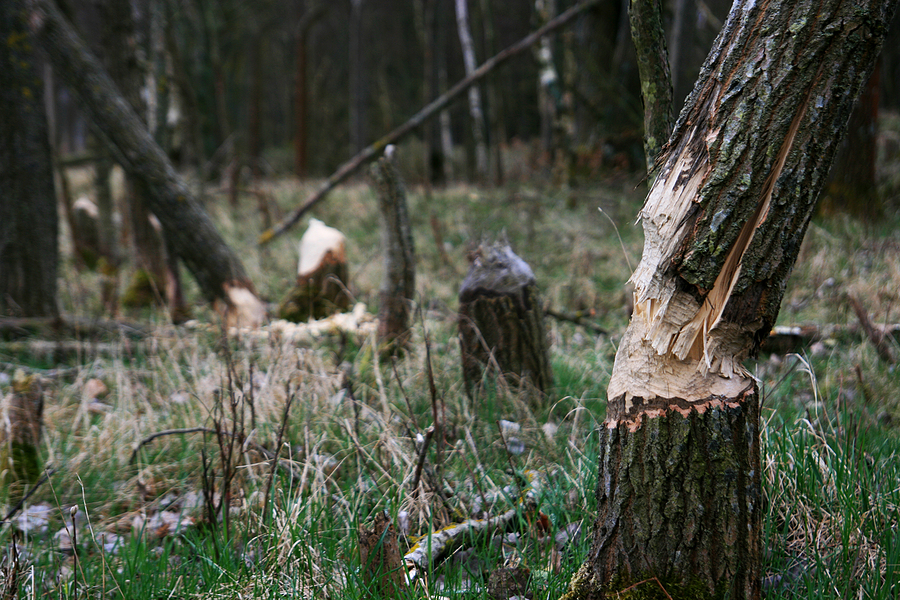
  • Trees gnawed into a pointed “pencil” shape
  • Fresh wood chips around the base of trees
  • Missing bark on trunks or branches
  • Downed saplings or larger trees near water
  • Damage to ornamental trees, shrubs, and landscaping

Even one active beaver can cause major tree loss in a short period of time.

Beaver Dams and Lodges

Beaver dams are often built with sticks, mud, rocks, and vegetation. These structures slow or redirect water, which can create flooding on nearby properties. Lodges may look like large piles of sticks and mud near the water’s edge or in the middle of a pond. In some cases, beavers may also burrow into banks rather than build a visible lodge.

Changed Water Flow and Flooding

If water levels seem higher than normal, a beaver dam may be blocking natural drainage. This can affect yards, basements, driveways, farm fields, crawl spaces, and stormwater systems.

Common warning signs include:

  • Standing water in the yard
  • Flooded low spots
  • Water backing up around culverts
  • Soggy soil near buildings
  • Drainage ditches that no longer flow properly

Mud Slides and Scent Mounds

Beavers often create muddy slides where they enter and exit the water. These paths may appear along banks, pond edges, and creek beds. You may also notice scent mounds, which are small piles of mud and debris used by beavers to mark territory.

Why Beaver Damage Is a Serious Property Risk

Beaver activity can start small, but the damage often becomes more expensive over time. A few chewed trees or a small dam can turn into flooding, drainage problems, and structural concerns if left untreated.

Tree Loss and Landscape Damage

Beavers can destroy mature trees, ornamental landscaping, and wooded buffers. Fallen trees may also damage fences, sheds, driveways, utility lines, or neighboring property. For Richmond property owners, tree loss can reduce curb appeal, shade, privacy, and property value.

Basement, Yard, and Crawl Space Flooding

When beaver dams block water flow, water may back up into areas that were never intended to hold it. This can lead to flooded lawns, wet basements, crawl space moisture, mold concerns, and foundation issues. Flooding can also create mosquito breeding areas and make outdoor spaces difficult to use.

Damage to Roads, Culverts, and Drainage Systems

Beavers frequently build dams near culverts, pipes, and drainage channels. When water cannot pass through, pressure builds and can damage roads, driveways, private lanes, storm drains, and retaining areas.

For commercial properties, HOAs, farms, and larger parcels, these issues can become especially costly.

Erosion and Water Quality Concerns

Beaver activity can change the way water moves across your property. This may cause bank erosion, sediment buildup, poor drainage, and changes in nearby waterways. In some cases, removing a dam without a proper plan can also release water too quickly and create downstream problems.

Beaver Control Options in Richmond, VA

The right beaver control strategy depends on the size of the problem, the location of the water source, the amount of damage, and local rules. In many cases, the best solution combines prevention, exclusion, water-flow management, and professional trapping when needed.

Tree Wrapping and Fencing

Valuable trees can often be protected with heavy-gauge wire mesh or fencing around the trunk. This helps prevent beavers from chewing the bark or cutting the tree down.

Fencing may also be used to protect specific areas of a property, such as landscaped zones, gardens, or vulnerable shoreline trees.

Flow Devices and Pond Levelers

Flow devices, such as pond levelers, are designed to control water levels while allowing a beaver dam to remain partially in place. These systems can help reduce flooding without constantly removing dams.

A professional beaver removal service can determine whether a flow device is practical based on the site, water depth, dam location, and drainage needs.

Habitat Modification

Habitat changes can make a property less attractive to beavers. This may include removing downed woody material, protecting young trees, improving drainage, and limiting easy access to preferred food sources. Habitat modification works best as part of a larger beaver control plan.

Humane Beaver Trapping and Legal Removal

When beavers are actively damaging property, professional trapping may be the most effective solution. This is especially true when flooding, tree loss, culvert blockage, or structural risk is already present.

Why Professional Help Matters

Beaver control can be dangerous and complicated. Dams can hold back large amounts of water, and removing them without a plan may cause sudden flooding or erosion. A Richmond wildlife control company can inspect the property, identify active beaver areas, recommend the safest solution, and help reduce the risk of repeat problems.

Legal Considerations in Virginia

Beaver trapping and removal in Virginia are subject to state and local rules. Regulations may vary depending on the location, season, property type, and method used. Because local ordinances can be more restrictive than state rules, Richmond property owners should avoid DIY trapping or beaver dam removal without first checking the legal requirements.

Working with a qualified wildlife management professional helps ensure the job is handled safely, humanely, and in compliance with applicable rules.

How to Prevent Future Beaver Problems

After the immediate damage is addressed, prevention is the key to keeping beavers from returning.

Inspect Your Property Regularly

Check your property often, especially after heavy rain or seasonal water changes. Look for new chewing, fresh mud, rising water, and early dam construction. Catching the problem early can prevent major repairs later.

Protect High-Value Trees

If your property has valuable shade trees, ornamental trees, or trees near structures, consider wrapping them before beavers cause damage. This is especially helpful for waterfront homes, wooded lots, and properties near creeks or ponds.

Keep Drainage Areas Clear

Monitor culverts, ditches, retention ponds, and stormwater areas for sticks, mud, and debris. If water flow starts to slow, it may be a sign of new beaver activity. Do not tear apart a large dam without a plan, especially if it is holding back a significant amount of water.

Schedule a Professional Beaver Inspection

If your property has recurring beaver issues, a professional wildlife inspection can help identify why beavers are attracted to the area and what can be done to reduce future activity. A long-term plan may include exclusion, habitat changes, water-flow devices, and humane trapping when necessary.

FAQ About Beaver Damage in Richmond, VA

How do I know if I have beavers on my property?

Common signs include chewed trees, pointed tree stumps, fresh wood chips, dams, lodges, muddy slides, rising water levels, and blocked drainage areas. If these signs appear near a pond, creek, ditch, or wetland area, beavers may be active on your property.

Are beavers protected in Virginia?

Beavers are regulated wildlife in Virginia, and trapping or removal may be subject to state and local rules. Property owners should check current requirements before attempting removal, especially inside city limits or near public waterways.

Can I remove a beaver dam myself?

Small debris removal may seem simple, but beaver dams can hold back large amounts of water. Removing a dam without planning can cause sudden flooding, erosion, or damage to nearby property. It is best to contact a wildlife management professional before removing or altering a dam.

What are the best ways to deter beavers?

The best deterrents include tree wrapping, fencing, habitat modification, regular property inspections, and professional water-flow solutions. If beavers are already causing damage, humane trapping and control may be needed.

Protect Your Richmond Property from Beaver Damage

Beaver damage can lead to tree loss, flooding, drainage problems, erosion, and expensive repairs. By watching for early signs and taking action quickly, Richmond property owners can reduce damage and protect their land.

The safest approach is to use humane, proactive solutions that address both the current beaver problem and the conditions attracting them to your property. For safe and humane beaver trapping and control services in Richmond, Virginia, request a free quote today!

Call Now

Related Post: Virginia Beaver Dam Removal: Laws, Problems, and Solutions