Few things are more frustrating than removing a raccoon from your attic, only to hear scratching again a few weeks later. If you’ve dealt with repeat wildlife intrusions in your Richmond home, you’re not imagining things—and you’re certainly not alone.
Removal alone often solves only half the problem. Unless the conditions that attracted wildlife in the first place are addressed, your attic remains an open invitation for the next animal looking for shelter. This guide explains why wildlife keeps returning, which animals are most likely to come back, and what Richmond homeowners can do to protect their property for the long haul.
Why Wildlife Returns to Your Attic
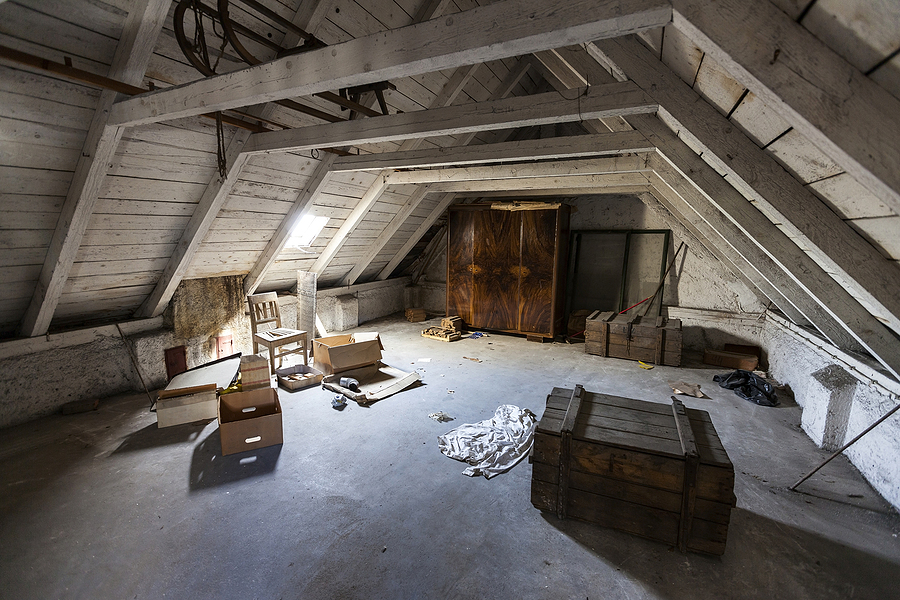
Attics offer everything a wild animal could want: warmth, shelter, and protection from predators. For raccoons, squirrels, and bats, your attic isn’t just a hiding spot—it’s prime real estate.
When an animal is removed but the entry points and attractants remain untouched, the attic still meets every need that drew the wildlife there in the first place. Removal addresses the symptom, not the cause.
Unsealed Entry Points Stay Vulnerable
Gaps in your roofline, damaged soffits, and uncapped chimneys don’t fix themselves once an animal is removed. These openings remain just as accessible to the next passing raccoon or squirrel as they were to the last one. Without sealing these vulnerabilities, your home stays exposed to repeat visits.
Common Wildlife That Returns to Richmond Attics
Not all wildlife behaves the same way, and understanding each animal’s habits helps explain why they keep coming back.
Raccoons Are Persistent and Resourceful
Raccoons are highly intelligent and skilled at locating new entry points, even after one has been sealed. If a raccoon has previously denned in your attic, it may continue testing your home’s exterior for weaknesses, particularly during denning season when shelter is a priority.
Squirrels Chew Through Weak Materials
Squirrels have constantly growing teeth, which means chewing is both a habit and a necessity. Thin fascia boards, vent covers, and minor gaps are easy targets, especially if a squirrel has already established a route into your attic.
Bats Seek Roosting Spaces Year-Round
Bats look for stable, undisturbed roosting sites, and attics often fit the bill. Female bats also form maternity colonies in the summer months to raise their young. Because flightless pups can become trapped during this period, exclusion timing for bats is often restricted. A licensed wildlife professional can confirm current Virginia guidelines before any bat exclusion work begins.
The Problem with One-Time Wildlife Removal
Removing an animal without addressing exclusion creates a short-term fix for a long-term problem.
Re-Entry Is Common Without Exclusion
Once an animal is removed, the entry point it used doesn’t disappear. If that opening isn’t sealed, the same species—or a different one—can use it to get back inside.
Seasonal Shifts Drive Wildlife Indoors
As temperatures drop in the fall, wildlife actively searches for warm, enclosed spaces to wait out the cold. Richmond’s seasonal temperature swings make attics especially attractive during these transitional months, increasing the likelihood of new intrusions if your home remains unprotected.
Favorable Conditions Invite New Animals
An attic that previously housed wildlife often still has the scent markers, nesting materials, and accessible openings that make it appealing. If those conditions aren’t changed, a new animal may move in to take advantage of the same favorable setup.
How to Prevent Wildlife from Re-Entering Your Attic
Preventing repeat intrusions requires a proactive approach that goes beyond removal.
Seal All Gaps and Cracks
Inspect your home’s exterior for openings larger than 1/4 inch, since even small gaps can allow squirrels and bats to squeeze through. Pay close attention to rooflines, soffits, and areas where utility lines enter the house.
Install Chimney Caps and Vent Covers
Uncapped chimneys and open vents are common entry points for raccoons and birds. Installing durable caps and covers blocks access while still allowing proper ventilation.
Trim Tree Branches Near Your Roof
Overhanging branches act as a bridge, giving squirrels and raccoons direct access to your roofline. Trimming trees and shrubs back from the house removes this easy pathway.
Remove Food Sources and Nesting Materials
Unsecured trash cans, pet food left outdoors, and accessible compost piles all attract wildlife looking for an easy meal. Clearing out leftover nesting materials inside the attic also makes the space less inviting to future occupants.
Professional Exclusion Solutions for Long-Term Protection
While DIY prevention steps help, professional exclusion offers the most reliable way to keep wildlife out for good.
One-Way Doors Allow Safe, Permanent Removal
One-way exclusion doors let animals exit your attic to forage or relocate but prevent them from coming back inside. This method is humane and effective, particularly for raccoons and squirrels that have established a route.
A Professional Inspection Catches What You Might Miss
Wildlife control professionals are trained to spot vulnerabilities that aren’t always obvious to homeowners, from small roofline gaps to deteriorating vent screens. A thorough inspection ensures every potential entry point is addressed, not just the obvious ones.
Exclusion Costs Less Than Repeated Removal
Paying for removal service after removal service adds up quickly, especially if the underlying entry points are never sealed. Investing in professional animal exclusion upfront is a more cost-effective solution, since it addresses the root cause instead of treating recurring symptoms.
Frequently Asked Questions
How long does wildlife exclusion take?
The timeline for exclusion depends on factors like the size of your property, the number of entry points identified, and the species involved. A licensed professional can provide a more specific estimate after conducting a full inspection of your home.
What’s the difference between removal and exclusion?
Removal focuses on getting an animal out of your attic, while exclusion goes further by sealing entry points and installing barriers to prevent future intrusions. Exclusion is the more comprehensive, long-term solution.
Can I handle exclusion myself?
Some basic prevention steps, like trimming branches or securing trash cans, can be done on your own. However, sealing entry points correctly and installing one-way doors often requires professional expertise, particularly when protected species like bats are involved.
Protect Your Richmond Home for Good
Removing wildlife from your attic is only the first step. Without proper exclusion, your home remains vulnerable to the very same problem resurfacing. Sealing entry points, trimming back trees, and removing attractants all play a role, but professional exclusion offers the most reliable path to a wildlife-free attic.
If you’re ready for a long-term solution, contact Virginia Wildlife Pros in Richmond, VA. Our team can inspect your property, identify vulnerable areas, and implement exclusion measures designed to keep wildlife out for good.
Related Posts:
Virginia Crawlspace Wildlife Removal: Animals, Entry Points & Prevention
Is Your Attic Hosting Unwanted Guests? Signs You Need Wildlife Proofing and Repair
Winter Wildlife in Richmond: How to Protect Your Property