What’s Digging in Your Yard? A Guide to Animal Burrows

Walking out to your garden and discovering a newly excavated hole can be a frustrating experience. You pour time, money, and energy into maintaining your property, and an unseen visitor can disrupt it overnight. While a few dug-up roots might seem like a minor nuisance, these hidden holes can sometimes lead to extensive property damage or bring unwanted wildlife a little too close for comfort.

The hidden world beneath our feet is bustling with activity. Many animals rely on underground systems for shelter, raising their young, and storing food. Recognizing what type of creature has moved in is the first step toward reclaiming your yard. Different species require entirely different approaches when it comes to management and exclusion.

Identifying these burrows is crucial for maintaining a healthy, safe property. A small hole might belong to a harmless field mouse, while a larger excavation could indicate a skunk or groundhog that might require professional intervention. By learning to read the clues left behind, you can take the right steps to manage these wild neighbors safely and humanely.
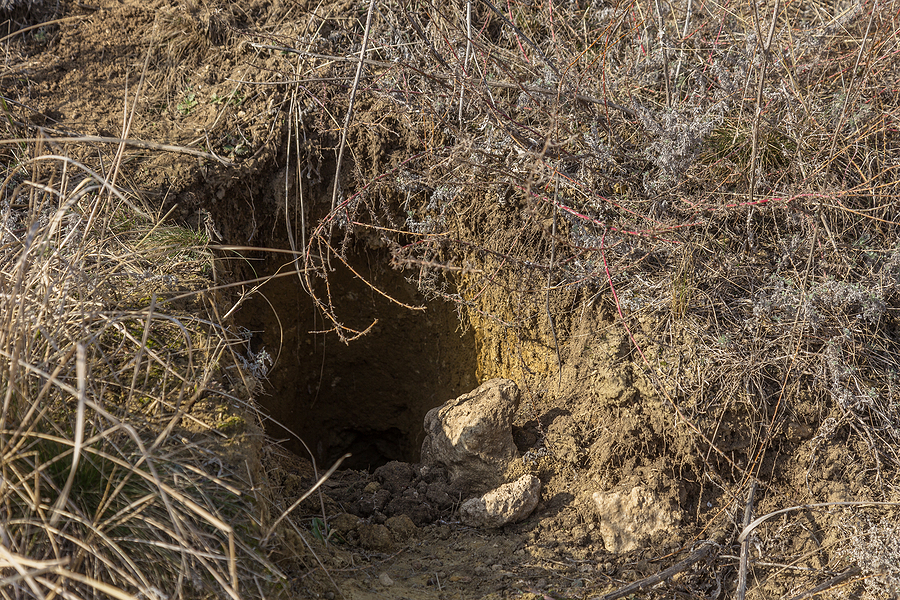
Animal Burrow Guide for Virginia

Common Burrow Types and Their Inhabitants

Not all holes in the ground are created equal. The size of the entrance and the surrounding soil can tell you a lot about the animal residing inside.

Small Mammal Burrows

Tiny holes, usually about an inch in diameter, belong to smaller mammals like voles, mice, and shrews. Voles are notorious for leaving narrow, recessed pathways or “runways” in the grass leading to their burrow entrances. Mice and shrews often create small, hidden holes near tree roots, rock walls, or under thick brush.

Medium-Sized Mammal Burrows

If the hole is roughly the size of a grapefruit or larger, you are likely dealing with a medium-sized mammal. Groundhogs, skunks, and rabbits fall into this category. Groundhogs create massive dirt mounds near their 8-to-12-inch entrances. Skunks, on the other hand, tend to leave shallow, cone-shaped holes without a dirt mound as they dig for grubs.

Larger Mammal Burrows

Large burrows with entrances exceeding a foot in diameter are typically home to predators like foxes, coyotes, or badgers. These animals often repurpose the abandoned homes of other creatures, enlarging them to fit their needs. These burrows are generally found in more secluded areas, such as the edge of a wooded lot or deep within thick brush.

Key Features for Burrow Identification

To figure out exactly who has moved onto your property, you need to look at more than just the hole itself.

Entrance Size and Shape

Measure the opening. A one-inch hole points to a vole or mouse. A three-to-four-inch cone-shaped depression suggests a skunk. An entrance measuring eight inches or more is a strong indicator of a groundhog or a larger predator. Badgers, for instance, dig burrows that are wider than they are tall, often leaving horizontal claw marks on the sides.

Presence of Tracks or Droppings

Look closely at the soft dirt around the opening. Finding paw prints can instantly narrow down your search. Additionally, many animals leave droppings near their homes. Fox and coyote dens will frequently have prey remains, like bones or feathers, scattered near the entrance.

Surrounding Vegetation and Soil Disturbances

Groundhogs are meticulous excavators, leaving large, noticeable mounds of displaced dirt and rocks. Skunks simply disturb the sod, peeling it back to find insects. Voles will leave gnaw marks on the bark of nearby shrubs and trees.

Time of Day for Activity

Setting up a trail camera is a highly effective way to identify your visitor. Groundhogs are strictly diurnal, meaning you will see them during the day. Skunks, foxes, and coyotes are primarily nocturnal or crepuscular (active at dawn and dusk).

Specific Animal Burrow Characteristics

Certain animals leave unmistakable calling cards. Here are the most common burrowers and their unique traits.

Groundhog Burrows: The Classic Excavator

Groundhogs create extensive, elaborate tunnel structures. Their main entrances are typically 8 to 12 inches wide and flanked by a massive pile of excavated dirt. They often dig near food sources, such as vegetable gardens, or under the structural support of sheds and barns.

Skunk Burrows: Often Under Structures

Skunks prefer to burrow under existing structures rather than digging a completely new tunnel in an open field. You will often find their 3-to-4-inch holes leading under concrete porches, sheds, or woodpiles. You may also notice a distinct musky odor lingering in the air.

Rabbit Burrows: Shallow and Hidden

Cottontail rabbits do not dig deep, elaborate tunnels. Instead, they create shallow depressions in the grass or mulch, typically only a few inches deep. Female rabbits will line these shallow nests with dead grass and their own fur to keep their babies warm, making them very difficult to spot until you are right on top of them.

Fox and Coyote Dens: Extensive Systems

Foxes and coyotes often take over old groundhog holes and expand them. These dens are usually located on slopes or well-drained soil. A key identifier for these predators is the mess left outside; you will almost always find animal bones, feathers, and flattened grass where the pups play near the entrance.

What to Do When You Discover a Burrow

Finding a burrow in your yard can be alarming, but acting hastily can cause more harm than good.

Observation Over Disturbance

Before taking any action, observe the area. Make sure the burrow is actually active. Disturbing a den that houses helpless babies is inhumane and can cause frantic, unpredictable behavior from the mother. Watch from a distance or use a trail camera to see what comes and goes.

Preventing Unwanted Burrowing

The best way to handle burrowing animals is to make your property less inviting. Seal all cracks and gaps around your home’s foundation, porches, and decks using heavy-duty wire mesh. Keep trash securely stored, remove fallen fruit from trees, and avoid leaving pet food outside.

When to Seek Professional Help

If an animal has burrowed directly under your home’s foundation, is destroying your property, or poses a threat to your pets, it is time to call a professional animal removal service. Many wildlife species carry diseases like rabies, and attempting to trap or remove them yourself can be illegal and highly dangerous.

Frequently Asked Questions (FAQ)

How can I tell if a burrow is active?

A simple way to check for activity is to place a thin layer of fresh dirt or a few lightly crumpled leaves just inside the entrance. Check back 24 hours later. If the debris has been pushed aside, the burrow is actively being used.

Are all burrows a problem?

Not necessarily. Small animals like shrews actually benefit your garden by eating harmful insects. Unless the burrow is threatening the structural integrity of your home, destroying your crops, or housing a dangerous predator, you can often peacefully coexist.

What are humane ways to deter burrowing animals?

You can use motion-activated sprinklers or ultrasonic noise emitters to make your yard uncomfortable for wildlife. For skunks and groundhogs, placing strong-smelling natural deterrents, like cayenne pepper or castor oil, near the burrow entrance can encourage them to relocate safely.

Protecting Your Property the Right Way

A burrowing animal is simply looking for a safe place to live and eat. While their digging can be incredibly frustrating, identifying the specific creature allows you to respond effectively and humanely. By paying attention to the size of the hole, the disturbed soil, and the surrounding clues, you can figure out exactly who your new neighbor is.

If groundhogs are compromising your shed, or skunks have taken up residence under your porch, we can help. Our team provides safe, humane, and effective wildlife control services tailored to the Richmond, Virginia area. Don’t let an animal burrow turn into a costly property issue. Contact us today to safely relocate your wild neighbors and secure your property for good.

Call for a Free Estimate

Related Post: Nocturnal Animals in Virginia: What’s Out at Night
The Hidden Dangers of Bird Droppings and How to Stop Them

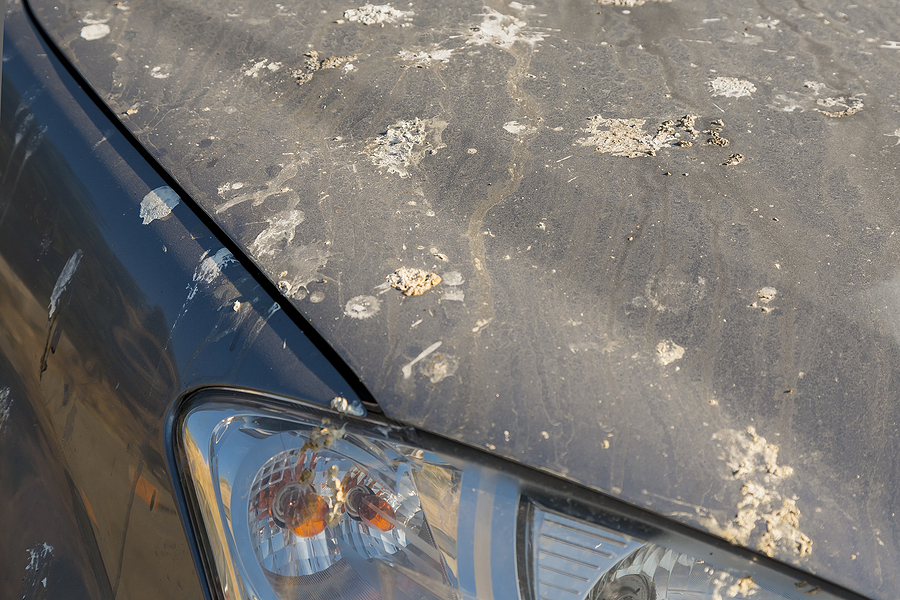
Birds singing in the morning can be a pleasant sound, but a flock taking up residence on your property brings a host of hidden problems. Waking up to find your car or porch covered in bird waste is incredibly frustrating. It requires immediate cleaning to prevent stains and damage.

Accumulated bird droppings present serious health risks and can cause thousands of dollars in property damage. As these urban pests gather around homes and commercial buildings, their waste piles up quickly. The longer the problem persists, the more difficult and dangerous it becomes to clean.

Understanding the true impact of these common pests is the first step toward protecting your home or business. This guide explains the diseases transmitted by birds, the structural damage they cause, and the most effective ways to keep your property safe.

Get Rid of Birds in Richmond Virginia

The Real Risk: Health Hazards of Bird Droppings

Understanding Pathogens: Diseases Transmitted by Birds

Bird waste is a breeding ground for dangerous microorganisms. When large flocks roost on ledges or in attics, their droppings accumulate and create a hazardous environment. These undisturbed piles harbor bacteria, viruses, and fungi that pose a severe threat to human health. People working near these areas, or even those simply walking nearby, can easily be exposed to these pathogens.

Respiratory Dangers: Inhaling Harmful Fungi

The greatest health risk associated with bird waste comes from airborne spores. As droppings dry out in the sun or heat, they turn into a fine, powdery dust. When the wind blows or someone attempts to sweep the area, this contaminated dust becomes airborne.

Breathing in these particles can lead to severe respiratory illnesses. Histoplasmosis is an infection caused by the Histoplasma fungus, which thrives in soil heavily contaminated with bird droppings. Symptoms often mimic the flu, including fever, cough, and fatigue.

Another serious illness is Cryptococcosis, caused by the Cryptococcus neoformans fungus often found in pigeon waste. Additionally, Psittacosis (often called parrot fever) is a bacterial infection that humans can catch from inhaling dust from the droppings of infected birds.

Contamination Concerns: Food and Water Risks

Beyond respiratory hazards, bird waste creates significant contamination concerns. Rainwater washes droppings from rooftops into gutters, potentially contaminating local water supplies or rainwater harvesting systems. For commercial facilities, especially restaurants and food processing plants, birds nesting near ventilation systems can introduce dangerous bacteria directly into areas where food is prepared.

Property Damage: The Destructive Power of Bird Waste

Corrosive Effects: Damage to Structures and Vehicles

Bird droppings are highly acidic because they contain uric acid. This chemical composition makes the waste incredibly corrosive to modern building materials. Industry data shows that more than one in ten drivers experience permanent car paint damage caused by bird droppings. When left untreated under the hot sun, the acid bakes into the clear coat and causes permanent etching.

The damage extends to commercial buildings as well. Droppings eat away at roofing materials, degrade concrete over time, and severely damage expensive HVAC equipment.

Aesthetic Impact: Unsightly Stains and Buildup

First impressions matter. A building covered in bird waste looks neglected and unsanitary. For business owners, this unsightly buildup can drive away potential customers and severely harm the company’s reputation. Homeowners experience similar frustrations, as heavy staining ruins the curb appeal of otherwise beautiful properties.

Maintenance Headaches: Increased Cleaning Costs

Managing a bird infestation requires constant, exhausting labor. Property managers find themselves scheduling frequent pressure washing services to keep walkways safe and clear of slippery waste. Nests and debris routinely clog gutters and drainage systems, leading to water pooling and subsequent roof leaks. The ongoing maintenance costs quickly add up, turning a small nuisance into a major financial burden.

Nuisance Birds: Identifying the Culprits

Common Urban Pests: Pigeons, Starlings, and Sparrows

Certain bird species have adapted perfectly to urban environments. In areas like Richmond, Virginia, three main culprits cause the most trouble. Feral pigeons, frequently called “rats with wings,” are entirely unafraid of humans and gather in massive flocks. European starlings travel in huge numbers and are known for overwhelming trees and building ledges. House sparrows are small but aggressive, frequently squeezing into tiny structural crevices to build their nests.

Nesting Habits: Where Birds Create Problems

These nuisance birds look for sheltered, elevated spaces to build their homes. Common nesting sites include commercial HVAC units, residential gutters, eaves, and open warehouse rafters. Nests built inside vents or near electrical equipment create severe fire hazards. The dry twigs and grass used for nesting material are highly flammable and can easily ignite if equipment overheats.

Breeding Cycles: Understanding Population Growth

Urban birds breed rapidly due to the constant availability of food and shelter. A small group of pigeons can multiply into a massive flock within a single year. Because city environments lack natural predators, population growth goes largely unchecked. Ignoring a minor bird problem usually guarantees a severe infestation in the near future.

Effective Control Strategies: Keeping Birds Away

Exclusion Techniques: Physical Barriers and Netting

The most reliable way to prevent bird damage is to block access entirely. Physical exclusion techniques ensure birds cannot land or nest on your property. Heavy-duty bird netting is frequently used to seal off the underside of canopies and warehouse ceilings. Stainless steel bird spikes placed along rooflines and window ledges make it physically impossible for larger birds to land.

Deterrent Devices: Sonic, Visual, and Tactile Solutions

When physical barriers are impractical, deterrent devices offer excellent secondary protection. Visual deterrents like reflective tape or decoy predators can temporarily scare birds away. Sonic devices emit distress calls or predatory sounds to create a hostile environment. Tactile solutions, such as low-voltage shock tracks, provide a harmless but startling sensation that conditions birds to avoid the area altogether.

Habitat Modification: Eliminating Attractants

Birds congregate where resources are plentiful. Removing their access to food and water makes your property much less appealing. Ensure all outdoor trash receptacles have tight-fitting lids and immediately clean up spilled food near outdoor dining areas. Eliminate standing water on flat roofs or in poor drainage areas to remove their drinking supply.

Professional Intervention: When to Call the Experts

Specialized Knowledge: Understanding Bird Behavior

Do-it-yourself bird control often fails because property owners do not understand the specific habits of the target species. A professional wildlife removal company knows exactly how different birds breed, feed, and react to deterrents.

Safe and Humane Practices: Ethical Removal

Certain birds are protected under the federal Migratory Bird Treaty Act and specific Virginia Code regulations. While invasive species like pigeons, starlings, and house sparrows are generally unprotected nuisance birds, misidentifying a protected species can result in massive legal fines. Professionals ensure all removal and exclusion methods are entirely legal, ethical, and humane.

Long-Term Solutions: Preventing Recurrence

A professional pest control team does more than clean up the mess. They conduct thorough property inspections to identify vulnerable areas and install commercial-grade deterrents. This comprehensive approach guarantees a permanent solution to your bird problems.

Questions About Bird Control Answered

How quickly can bird droppings cause damage?

Bird droppings can begin etching car paint in a matter of days, especially during hot weather. The sun accelerates the chemical reaction of the uric acid, causing it to burn through clear coats and weaken roofing materials rapidly.

Are all bird droppings dangerous?

While all animal waste carries some level of bacteria, large accumulations of bird droppings are particularly hazardous. The primary danger arises when the waste dries out and turns into dust, allowing harmful fungal spores to become airborne and easily inhaled.

What is the most effective way to deter birds?

Physical exclusion is the most effective method. Installing bird netting, spikes, or specialized structural modifications prevents birds from physically accessing their preferred roosting and nesting spots.

Is professional bird removal humane?

Yes. Professional bird control focuses heavily on exclusion and deterrence rather than extermination. Experts use humane tactics to encourage birds to relocate peacefully without causing them physical harm.

Protecting Your Property and Health from Nuisance Birds

Taking a proactive stance against nuisance birds saves you money and protects your physical well-being. Accumulated droppings deteriorate expensive building materials and introduce dangerous pathogens into your immediate environment. By understanding the behavior of these pests and utilizing effective exclusion techniques, you can maintain a clean, safe, and beautiful property.

For professional bird removal and control services in Richmond, Virginia, contact Virginia Wildlife Pros today for a free consultation.

Call Now to Book Service

Related Post: Winter Bird Control in Virginia: A Homeowner’s Guide

The Native Wildlife of Virginia: Fun Facts for Animal Lovers

Virginia offers a remarkable tapestry of landscapes, providing a home to an incredibly diverse array of wildlife. Observing wild animals in their natural habitats brings a sense of wonder and connection to the natural world. Many residents enjoy the simple pleasure of watching bright songbirds at a backyard feeder or catching a fleeting glimpse of a deer grazing in the morning mist.

Sharing your environment with nature is deeply rewarding, yet it requires a basic understanding of the species that live alongside us. Knowing the behaviors and habitats of local animals helps you appreciate their vital role in the ecosystem. It also equips you with the knowledge to handle unexpected wildlife encounters safely and compassionately.

Developing a healthy respect for these creatures enriches our outdoor experiences and promotes a balanced environment. By learning about the animals native to the region, we become better stewards of the land, ensuring that both human communities and wildlife populations can flourish.

This guide explores the vibrant animals that call the Old Dominion home. You will learn fascinating facts about local mammals, birds, and reptiles, while discovering how to protect these creatures and respectfully manage wildlife interactions on your property.

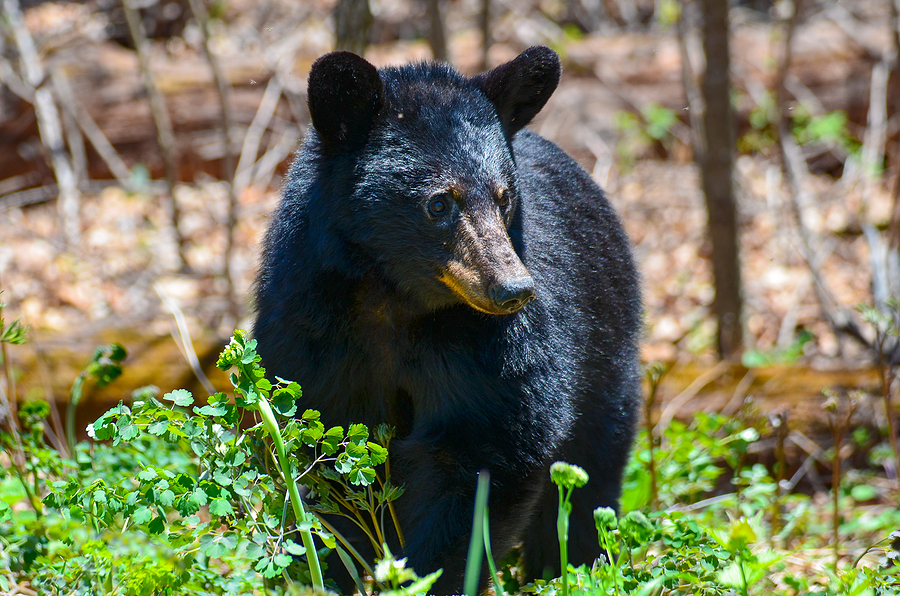
American Black Bear in Shenandoah National Park, Virginia

Virginia’s Diverse Ecosystems and Habitats

The state’s geographic variety creates distinct environments, each supporting different forms of life. In the west, the Blue Ridge Mountains rise to elevations of over 4,000 feet. Thick, sprawling forests cover these peaks, creating a haven for large mammals, specialized amphibians, and a variety of nesting birds. The cooler climate and dense tree cover provide ample protection and foraging grounds for species that prefer seclusion.

Moving eastward, the Piedmont region features characteristic red clay soils known as ultisols. This transitional zone offers rolling hills and mixed woodlands that support a wide range of highly adaptable species. The combination of open fields and forest edges creates perfect hunting grounds for predators and grazers alike.

Finally, the Coastal Plain introduces rich wetlands, estuaries, and shorelines along the eastern border. These aquatic habitats are crucial for migratory birds, waterfowl, and marine-adapted reptiles. These varied physical regions mean that Virginia can sustain an impressive breadth of biodiversity, seamlessly linking deep-woods foragers to coastal hunters.

Common Mammals of Virginia

White-tailed Deer: Virginia’s Iconic Mammal

The white-tailed deer (Odocoileus virginianus) is perhaps the most frequently spotted large mammal in the state. They thrive in various settings, from dense mountain forests to quiet suburban neighborhoods. These graceful herbivores are highly adaptable and play a significant role in local food webs. They browse on a wide variety of vegetation, which influences the growth patterns of local plant life. Because they frequently interact with human environments, understanding their movement patterns is crucial for safe driving and proactive landscape management.

Black Bears: Forest Dwellers

Black bears stand out as the largest land mammals in the state. When standing fully upright on their hind legs, some individuals can reach up to six feet tall. Despite their imposing physical size, they are generally shy creatures that prefer to avoid human contact. True to their name, most of these bears in this region possess a distinctly black coat. They rely heavily on the rugged mountain and Piedmont forests for foraging, eating a varied, omnivorous diet consisting of berries, nuts, insects, and small prey.

Red Foxes: Clever Hunters

The red fox holds the title of the largest true fox species. These highly intelligent canines are found throughout the northern hemisphere, and they have adapted remarkably well to Virginia’s changing landscapes. They often hunt small rodents at dawn and dusk, using an incredibly keen sense of hearing to detect movement under thick brush or winter snow. Their vibrant russet coats and bushy white-tipped tails make them a striking sight if you are lucky enough to spot one darting rapidly across an open field.

Fascinating Birds of the Old Dominion

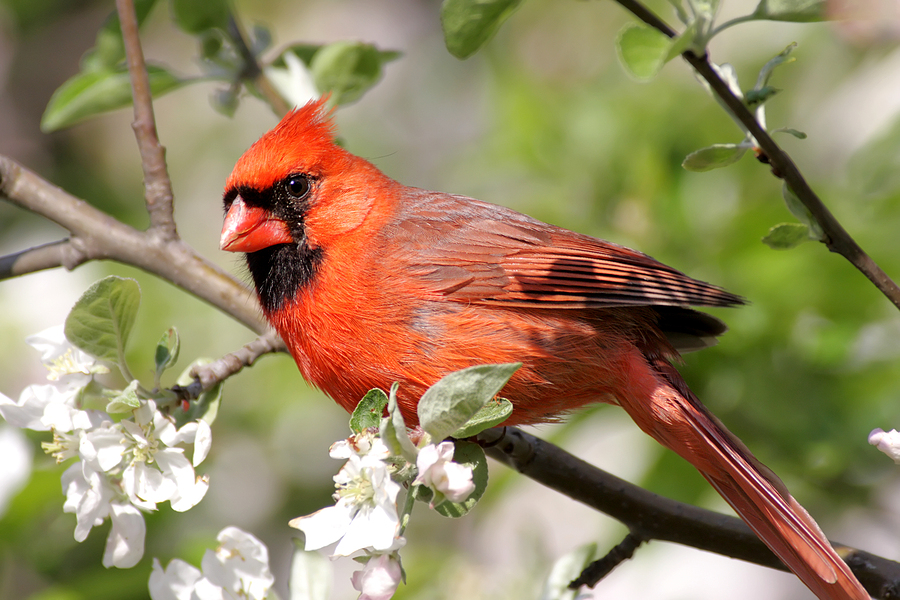
Northern Cardinal (cardinalis cardinalis)

The Northern Cardinal: A Splash of Red

As the official state bird, the Northern Cardinal brings a brilliant flash of color to backyards year-round. These birds do not migrate, and they maintain their striking plumage throughout the snowy winter months. Cardinals prefer to hop through low branches and forage for seeds near the ground, often singing their distinctive melodies from a high, visible shrub. They are fiercely territorial during the spring breeding season. You might occasionally notice a cardinal aggressively pecking at a window or car mirror, mistakenly defending its turf against its own reflection.

Majestic Raptors: Eagles and Hawks

Virginia’s skies are continuously patrolled by an impressive array of birds of prey. The Bald Eagle population has seen a miraculous recovery over the past few decades. Historically, the state hosted only about 30 breeding pairs. Today, thanks to dedicated conservation efforts and habitat protection, hundreds of active nests are scattered across the coastal regions and major riverways.

Hawks are also a common and vital part of the ecosystem. The Cooper’s Hawk, identifiable by its long tail, blue-gray wings, and reddish-striped underbelly, often hunts smaller birds in densely wooded areas. Meanwhile, the Red-shouldered Hawk and the widely recognized Red-tailed Hawk frequently soar high over open fields, using their exceptional eyesight to scan the ground for their next meal.

Reptiles and Amphibians: Hidden Gems

Turtles and Tortoises: Slow and Steady

The damp forests and numerous waterways provide perfect conditions for various reptiles, including nine native lizard species and a multitude of turtles. The Eastern Box Turtle is a frequent, welcome visitor to moist woodlands and residential gardens. These resilient creatures carry their domed homes on their backs and can live for several decades in the wild. They help control local pest populations by feeding heavily on slugs, insects, and overripe fallen fruit.

Frogs and Salamanders: Wetland Wonders

Amphibians are excellent indicators of environmental health, and Virginia boasts a staggering variety of them. The state is home to numerous frog species that fill the humid spring evenings with a loud, rhythmic chorus of distinct calls.

One of the most remarkable amphibians is the Shenandoah Salamander. This small, endangered creature belongs to the Plethodontidae family and is found exclusively within the high-elevation boundaries of Shenandoah National Park. Because they lack lungs entirely, these unique salamanders absorb oxygen directly through their moist skin. This biological trait makes them incredibly sensitive to minor changes in their delicate woodland habitat.

Common Nuisance Animals in Richmond, VA

As much as we love and admire the diverse wildlife in Richmond, VA, it’s no secret that some animals can become a nuisance. These creatures may cause damage to our property, spread disease, or even pose a threat to our safety.

Here are some of the most common nuisance animals you may encounter in Richmond:

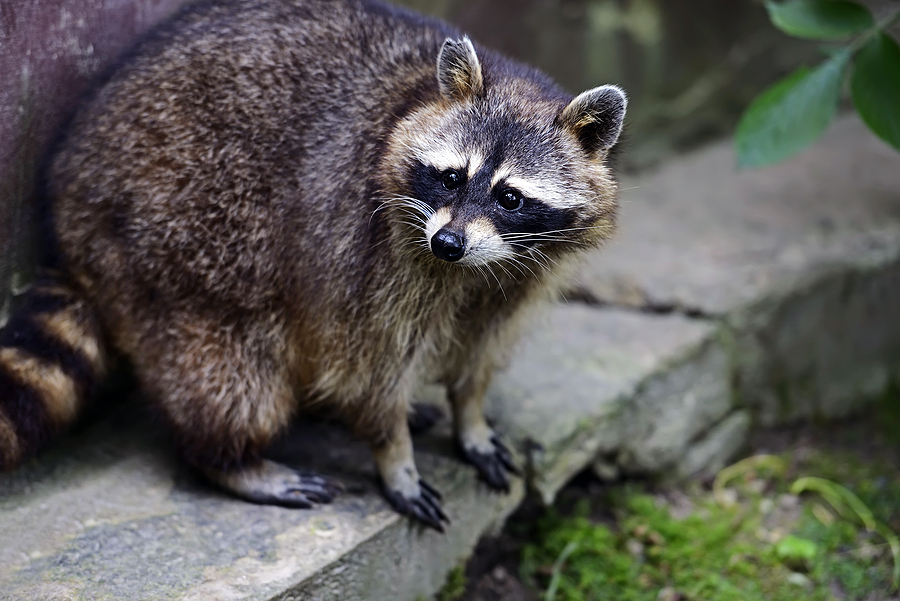
The Common Raccoon (Procyon Lotor)

Raccoons

These clever and adaptable creatures are known for their distinctive black mask and ringed tail. While they may seem cute from afar, raccoons can wreak havoc on your property by tearing through trash cans and damaging gardens. They also carry diseases such as rabies and roundworms, making them a potential health hazard.

To prevent raccoon encounters on your property, make sure to secure your garbage cans with tight-fitting lids and avoid leaving out any potential food sources. If you do encounter a raccoon on your property, it’s best to contact a professional raccoon removal service to safely handle the situation.

Squirrels

With their fluffy tails and playful antics, squirrels may seem harmless. However, these small rodents can cause significant damage to homes by gnawing on electrical wires and insulation. They also have sharp teeth and claws that can potentially injure humans or pets.

To keep squirrels from causing trouble on your property, make sure to seal off any potential entry points into your home, such as gaps in the roof or walls. You can also install metal mesh barriers around your garden to keep them from digging up plants. If you have a bird feeder, consider using squirrel-proofing measures such as hanging it on a pole with a baffle or using special feeders designed to deter squirrels.

If you do encounter a squirrel in your home, do not attempt to remove it yourself. Contact a licensed squirrel removal service instead. They have the knowledge and equipment to safely handle the situation and relocate the animal if necessary.

Skunks

Skunks are another common backyard pest that can cause issues for homeowners. They are known for their distinct odor and can also carry diseases such as rabies. If you encounter a skunk on your property, it’s important to be cautious. Skunks will spray when they feel threatened, so keep a safe distance and avoid approaching them. Contact a qualified animal removal company if the skunk becomes a persistent problem.

To prevent skunks from entering your property, make sure to seal any openings or holes in your home’s foundation. It’s also a good idea to secure trash cans and compost bins, as they are attracted to food sources.

Other Animals

In addition to these specific pests, there may be other animals that may cause a nuisance on your property. Other common examples of wildlife that can invade homes and cause damage include beavers, groundhogs, opossums, birds, and snakes.

Protecting Virginia’s Wildlife: What You Can Do

Cohabitating with local fauna requires a high level of mindfulness and respect. Simple, everyday actions make a profound difference in preserving these species for future generations. Keep a respectful distance when observing wild animals, and never offer them human food. Feeding wildlife fundamentally alters their natural foraging habits and often draws them dangerously close to busy roadways or residential homes.

Securing your outdoor trash cans and keeping pet food indoors helps discourage opportunistic feeders like raccoons, squirrels, and bears from frequenting your property. By planting native flora in your garden, you provide natural, healthy food sources and essential shelter for pollinators, birds, and small mammals.

Frequently Asked Questions

What should I do if I find a baby animal alone?

Most young animals found alone are not orphaned. Parents frequently leave their young in hidden, sheltered spots while they forage for food nearby. Observe the animal quietly from a distance; if it appears uninjured, it is best to leave it exactly where you found it.

Why are there so many deer in my neighborhood?

White-tailed deer are highly adaptable to changing environments. Suburban areas often provide an abundance of nutrient-rich food, like ornamental shrubs and vegetable gardens, combined with a noticeable lack of natural predators.

Are black bears dangerous to humans?

Black bears are naturally fearful of humans, and aggressive encounters are exceptionally rare. However, they are large, powerful wild animals. If you encounter one, do not run. Back away slowly, make yourself look large by raising your arms, and speak in a calm, firm voice.

What is the best way to keep wildlife out of my attic?

Preventative home maintenance is essential for keeping animals outside. Regularly inspect your roofline for gaps, secure your attic vents with sturdy metal mesh, and trim tree branches that bridge the gap between the surrounding woods and your home’s exterior.

Appreciating Virginia’s Natural Heritage

The incredible variety of animals living across the state deeply enriches our daily lives. From the tiny Shenandoah Salamander hiding safely under a damp mountain log to a Bald Eagle soaring proudly above the Potomac River, every creature plays a vital role in maintaining the ecological balance. Learning about their unique behaviors deepens our respect for the natural spaces we share. By observing them responsibly and taking proactive steps to minimize human-wildlife conflicts, we can ensure that these magnificent animals continue to thrive alongside our growing communities.

Sometimes, despite our best efforts, wild animals find their way into our living spaces. If unexpected animal visitors decide to make a cozy home inside your property, taking the right steps ensures their safety and yours. Understanding when to step back and call in local experts is a key part of responsible wildlife stewardship.

Need help with unwanted animal guests in Richmond, Virginia? If raccoons, squirrels, bats, or groundhogs have taken up residence in your home, professional intervention is the safest and most effective solution. Contact us today for affordable wildlife control service, including prevention, removal, and cleanup.

Call Now to Learn More

Related Post: Nature in Balance: Ethical Approaches to Wildlife Control