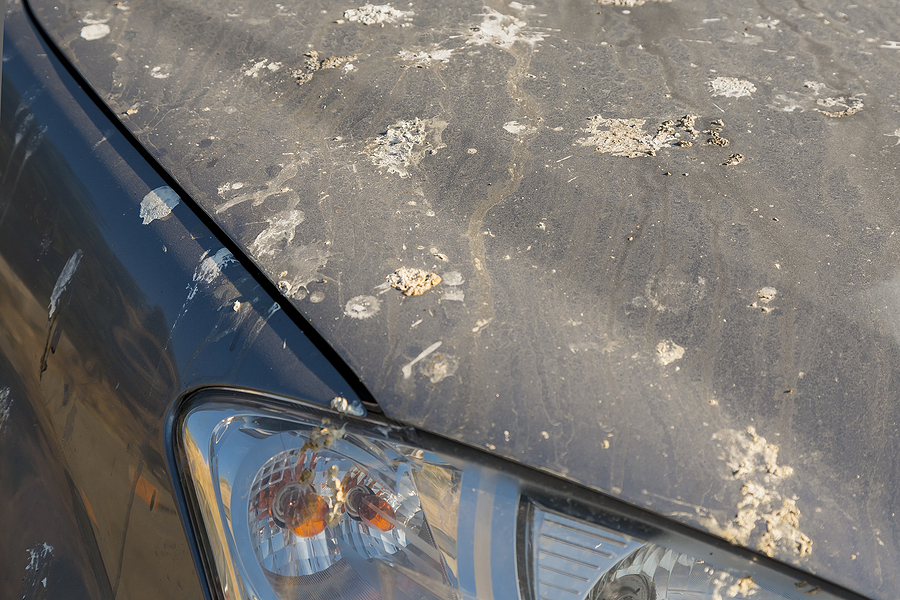
Birds singing in the morning can be a pleasant sound, but a flock taking up residence on your property brings a host of hidden problems. Waking up to find your car or porch covered in bird waste is incredibly frustrating. It requires immediate cleaning to prevent stains and damage.
Accumulated bird droppings present serious health risks and can cause thousands of dollars in property damage. As these urban pests gather around homes and commercial buildings, their waste piles up quickly. The longer the problem persists, the more difficult and dangerous it becomes to clean.
Understanding the true impact of these common pests is the first step toward protecting your home or business. This guide explains the diseases transmitted by birds, the structural damage they cause, and the most effective ways to keep your property safe.
The Real Risk: Health Hazards of Bird Droppings
Understanding Pathogens: Diseases Transmitted by Birds
Bird waste is a breeding ground for dangerous microorganisms. When large flocks roost on ledges or in attics, their droppings accumulate and create a hazardous environment. These undisturbed piles harbor bacteria, viruses, and fungi that pose a severe threat to human health. People working near these areas, or even those simply walking nearby, can easily be exposed to these pathogens.
Respiratory Dangers: Inhaling Harmful Fungi
The greatest health risk associated with bird waste comes from airborne spores. As droppings dry out in the sun or heat, they turn into a fine, powdery dust. When the wind blows or someone attempts to sweep the area, this contaminated dust becomes airborne.
Breathing in these particles can lead to severe respiratory illnesses. Histoplasmosis is an infection caused by the Histoplasma fungus, which thrives in soil heavily contaminated with bird droppings. Symptoms often mimic the flu, including fever, cough, and fatigue.
Another serious illness is Cryptococcosis, caused by the Cryptococcus neoformans fungus often found in pigeon waste. Additionally, Psittacosis (often called parrot fever) is a bacterial infection that humans can catch from inhaling dust from the droppings of infected birds.
Contamination Concerns: Food and Water Risks
Beyond respiratory hazards, bird waste creates significant contamination concerns. Rainwater washes droppings from rooftops into gutters, potentially contaminating local water supplies or rainwater harvesting systems. For commercial facilities, especially restaurants and food processing plants, birds nesting near ventilation systems can introduce dangerous bacteria directly into areas where food is prepared.
Property Damage: The Destructive Power of Bird Waste
Corrosive Effects: Damage to Structures and Vehicles
Bird droppings are highly acidic because they contain uric acid. This chemical composition makes the waste incredibly corrosive to modern building materials. Industry data shows that more than one in ten drivers experience permanent car paint damage caused by bird droppings. When left untreated under the hot sun, the acid bakes into the clear coat and causes permanent etching.
The damage extends to commercial buildings as well. Droppings eat away at roofing materials, degrade concrete over time, and severely damage expensive HVAC equipment.
Aesthetic Impact: Unsightly Stains and Buildup
First impressions matter. A building covered in bird waste looks neglected and unsanitary. For business owners, this unsightly buildup can drive away potential customers and severely harm the company’s reputation. Homeowners experience similar frustrations, as heavy staining ruins the curb appeal of otherwise beautiful properties.
Maintenance Headaches: Increased Cleaning Costs
Managing a bird infestation requires constant, exhausting labor. Property managers find themselves scheduling frequent pressure washing services to keep walkways safe and clear of slippery waste. Nests and debris routinely clog gutters and drainage systems, leading to water pooling and subsequent roof leaks. The ongoing maintenance costs quickly add up, turning a small nuisance into a major financial burden.
Nuisance Birds: Identifying the Culprits
Common Urban Pests: Pigeons, Starlings, and Sparrows
Certain bird species have adapted perfectly to urban environments. In areas like Richmond, Virginia, three main culprits cause the most trouble. Feral pigeons, frequently called “rats with wings,” are entirely unafraid of humans and gather in massive flocks. European starlings travel in huge numbers and are known for overwhelming trees and building ledges. House sparrows are small but aggressive, frequently squeezing into tiny structural crevices to build their nests.
Nesting Habits: Where Birds Create Problems
These nuisance birds look for sheltered, elevated spaces to build their homes. Common nesting sites include commercial HVAC units, residential gutters, eaves, and open warehouse rafters. Nests built inside vents or near electrical equipment create severe fire hazards. The dry twigs and grass used for nesting material are highly flammable and can easily ignite if equipment overheats.
Breeding Cycles: Understanding Population Growth
Urban birds breed rapidly due to the constant availability of food and shelter. A small group of pigeons can multiply into a massive flock within a single year. Because city environments lack natural predators, population growth goes largely unchecked. Ignoring a minor bird problem usually guarantees a severe infestation in the near future.
Effective Control Strategies: Keeping Birds Away
Exclusion Techniques: Physical Barriers and Netting
The most reliable way to prevent bird damage is to block access entirely. Physical exclusion techniques ensure birds cannot land or nest on your property. Heavy-duty bird netting is frequently used to seal off the underside of canopies and warehouse ceilings. Stainless steel bird spikes placed along rooflines and window ledges make it physically impossible for larger birds to land.
Deterrent Devices: Sonic, Visual, and Tactile Solutions
When physical barriers are impractical, deterrent devices offer excellent secondary protection. Visual deterrents like reflective tape or decoy predators can temporarily scare birds away. Sonic devices emit distress calls or predatory sounds to create a hostile environment. Tactile solutions, such as low-voltage shock tracks, provide a harmless but startling sensation that conditions birds to avoid the area altogether.
Habitat Modification: Eliminating Attractants
Birds congregate where resources are plentiful. Removing their access to food and water makes your property much less appealing. Ensure all outdoor trash receptacles have tight-fitting lids and immediately clean up spilled food near outdoor dining areas. Eliminate standing water on flat roofs or in poor drainage areas to remove their drinking supply.
Professional Intervention: When to Call the Experts
☑ Specialized Knowledge: Understanding Bird Behavior
Do-it-yourself bird control often fails because property owners do not understand the specific habits of the target species. A professional wildlife removal company knows exactly how different birds breed, feed, and react to deterrents.
☑ Safe and Humane Practices: Ethical Removal
Certain birds are protected under the federal Migratory Bird Treaty Act and specific Virginia Code regulations. While invasive species like pigeons, starlings, and house sparrows are generally unprotected nuisance birds, misidentifying a protected species can result in massive legal fines. Professionals ensure all removal and exclusion methods are entirely legal, ethical, and humane.
☑ Long-Term Solutions: Preventing Recurrence
A professional pest control team does more than clean up the mess. They conduct thorough property inspections to identify vulnerable areas and install commercial-grade deterrents. This comprehensive approach guarantees a permanent solution to your bird problems.
Questions About Bird Control Answered
How quickly can bird droppings cause damage?
Bird droppings can begin etching car paint in a matter of days, especially during hot weather. The sun accelerates the chemical reaction of the uric acid, causing it to burn through clear coats and weaken roofing materials rapidly.
Are all bird droppings dangerous?
While all animal waste carries some level of bacteria, large accumulations of bird droppings are particularly hazardous. The primary danger arises when the waste dries out and turns into dust, allowing harmful fungal spores to become airborne and easily inhaled.
What is the most effective way to deter birds?
Physical exclusion is the most effective method. Installing bird netting, spikes, or specialized structural modifications prevents birds from physically accessing their preferred roosting and nesting spots.
Is professional bird removal humane?
Yes. Professional bird control focuses heavily on exclusion and deterrence rather than extermination. Experts use humane tactics to encourage birds to relocate peacefully without causing them physical harm.
Protecting Your Property and Health from Nuisance Birds
Taking a proactive stance against nuisance birds saves you money and protects your physical well-being. Accumulated droppings deteriorate expensive building materials and introduce dangerous pathogens into your immediate environment. By understanding the behavior of these pests and utilizing effective exclusion techniques, you can maintain a clean, safe, and beautiful property.
For professional bird removal and control services in Richmond, Virginia, contact Virginia Wildlife Pros today for a free consultation.
Related Post: Winter Bird Control in Virginia: A Homeowner’s Guide