
Beavers play an important role in Virginia’s environment, but they can also create serious problems for homeowners, businesses, farms, and waterfront properties. In Richmond and surrounding areas, beaver activity near creeks, ponds, drainage ditches, and wooded lots can quickly lead to tree damage, flooding, erosion, and costly repairs.
If you have noticed chewed trees, rising water, blocked culverts, or new dam activity, it is important to act quickly. The sooner you address beaver damage, the easier it is to protect your property and prevent the problem from spreading.
This guide explains how to identify beaver activity, what damage to watch for, and when to call a professional for safe and humane beaver trapping and control in Richmond, Virginia.
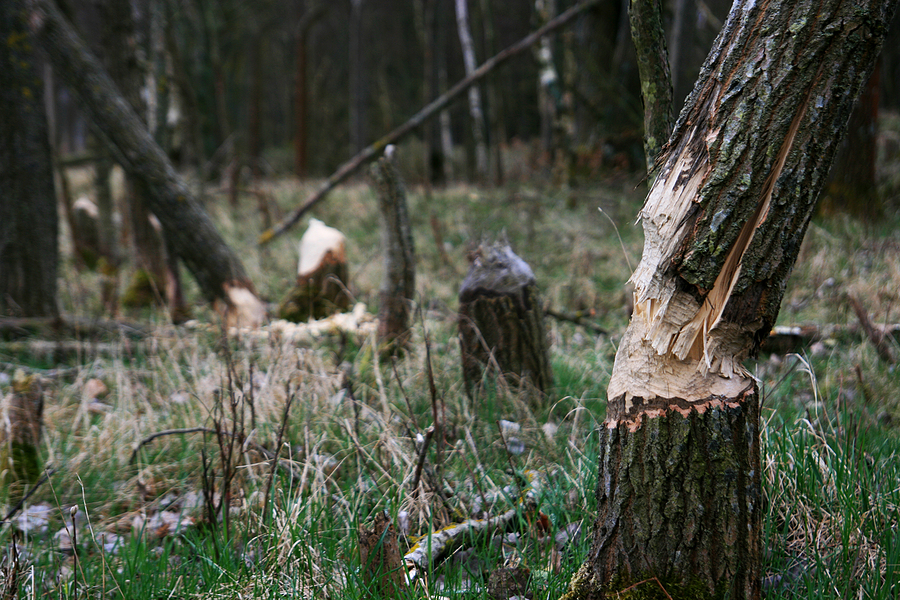
Signs of Beaver Activity on Your Richmond Property
Beavers are most active around water, but their damage can extend well beyond the shoreline. Property owners in Richmond may notice signs near ponds, creeks, retention basins, drainage areas, wooded lots, and low-lying yards.
Chewed Trees and Woody Vegetation
One of the most common signs of beavers is tree damage. Beavers chew trees for food, dam materials, and lodge construction.
Look for:
- Trees gnawed into a pointed “pencil” shape
- Fresh wood chips around the base of trees
- Missing bark on trunks or branches
- Downed saplings or larger trees near water
- Damage to ornamental trees, shrubs, and landscaping
Even one active beaver can cause major tree loss in a short period of time.
Beaver Dams and Lodges
Beaver dams are often built with sticks, mud, rocks, and vegetation. These structures slow or redirect water, which can create flooding on nearby properties. Lodges may look like large piles of sticks and mud near the water’s edge or in the middle of a pond. In some cases, beavers may also burrow into banks rather than build a visible lodge.
Changed Water Flow and Flooding
If water levels seem higher than normal, a beaver dam may be blocking natural drainage. This can affect yards, basements, driveways, farm fields, crawl spaces, and stormwater systems.
Common warning signs include:
- Standing water in the yard
- Flooded low spots
- Water backing up around culverts
- Soggy soil near buildings
- Drainage ditches that no longer flow properly
Mud Slides and Scent Mounds
Beavers often create muddy slides where they enter and exit the water. These paths may appear along banks, pond edges, and creek beds. You may also notice scent mounds, which are small piles of mud and debris used by beavers to mark territory.
Why Beaver Damage Is a Serious Property Risk
Beaver activity can start small, but the damage often becomes more expensive over time. A few chewed trees or a small dam can turn into flooding, drainage problems, and structural concerns if left untreated.
Tree Loss and Landscape Damage
Beavers can destroy mature trees, ornamental landscaping, and wooded buffers. Fallen trees may also damage fences, sheds, driveways, utility lines, or neighboring property. For Richmond property owners, tree loss can reduce curb appeal, shade, privacy, and property value.
Basement, Yard, and Crawl Space Flooding
When beaver dams block water flow, water may back up into areas that were never intended to hold it. This can lead to flooded lawns, wet basements, crawl space moisture, mold concerns, and foundation issues. Flooding can also create mosquito breeding areas and make outdoor spaces difficult to use.
Damage to Roads, Culverts, and Drainage Systems
Beavers frequently build dams near culverts, pipes, and drainage channels. When water cannot pass through, pressure builds and can damage roads, driveways, private lanes, storm drains, and retaining areas.
For commercial properties, HOAs, farms, and larger parcels, these issues can become especially costly.
Erosion and Water Quality Concerns
Beaver activity can change the way water moves across your property. This may cause bank erosion, sediment buildup, poor drainage, and changes in nearby waterways. In some cases, removing a dam without a proper plan can also release water too quickly and create downstream problems.
Beaver Control Options in Richmond, VA
The right beaver control strategy depends on the size of the problem, the location of the water source, the amount of damage, and local rules. In many cases, the best solution combines prevention, exclusion, water-flow management, and professional trapping when needed.
Tree Wrapping and Fencing
Valuable trees can often be protected with heavy-gauge wire mesh or fencing around the trunk. This helps prevent beavers from chewing the bark or cutting the tree down.
Fencing may also be used to protect specific areas of a property, such as landscaped zones, gardens, or vulnerable shoreline trees.
Flow Devices and Pond Levelers
Flow devices, such as pond levelers, are designed to control water levels while allowing a beaver dam to remain partially in place. These systems can help reduce flooding without constantly removing dams.
A professional beaver removal service can determine whether a flow device is practical based on the site, water depth, dam location, and drainage needs.
Habitat Modification
Habitat changes can make a property less attractive to beavers. This may include removing downed woody material, protecting young trees, improving drainage, and limiting easy access to preferred food sources. Habitat modification works best as part of a larger beaver control plan.
Humane Beaver Trapping and Legal Removal
When beavers are actively damaging property, professional trapping may be the most effective solution. This is especially true when flooding, tree loss, culvert blockage, or structural risk is already present.
Why Professional Help Matters
Beaver control can be dangerous and complicated. Dams can hold back large amounts of water, and removing them without a plan may cause sudden flooding or erosion. A Richmond wildlife control company can inspect the property, identify active beaver areas, recommend the safest solution, and help reduce the risk of repeat problems.
Legal Considerations in Virginia
Beaver trapping and removal in Virginia are subject to state and local rules. Regulations may vary depending on the location, season, property type, and method used. Because local ordinances can be more restrictive than state rules, Richmond property owners should avoid DIY trapping or beaver dam removal without first checking the legal requirements.
Working with a qualified wildlife management professional helps ensure the job is handled safely, humanely, and in compliance with applicable rules.
How to Prevent Future Beaver Problems
After the immediate damage is addressed, prevention is the key to keeping beavers from returning.
Inspect Your Property Regularly
Check your property often, especially after heavy rain or seasonal water changes. Look for new chewing, fresh mud, rising water, and early dam construction. Catching the problem early can prevent major repairs later.
Protect High-Value Trees
If your property has valuable shade trees, ornamental trees, or trees near structures, consider wrapping them before beavers cause damage. This is especially helpful for waterfront homes, wooded lots, and properties near creeks or ponds.
Keep Drainage Areas Clear
Monitor culverts, ditches, retention ponds, and stormwater areas for sticks, mud, and debris. If water flow starts to slow, it may be a sign of new beaver activity. Do not tear apart a large dam without a plan, especially if it is holding back a significant amount of water.
Schedule a Professional Beaver Inspection
If your property has recurring beaver issues, a professional wildlife inspection can help identify why beavers are attracted to the area and what can be done to reduce future activity. A long-term plan may include exclusion, habitat changes, water-flow devices, and humane trapping when necessary.
FAQ About Beaver Damage in Richmond, VA
How do I know if I have beavers on my property?
Common signs include chewed trees, pointed tree stumps, fresh wood chips, dams, lodges, muddy slides, rising water levels, and blocked drainage areas. If these signs appear near a pond, creek, ditch, or wetland area, beavers may be active on your property.
Are beavers protected in Virginia?
Beavers are regulated wildlife in Virginia, and trapping or removal may be subject to state and local rules. Property owners should check current requirements before attempting removal, especially inside city limits or near public waterways.
Can I remove a beaver dam myself?
Small debris removal may seem simple, but beaver dams can hold back large amounts of water. Removing a dam without planning can cause sudden flooding, erosion, or damage to nearby property. It is best to contact a wildlife management professional before removing or altering a dam.
What are the best ways to deter beavers?
The best deterrents include tree wrapping, fencing, habitat modification, regular property inspections, and professional water-flow solutions. If beavers are already causing damage, humane trapping and control may be needed.
Protect Your Richmond Property from Beaver Damage
Beaver damage can lead to tree loss, flooding, drainage problems, erosion, and expensive repairs. By watching for early signs and taking action quickly, Richmond property owners can reduce damage and protect their land.
The safest approach is to use humane, proactive solutions that address both the current beaver problem and the conditions attracting them to your property. For safe and humane beaver trapping and control services in Richmond, Virginia, request a free quote today!
Related Post: Virginia Beaver Dam Removal: Laws, Problems, and Solutions