
Waking up to a lawn riddled with small holes is frustrating—and if those holes are cone-shaped, a skunk is likely the culprit. These nocturnal diggers can turn a healthy yard into a pockmarked mess in a single night, all in pursuit of a meal hiding just beneath the surface.
The good news? You can take back your yard. Once you know why skunks dig and which deterrents actually work, you’ll have everything you need to keep these striped visitors at bay. This guide walks you through the reasons behind the digging, proven prevention strategies, and when it’s time to bring in a professional.
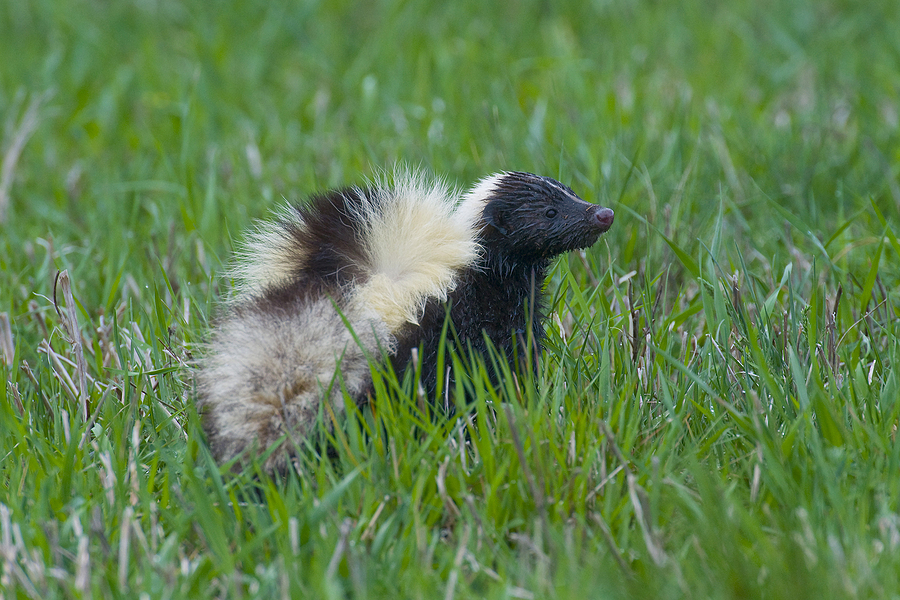
Why Skunks Dig in Your Yard
Skunks aren’t digging to spite you—they’re following their stomachs. Most lawn damage comes down to one thing: food. When you remove the reason skunks visit, you remove the problem.
Insect Infestations: A Skunk’s Favorite Snacks
Skunks are opportunistic eaters with a strong appetite for insects. Beetles, crickets, and other ground-dwelling bugs make easy targets. If your lawn is home to a thriving insect population, you’ve essentially set out a buffet.
Grubs and Lawn Damage
Grubs—the larvae of beetles like Japanese beetles—are a skunk’s top prize. Skunks press their noses to the soil and use their long front claws to dig, leaving behind small, 3- to 4-inch cone-shaped holes. According to Mary Holland of Naturally Curious, these holes often appear after heavy rain, when grubs move closer to the surface. A single skunk can dig dozens of holes in one night.
It’s worth noting that digging doesn’t always mean grubs. Skunks, raccoons, and moles also hunt earthworms, so a grub problem isn’t guaranteed.
Shelter and Denning
Food isn’t the only draw. Skunks also dig to create dens, especially under decks, sheds, porches, and other low structures. These spots offer warmth and protection, particularly during colder months and breeding season. A skunk den hole is usually round or slightly cone-shaped, with an opening about 4 to 8 inches wide.
How to Deter Skunks from Your Yard
There’s no single magic fix for a skunk problem. The most effective approach combines several tactics: removing food, applying repellents, building barriers, and making your property less inviting overall.
Eliminate Food Sources First
Cutting off the food supply is your strongest first move. Since grubs are the main attraction, treating your lawn is key.
- Beneficial nematodes: These microscopic organisms target grubs naturally and are considered a safe alternative to chemical insecticides. Apply them to your lawn to reduce the grub population over time.
- Milky spore: This natural product specifically targets Japanese beetle grubs and can help control them over the long term.
- Grub control products: Commercial treatments, including those containing imidacloprid, can reduce grub numbers when applied at the right time of year.
Beyond grub control, secure your garbage cans, remove fallen fruit, and never leave pet food outdoors overnight.
Repellents: Natural and Commercial Options
Once food sources are under control, repellents add another layer of defense by making your yard unpleasant for skunks.
Homemade Repellents
A few DIY wildlife repellents can discourage skunks without harsh chemicals:
- Cayenne pepper spray: Mix cayenne pepper or chili powder with water and a few drops of dish soap, then spray it around your property. You can also sprinkle cayenne directly on the lawn.
- Castor oil mix: Combine 1 cup of castor oil with 1 cup of liquid dish soap, then mix into a gallon of water. Spray this solution around affected areas.
- Pepper and onion blend: Simmer a chopped onion, a jalapeño, and a tablespoon of cayenne pepper in water to create a potent spray.
Reapply these mixtures after rain, as moisture washes them away quickly.
Commercial Repellents
When homemade options fall short, store-bought solutions offer more staying power. Predator urine—such as that of foxes or coyotes—can be sprayed around the edge of your yard to convince skunks a threat is nearby. Many ready-made castor oil-based granules and sprays are also available and designed for longer-lasting coverage.
Fencing and Barriers
Physical barriers stop skunks from reaching the soil and the spaces they want to den in.
Dig-Proof Fencing
Skunks are diggers, so a standard fence won’t cut it. Bury fencing or hardware cloth at least a foot deep, bending the bottom outward in an “L” shape. This buried lip blocks skunks from tunneling underneath.
Mesh and Netting for Garden Beds
To protect vegetable patches and flower beds, lay mesh or netting over the soil. This makes digging difficult and shields your plants without harming the animals.
Habitat Modification: Make Your Yard Less Appealing
The fewer hiding spots and entry points your property offers, the less likely skunks are to stay.
Clear Debris and Clutter
Skunks love cover. Remove woodpiles, brush piles, tall grass, and other clutter that provides shelter. A tidy, open yard is far less attractive to a denning skunk.
Seal Off Access Points
Inspect the base of decks, sheds, porches, and crawl spaces for gaps. Seal these openings with hardware cloth or sturdy mesh to block skunks from moving in. Just be sure no animals are already living underneath before you close things up.
When to Call a Professional
DIY methods work for many homeowners, but some skunk problems call for expert help. If skunks keep returning despite your efforts, have already denned under your home, or you’re worried about a defensive spray, it’s time to bring in a professional skunk trapper.
Trained wildlife specialists can safely remove skunks, identify and seal entry points, and recommend long-term prevention tailored to your property. This is especially important if young skunks are involved or if the animals are nesting in hard-to-reach spaces.
Frequently Asked Questions
Are skunks dangerous to pets?
Skunks generally avoid confrontation, but a startled skunk may spray your pet—or, in rare cases, bite. Skunks can also carry rabies, so keep pets vaccinated and supervise them outdoors, especially at night when skunks are active.
Can skunks cause structural damage to my home?
Yes. Skunks that den under decks, porches, or sheds can disturb soil, damage insulation, and weaken foundations over time. Their burrowing near structures is best addressed early before it worsens.
What time of day are skunks most active?
Skunks are nocturnal, meaning they do most of their foraging and digging at night. This is why you’ll often spot fresh holes in the morning without ever seeing the animal responsible.
Reclaim Your Yard for Good
A skunk-free yard comes down to a simple formula: remove the food, add deterrents, block access, and clean up the spaces skunks love. Combine these strategies and stay consistent, and you’ll make your property far less inviting to digging skunks.
If skunks have overstayed their welcome, don’t tackle the problem alone. Our team provides professional skunk removal and control in Richmond, Virginia, and surrounding townships. Request a free estimate today and take the first step toward a yard you can enjoy again.
Related Posts:
Nuisance Skunks: What Is the Deal with Skunk Spray?
What’s Digging in Your Yard? A Guide to Animal Burrows
How to Keep Skunks Away from Your Property