Raccoons in Your Attic? A Guide for Mechanicsville Homeowners

Hearing heavy thumping above your ceiling during the night can be incredibly unsettling. For homeowners in Mechanicsville, Virginia, those alarming sounds often point to a specific, masked intruder: the raccoon. These clever animals are highly adaptable and frequently seek out warm, dry spaces to build their nests.

Unfortunately, an attic provides the perfect shelter for a raccoon family. Raccoons breed during January and February, with females typically giving birth to litters in April or May. As a result, springtime often brings a surge of nesting activity to local neighborhoods. While raccoons are a natural part of the local ecosystem, having them live inside your house is a serious safety concern.

A raccoon infestation introduces significant health risks and can cause severe structural damage to your property. From torn insulation to chewed electrical wires, the destruction they leave behind requires immediate attention. This comprehensive guide will walk you through the signs of an infestation, safe removal strategies, and essential prevention tips to protect your Mechanicsville home.

Get Rid of Raccoons in the Attic in  Mechanicsville VA
Get Rid of Raccoons in the Attic in Mechanicsville VA

Identifying a Raccoon Problem in Your Attic

Detecting a wildlife issue early can save you from extensive property repairs. Because raccoons are primarily nocturnal, you will likely notice the signs of their presence long before you ever see the animal itself.

Common Signs of Raccoons

Raccoons leave distinct clues when they move into a residential space. You might find damaged soffits, torn roof shingles, or bent attic vents. These animals have nimble front paws and possess enough strength to rip through structural materials to create an entry point.

Sounds Raccoons Make

Unlike mice or squirrels, which produce light scratching or scurrying sounds, raccoons are heavy animals. A fully grown raccoon can weigh up to 20 pounds. If you have a raccoon in your attic, you will typically hear heavy thumping, pacing, or dragging noises. During the spring, you may also hear a distinct chattering, crying, or whimpering sound, which indicates the presence of baby raccoons in a nest.

Visual Evidence: Droppings and Damage

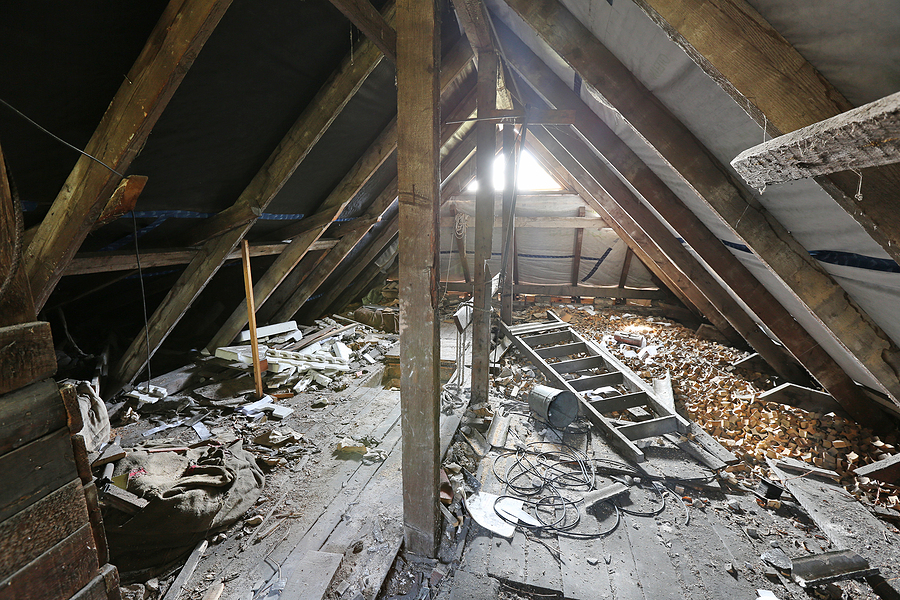
Raccoons tend to designate specific areas for their waste, known as latrines. Finding large, dark droppings in a concentrated area of your attic or roof is a major red flag. Additionally, you may spot shredded ductwork, flattened insulation, or chewed wood beams.

Safe and Effective Raccoon Removal Strategies

When dealing with large nuisance wildlife, attempting a DIY approach is both dangerous and legally complicated. The safest path forward is to rely on trained experts.

The Importance of Professional Removal

Raccoons can be aggressive if they feel cornered, especially a mother protecting her young. A Mechanicsville wildlife control company has the proper training, protective gear, and equipment to handle these animals safely. They know how to locate the nest, retrieve the babies without harm, and humanely capture the adult raccoons.

What to Expect from a Wildlife Removal Service

A reputable wildlife removal company will begin with a thorough inspection of your home to identify all entry points and assess the scope of the damage. They will then implement a customized trapping and exclusion plan. Once the animals are safely removed, the technicians will permanently seal the entry points to ensure no other wildlife can exploit the same vulnerabilities.

Why DIY Trapping is Risky

We strongly discourage DIY raccoon trapping. All live trapping should be carried out by a licensed wildlife removal service. In the state of Virginia, it is actually illegal for residents to trap and relocate a raccoon to another area. Mishandling a trap can result in serious injury, exposure to diseases like rabies, or the accidental orphaning of baby raccoons hidden deep within your insulation.

Preventing Raccoon Re-entry

Removing the animals is only the first step. To achieve lasting peace of mind, you must secure the exterior of your home.

  • Sealing Entry Points: Your roof is the primary target for a raccoon seeking shelter. Conduct regular inspections of your roofline, focusing on vulnerable areas.
  • Inspecting Your Roof and Vents: Check your chimney, eaves, soffits, and roof vents for signs of tampering. Raccoons can easily pry off standard vent covers.
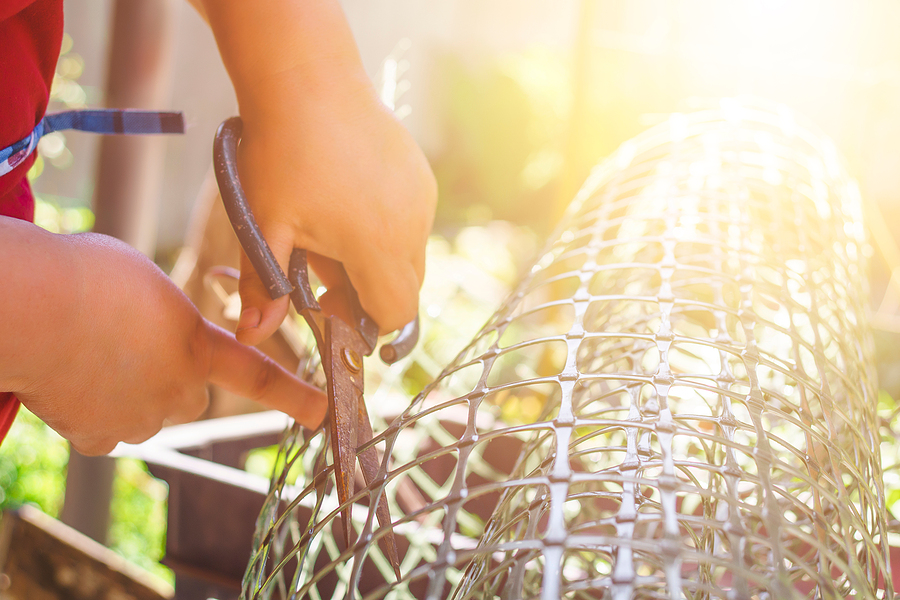
  • Repairing Damaged Areas: Replace any rotted wood around the roofline and reinforce vulnerable vents with heavy-duty, galvanized steel mesh. Ensure your chimney has a secure, wildlife-proof cap installed.
  • Deterrents and Exclusion Methods: Exclusion devices, such as one-way doors, can sometimes be used during the removal process to allow raccoons to exit without letting them back in. Once the property is clear, installing physical barriers like metal flashing over potential entry zones makes it incredibly difficult for raccoons to chew or claw their way inside.
  • Trimming Trees and Securing Trash: Raccoons are excellent climbers. Tree branches hanging over your roof act as a natural bridge for wildlife. Trim back any branches at least six to eight feet away from your roofline. Furthermore, eliminate exterior food sources by securing your garbage cans with tight-fitting lids and bringing pet food indoors at night.

Attic Cleanup and Restoration After Raccoons

Once the raccoons are gone, the space they occupied requires intense remediation. An attic cleanup is necessary to restore the safety and energy efficiency of your home.

Health Risks of Raccoon Waste

Raccoon droppings pose a severe hazard to human health. Raccoons are the primary host for Baylisascaris procyonis, a dangerous roundworm. The eggs of this parasite are shed in the raccoon’s feces. If humans or pets accidentally ingest these microscopic eggs via contaminated dust or soil, it can cause severe neurological illness or even fatal larva migrans disease.

Professional Cleanup Services

Because of the risk of roundworm and other pathogens, cleaning a raccoon latrine requires specialized protective equipment and commercial-grade disinfectants. Professional animal damage cleanup services will safely remove the contaminated waste, sanitize the affected area, and treat the space to eliminate lingering odors that might attract other wildlife.

Repairing Damage and Insulating

Raccoons destroy insulation by tearing it apart to build nests and flattening it as they walk across your ceiling. This significantly reduces your home’s ability to retain heat and cool air. After the space is sanitized, technicians will replace the soiled insulation. They will also inspect your electrical wiring, as raccoons frequently chew on cords, creating a hidden fire hazard.

Raccoon Control Regulations in Virginia

Managing a wildlife conflict requires strict adherence to local statutes designed to protect both residents and the local ecosystem.

Local Wildlife Laws

The Virginia Department of Wildlife Resources (DWR) strictly regulates how nuisance wildlife can be handled. As mentioned earlier, homeowners are prohibited from trapping a raccoon and releasing it into a local park or forest. This law exists to prevent the spread of diseases, particularly rabies, across different animal populations.

Importance of Licensed Professionals

A licensed raccoon removal service are deeply familiar with state regulations. By hiring a professional, you guarantee that the animals are handled ethically and legally, protecting you from potential fines while ensuring the humane treatment of the wildlife.

FAQ: Your Raccoon Removal Questions Answered

How do I know if the raccoon in my attic has babies?

Because raccoons in Virginia give birth in April and May, a raccoon in your attic during the spring is highly likely to be a mother with a litter. You may hear high-pitched chattering or crying sounds resembling small birds.

Does homeowners insurance cover raccoon damage?

Many homeowners insurance policies cover the damage caused by raccoons, such as torn insulation or chewed wiring, but they rarely cover the cost of the actual animal removal. You will need to check your specific policy details with your provider.

Can I just use repellents to scare the raccoons away?

Store-bought repellents, strobe lights, and ultrasonic sound devices are generally ineffective for long-term wildlife control. A determined mother raccoon will tolerate these minor annoyances to keep her babies safe. Physical removal and exclusion are the only guaranteed solutions.

Protecting Your Mechanicsville Home

A raccoon infestation is an overwhelming problem, but it is entirely solvable with the right approach. By acting quickly at the first sign of trouble and relying on qualified experts, you can safely resolve the conflict. Prioritizing proper exclusion techniques and professional sanitation will restore your attic and keep your property secure for years to come.

Get professional raccoon removal and attic cleanup in Mechanicsville, Virginia. Schedule service with Virginia Wildlife Pros, today.

Call Now

Related Post: Is Your Attic Hosting Unwanted Guests? Signs You Need Wildlife Proofing and Repair

Habitat Modification Strategies for Better Wildlife Control

Finding a wild animal inside your home or destroying your garden is a frustrating experience. Homeowners often react by looking for immediate removal methods, such as traps or toxic baits. While these tactics might address the animal currently causing problems, they rarely solve the underlying issue.

Animals are drawn to specific environments because those spaces provide the essentials for survival. If you have an abundance of food, water, or shelter, wildlife will inevitably find their way to your property. Removing one animal simply opens up prime real estate for another to move in.

A highly effective approach is making your property less attractive to these animals in the first place. By altering the environment, you can encourage pests to move along naturally. This method provides a sustainable, humane way to protect your home and yard.

In this guide, we will explore the core concepts of habitat modification. You will learn practical steps to deter common pests and discover why environmental changes yield the best long-term results for your property.

Habitat Modification Wildlife Control

What is Wildlife Habitat Modification?

Habitat modification involves deliberately changing the environment to limit an animal’s access to food, water, and shelter. When any of these vital resources become scarce, the area is no longer capable of supporting the animal population. The wildlife will naturally relocate to more hospitable environments.

Traditional methods often fall short because they are entirely reactive. Setting a trap catches a single nuisance pest but leaves the attractive environment completely intact. Toxins and baits can be hazardous to domestic pets and non-target species, and the animals may eventually learn to avoid them.

Taking a proactive approach prevents the damage before it happens. Modifying the habitat addresses the root cause of the infestation. It is a cost-effective, humane strategy that works with the biology and habits of the animals to achieve lasting relief.

Key Strategies for Habitat Modification

Exclusion Techniques: Building Barriers

Physically blocking an animal from entering a space is a highly permanent control method. Fencing solutions vary based on the target species. Large mammals like deer require tall woven wire fences, electric fences, or poly-tape barriers.

Sealing entry points around your home is equally critical for smaller pests. Inspect your foundation, siding, and roof for vulnerabilities. Use caulk or expanding foam for small crevices. For larger openings, install durable materials like hardware cloth or steel mesh over vents, window wells, and chimneys.

Netting is another affordable exclusion tool. Draping specialized nets over ornamental shrubs, berry bushes, and garden beds easily deters birds and rabbits from destroying your plants.

Food Source Management: Cutting Off the Buffet

Wildlife will quickly abandon an area if they cannot find a reliable meal. Securing your garbage and compost is a mandatory first step. Use heavy-duty trash cans with tight-fitting, locking lids, and avoid putting garbage on the curb until the morning of collection.

Manage your garden and fruit trees carefully. Pick up fallen fruit promptly and harvest vegetables as soon as they ripen. Avoid placing meat scraps or dairy in outdoor compost piles.

Pet food and bird feeders are major attractants for rodents and scavengers. Feed pets indoors whenever possible. If you must use bird feeders, regularly clean up the spilled seed on the ground, as this acts as a magnet for mice and squirrels.

Water Source Reduction: Drying Up Attraction

All animals need water, and a readily available source will keep them coming back. Eliminating standing water around your yard severely limits its appeal. Empty old tires, buckets, and planters that collect rainwater.

Maintain your gutters and drainage systems. Clogged gutters hold water, providing a drinking source for roof-dwelling pests like squirrels and raccoons. Ensure downspouts direct water away from the foundation so puddles do not form.

If you have a pond or water feature, consider steep sides or rocky edges to make the water harder for small mammals to access.

Shelter Removal and Alteration: Making Homes Less Inviting

Wild animals seek safe, hidden places to rest and raise their young. Clearing brush piles, tall weeds, and accumulated yard debris removes ground-level hiding spots.

Trim overgrown vegetation, especially tree branches extending near your roof. Keep all branches pruned at least six feet away from the exterior of your home. This simple step eliminates a natural bridge that animals use to access your attic.

Modify outbuildings, decks, and sheds by installing wire mesh trench barriers around their perimeters. This prevents skunks and groundhogs from burrowing underneath. Store firewood and building supplies on elevated racks to prevent rodents from nesting inside the piles.

Common Wildlife and Tailored Modifications

Different species require different strategies. Tailoring your approach ensures maximum effectiveness:

  • Raccoons: These intelligent scavengers are drawn to trash and safe denning sites like chimneys and attics. Secure garbage bins with bungee cords. Cover vulnerable attic vents and chimneys with heavy-duty, 16-gauge 1-by-1-inch steel mesh, as standard bug screens will not stop them.
  • Squirrels: Squirrels easily access attics through deteriorated fascia boards or overlapping tree branches. Trim trees back and seal roof holes with solid aluminum flashing, which they cannot chew through. Install cone guards on squirrel-proof bird feeder poles to block their access to seeds.
  • Deer: Protect garden plots and young trees with tall fences. Dogs contained within an invisible-fence system are also excellent deterrents, keeping deer away from landscape plantings and orchards.
  • Rodents: Mice and rats exploit tiny structural flaws. Use durable crevice sealers like mortar or expanding foam paired with copper mesh to fill foundation cracks. Vigilantly clean up spilled bird seed and secure dry goods in hard plastic containers.

The Long-Term Benefits of Habitat Modification

Committing to environmental adjustments offers remarkable long-term benefits. First, it is widely recognized as the most sustainable and humane wildlife control method available. It encourages animals to move on without the use of lethal force or stressful animal trapping.

It is also highly cost-effective over time. While installing a fence or capping a chimney requires an initial investment, it prevents repeated property damage and recurring pest removal fees.

Finally, reducing wildlife traffic on your property significantly lowers the risk of structural damage and zoonotic diseases. You will spend less time worrying about chewed wires, soiled insulation, and the health risks associated with animal droppings.

Frequently Asked Questions

Is habitat modification humane?

Yes. It is considered one of the most humane wildlife control strategies available. By removing the resources animals need, you encourage them to relocate naturally without causing them physical harm or distress.

How quickly can I see results?

Results vary depending on the specific modification. Securing a trash can might yield overnight results against raccoons. Altering landscaping or sealing entry points usually forces populations to relocate within a few days to a couple of weeks as they realize the habitat can no longer sustain them.

Can I do habitat modification myself?

Many habitat modifications are perfect weekend DIY projects. Trimming branches, cleaning up brush, securing trash, and caulking small foundation cracks are easily handled by homeowners. However, high-roof repairs, complex fencing, and handling animals already living inside a structure often require professional assistance.

Secure Your Property for the Long Haul

Dealing with nuisance wildlife requires a thoughtful, strategic approach. By managing food, water, shelter, and access points, you can reclaim your property and live in harmony with the local ecosystem. Sometimes, however, a wildlife issue requires an expert eye to identify hidden entry points and safely exclude stubborn animals.

If you are dealing with persistent pests, we are here to help. For professional wildlife control service in Richmond, Virginia, request a free quote today!

Call Now

Related Post: Virginia Wildlife Control: A Homeowner’s Guide