Snake Safety in Virginia: How to Handle Wild Encounters

Virginia’s diverse ecosystems provide ideal habitats for numerous snake species, making encounters with these reptiles a common occurrence for residents and outdoor enthusiasts. While most snakes pose no threat to humans, understanding how to safely navigate these encounters is essential for protecting yourself and your family.

Snake encounters don’t have to be dangerous situations. With proper knowledge about local species, preventive measures, and appropriate response techniques, you can significantly reduce risks while coexisting peacefully with Virginia’s native wildlife. This comprehensive guide will equip you with the essential information needed to handle snake encounters safely and confidently.

About 300-400 snake bites occur annually in Virginia, with most being non-venomous. However, even non-venomous bites can lead to infections and complications if not properly treated. By learning to identify common species and implementing proven safety strategies, you’ll be better prepared for any wildlife encounter on your property or in Virginia’s natural areas.
Call 804-292-0156 for Professional Snake Removal Service in Richmond Virginia

Identifying Common Virginia Snake Species

A Venomous Species: The Copperhead

Virginia hosts only three venomous snake species, with the copperhead being the most commonly encountered. Copperheads display distinctive hourglass-shaped crossbands across their copper-colored bodies, which help distinguish them from harmless species. These snakes prefer wooded areas, rocky outcrops, and suburban environments where they hunt for small mammals and insects.

Recognizing a copperhead from a safe distance requires attention to specific physical characteristics. Their thick, muscular bodies, triangular heads, and heat-sensing pits between their eyes and nostrils are key identifying features. Copperhead snakes typically measure 2-3 feet in length and exhibit relatively docile behavior, often relying on camouflage rather than aggressive defense.

Non-Venomous Species You’ll Encounter

The black rat snake ranks among Virginia’s largest native species, often reaching lengths of 6 feet or more. These excellent climbers display shiny black scales with white markings between the scales, creating a distinctive checkerboard pattern on their bellies. Black rat snakes provide valuable pest control services by consuming rodents, making them beneficial neighbors despite their intimidating size.

Northern water snakes frequent Virginia’s waterways, where they hunt for fish, frogs, and aquatic invertebrates. Their brown or gray coloration with dark crossbands often leads to misidentification as venomous species. However, these snakes possess round pupils and lack the heat-sensing pits characteristic of venomous species.

The eastern racer displays solid blue-black or brown coloration as adults, though juveniles show distinct blotched patterns. These fast-moving snakes prefer open areas and forest edges, where their speed helps them capture prey and escape predators.

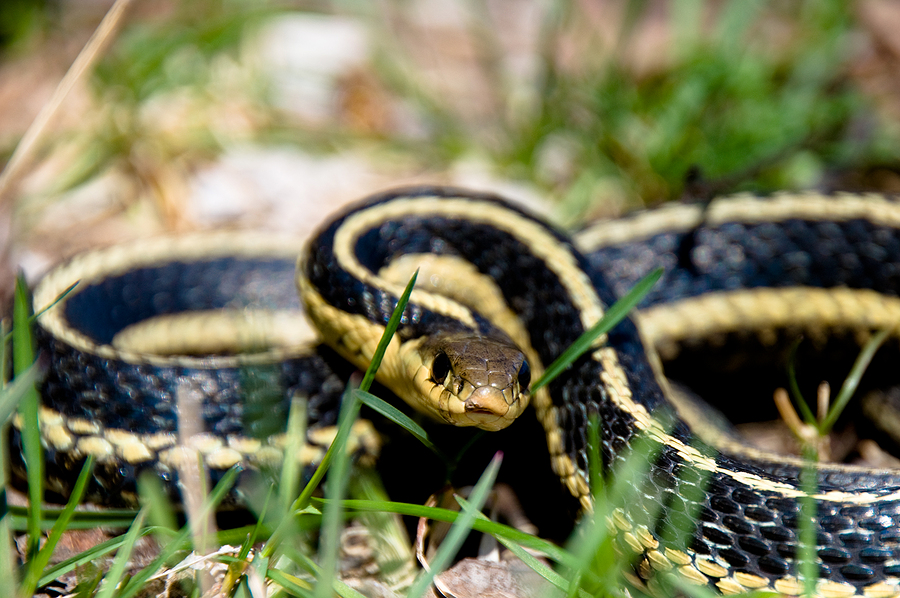
Eastern garter snakes represent Virginia’s most commonly observed species, displaying three distinct yellow stripes running lengthwise along their dark-colored bodies. These small, harmless snakes adapt well to various habitats and often appear in suburban gardens and parks.

Understanding Snake Behavior and Habitat Preferences

Snakes exhibit predictable behavioral patterns that can help you anticipate and avoid encounters. Most Virginia species remain active during warmer months, typically from April through October, with peak activity occurring during spring and fall when temperatures moderate. During hot summer days, snakes seek shade under rocks, logs, or structures, becoming more active during cooler morning and evening hours.

Understanding habitat preferences allows property owners to identify potential encounter locations. Snakes gravitate toward areas offering shelter, food sources, and appropriate temperatures. Rock piles, brush heaps, tall grass, water features, and structures with gaps or crawl spaces create attractive snake habitats.

Seasonal movement patterns also influence encounter likelihood. Spring brings increased snake activity as they emerge from winter dormancy to mate and establish territories. Fall activity spikes as snakes prepare for hibernation, often moving longer distances to reach suitable overwintering sites.

Richmond residents frequently encounter snakes in suburban areas where natural habitats intersect with residential developments. Parks, wooded neighborhoods, and properties adjacent to water sources experience higher encounter rates due to diverse wildlife populations and abundant shelter options.

Effective Prevention Strategies for Nuisance Snakes

Studies show preventive measures can reduce snake encounters by up to 70% around residential properties. Implementing comprehensive habitat modification represents the most effective long-term solution for minimizing unwanted encounters.

Property Maintenance and Habitat Modification

Remove potential shelter sites by clearing brush piles, trimming overgrown vegetation, and eliminating debris accumulations. Keep grass cut short and remove fallen logs or rock piles near your home’s foundation. Seal gaps under porches, sheds, and other structures where snakes might seek shelter.

Address food sources that attract snakes by controlling rodent populations through proper sanitation and exclusion techniques. Store pet food in sealed containers, eliminate bird feeder spillage, and maintain clean outdoor areas that don’t support prey animals.

Water management plays a crucial role in snake deterrent strategies. Fix leaky faucets, improve drainage around foundations, and remove standing water that attracts both snakes and their prey. Consider relocating water features away from high-traffic areas if snake encounters become problematic.

Physical Barriers and Deterrents

Install snake-proof fencing around vulnerable areas using quarter-inch mesh hardware cloth buried 6 inches deep and extending 30 inches above ground. Angle the top portion outward to prevent climbing species from entering protected areas.

Commercial snake repellents show limited effectiveness, but maintaining clean, well-maintained landscapes often provides better results than chemical deterrents. Focus on eliminating attractive habitat features rather than relying on repellent products with questionable efficacy.

Schedule a Free Snake Removal Inspection ✨🐍

Safe Response During Snake Encounters

Never approach or attempt to handle any snake, regardless of species identification confidence. Maintain a minimum distance of 6 feet from any snake encountered, allowing the animal ample space to retreat safely. Most snake encounters end peacefully when humans avoid aggressive actions or sudden movements.

If you discover a snake in your immediate vicinity, remain calm and slowly back away while keeping the animal in sight. Avoid cornering the snake or blocking potential escape routes. Most species will retreat when given adequate space and time to assess their surroundings.

Protect pets during outdoor activities by keeping dogs on leashes and cats indoors, especially during peak snake activity periods. Train pets to respond to recall commands, which can prevent dangerous interactions with wildlife.

Snake Bite First Aid and Medical Treatment

Despite preventive measures, snake bites occasionally occur and require immediate medical attention. Even bites from non-venomous species can cause serious infections, allergic reactions, or other complications requiring professional treatment.

Immediate First Aid Steps

Remove jewelry and tight clothing from the affected area before swelling begins. Keep the bitten extremity at or below heart level to minimize venom circulation. Clean the wound gently with soap and water if available, but avoid excessive manipulation.

Apply a loose bandage above the bite site, ensuring you can slip a finger underneath. This compression should impede lymphatic flow without cutting off blood circulation. Mark the leading edge of any swelling with a pen and note the time to help medical professionals track venom progression. Then contact a medical professional as soon as possible to have the wound inspected and treated.

What to Avoid

Never attempt to capture or kill the biting snake, as this risks additional bites and delays medical treatment. Avoid applying ice, tourniquets, or attempting to cut the wound or extract venom. These outdated techniques can cause additional tissue damage and complications.

Don’t consume alcohol or caffeine, which can affect blood circulation and interfere with medical treatment. Remain as calm as possible and focus on reaching appropriate medical care quickly.

Professional Medical Care

Seek immediate emergency medical attention for any snake bite, regardless of species identification. Call 911 or proceed directly to the nearest emergency room equipped to handle venomous snake bites. Virginia hospitals maintain protocols for treating both venomous and non-venomous snake bite cases.

Provide medical professionals with detailed information about the encounter, including the snake’s appearance, size, and behavior. This information helps guide appropriate treatment decisions and monitoring protocols.

Professional Wildlife Control Solutions

Persistent snake problems around residential or commercial properties often require professional wildlife control services. Licensed wildlife control operators possess the expertise, equipment, and legal authority to safely remove and relocate problem snakes while addressing underlying attractant issues.

When to Contact Professionals

Consider professional snake removal services when encounters become frequent, when venomous species appear on your property, or when DIY prevention measures prove inadequate. Professional services become essential if snakes establish residence in inaccessible areas like wall voids or under foundations.

Commercial properties, schools, and public spaces benefit from professional wildlife management programs that address snake concerns while maintaining safe environments for employees, students, and visitors.

Choosing Qualified Services

Select wildlife control operators with appropriate state licensing, insurance coverage, and experience handling Virginia snake species. Reputable services provide humane removal techniques, habitat modification recommendations, and follow-up monitoring to prevent future problems.

Professional wildlife removal services often include comprehensive property assessments identifying potential problem areas and recommending specific improvements to reduce future encounter risks.

Frequently Asked Questions

How can I tell if a snake is venomous from a distance?

Virginia’s venomous species display triangular heads, thick bodies, and vertical pupils, though these features can be difficult to distinguish from safe distances. The safest approach involves treating all unknown snakes as potentially dangerous and maintaining appropriate distances rather than attempting field identification.

What natural remedies deter snakes from entering my garden?

While various home remedies claim to repel snakes, scientific evidence supporting their effectiveness remains limited. Focus on habitat modification techniques like removing shelter sites, controlling rodent populations, and maintaining clean landscapes rather than relying on natural deterrents with questionable results.

How often should I inspect my property for potential snake habitats?

Conduct thorough property inspections seasonally, paying special attention to spring and fall when snake activity peaks. Monthly walk-throughs during active seasons help identify new habitat features before they become established problem areas.

What should I do if my pet is bitten by a snake?

Seek immediate veterinary attention for any pet snake bite, as animals can experience severe reactions even from non-venomous species. Keep your pet calm and limit movement while transporting to emergency veterinary care. Don’t attempt to treat pet snake bites with human first aid techniques.

Conclusion

Understanding Virginia’s snake species and implementing proven safety strategies significantly reduces encounter risks while supporting wildlife conservation efforts. Remember that snakes play valuable ecological roles in controlling rodent populations and maintaining balanced ecosystems.

Effective snake safety combines education, prevention, and appropriate professional support when needed. By maintaining well-managed properties, responding calmly to encounters, and seeking professional help when appropriate, you can coexist safely with Virginia’s native snake populations.

If you’re experiencing persistent snake problems or need expert assistance with wildlife management, contact our professional snake removal services today. Our experienced team provides safe, humane solutions tailored to your specific situation and property needs.

Call Now to Book Service

Related Post: An Overview of Snake Species in Virginia
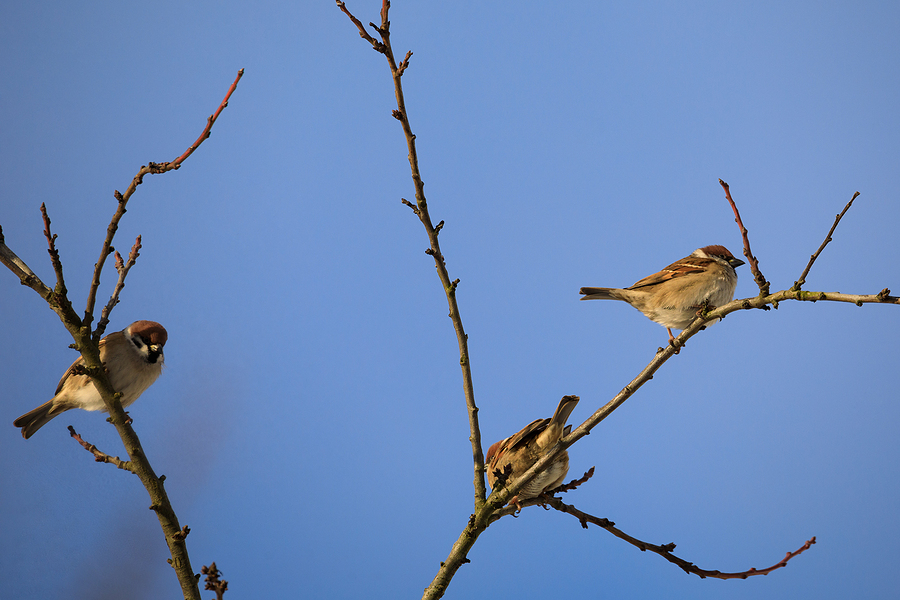
Winter Bird Control in Virginia: A Homeowner’s Guide

As winter settles over Virginia, the sight of birds can be a welcome splash of life against a grey backdrop. However, for many homeowners and property managers in areas like Richmond, this season brings an unwelcome increase in nuisance birds seeking food and shelter. The problems they create, from property damage to health risks, are more than just a minor annoyance. Understanding why these birds become pests and how to manage them is key to protecting your property this winter.

This guide will walk you through the reasons behind winter bird problems and introduce you to the common culprits in Virginia. More importantly, it provides actionable steps for effective bird pest control and explains when it’s time to call in a professional wildlife control service. By the end, you’ll have the knowledge you need to keep your home or business bird-free.

Call 804-292-0156 for Professional Bird Control in Richmond

Why Birds Become a Nuisance in Winter

Seasonal changes directly impact bird behavior. As the temperature drops and natural food sources become scarce, birds are driven to find new, reliable sources of food and warm, sheltered places to roost. This search often leads them straight to our homes and businesses.

Food Scarcity

Snow and frozen ground cover up seeds, insects, and berries, forcing birds to look for alternatives. Unsecured trash cans, pet food left outdoors, and even poorly maintained bird feeders can become a primary food source, attracting large flocks.

Search for Shelter

Cold weather and harsh winds prompt birds to seek protection. They find refuge in attics, vents, chimneys, and under eaves. These cozy spots protect them from the elements but can lead to significant structural damage and fire hazards for property owners.

Migration Patterns

Virginia is part of a major migratory path. During winter, the state can see a sudden influx of bird populations looking for temporary or permanent wintering grounds, increasing the likelihood of an infestation on your property.

Common Nuisance Birds in Virginia

While many bird species are harmless, a few are particularly problematic for homeowners in Richmond and the surrounding areas. Identifying these common nuisance birds is the first step in effective bird control.

Starlings

Starlings are an invasive species known for gathering in large, noisy flocks. Their droppings are acidic and can corrode building materials, paint, and metal. They often build nests in attics and vents, creating fire risks and spreading mites.

Pigeons

Often called “rats with wings,” nuisance pigeons are a common sight in urban and suburban areas. They are not shy around humans and will roost on ledges, roofs, and balconies. Their nests can block gutters and drainage systems, while their droppings carry diseases and create slippery, hazardous surfaces.

House Sparrows

Like starlings, House Sparrows are an invasive species that aggressively competes with native birds. They are small but build large, messy nests in small openings like dryer vents, soffits, and commercial signage. Their nesting material is highly flammable and can pose a serious fire risk.

Request a Bird Control Inspection Today!

How to Prevent Winter Bird Problems

Proactive prevention is the most effective strategy for winter bird control. Taking steps to make your property less attractive to nuisance birds can save you from costly repairs and health hazards down the line.

Secure Food Sources

The first rule of bird pest control is to eliminate easy access to food.

  • Keep trash cans tightly sealed.
  • Do not leave pet food or water bowls outside.
  • If you have bird feeders for desirable species, use designs that deter larger birds like pigeons and starlings. Clean up spilled seed regularly to avoid attracting pests.

Block Access to Shelter

Inspect your property for any openings birds could use to get inside.

  • Seal cracks and holes in your siding, foundation, and roofline.
  • Install bird-proof caps on chimneys and cover vents with sturdy mesh.
  • For persistent roosting on ledges or beams, consider installing bird spikes. These devices create an uneven surface that prevents birds from landing without harming them.

Use Bird Deterrents

Several humane bird deterrents can help keep nuisance birds away from your property.

  • Bird Netting: This is one of the most effective methods for excluding birds from specific areas like balconies, gardens, or open-air structures. When installed correctly, it creates a physical barrier that birds cannot penetrate.
  • Ultrasonic Repellers: These devices emit high-frequency sounds that are unsettling to birds but generally inaudible to humans. The effectiveness of these tools can vary depending on the species and the environment, but they can be a useful part of a broader bird repellent strategy.
  • Visual Deterrents: Reflective tape, scare-eye balloons, and predator decoys (like owls or hawks) can frighten birds away. For best results, move these deterrents periodically so birds don’t become accustomed to them.

Maintain a Clean Property

Regular cleaning is a simple yet powerful bird repellent. Remove nesting materials as soon as you find them and clean up bird droppings promptly. Droppings contain pheromones that attract other birds, so keeping surfaces clean helps break the cycle of infestation.

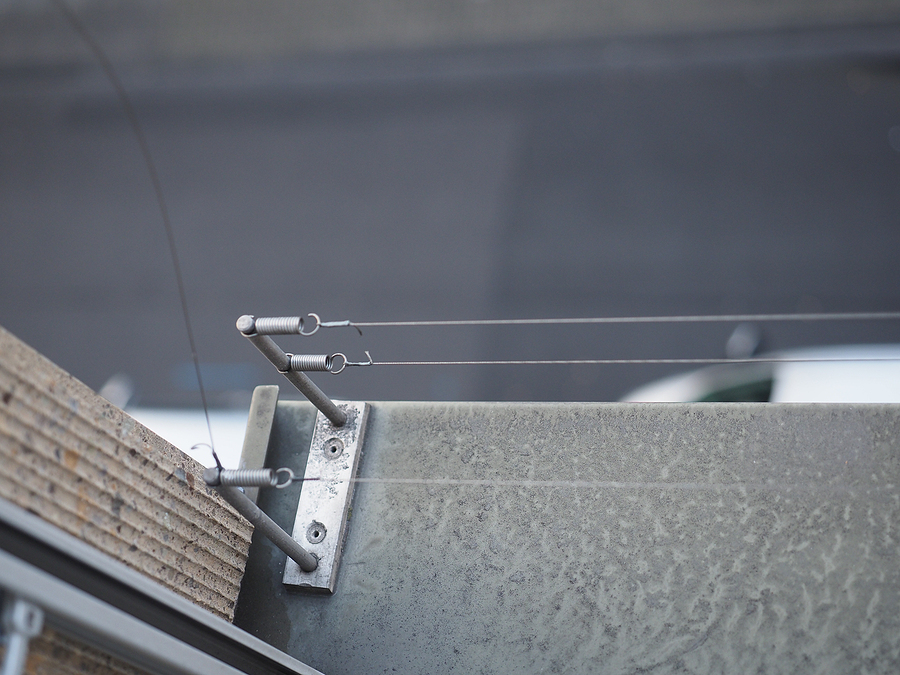
Call 804-292-0156 for Professional Bird Wire Installation in RIchmond Virginia

Understanding Legal Considerations in Virginia

When dealing with nuisance birds, it’s crucial to act within the law. Many bird species are protected under federal and state regulations. The Virginia Migratory Bird Act protects most native bird species, making it illegal to harm, capture, or disturb them or their nests without a permit.

However, invasive species like starlings, pigeons, and House Sparrows are generally not protected and can be controlled more freely. It’s also important to check local ordinances in Richmond or your specific city, as there may be rules regarding bird feeding or the use of certain deterrents.

Always prioritize humane treatment. The goal is to deter and exclude birds, not to harm them. A professional wildlife control service will be well-versed in these laws and can ensure all bird nest removal and control methods are compliant.

When to Call for Professional Help

While DIY methods can be effective for minor issues, some situations require professional expertise. If you’re facing a large infestation, if birds have gotten inside your home, or if you’re unsure how to handle the problem safely and legally, it’s time to call a wildlife control service.

Professionals have the tools, experience, and knowledge to:

  • Safely remove birds and nests from inaccessible areas like attics and vents.
  • Identify and seal all potential entry points to prevent future infestations.
  • Implement large-scale deterrent solutions like commercial-grade bird netting.
  • Ensure all actions comply with state and federal wildlife laws.

Key Takeaways

Don’t let nuisance birds take over your Virginia home this winter. By understanding their behavior and taking proactive steps to make your property less inviting, you can avoid the damage and health risks they pose. Secure food sources, block entry points, and use humane deterrents to get rid of birds effectively.

For persistent or large-scale bird problems, professional help is your best option. A dedicated wildlife control service can provide a lasting solution that is both effective and humane.

If you’re struggling with nuisance birds in the Richmond area, contact us today for expert bird control and nest removal services. We specialize in expert bird control solutions and safe nest removal services to help protect your property. Whether it’s pigeons, starlings, or other troublesome birds, our team is here to provide effective and reliable assistance tailored to your needs. Contact us today to take the first step toward a bird-free environment.

Place Your Call Now

Related Post: Dealing with Urban Bird Infestations: Tips and Solutions

Get Rid of Rats Permanently: A Guide to Home Pest Control

Discovering rats in your home can be both alarming and frustrating. These unwelcome guests don’t just create an unpleasant living situation—they pose serious health risks and can cause significant property damage. Rats carry diseases like salmonella and leptospirosis, contaminate food sources, and gnaw through electrical wiring, potentially creating fire hazards.

The good news is that rat infestations are entirely manageable with the right approach. This comprehensive guide will walk you through identifying a rat problem, implementing effective removal methods, and establishing prevention strategies to keep these pests from returning. Taking immediate action is crucial for protecting your home, your health, and your family’s well-being.

Whether you’re dealing with an active infestation or want to prevent future problems, the strategies outlined here will help you regain control of your living space and maintain a rat-free environment.

Call 804-292-0156 for Licensed Rat Removal Service in Richmond Virginia

Identifying a Rat Infestation

Recognizing the early signs of a rat problem allows you to address the issue before it escalates into a full-blown infestation. Rats are nocturnal creatures that prefer to stay hidden, but they leave behind telltale evidence of their presence.

Key Signs of Rat Activity

Droppings are often the first indicator homeowners notice. These small, dark pellets typically appear near food sources, along walls, or in nesting areas. Fresh droppings are soft and dark, while older ones become hard and gray.

Gnawing marks reveal another clear sign of rat activity. Rats must constantly chew to keep their teeth from growing too long, leaving evidence on food packaging, walls, furniture, and electrical wires. Fresh gnaw marks appear light-colored and become darker over time.

Nests made of shredded paper, fabric, or other soft materials indicate rats have established a breeding area. These nests are typically found in secluded, undisturbed locations where rats feel safe.

Sounds provide audible confirmation of rat presence. Scratching, scurrying, or squeaking noises, particularly during nighttime hours, suggest active rat movement within your home.

Common Entry Points and Nesting Areas

Understanding where rats enter and nest helps target your rat control efforts effectively. Rats can squeeze through openings as small as a quarter, making even minor gaps potential entry points.

Entry points commonly include cracks and holes in the foundation, gaps around pipes and wiring, unsealed windows and doors, openings in attics and crawl spaces, gaps in exterior walls, and damaged or poorly sealed vents.

Preferred nesting areas include attics and basements due to their secluded nature, wall cavities and crawl spaces offering protection and warmth, storage areas with cardboard boxes and old fabrics providing nesting materials, spaces behind appliances like refrigerators and stoves for warmth and food access, and areas underneath sinks near water sources.

Safe and Effective Rat Removal Methods

Once you’ve confirmed a rat infestation, several removal methods can help eliminate these pests safely and effectively. The best approach often combines multiple strategies for maximum impact.

Natural Rodent Repellents

Natural rat repellent methods offer a chemical-free approach to rat control, making them ideal for homes with children or pets.

Peppermint oil serves as a powerful natural deterrent. Rats dislike the strong scent, making it an effective repellent. Soak cotton balls in peppermint oil and place them in areas where you’ve noticed rat activity. Replace the cotton balls weekly to maintain effectiveness.

Bay leaves provide another natural option for rat prevention. Place dried bay leaves in pantries, near food storage areas, and along suspected rat pathways. The strong aroma helps deter rats from settling in these locations.

Rat Trapping Methods

Trapping offers one of the most effective ways to remove rats from your home while allowing you to monitor your progress.

Snap traps provide quick and humane rat extermination when used properly. Place these traps along walls where rats typically travel, using peanut butter as bait for its strong scent and sticky consistency. Check traps daily and dispose of caught rats promptly.

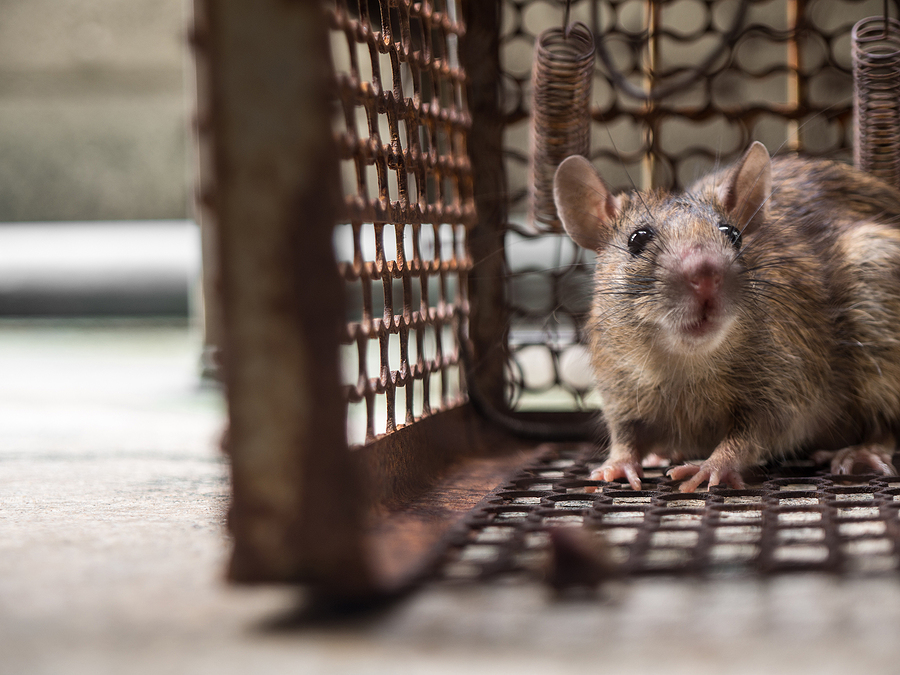
Live traps allow for humane rat removal if you prefer not to kill the animals. Bait these traps with food and check them frequently to prevent stress to captured rats. Release trapped rats at least two miles from your property to prevent their return.

When using any rat traps, wear gloves when handling them and follow proper safety protocols for disposal or relocation.

Request a Free Rodent Control Assessment Today!

Professional Rat Pest Control Services

Professional rat exterminator services offer comprehensive solutions that often prove more effective than DIY methods, especially for severe infestations.

Expertise sets professional rat removal services apart. Licensed technicians possess extensive knowledge of rat behavior, breeding patterns, and the most effective removal techniques for different situations.

Comprehensive solutions include integrated pest management strategies that address both immediate removal and long-term rat prevention. Professionals can identify underlying issues that attract rats and develop customized treatment plans.

Safety remains paramount when dealing with rat control products. Licensed technicians use methods and products that are safe for your family and pets while remaining effective against rat populations.

Efficiency saves you time and stress. Professional rat pest control can quickly eliminate infestations that might take weeks or months to resolve using DIY methods alone.

Prevention focus helps professionals identify and address conditions that attract rats, implementing strategies to prevent future rat problems.

Rodent Prevention Strategies

Preventing rodents like rats and mice from entering your home requires a comprehensive approach that eliminates access points, food sources, and attractive nesting conditions.

Sealing Entry Points

Thorough inspection and sealing of potential entry points forms the foundation of effective rat prevention. Inspect your home’s foundation and exterior walls carefully for cracks or holes, no matter how small.

Use caulk for minor gaps, steel wool for medium openings, and metal sheeting for larger holes. Pay special attention to areas where pipes and wires enter the house, as these commonly overlooked spaces provide easy access for rats.

Proper Food Storage and Waste Management

Eliminating food sources significantly reduces your property’s attractiveness to rats.

Food storage requires airtight containers made of glass, metal, or durable plastic. Avoid leaving pet food out overnight, and clean up crumbs and spills promptly. Store bulk items like birdseed and pet food in sealed containers rather than original packaging.

Waste management involves using trash cans with tight-fitting lids and cleaning them regularly to remove food residue. Store garbage containers away from the house when possible, and avoid leaving bags of trash outside for extended periods.

Maintaining a Clean Environment

A clean, well-maintained environment discourages rat activity both inside and outside your home.

Yard maintenance includes keeping your property free of debris such as piles of wood or leaves that provide shelter. Trim bushes and shrubs away from the house to eliminate hiding spots and potential bridges to your roof. Remove standing water sources to prevent rats from establishing nearby colonies.

Interior cleanliness involves regular cleaning of floors, counters, and storage areas. Organize storage spaces to eliminate clutter where rats might nest, and address moisture issues that attract rats to basements and crawl spaces.

Professional Inspections

Regular professional wildlife control inspections help identify vulnerabilities before they become problems. Schedule annual inspections by a qualified pest control service to assess your property’s rat prevention measures. Consider implementing a preventative pest control plan tailored to your specific property and local rat population patterns.

Conclusion

Effective rat control requires combining immediate removal efforts with ongoing prevention strategies. Start by identifying and addressing current rat activity using appropriate trapping methods or natural repellents. Simultaneously, begin sealing entry points and improving food storage practices to prevent new rats from entering your home.

Remember that rat prevention is an ongoing process rather than a one-time solution. Regular maintenance of preventative measures, combined with vigilant monitoring for signs of new activity, helps ensure your home remains rat-free.

For severe infestations or persistent rat problems, professional pest control services provide the expertise and comprehensive solutions necessary for complete elimination and long-term prevention.

Don’t let a Richmond, Virginia rat problem compromise your family’s health and safety. Take action today and schedule a pest control inspection with a licensed professional who can assess your situation and develop an effective treatment

Call Now to Book Service

Related Post: Rat Control Strategies: How to Prevent and Eliminate Infestations