Few sounds are more unsettling than scratching and scurrying coming from your fireplace late at night. If you live in Henrico County, that noise is probably not your imagination—it’s likely a raccoon that has decided your chimney makes an ideal home.
Henrico’s mix of wooded neighborhoods and suburban development creates the perfect conditions for raccoon encounters. Communities like Glen Allen, Short Pump, Tuckahoe, and Varina back up to forests and green spaces, giving raccoons plenty of opportunity to wander into residential areas in search of shelter. Once they find an uncapped chimney, they rarely need convincing to move in.
This guide walks you through why raccoons target chimneys, how to recognize the warning signs, the health risks involved, and the safest way to handle removal—along with the practical steps that protect your home for good.
Why Raccoons Target Chimneys
To a raccoon, your chimney looks a lot like a hollow tree. It’s dark, enclosed, elevated, and shielded from predators and weather—everything a raccoon needs to den safely.
- Shelter and warmth top the list of reasons raccoons choose chimneys. Brick and masonry retain heat, making your chimney a cozy alternative to a den in the woods, especially during Virginia’s colder months.
- Easy access makes chimneys even more appealing. Raccoons are skilled climbers, capable of scaling rough brick or stone with little effort. Without a cap or screen, your chimney essentially has an open invitation posted at the top.
- Breeding season intensifies the problem. Female raccoons typically mate between January and March, then seek a secure, warm space to raise their young from March through June. A chimney with easy access and few disturbances is exactly what a mother raccoon looks for when she’s ready to give birth.
Signs of Raccoons in Your Chimney
Catching an infestation early can save you from costly damage and prevent a mother raccoon from settling in with a litter of kits. Watch for these indicators:
- Scratching and scurrying sounds, especially at night, since raccoons are nocturnal
- Foul odors drifting from the fireplace, often from urine, droppings, or a decaying food cache
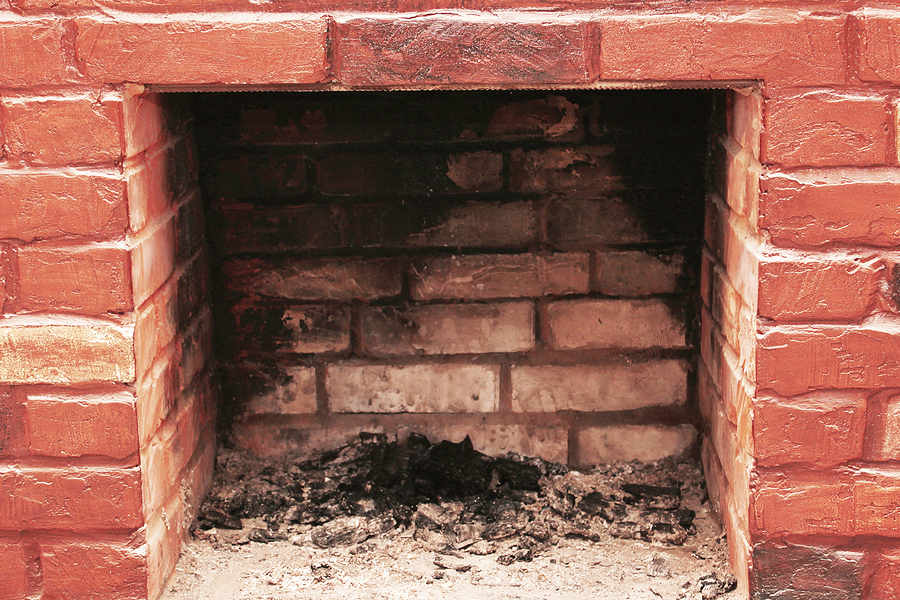
- Visible droppings or debris inside the firebox or on the damper
- Entry marks around the chimney top, including scratches, smudges, or disturbed flashing
If you hear soft, mouse-like squeals in addition to scratching, you may be dealing with a mother and her babies rather than a lone adult. That distinction matters, because it changes how removal should be handled.
Health and Safety Risks for Henrico Homeowners
A raccoon in your chimney isn’t just a nuisance. It’s a genuine health and safety concern for your household.
Rabies and Disease Transmission
Raccoons are among the most common carriers of rabies, a virus that attacks the central nervous system and is fatal once symptoms appear. They also carry raccoon roundworm (Baylisascaris procyonis), a parasite shed in their droppings that can cause severe illness, including blindness and brain damage, if humans are accidentally exposed. Leptospirosis, a bacterial infection spread through urine, poses another risk, particularly to pets.
Fire Hazards from Blocked Chimneys
Nesting material, droppings, and debris can block your flue, restricting airflow and creating a serious fire hazard if you use your fireplace before confirming the chimney is clear.
Structural and Property Damage
Raccoons can loosen mortar, damage flashing, and claw at chimney liners while climbing in and out. If they make their way past the damper, they can also cause damage inside your home, tearing at insulation, ductwork, and drywall.
Prevention Methods for Henrico Residents
The good news is that most raccoon-in-chimney situations are preventable with a few proactive steps.
- Install a chimney cap or screen. This is the single most effective way to keep raccoons—and other wildlife—out. A professionally installed cap withstands far more wear than a DIY version, which matters because a mother raccoon will tear apart a poorly secured cap if she believes her babies are trapped inside.
- Trim tree branches near your roofline. Overhanging limbs give raccoons an easy path from the yard to your chimney. Keeping branches cut back removes one of their easiest routes of access.
- Seal gaps and openings around the chimney. Check flashing, siding, and any gaps where the chimney meets the roofline. Raccoons only need a small opening to squeeze through.
- Secure trash in animal-proof containers. Raccoons are opportunistic feeders, and an easy meal in your yard often leads to a closer look at your home for shelter.
What to Do If Raccoons Are Already Inside
If you’ve confirmed raccoons are living in your chimney, resist the urge to handle it yourself.
Don’t attempt DIY removal. A raccoon defending her young can be aggressive, and any scratch or bite requires the animal to be captured and tested for rabies. Beyond the physical risk, Virginia law restricts how nuisance wildlife in Henrico can legally be trapped and relocated, which makes DIY efforts legally complicated as well as dangerous.
Never start a fire to smoke them out. This method is both cruel and hazardous, capable of injuring or killing the raccoons and putting your home at risk.
Call a licensed wildlife professional immediately. A trained raccoon removal service can confirm whether babies are present, determine the safest removal timeline, and extract the animals without unnecessary harm to your family or the raccoons.
While waiting for professional help, keep the damper closed, keep pets indoors, and avoid making loud noises directly at the fireplace, which can agitate a mother raccoon protecting her young.
How to Prevent Future Infestations
Removal solves today’s problem, but keeping raccoons out for good requires ongoing attention.
- Schedule regular chimney inspections. An annual wildlife control inspection helps catch small openings or wear before they become an open door for wildlife.
- Plan seasonal cleanings before winter. A clean, well-maintained chimney is less attractive to animals looking for nesting material and easier for a professional to assess.
- Monitor for early warning signs. Once you know what to listen and look for, you can catch a new visitor before it becomes a settled resident.
Frequently Asked Questions
How do I know if it’s a raccoon or another animal in my chimney?
Raccoons tend to be louder and heavier-sounding than squirrels or birds, with distinct scratching, growling, or chittering noises, especially at night. Mouse-like squeals usually indicate raccoon kits rather than an adult alone.
Is it legal to trap raccoons myself in Virginia?
Virginia allows landowners to trap raccoons on their own property under certain conditions, but relocating a trapped raccoon off your property is illegal statewide. Licensed professionals hold a Commercial Nuisance Animal Permit that allows for legal, humane removal, which makes professional help the safer and more compliant choice.
How much does professional raccoon removal cost?
Costs vary depending on the extent of the infestation, whether babies are present, and any repair work needed afterward, such as a new chimney cap. Requesting a quote from a licensed local provider is the most accurate way to understand your specific costs.
Will raccoons come back after removal?
They can, if the entry point isn’t properly sealed. Without a professionally installed chimney cap, another raccoon or different animal is likely to find the same opening and move in.
Protect Your Henrico Home Today
Raccoons in your chimney put your family’s health, your home’s structure, and your peace of mind at risk. Recognizing the signs early and taking preventive steps now can save you from a far more complicated situation later.
If you suspect raccoons have already made themselves at home, don’t wait for the problem to grow. Virginia Wildlife Pros has served Richmond, Henrico, and the surrounding communities since 2008 with licensed, insured, and humane wildlife removal. Contact us today for a free quote and let our experienced team safely resolve your raccoon problem.
Related Posts:
Unwelcome Tenants: How to Deal with Wildlife in Your Chimney
How to Keep Raccoons Out of Trashcans and Dumpsters
How to Get Rid of Raccoons on Your Virginia Property