
Where Mice Sneak Into Your Home (And How to Stop Them)

A mouse doesn’t need an open door to get inside—it just needs a gap the width of a pencil. Once inside, these small invaders can chew through wiring, contaminate food, and leave droppings throughout your home. For homeowners in Richmond and across Virginia, knowing where mice are likely to enter is the first step toward keeping them out for good.

Mice are driven indoors by the same things that drive us: shelter, warmth, and access to food. As temperatures drop, your home becomes an attractive refuge. The good news is that most infestations start with just a handful of common entry points, and sealing them off can make a significant difference in your home’s defenses.
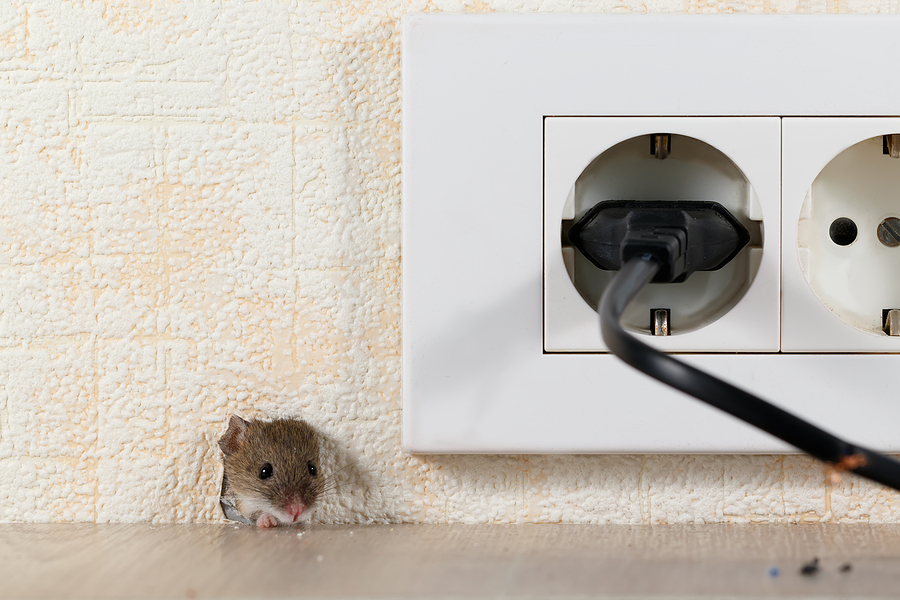
Common Entry Points for Mice

Common Entry Points for Mice

Mice are remarkably flexible. Thanks to their collapsible rib cages, they can squeeze through openings as small as a quarter inch wide—roughly the width of a dime. That means even minor gaps around your home can become an open invitation.

Gaps Around Pipes and Utility Lines

Wherever a pipe, cable, or utility line enters your home, there’s often a small gap left behind. These openings are easy to overlook but are a favorite route for mice looking for a warm way inside.

Cracks in Foundation Walls and Basement Areas

Foundations naturally shift and settle over time, creating cracks that widen with age. Basements, in particular, offer dark, quiet spaces that mice find appealing.

Spaces Around Doors and Window Frames

Worn weatherstripping or warped frames can leave gaps just large enough for a mouse to slip through, especially at ground level.

Holes in Attic Vents and Roof Eaves

Attics provide insulation and shelter, making damaged vents and eaves prime entry points—especially for mice that climb exterior walls or trees.

Openings Near HVAC Systems

Gaps around HVAC lines and ductwork, particularly where they exit exterior walls, are another commonly overlooked access point.

How to Seal Entry Points

Identifying entry points is only half the job. Sealing them properly—with the right materials—is what keeps mice out for the long term.

Weatherstripping for Doors and Windows

Fresh weatherstripping and door sweeps close gaps around doors and windows, blocking one of the easiest paths mice use to get inside.

Caulk for Small Cracks and Gaps

Caulk works well for small cracks and seams, particularly around window frames, trim, and minor foundation gaps.

Steel Mesh or Hardware Cloth for Larger Openings

For larger holes, especially around vents and eaves, steel mesh or hardware cloth is essential. Mice can’t chew through metal, making it one of the most reliable animal-proofing barriers available.

Expanding Foam for Pipe Penetrations

Expanding foam is useful for sealing gaps around pipes, but it shouldn’t stand alone—mice can chew through foam over time. Pair it with steel wool or mesh for a more durable seal.

Professional Rodent Removal and Control Services

Professional rodent control services offer a comprehensive solution to mouse infestations, addressing both the immediate problem and its underlying causes. Experts are trained to spot signs homeowners often miss, such as nesting sites, entry points, and subtle structural vulnerabilities. Drawing on their knowledge of rodent behavior, they use targeted strategies to remove mice efficiently while minimizing disruption to your daily life.

Unlike DIY methods, which tend to focus on short-term fixes, professional services prioritize long-term prevention. They don’t just remove the mice; they also guide you on preventing reentry, from sealing gaps with durable materials to improving sanitation and food storage. Specialized tools, such as baiting systems and safe chemicals, give their tailored approach a higher chance of eliminating the infestation entirely.

Most importantly, you gain peace of mind knowing trained professionals are protecting your home from future invasions.

Additional Prevention Tips

Sealing entry points is a strong start, but a few additional habits can further reduce your risk:

  • Keep food stored in airtight containers. Open food sources are one of the biggest draws for mice.
  • Remove clutter and seal gaps in walls. Clutter provides hiding spots, while wall gaps offer easy access.
  • Trim tree branches near your roof. Overhanging branches give mice a direct path to your attic and eaves.
  • Maintain proper ventilation while blocking entry points. Use mesh-covered vents so air can flow without letting pests in.

Frequently Asked Questions

How small can a mouse hole be?

A mouse can fit through an opening as small as a quarter inch wide. If you can fit a pencil into a gap, a mouse likely can too.

What’s the best sealant for mouse entry points?

It depends on the gap. Caulk works well for small cracks, steel mesh or hardware cloth is best for larger openings, and expanding foam paired with steel wool is ideal for pipe penetrations.

When is the best time to seal entry points?

Fall is an especially important time to seal entry points, since mice actively seek shelter as temperatures drop. That said, sealing your home is worthwhile year-round—just confirm no mice are already inside before you close things up.

Protecting Your Home Starts With a Thorough Inspection

Mice are persistent, and even a small oversight can leave your home vulnerable. Sealing common entry points—from foundation cracks to attic vents—is one of the most effective ways to prevent an infestation before it starts.

If you’re noticing signs of mice in your Richmond-area home, don’t wait for the problem to grow. Contact Virginia Wildlife Pros for professional mouse control and exclusion services designed to keep your home protected.

Call Now

Related Posts:

How to Get Rid of Mice in the House Effectively
Banish Mice from Your Home with These Proven Rodent Removal Strategies
How to Identify a Mouse Infestation in Your Home
Raccoons in Your Virginia Attic: Signs of a Den and What to Do Next

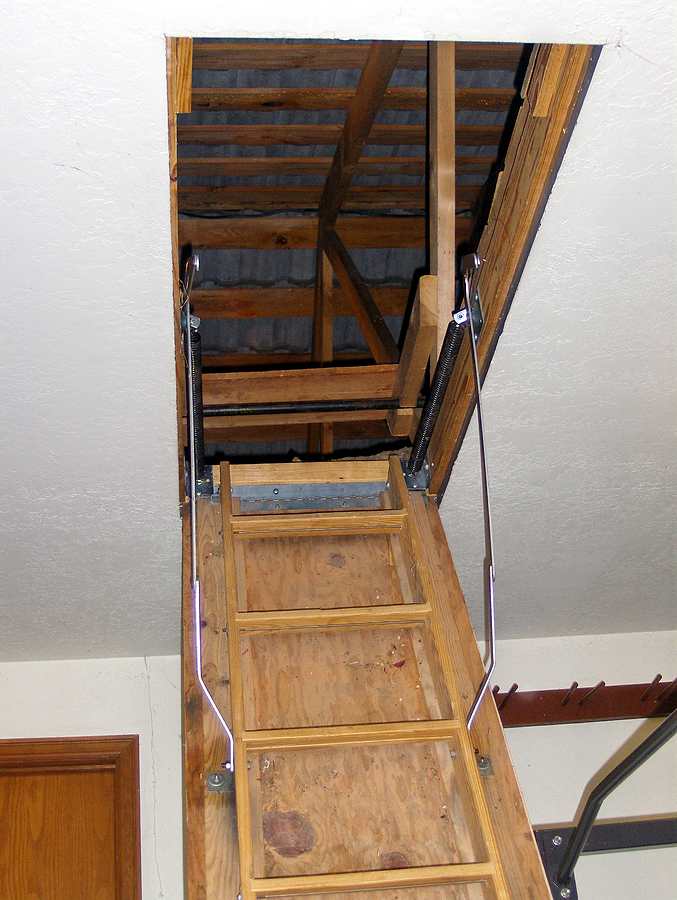
A scratching sound overhead at 2 a.m. isn’t your imagination. If you’re hearing movement in your ceiling, chances are a raccoon has decided your attic makes a perfect home. In Virginia, this is a common problem, especially during warmer months when mother raccoons search for safe places to raise their young.

Catching the signs early can save you thousands in repair costs and protect your family from health risks. Here’s what to look for, why it matters, and what steps to take next.

Signs of Raccoons in Your Attic in Richmond VA

Signs of Raccoons in Your Attic

Noises at Night

Raccoons are nocturnal, so most activity happens after dark. Listen for scratching, thumping, or scurrying sounds coming from your ceiling or walls, especially in the evening and early morning hours.

Odors and Droppings

A persistent, musky smell often signals a den site. Raccoons also leave droppings in consistent spots, called latrines, which can create a strong odor and health hazard over time.

Damage to Roof Vents and Soffits

Check your roofline for torn vents, bent flashing, or gaps around soffits. Raccoons are surprisingly strong and can tear open weak spots to create entry points as small as 2.5 by 4 inches.

Disturbed Insulation

If you’ve noticed flattened or shredded insulation, along with leaves, grass, or fabric scraps, you may be looking at nesting material. This is a strong indicator that a raccoon has settled in for the long haul.

Health and Property Risks

Disease Transmission

Raccoons are considered a high-risk rabies species in Virginia. According to the Wildlife Center of Virginia, symptoms like lethargy, loss of balance, or unusual fearlessness around people can indicate infection, though some raccoons carry rabies without showing signs.

Raccoon droppings can also carry roundworm eggs, which are resistant to bleach and standard disinfectants. Exposure can cause serious illness in humans, so any animal damage cleanup should involve gloves and a dust mask, or be left to professionals entirely.

Structural Damage

Nesting raccoons chew through wood, insulation, and drywall. Left unchecked, this damage compounds quickly and becomes expensive to repair.

Fire Hazards

Chewed wiring is a genuine fire risk. Damaged electrical lines hidden in your attic can spark without warning, making early detection even more critical.

How to Confirm a Raccoon Den

Start with a careful visual inspection of your roofline, vents, and soffits, looking for signs of entry such as displaced materials, gaps, or damaged edges. It also helps to track when you hear noises. Consistent activity in the evening often points to an active den rather than a one-time visitor, since raccoons tend to be most active after dark.

If you want a definitive answer, a professional wildlife control inspection is your best option. Wildlife removal experts use cameras, tracking powder, and years of experience to confirm whether a den is occupied, so you can act with confidence instead of guesswork.

What Not to Do

Don’t Trap Without Help

Virginia has specific regulations around relocating wildlife, so trapping a raccoon without guidance can create legal problems on top of practical ones. Handling a raccoon yourself can also expose you to bites, scratches, or disease, risks that are easy to underestimate when the animal seems small or calm.

Don’t Seal Entry Points Too Soon

Closing up a gap may seem like the quickest fix, but timing matters. This is especially important between April and September, when mother raccoons are often raising young. Sealing an attic with babies inside leads to frantic attempts to get back in, causing extreme damage to your roof and siding. A mother determined to reach her young will tear at shingles, vents, and trim, and the repairs can far outweigh the cost of a careful, well-timed approach.

Never Attempt Removal Alone

Raccoons can be aggressive when cornered or protecting young, and even a confident homeowner can be caught off guard by how quickly a situation escalates. Professional removal keeps you, your family, and the animal safe, giving everyone the best chance at a calm and humane outcome.

Virginia Wildlife Pros in Richmond, Virginia offers safe, professional raccoon removal so you don’t have to take unnecessary risks.

What to Do Next

If you suspect a raccoon den, contact a wildlife removal service right away. Document any visible entry points or damage with photos, which can help with both the inspection and any future repairs. Scheduling a professional inspection ensures the den is properly identified and removed without putting your home or health at risk.

FAQ

How much does raccoon removal cost?

Costs vary depending on your home, the number of animals present, and the extent of repairs needed. As an example, one Northern Virginia contractor lists attic removal without babies starting around $350 to $500, with maternal dens costing more. A professional assessment will give you an accurate quote for your situation.

Will raccoons leave on their own?

Sometimes, but it’s not guaranteed, especially during denning season when mothers are raising young. Relying on raccoons to leave naturally risks prolonged damage and health hazards in the meantime.

How can I prevent future infestations?

Secure trash cans, bring pet food inside at night, and seal potential entry points once you’ve confirmed no animals remain inside. Regular roof and attic inspections also help catch new activity before it becomes a bigger problem.

Protect Your Home with Professional Help

Raccoon dens rarely resolve themselves, and delaying action only increases the risk to your home and health. If you’ve noticed any signs of raccoon activity in your attic, don’t wait for the problem to grow.

Contact Virginia Wildlife Pros in Richmond, Virginia for expert, professional raccoon removal services you can trust.

Call Now

Related Posts:

Raccoons in Your Attic? A Guide for Mechanicsville Homeowners
Bracing for Winter: Your Guide to Animal-Proofing in Virginia
Unwanted House Guests: How to Handle Raccoons in the Attic

Why Do Rats Keep Coming Back After Trapping?

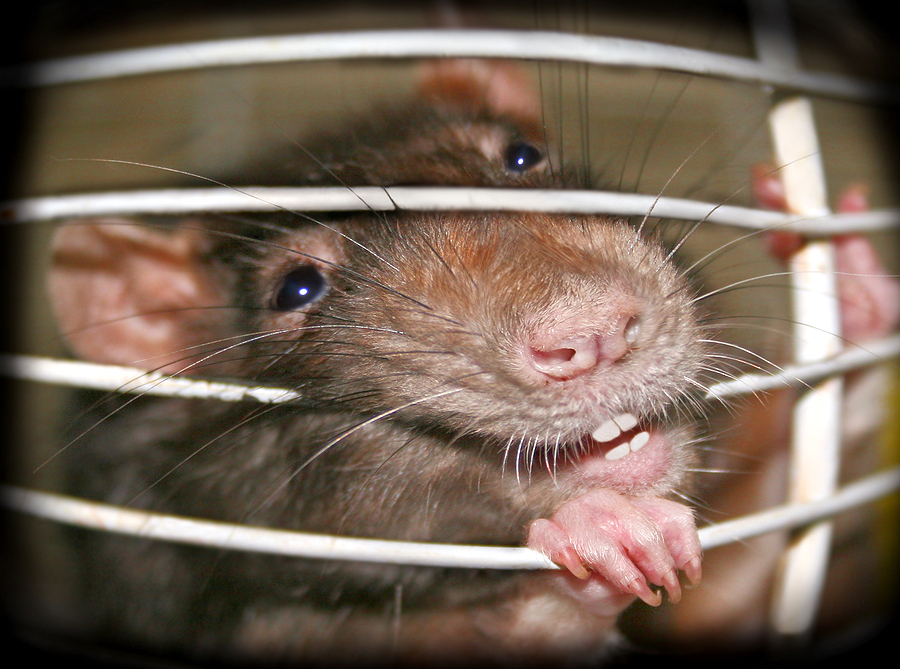
You set the traps. You caught a few rats, maybe even felt a sense of relief. But weeks later, the droppings are back, the scratching in the walls has returned, and you’re left wondering what went wrong.

This cycle is more common than most homeowners realize, and it rarely means you did something wrong with the trap itself. Rat infestations are rarely solved by catching a few individuals. Rats live in family groups, breed quickly, and rely on scent trails and shared knowledge to find their way back to a reliable food and shelter source. Trapping deals with the symptom, not the root cause.

Below, we’ll walk through why rats keep returning even after trapping, the warning signs of a recurring infestation, and the steps that actually break the cycle for good.

Rats Keep Coming Back?

Why Rats Keep Coming Back After Trapping

The Population Wasn’t Fully Eliminated

A single rat sighting rarely means there’s only one rat. Rats reach sexual maturity in just 4 to 5 weeks, and a single breeding pair can produce a population of over 1,000 rats within a year. If you trap a handful of rats but leave the colony’s nest intact, you’ve only thinned the herd. The survivors continue breeding, and the population rebounds faster than most homeowners expect.

Food Sources Are Still Accessible

Rats are driven by three core needs: food, shelter, and water. If any of these remain easily accessible, trapping becomes a temporary fix rather than a permanent solution. Open trash bins, pet food left out overnight, bird feeders, and even small crumbs can be enough to keep a property on a rat’s radar, regardless of how many traps you set.

Entry Points Were Missed or Left Unsealed

Rats can squeeze through gaps as small as a quarter-inch, and they’re surprisingly skilled at finding weaknesses in a home’s exterior. Gaps around utility lines, vents, foundation cracks, and damaged weatherstripping are all common entry points. If these aren’t sealed, new rats (or the same survivors) will simply find their way back inside.

Nesting Materials Are Still Available

Cluttered garages, attics insulated with soft material, and stacks of cardboard or fabric all make appealing nesting sites. Rats are resourceful nest-builders, and leaving these materials in place gives them every reason to settle back in once they rediscover the property.

Signs You Have a Recurring Rat Problem

It’s not always obvious that rats have returned, especially if the signs are subtle at first. Here’s what to watch for:

  • Droppings reappear after treatment. Fresh droppings, especially in previously cleared areas, are one of the clearest signs rats are back.
  • New gnaw marks on walls or wiring. Rats need to gnaw constantly to keep their teeth from overgrowing, and fresh marks on wood, wires, or plastic often signal new activity.
  • Scratching sounds at night. Since rats are nocturnal, noises in the walls, ceiling, or attic after dark are a strong indicator of renewed nesting activity.

If you notice any of these signs within weeks of initial treatment, it’s a strong signal that the underlying cause, not just the visible rats, was never fully addressed.

How to Prevent Rats From Returning

Seal All Entry Points and Gaps

Walk the exterior of your home and look for any gap larger than a quarter-inch. Pay close attention to areas where utility lines enter the house, as well as vents, foundation cracks, and door sweeps. Steel wool and caulking are effective for small gaps, while larger holes may require sheet metal or professional-grade sealant.

Remove Food Sources and Secure Trash

Store pet food in sealed containers, clean up spills promptly, and use trash bins with tight-fitting lids. If you have fruit trees or a vegetable garden, keep fallen produce cleared to avoid giving rats an easy meal.

Eliminate Clutter and Nesting Materials

Reduce how appealing your garage, attic, or basement looks to a rat searching for shelter. Clear out cardboard boxes, old fabric, and excess storage, and keep firewood stacked away from the home’s exterior.

Schedule Regular Inspections

Even after sealing entry points and removing attractants, it’s worth checking your property every few months for new gaps, droppings, or gnaw marks. Catching early signs of activity before they develop into a full infestation saves time, money, and stress.

When Professional Help Is Needed

DIY trapping and prevention methods work well for small, early-stage problems. But in some cases, calling a professional is the more effective and safer choice:

  • Persistent infestations after DIY efforts. If rats keep returning despite your best efforts at sealing and trapping, there may be an entry point or nest you haven’t found.
  • Difficulty locating all entry points. Professional rodent removal services are trained to identify the subtle gaps and access points that homeowners often miss.
  • Health and safety concerns during removal. Rat droppings and nesting material can carry disease, and removal in tight spaces like attics or crawl spaces can pose a real safety risk without the right equipment.

Frequently Asked Questions

How long does it take rats to return after trapping?

It varies, but many homeowners notice signs of a new infestation within a few weeks if the underlying food source, entry points, or nesting sites weren’t addressed. Rats are quick to recolonize a property that still meets their basic needs.

What’s the best way to prevent future infestations?

A combination of sealing entry points, removing food sources, and clearing nesting materials offers the most reliable, long-term protection. Trapping alone addresses the current population but doesn’t prevent new rats from moving in.

Should I use poison or traps?

Both have drawbacks. Poison carries a risk of secondary poisoning to pets and wildlife, and rats that die inside walls can create odor problems. Traps are generally more direct and easier to monitor, but they only work as part of a broader prevention strategy that includes sealing and sanitation.

Break the Cycle for Good

Rats keep coming back for a simple reason: trapping alone doesn’t remove what drew them to your property in the first place. Lasting protection means sealing entry points, cutting off food sources, and clearing out the shelter that makes your home appealing to begin with.

If you’re tired of fighting the same battle every few weeks, it’s time to bring in a team that can find what you’ve missed. Virginia Wildlife Control offers professional rat removal and prevention services throughout Richmond, helping you close the gaps (literally and figuratively) for a rat-free home. Contact us today to schedule your inspection.

Call Now

Related Posts:

Rat Control Strategies: How to Prevent and Eliminate Infestations
Common Signs of a Rat Infestation in Your House
5 Materials Rodents Can’t Chew Through (And How to Use Them)