Why Does Wildlife Keep Coming Back to Your Richmond Attic?

Few things are more frustrating than removing a raccoon from your attic, only to hear scratching again a few weeks later. If you’ve dealt with repeat wildlife intrusions in your Richmond home, you’re not imagining things—and you’re certainly not alone.

Removal alone often solves only half the problem. Unless the conditions that attracted wildlife in the first place are addressed, your attic remains an open invitation for the next animal looking for shelter. This guide explains why wildlife keeps returning, which animals are most likely to come back, and what Richmond homeowners can do to protect their property for the long haul.
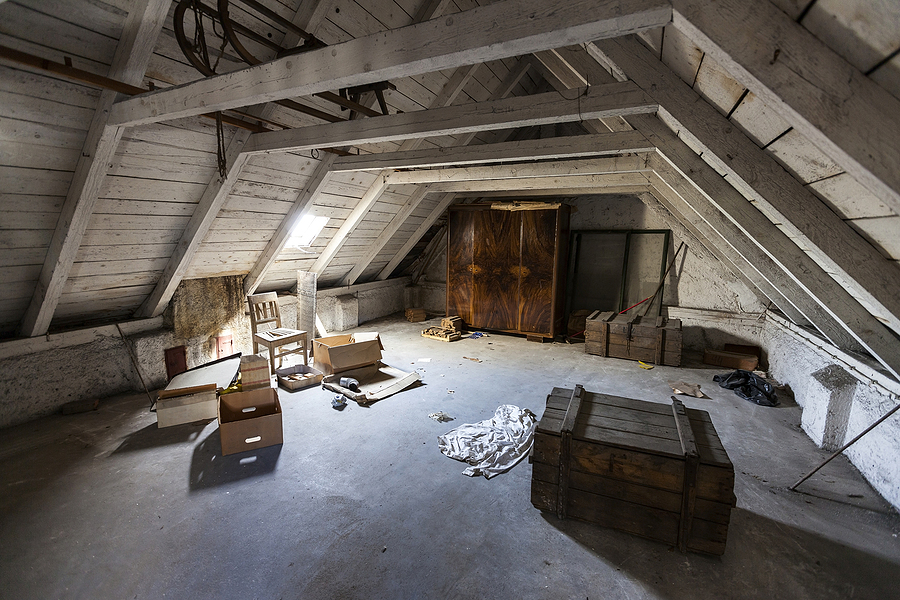
Wildlife in Your Attic in Richmond VA

Why Wildlife Returns to Your Attic

Attics offer everything a wild animal could want: warmth, shelter, and protection from predators. For raccoons, squirrels, and bats, your attic isn’t just a hiding spot—it’s prime real estate.

When an animal is removed but the entry points and attractants remain untouched, the attic still meets every need that drew the wildlife there in the first place. Removal addresses the symptom, not the cause.

Unsealed Entry Points Stay Vulnerable

Gaps in your roofline, damaged soffits, and uncapped chimneys don’t fix themselves once an animal is removed. These openings remain just as accessible to the next passing raccoon or squirrel as they were to the last one. Without sealing these vulnerabilities, your home stays exposed to repeat visits.

Common Wildlife That Returns to Richmond Attics

Not all wildlife behaves the same way, and understanding each animal’s habits helps explain why they keep coming back.

Raccoons Are Persistent and Resourceful

Raccoons are highly intelligent and skilled at locating new entry points, even after one has been sealed. If a raccoon has previously denned in your attic, it may continue testing your home’s exterior for weaknesses, particularly during denning season when shelter is a priority.

Squirrels Chew Through Weak Materials

Squirrels have constantly growing teeth, which means chewing is both a habit and a necessity. Thin fascia boards, vent covers, and minor gaps are easy targets, especially if a squirrel has already established a route into your attic.

Bats Seek Roosting Spaces Year-Round

Bats look for stable, undisturbed roosting sites, and attics often fit the bill. Female bats also form maternity colonies in the summer months to raise their young. Because flightless pups can become trapped during this period, exclusion timing for bats is often restricted. A licensed wildlife professional can confirm current Virginia guidelines before any bat exclusion work begins.

The Problem with One-Time Wildlife Removal

Removing an animal without addressing exclusion creates a short-term fix for a long-term problem.

Re-Entry Is Common Without Exclusion

Once an animal is removed, the entry point it used doesn’t disappear. If that opening isn’t sealed, the same species—or a different one—can use it to get back inside.

Seasonal Shifts Drive Wildlife Indoors

As temperatures drop in the fall, wildlife actively searches for warm, enclosed spaces to wait out the cold. Richmond’s seasonal temperature swings make attics especially attractive during these transitional months, increasing the likelihood of new intrusions if your home remains unprotected.

Favorable Conditions Invite New Animals

An attic that previously housed wildlife often still has the scent markers, nesting materials, and accessible openings that make it appealing. If those conditions aren’t changed, a new animal may move in to take advantage of the same favorable setup.

How to Prevent Wildlife from Re-Entering Your Attic

Preventing repeat intrusions requires a proactive approach that goes beyond removal.

Seal All Gaps and Cracks

Inspect your home’s exterior for openings larger than 1/4 inch, since even small gaps can allow squirrels and bats to squeeze through. Pay close attention to rooflines, soffits, and areas where utility lines enter the house.

Install Chimney Caps and Vent Covers

Uncapped chimneys and open vents are common entry points for raccoons and birds. Installing durable caps and covers blocks access while still allowing proper ventilation.

Trim Tree Branches Near Your Roof

Overhanging branches act as a bridge, giving squirrels and raccoons direct access to your roofline. Trimming trees and shrubs back from the house removes this easy pathway.

Remove Food Sources and Nesting Materials

Unsecured trash cans, pet food left outdoors, and accessible compost piles all attract wildlife looking for an easy meal. Clearing out leftover nesting materials inside the attic also makes the space less inviting to future occupants.

Professional Exclusion Solutions for Long-Term Protection

While DIY prevention steps help, professional exclusion offers the most reliable way to keep wildlife out for good.

One-Way Doors Allow Safe, Permanent Removal

One-way exclusion doors let animals exit your attic to forage or relocate but prevent them from coming back inside. This method is humane and effective, particularly for raccoons and squirrels that have established a route.

A Professional Inspection Catches What You Might Miss

Wildlife control professionals are trained to spot vulnerabilities that aren’t always obvious to homeowners, from small roofline gaps to deteriorating vent screens. A thorough inspection ensures every potential entry point is addressed, not just the obvious ones.

Exclusion Costs Less Than Repeated Removal

Paying for removal service after removal service adds up quickly, especially if the underlying entry points are never sealed. Investing in professional animal exclusion upfront is a more cost-effective solution, since it addresses the root cause instead of treating recurring symptoms.

Frequently Asked Questions

How long does wildlife exclusion take?

The timeline for exclusion depends on factors like the size of your property, the number of entry points identified, and the species involved. A licensed professional can provide a more specific estimate after conducting a full inspection of your home.

What’s the difference between removal and exclusion?

Removal focuses on getting an animal out of your attic, while exclusion goes further by sealing entry points and installing barriers to prevent future intrusions. Exclusion is the more comprehensive, long-term solution.

Can I handle exclusion myself?

Some basic prevention steps, like trimming branches or securing trash cans, can be done on your own. However, sealing entry points correctly and installing one-way doors often requires professional expertise, particularly when protected species like bats are involved.

Protect Your Richmond Home for Good

Removing wildlife from your attic is only the first step. Without proper exclusion, your home remains vulnerable to the very same problem resurfacing. Sealing entry points, trimming back trees, and removing attractants all play a role, but professional exclusion offers the most reliable path to a wildlife-free attic.

If you’re ready for a long-term solution, contact Virginia Wildlife Pros in Richmond, VA. Our team can inspect your property, identify vulnerable areas, and implement exclusion measures designed to keep wildlife out for good.

Call Now

Related Posts:

Virginia Crawlspace Wildlife Removal: Animals, Entry Points & Prevention
Is Your Attic Hosting Unwanted Guests? Signs You Need Wildlife Proofing and Repair
Winter Wildlife in Richmond: How to Protect Your Property
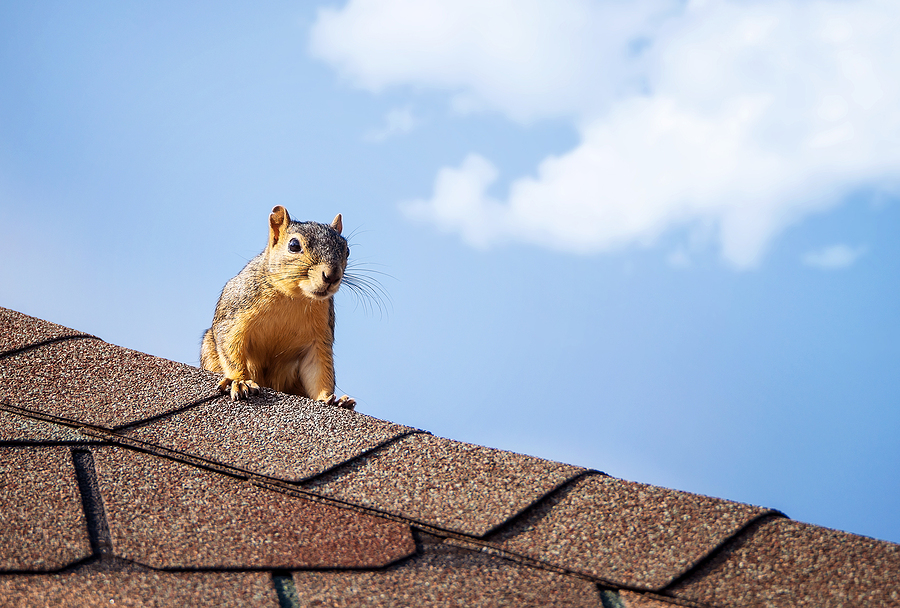
Why Are Squirrels Getting Into My Attic in Virginia, and How Can I Keep Them Out?

Scratching sounds in the walls. Scurrying overhead at dawn. A faint, musty smell drifting down from the ceiling. If any of this sounds familiar, you likely have squirrels living in your attic.

Virginia homes are especially appealing to these persistent rodents. Mature trees, mild winters, and plenty of suburban sprawl give squirrels easy access to warm, sheltered nesting spots—and your attic checks every box.

Left unaddressed, a squirrel infestation can lead to chewed wiring, damaged insulation, and costly repairs. Fire risk is a real concern, too, since squirrels gnaw through electrical wiring without hesitation.

This guide covers why squirrels target Virginia attics, how to spot the signs of an infestation, and the steps you can take to prevent and remove unwanted guests for good.

Squirrels in My Attic in Richmond Virginia

Why Squirrels Enter Attics

Squirrels aren’t picky. They want warmth, safety, and proximity to food—and your attic offers all three.

Food Sources and Shelter Appeal

Bird feeders, open garbage cans, and gardens give squirrels an easy food supply right in your backyard. Once they’ve found a reliable food source nearby, your attic becomes the perfect place to nest and raise young.

Seasonal Patterns in Virginia

Squirrel activity follows a predictable seasonal rhythm. According to NC State Extension, gray squirrels breed in mid-winter and again in June, with litters of one to eight pups arriving 40 to 45 days later. Young squirrels have a much higher survival rate when born in a den rather than an open nest, which is exactly why females seek out attics during these breeding windows.

South Carolina DNR research adds further detail, noting that winter-spring mating peaks in January with young typically born in February or early March, while a second mating period peaks in June. In fall, squirrels are less focused on breeding and more interested in finding warm shelter before winter sets in.

In short, Virginia homeowners should stay alert during late winter, early spring, and fall, when squirrels are most likely to seek refuge indoors.

Easy Access Points They Exploit

Squirrels are remarkably strong for their size and can chew through wood, plastic, and foam with ease. Common entry points include:

  • Roof edges and soffits
  • Fascia boards
  • Gable vents
  • Gaps where utility lines enter the home
  • Damaged or loose shingles
  • A gap as small as 1.5 inches is all a squirrel needs to squeeze inside.

Signs of Squirrel Infestation

Catching an infestation early can save you from extensive attic damage.

Noises and Scratching Sounds

Listen for scratching, scurrying, or rolling noises, especially early in the morning or at dusk when squirrels are most active. These sounds typically come from the attic or walls.

Visible Droppings and Damage

Squirrel droppings resemble large rice grains and are often found clustered near nesting areas. You may also notice chewed insulation, shredded paper or fabric used for nesting, and damaged wiring.

Entry Holes and Chewed Materials

Check your roofline for gnaw marks, splintered wood, or torn screens. These are telltale signs that a squirrel has found—or is actively creating—a way inside.

How to Prevent Squirrels From Entering Your Attic

Prevention is far less costly than repairing attic damage after the fact. These five steps can make your home significantly less appealing to squirrels.

Trim Tree Branches Near Your Roof

Squirrels use overhanging branches as a highway straight to your roof. As a general guideline, trim branches back at least six to eight feet from your roofline to limit easy access.

Seal Gaps and Cracks in Your Home’s Exterior

Inspect your roof, soffits, fascia boards, and gable vents for gaps or damage. Since squirrels chew through wood, plastic, and foam, repairs should use durable materials like hardware cloth, sheet metal, or steel mesh.

Remove Food Sources Like Bird Feeders

If you have bird feeders, consider removing them or switching to squirrel-proof designs. Keep garbage cans sealed and avoid leaving pet food outside, as these are easy food sources that draw squirrels closer to your home.

Install Chimney Caps and Vent Covers

Uncapped chimneys and open vents are prime nesting spots. Sturdy, screened caps and covers block access while still allowing proper ventilation.

Keep Gutters Clean and Maintained

Clogged gutters hold moisture and debris that attract squirrels and other pests. Regular cleaning also helps you spot early signs of roofline damage before squirrels can exploit it.

Removing Squirrels Already in Your Attic

If squirrels have already made themselves at home, prevention alone won’t solve the problem. Removal requires care, and in many cases, professional help.

When to Call a Professional

Virginia law restricts relocating many wildlife species, and attempting removal without the proper permits can create legal and safety issues. Licensed professionals are permitted through the Virginia Department of Wildlife Resources (DWR) and have the training to handle squirrels safely and legally.

If you hear sounds coming from multiple areas of your attic, see visible damage, or suspect a mother has given birth inside, it’s time to call a squirrel removal service rather than attempt DIY removal.

Humane Removal Methods

Professionals typically use one-way exclusion doors or live traps to remove squirrels without harming them. These methods allow squirrels to leave the attic but prevent them from re-entering, which is especially important if young squirrels are present and not yet mobile.

Never seal an entry hole before confirming that no animals—especially babies—are still inside. Doing so can trap squirrels in your attic, leading to further damage and odor issues.

Preventing Re-Entry After Removal

Once squirrels are out, exclusion work should follow immediately. This means sealing and reinforcing every access point with squirrel-resistant materials so the same entry points can’t be used again.

Sealing Entry Points

Proper sealing is the step that keeps squirrels from coming right back after removal.

Identify All Potential Access Areas

Walk the perimeter of your home and inspect the roofline, soffits, fascia, vents, and any areas where utility lines enter the house. Even small gaps can become future entry points if left unaddressed.

Use Appropriate Materials for Repairs

Since squirrels can chew through wood, plastic, and foam, repairs should rely on metal materials such as hardware cloth, steel mesh, or sheet metal. These materials hold up against persistent gnawing far better than standard building materials.

Professional vs. DIY Sealing

Minor gaps might be manageable as a DIY project, but larger or harder-to-reach access points often require professional-grade materials and equipment. A professional wildlife control inspection also ensures no entry points are missed, which is common with DIY repairs.

Frequently Asked Questions

How much does squirrel removal cost?

Pricing varies based on the species involved, the location of the infestation (attic, crawlspace, wall void, or roofline), the complexity of the job, and whether multiple visits or exclusion repairs are needed. Industry estimates for trapping alone generally range from around $250 to over $1,000, though this is a general range and not a Virginia-specific quote. For accurate pricing, request an inspection and quote from a licensed provider.

Is it safe to remove squirrels myself?

DIY removal comes with real risks. Squirrel droppings and urine can carry parasites, and cornered animals may bite or scratch when threatened. Virginia law also restricts relocating many wildlife species, meaning DIY trapping can create legal complications. A DWR-permitted professional has the training and authorization to handle removal safely and legally.

What time of year are squirrels most active in Virginia?

Squirrel activity peaks during late winter through early spring and again in early summer, which align with their primary breeding periods. Fall is another active period, as squirrels search for warm shelter ahead of winter. Homeowners should be especially watchful for signs of infestation during these windows.

Protect Your Attic From Squirrel Damage

Squirrels may seem harmless, but an attic infestation can quickly turn into a costly problem involving chewed wiring, damaged insulation, and persistent odors. Trimming back branches, sealing gaps with durable materials, and removing easy food sources go a long way toward keeping squirrels out in the first place.

If squirrels have already moved in, don’t wait for the damage to get worse. Contact Virginia Wildlife Pros in Richmond, VA, for professional, humane squirrel removal and exclusion services that keep your home protected for the long term.

Call Us Now

Related Posts:

The Hidden Dangers of Squirrel Nests in Your Home
Stop Squirrels from Chewing Through Your Roof: Humane Methods
Outsmarting the Tiny Tenants: Eradicating Squirrels from Your Attic