
There’s nothing quite as disheartening as walking out to your garden and finding rows of beans, lettuce, and squash chewed down to bare nubs overnight. If this sounds familiar, you may be dealing with a woodchuck.
Woodchucks—also called groundhogs—are stout, burrowing rodents with a big appetite for garden vegetables. They feed on beans, peas, broccoli, cabbage, tomatoes, and dozens of other plants, and they rarely stop after just one meal. On top of the feeding damage, their extensive burrows can undermine sheds, dry out tree roots, and leave your yard pockmarked with holes.
The good news? You can protect your garden with the right combination of prevention and removal strategies. This guide walks you through how to spot woodchuck damage, keep them out with fencing and repellents, make your yard less inviting, and handle removal legally and humanely.
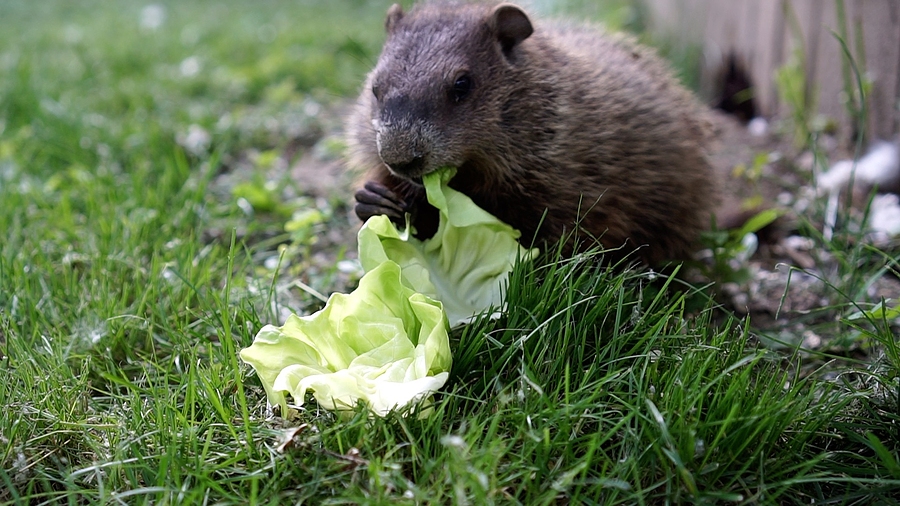
How to Identify Woodchuck Damage in Your Garden
Before you can solve the problem, you need to confirm a woodchuck is the culprit. These animals leave behind some telltale clues.
Signs of Woodchuck Activity
The clearest giveaway is the burrow. Woodchuck burrows run 25 to 30 feet long and sit two to five feet deep, with at least two entrances. The main entrance usually has a large mound of freshly dug dirt beside it, while secondary escape holes are more hidden.
Other signs include:
- Plants chewed cleanly down to the ground, often in rows
- Bite marks on low-growing vegetables like beans, lettuce, and squash leaves
- Claw or gnaw marks on the trunks of young fruit trees
- Damage that appears in early morning or late afternoon, when woodchucks feed most
Telling Woodchuck Damage Apart from Other Pests
Rabbits and deer also raid gardens, so look at the whole picture. Rabbits tend to clip plants at a clean angle and leave small round droppings. Deer usually leave torn, ragged edges and browse higher off the ground. A woodchuck, by contrast, mows plants to the soil line and almost always leaves a nearby burrow with that signature dirt mound.
Why Acting Early Matters
Woodchucks reproduce quickly, and a single family can devastate a garden in days. The sooner you spot the signs, the easier it is to protect your plants before the damage spreads.
The Best Fencing to Keep Woodchucks Out
Fencing is the most reliable long-term solution. Because woodchucks both climb and dig, your fence needs to defend against both.
Electric Fencing
Electric fencing is widely considered the most effective option. A simple setup uses one wire about four inches off the ground and a second wire at eight to nine inches high. Keep the wires clear of grass and weeds, which can short out the charge, and always use a UL-approved charger. Because the fence can sit low, you often don’t even need a gate.
Non-Electric Fencing
If you prefer traditional fencing, follow these guidelines:
- Height: Build it at least three feet tall.
- Mesh size: Choose mesh smaller than two by two inches, since young woodchucks can squeeze through larger gaps.
- Stop the digging: Bury the fence 10 to 12 inches deep, or bend the bottom foot outward into an “L” shape and pin it flat to the ground.
- Stop the climbing: Bend the top 12 to 15 inches outward at a 45-degree angle so climbers tumble back down.
- Don’t forget the gate—it’s often the weakest point. Add a buried board or a strip of fencing along the bottom to close off any gaps.
Natural Deterrents and Repellents Worth Trying
Repellents can help, though results vary from yard to yard. They work best as a supplement to fencing rather than a standalone fix.
Scents Woodchucks Dislike
Many gardeners have had success with pantry staples. Sprinkling ground cayenne pepper or crushed red pepper flakes directly on leaves and soil can discourage feeding, and it needs to be reapplied regularly—especially after rain. Crushed garlic and blood meal scattered around the garden’s perimeter are also popular wildlife deterrents, since woodchucks dislike the strong odors.
Commercial Repellents
Store-bought sprays and granules offer another option, though effectiveness is inconsistent. Some gardeners report success with products like Repels All, while others find certain sprays do little at all. If you try a commercial repellent, read the label to confirm it targets groundhogs.
What Usually Doesn’t Work
Save your money on frightening devices. Banging pie plates, shiny reflectors, and ultrasonic noise emitters rarely deter a hungry woodchuck for long. Scarecrows may offer short-term relief, but only if you move them often and keep up regular activity in the area.
How to Make Your Yard Less Inviting to Woodchucks
Removing the things that draw woodchucks in the first place makes every other method more effective.
- Clear food sources. Pick up fallen fruit from beneath trees and harvest ripe vegetables promptly.
- Reduce shelter. Woodchucks like to burrow under sheds, decks, and woodpiles. Seal off these spaces with buried hardware cloth or galvanized fencing extended 12 inches into the ground.
- Trim the edges. Keep grass and brush trimmed around your garden and property line. Open, exposed ground feels less safe to a woodchuck than tall cover.
A tidy, well-maintained yard signals to woodchucks that this isn’t the easy meal they’re looking for.
Removing Woodchucks
When prevention isn’t enough, groundhog removal may be the next step—but it’s important to do it legally and humanely.
Virginia’s Legal Considerations
Here’s a critical point for Virginia residents: it is illegal in Virginia to trap and relocate a woodchuck to another area. The Virginia Department of Wildlife Resources classifies groundhogs as a nuisance species with a continuous open season, so no kill permit is required. However, local city or county ordinances are often more restrictive than state law, so check with your local officials before trapping or using firearms.
If an animal shows signs of rabies—stumbling, foaming at the mouth, or aggression—contact your local health department right away.
When to Call a Professional
Woodchuck trapping and removal can be time-consuming, risky, and legally complicated, which is why it is best to leave it to the experts. A licensed Richmond VA wildlife control service can handle the job safely and in full compliance with Virginia law.
Frequently Asked Questions
What time of day are woodchucks most active?
Woodchucks are day-active animals, feeding most in the early morning and late afternoon.
What vegetables do woodchucks love most?
They especially favor beans, peas, carrot greens, clover, and grasses, along with cabbage, broccoli, tomatoes, and dandelion.
Can woodchucks really climb fences?
Yes. Woodchucks are capable climbers, which is why non-electric fences need an outward-angled top section to keep them from getting over.
Is it legal to relocate a woodchuck in Virginia?
No. Virginia law prohibits trapping and relocating wildlife to another area. Contact a licensed trapper or wildlife removal service for legal options.
Do repellents like cayenne pepper actually work?
Many gardeners report success with cayenne and other strong-smelling deterrents, but results vary. Repellents work best alongside fencing and need frequent reapplication.
Protect Your Garden Before the Damage Spreads
Woodchucks are persistent, but they’re not unbeatable. A sturdy fence, a few well-chosen deterrents, and a tidy yard will go a long way toward keeping your vegetables safe. And when the problem calls for expert help, acting early makes all the difference.
If woodchucks have taken over your yard and you’re ready for a lasting solution, contact Virginia Wildlife Control in Richmond, VA for professional, humane, and fully compliant removal. Reach out today to protect your garden for good.
Related Posts:
Groundhog Removal and Control in Virginia: A Complete Guide for Homeowners
Fascinating Facts About Virginia’s Woodchucks
How to Determine If a Groundhog Is Causing Damage on Your Golf Course