Groundhog Day is Coming! Fun Facts and Tips for Humane Woodchuck Control

TL;DR: Groundhog Day lands on Monday, February 2, 2026. While these large squirrels are fascinating hibernators, they can cause structural damage to homes and gardens. Effective control relies on exclusion fencing rather than relocation, which is illegal in Virginia.

Key Takeaways:

  • The Date: Groundhog Day 2026 falls on a Monday.
  • The Biology: Groundhogs are true hibernators and sophisticated diggers.
  • The Solution: Heavy-duty fencing with an underground footer is the best prevention.
  • The Law: In Virginia, you cannot trap and relocate groundhogs; professional removal or exclusion is required.

As Monday, February 2, 2026 approaches, eyes across the nation will turn toward a small town in Pennsylvania. Will Punxsutawney Phil see his shadow? While the tradition is a beloved mid-winter curiosity, the animal behind the holiday—the woodchuck—is a fascinating creature that can unfortunately become a significant nuisance for homeowners.

Understanding the behavior of these underground architects is the first step to managing them. Whether you are a wildlife enthusiast or a frustrated gardener in Richmond, Virginia, this guide explores the biology of the groundhog and provides actionable steps for humane control.

Table of Contents:

  1. What is Groundhog Day?
  2. Fun Facts About Woodchucks
  3. Why Control Groundhogs Humanely?
  4. Tips for Humane Groundhog Control
  5. Need Professional Groundhog Removal in Richmond, VA?
  6. FAQ Section
  7. Quick Recap
Groundhog’s Day is Coming!

What is Groundhog Day?

Celebrated annually on February 2, Groundhog Day is a tradition rooted in astronomy and folklore. It marks the halfway point between the winter solstice and the spring equinox.

In 2026, this observance falls on a Monday. The legend suggests that if the groundhog emerges from its burrow and sees its shadow due to clear weather, it will retreat underground, predicting six more weeks of winter. If the day is cloudy and no shadow appears, spring will arrive early.

While it is a fun cultural event, studies suggest the groundhog’s accuracy hovers around 50%—essentially the same odds as flipping a coin.

Fun Facts About Woodchucks

Before dismissing them simply as pests, it is worth acknowledging that the groundhog (or woodchuck) is a biological marvel.

They are giant squirrels

The groundhog (Marmota monax) is the largest member of the squirrel family. Unlike their tree-climbing cousins, they are adapted for life on—and under—the ground.

They are “True Hibernators”

Many animals sleep during the winter, but groundhogs enter a state of true hibernation. During this deep sleep, their body temperature drops dramatically, and their heart rate slows from roughly 80 beats per minute to as few as five. This allows them to survive on stored body fat until spring emerges.

They are sanitary architects

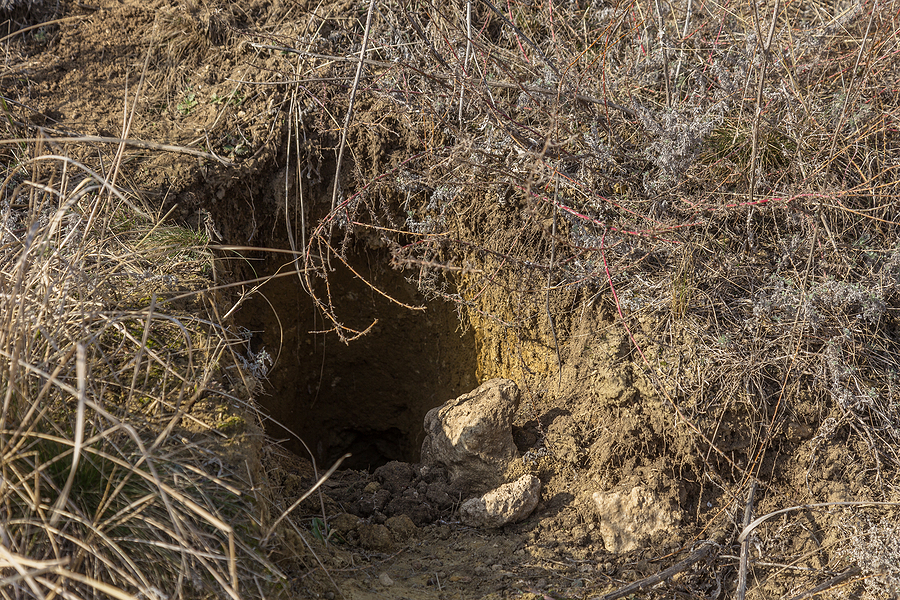
A groundhog burrow is not just a hole; it is a mansion. These tunnels can extend up to 66 feet and feature multiple levels. Impressively, they designate specific chambers for different purposes, including a nursery for pups and a separate “bathroom” chamber to maintain hygiene within the den.

They have a vocal nickname

Groundhogs are often called “whistlepigs.” This nickname comes from the high-pitched whistle they emit to warn others of approaching danger.

Why Control Groundhogs Humanely?

While their biology is impressive, their excavation skills can be destructive. A single woodchuck can move nearly 700 pounds of dirt to create a burrow. This digging can undermine building foundations, destroy root systems in gardens, and create tripping hazards for livestock and humans.

However, addressing the issue requires a humane and legal approach. In Virginia, wildlife laws are strict regarding the handling of nuisance animals. Specifically, it is illegal to trap and relocate an animal to another area. This regulation is in place to prevent the spread of disease and to ensure animals are not dumped into territories where they cannot survive.

Because relocation is not an option for homeowners, the focus must shift to exclusion (keeping them out) or professional wildlife removal on-site.

Tips for Humane Groundhog Control

If a woodchuck has taken up residence under your shed or is eyeing your vegetable garden, exclusion is your most effective tool.

Install a “Floppy” Fence

Groundhogs are surprisingly good climbers. A standard rigid fence often acts as a ladder. Instead, use chicken wire or welded wire mesh. The top 12 inches of the fence should not be secured to a post; leave it flimsy and bent outward. When the animal tries to climb over, the wire will bend under its weight, dropping the animal back to the ground.

The “L-Footer” Technique

Since they cannot climb the fence, they will try to dig under it. To stop this, you must bury the bottom of your fence.

  1. Dig a trench 12 inches deep along your fence line.
  2. Bend the bottom of your wire mesh into an “L” shape, extending it 12 inches outward (away from the garden).
  3. Bury this mesh. When the woodchuck digs down, they will hit the wire mesh floor and give up.

Modify Their Habitat

Make your yard less inviting. Woodchucks prefer cover to hide from predators.

  • Remove piles of brush or debris.
  • Trim tall grass and weeds around building foundations.
  • Harvest garden vegetables as soon as they are ripe to remove food sources.

Use Harmless Harassment

If a groundhog is investigating a new burrow, you can try to discourage them before they settle in. Pinwheels placed near the entrance create visual disturbances and vibrations. Motion-activated sprinklers can also startle them enough to make the area unappealing. Additionally, introducing scents that woodchucks dislike, such as predator urine or ammonia-soaked rags, near their burrow entrance can act as a deterrent. It’s important to reapply these deterrents regularly to maintain their effectiveness.

Woodchuck Control in Richmond Virginia

Need Professional Groundhog Removal in Richmond, VA?

If you’re dealing with a persistent groundhog problem, it can be stressful and overwhelming to manage on your own. While DIY methods may work in some cases, there are times when professional assistance is the most effective solution. At Virginia Wildlife Pros, we specialize in safe, humane, and effective woodchuck removal services for residents in Richmond, VA, and the surrounding areas.

Our trained and experienced team uses proven techniques to protect your property while ensuring the well-being of the wildlife we handle. By identifying the root of the issue and implementing tailored solutions, we help prevent groundhogs from returning. Don’t let groundhogs take control of your yard—Contact Us Today for a consultation or to schedule your service. Together, we can restore peace to your outdoor space.

FAQ Section

Why should I address a groundhog problem promptly?

Woodchuck activity can lead to significant property damage. They can burrow under structures, weaken foundations, and destroy gardens or crops. Acting quickly helps mitigate long-term damage and ensures your yard stays safe and functional.

Are your methods humane?

Yes, our team is committed to using humane and effective techniques to remove groundhogs while taking their well-being into account. We follow industry best practices and prioritize ethical wildlife management.

How can I prevent woodchucks from returning after removal?

Prevention involves a combination of physical barriers, managing attractants like food sources, and maintaining a well-kept yard. Our team will provide detailed recommendations to minimize the chances of groundhogs returning to your property.

Do I need professional help, or can I handle groundhog removal myself?

While DIY methods might seem appealing, professional help ensures the problem is resolved safely and effectively. Our trained team identifies the root cause and implements targeted solutions, saving you time, effort, and potential risks.

Quick Recap

  • Groundhogs can cause structural damage and destroy gardens if left unchecked.
  • Our services focus on humane removal techniques and long-term prevention.
  • Addressing groundhog issues early prevents extensive property damage.
  • Professional groundhog removal ensures effective resolution and peace of mind.

Conclusion

Groundhog problems don’t have to disrupt your life or damage your property. With our compassionate yet highly effective removal services, you can reclaim control of your yard and protect your home. Don’t wait for the problem to worsen; take proactive steps now.

Call Us Now to Schedule Your Consultation—together, we’ll create a safer, more enjoyable outdoor space!

Related Post: Groundhog Removal and Control in Virginia: A Complete Guide for Homeowners

Is Your Attic Hosting Unwanted Guests? Signs You Need Wildlife Proofing and Repair

There is something deeply unsettling about hearing a bump in the night that isn’t the house settling or the wind rattling a window pane. For many homeowners in Virginia, that scratching sound above the bedroom ceiling is the first clue that the boundary between nature and their living space has been breached. While we often admire the diverse wildlife that calls the Commonwealth home—from the clever raccoon to the agile flying squirrel—admiration quickly turns to anxiety when these creatures decide to move in with us.

Wildlife intrusion is more than just a nuisance; it is a significant threat to the safety and sanitation of your home. Animals seeking shelter, particularly during the colder months or breeding seasons, can exploit the tiniest gaps in your home’s exterior. Once inside, they don’t just sleep; they nest, breed, and destroy.

Understanding the subtle and not-so-subtle indicators of an infestation is the first step toward reclaiming your territory. By recognizing these signs early, you can implement effective wildlife proofing and repair strategies before a minor intrusion becomes a costly catastrophe.

Call 804-292-0156 for Animal Proofing & Repair in Richmond Virginia

Signs of Nuisance Animal Intrusion

Animals are naturally stealthy, often living in our attics or crawlspaces for weeks before being detected. However, they almost always leave evidence of their presence.

Strange Noises at Odd Hours

The timing and type of noise can often identify the intruder. Virginia’s flying squirrels, for instance, are nocturnal. If you hear scurrying or rolling sounds (like an acorn rolling across the drywall) late at night, you likely have rodents. Heavier thumping or “walking” sounds often indicate a larger mammal, such as a raccoon or opossum. Conversely, gray squirrels are active during the day, so scratching noises in the morning might point to them.

Unpleasant Odors and Droppings

One of the most dangerous signs of intrusion is the accumulation of waste. Bat guano and urine can create a strong, ammonia-like odor that permeates through ceilings. Identifying droppings is crucial but hazardous; for example, mouse droppings are small and pellet-like, while bat guano looks similar but crumbles into a dusty powder. This powder is dangerous to inhale, so inspection should always be done with caution.

Physical Damage to Your Home’s Exterior

Walk around the perimeter of your house and look up. Are your soffits loose or hanging? Do you see torn screens on attic vents? Raccoons have the dexterity to rip open vents, while squirrels can chew through wood, plastic, and even aluminum siding to widen an entry point. Check your chimney as well—uncapped chimneys are an open invitation for birds and raccoons to nest.

Risks of Ignoring Wildlife Problems

It can be tempting to ignore a faint scratching sound, hoping the animal will leave on its own. Unfortunately, wildlife rarely evict themselves, and the consequences of inaction are severe.

Serious Health Hazards

Wildlife carries diseases that can transmit to humans and pets. According to the Virginia Department of Health, raccoons, skunks, and foxes are primary carriers of rabies in Virginia. While human cases are rare, the risk remains if you or a pet come into contact with a sick animal.

Furthermore, droppings pose a silent threat. The Centers for Disease Control and Prevention (CDC) warns that bat and bird droppings can harbor Histoplasma, a fungus that causes histoplasmosis, a respiratory disease. Disturbing dry guano releases fungal spores into the air, which can be inhaled by anyone in the home.

Costly Property Damage

Rodents, including squirrels and mice, have teeth that never stop growing. To keep them filed down, they gnaw on hard surfaces—including electrical wiring. This creates a significant fire hazard behind your walls. Additionally, animals trample and soil fiberglass insulation, rendering it useless and requiring expensive replacement to maintain your home’s energy efficiency.

Wildlife Proofing Methods

Prevention is always less expensive than repair. Wildlife proofing, often called “exclusion,” involves making your home impenetrable to pests.

  • Seal Entry Points: Inspect your foundation, siding, and roofline. Seal cracks and holes with durable materials like steel wool or heavy-gauge hardware cloth, which animals cannot chew through.
  • Install Chimney Caps: A stainless steel chimney cap allows smoke to escape while preventing animals from nesting in the flue.
  • Secure Vents: Replace standard insect screens on attic vents with sturdy animal-proof covers that are screwed into the frame.
  • Limit Food Sources: Secure trash cans with tight-fitting lids and avoid leaving pet food outdoors. If you have bird feeders, keep the ground below them clean, as overflowing seeds attract rodents.
  • A Critical Warning on Sealing: Before sealing any holes, you must be 100% certain no animals are inside. Sealing a mother raccoon or a colony of bats inside your attic is cruel and creates a secondary problem when they perish inside your walls.

Schedule an Animal Proofing & Repair Estimate Today 📅

When to Seek Professional Help

While DIY proofing is effective for prevention, active infestations often require professional intervention. In Virginia, specific laws protect certain wildlife. For example, the Virginia Department of Wildlife Resources (DWR) notes that it is illegal to poison nuisance wildlife. Furthermore, bats are protected during their maternity season (typically spring through summer). Excluding bats during this time can trap flightless pups inside, which is both illegal and inhumane.

You should seek professional help if:

  • You suspect the presence of a mother and babies.
  • The animal is potentially dangerous or acting aggressively.
  • The entry points are high up on a steep roof or in hard-to-reach crawlspaces.
  • You are dealing with protected species like bats.

Benefits of Professional Animal Damage Repair

Hiring an expert offers peace of mind that the job is done safely and legally. Professionals understand animal biology and behavior. They know, for instance, that Virginia law generally requires trapped nuisance wildlife to be euthanized rather than relocated, to prevent the spread of disease.

Professionals also use specialized equipment, such as one-way doors that allow animals to exit your home but prevent them from re-entering. Once the animals are gone, experts can perform the dirty, dangerous work of cleaning up hazardous waste using industrial-grade respirators and disinfectants, followed by repairing insulation and drywall to restore your home to its original condition.

Final Thoughts

Your home should be a sanctuary for your family, not a winter retreat for the neighborhood wildlife. If you hear suspicious noises or notice damage around your roofline, don’t wait for the problem to escalate. Addressing the issue immediately protects your property value and your family’s health.

For homeowners in the Richmond, Virginia area, professional help is just a call away. Don’t tackle dangerous wildlife alone—reach out to our licensed animal damage repair specialists today to reclaim your attic and sleep soundly once again.

Call for a Free Estimate

Related Post: Virginia Wildlife Under Your Porch? Your Next Steps

Winter Wildlife in Richmond: How to Protect Your Property

Richmond’s winters may be milder than those in the Northeast, but when the temperatures drop along the James River, local wildlife starts looking for shelter. For raccoons, squirrels, and rodents, your attic or crawl space offers the perfect refuge from the cold. Unfortunately, what is cozy for them can be disastrous for your home.

As winter sets in, wildlife activity shifts from foraging in the open to seeking warmth and security. Animals that might usually stay in the trees or underground suddenly view your vents, chimneys, and loose siding as invitations. Understanding these behaviors is the first step in protecting your property. By identifying the signs early and taking proactive measures, you can prevent costly damage and health risks before they take root.

Winter Wildlife Control in Richmond VA

Common Winter Pests in Richmond

In the Richmond area, several species become particularly troublesome during the winter months. Understanding their habits can help you spot an infestation before it spirals out of control.

Rodents (Mice and Rats)

Mice and rats are perhaps the most persistent winter invaders. They can squeeze through impossibly small openings—a mouse needs a hole only the size of a dime. Once inside, they reproduce rapidly and can contaminate food sources and insulation. According to the CDC, rodent droppings can spread diseases, making them a serious health hazard rather than just a nuisance.

Squirrels

Eastern gray squirrels and flying squirrels are common sights in Richmond neighborhoods. While they are entertaining in the park, they are destructive houseguests. Flying squirrels, in particular, are nocturnal and often invade attics in groups during winter to share body warmth. They are known for gnawing on electrical wiring, which poses a significant fire risk.

Raccoons

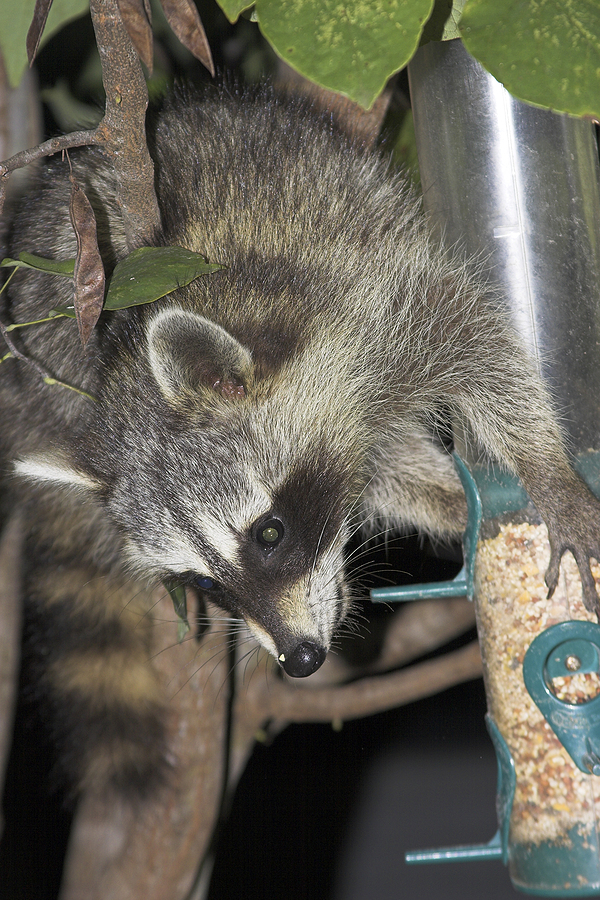
Raccoons are highly adaptable and intelligent. In urban and suburban Richmond, they often den under decks, in crawl spaces, or in attics. They are strong enough to tear off shingles or vents to gain entry. While seeing a raccoon during the day isn’t necessarily a sign of rabies, abnormal behavior—like stumbling or aggression—is a red flag that requires immediate professional attention.

Effective Wildlife Control Tips

Exclusion is the most effective, humane, and long-term solution for wildlife control. By sealing entry points, you encourage animals to find shelter elsewhere.

Seal Entry Points

Inspect your home’s exterior for gaps, cracks, or holes. Pay close attention to areas where utility pipes enter the house, as well as rooflines and eaves. Use steel wool and caulk to seal small holes, as rodents can chew through foam sealants and wood.

Manage Food Sources

Wildlife is driven by the search for food.

  • Bird Feeders: If squirrels are becoming a problem, consider removing bird feeders temporarily or installing baffles. The Virginia Department of Wildlife Resources (DWR) suggests placing feeders at least 15 feet away from any structure an animal could jump from.
  • Trash: Secure trash cans with tight-fitting, animal-proof lids.
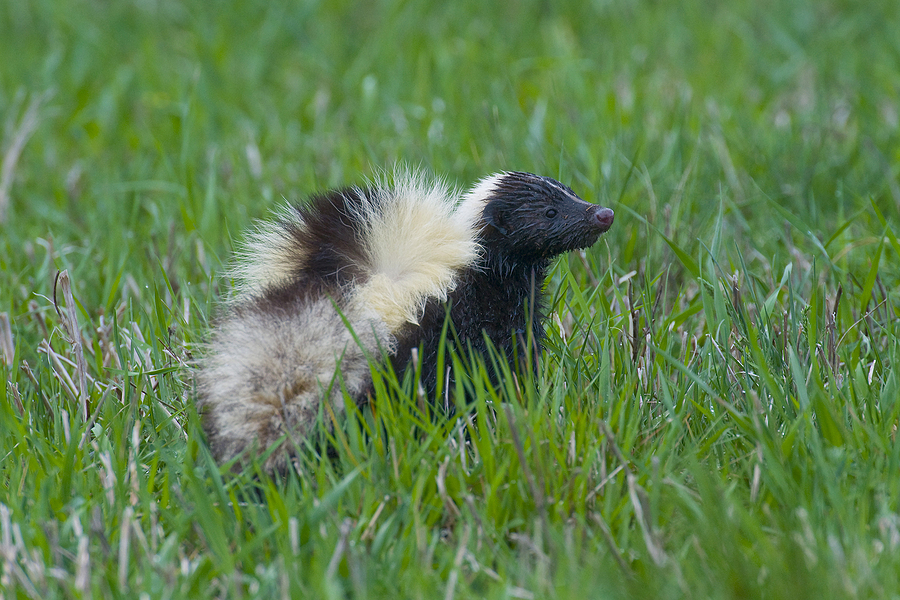
  • Pet Food: Avoid leaving pet food outside overnight, as this is a major attractant for raccoons and skunks.

Maintain Your Yard

Trim tree branches that hang over your roof. These act as bridges for squirrels and raccoons to access your attic. Additionally, clearing fallen fruit and heavy brush reduces the cover and food available to pests near your home’s foundation.

Request a Free Wildlife Control Assessment Today

When to Call a Professional Service

While minor exclusions can be DIY projects, active infestations often require professional intervention. Wildlife removal is not just about catching an animal; it’s about doing so safely, humanely, and legally.

Health Risks

Cleaning up after an infestation is dangerous. Rodent urine and droppings can carry Hantavirus and other pathogens. The CDC explicitly warns against sweeping or vacuuming droppings, as this can release virus-carrying particles into the air. Professionals have the proper personal protective equipment (PPE) and disinfectants to remediate biohazards safely.

Structural Integrity

Animals can cause unseen damage, from chewed wires inside walls to soiled insulation that needs replacing. A professional wildlife control operator can assess the full extent of the damage and recommend comprehensive animal proofing and repairs to restore your home’s integrity.

Navigating Local Regulations

Wildlife control in Richmond is subject to specific state and local laws designed to protect both the public and the animals.

Trapping and Relocation

It is crucial to know that relocating wildlife is generally illegal in Virginia. The Virginia DWR states that trapping and moving an animal to another location—such as a park or wooded area—is prohibited. This is to prevent the spread of diseases like rabies and to avoid disrupting established ecosystems.

City Ordinances

Richmond city code also has strict rules regarding wildlife. Specifically, transporting or importing high-risk species like raccoons, skunks, and foxes into the city is prohibited. Furthermore, if a wild animal bites or injures a human and is suspected of being rabid, city ordinances mandate that it must be humanely euthanized and tested. Attempting to handle these animals yourself puts you at legal and physical risk.

Secure Your Home This Season

Winter should be a time of comfort, not a battle against uninvited guests in your attic or walls. Protecting your home from wildlife requires vigilance, preventative maintenance, and a respect for the animals’ habits and the laws governing them.

If you suspect you have a wildlife issue, don’t wait for the damage to worsen. Contact our team of licensed professionals today for safe, humane, and effective wildlife removal in Richmond and the surrounding areas. Let us help you reclaim your home and peace of mind this winter.

Call Now to Book Service

Related Post: Bracing for Winter: Your Guide to Animal-Proofing in Virginia

How to Get Rid of Mice in the House Effectively

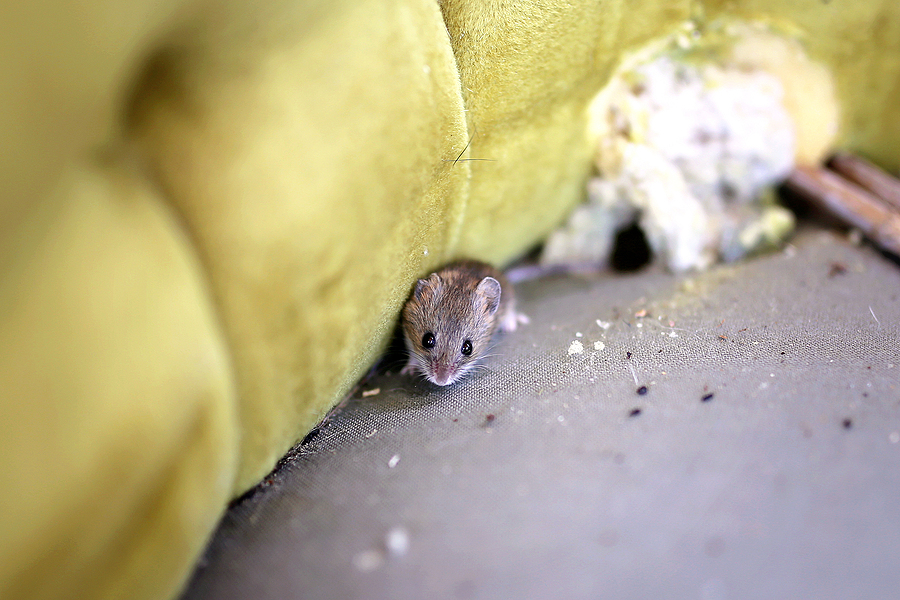
It’s late at night, and the house is quiet. Just as you’re drifting off to sleep, you hear it—a faint scratching sound behind the wall or the telltale scurry of tiny claws across the floor. Few things disrupt your peace of mind quite like the realization that you’re sharing your home with a mouse. These uninvited guests are not only unsettling but also pose significant risks to your health and the safety of your property.

While a single mouse might seem manageable, it’s rarely an isolated incident. Mice reproduce quickly, turning a minor nuisance into a full-blown infestation in a matter of weeks. They can chew through electrical wires, contaminate your food supply, and spread harmful bacteria throughout your living space. Ignoring the problem isn’t an option if you want to protect your home and your family’s well-being.

The good news is that you don’t have to resort to harsh chemicals or dangerous poisons to reclaim your space. By understanding what attracts rodents and implementing strategic control methods, you can effectively remove them and prevent their return. This guide will walk you through identifying the signs of an infestation, exploring humane and non-toxic solutions, and sealing your home against future invasions.

Call 804-292-0156 to Get Rid of Mice in Richmond Virginia

Identifying a Mouse Infestation in the House

Often, you’ll see the signs of a mouse long before you see the creature itself. Mice are nocturnal and naturally secretive, preferring to move under the cover of darkness. However, they leave behind distinct clues that can alert you to their presence if you know what to look for.

Droppings

The most common indicator is droppings. Mouse droppings are small, dark, and rod-shaped, typically found near food packages, inside drawers, or under sinks.

Gnaw Marks

You might also notice gnaw marks on baseboards, furniture, or pantry items. Because their teeth never stop growing, mice must chew constantly to keep them filed down, leaving damaged materials in their wake.

Smudges on Walls

Another subtle sign is the presence of “rub marks”—dark, greasy smudges along walls or baseboards where their fur brushes against surfaces as they travel their regular routes.

Nesting Signs and Sounds

Additionally, nesting materials like shredded paper, fabric, or dried plant matter tucked away in quiet corners can indicate that a mouse has made itself comfortable. If you hear scratching or squeaking sounds in your walls or ceilings, especially at night, it’s time to take action.

Natural Mouse Deterrents

For homeowners wary of using toxic baits or poisons, especially those with children or pets, natural deterrents offer a safer initial line of defense. These methods focus on making your home less attractive and hospitable to rodents, encouraging them to seek shelter elsewhere.

Sanitation is your most powerful tool. Mice are driven primarily by the search for food and shelter. By eliminating their food sources, you make your home far less appealing. Store all pantry items, including pet food and birdseed, in airtight glass, metal, or heavy-duty plastic containers. Clean up crumbs and spills immediately, and ensure your garbage cans have tight-fitting lids.

While scientific evidence regarding scent-based deterrents is mixed, many homeowners report success using strong odors that mice find unpleasant. Peppermint oil is a popular choice; soaking cotton balls in 100% pure peppermint oil and placing them near suspected entry points may help repel them. However, these scents dissipate quickly and must be refreshed often to remain effective.

Ultimately, removing the resources they need to survive is the most reliable “natural” deterrent.

Request a Free Mouse Infestation Assessment Today

Humane Mouse Trapping Methods

If you want to remove mice without harming them, humane catch-and-release traps are a viable option. These traps are designed to lure the mouse inside and contain it safely until you can release it back into the wild. Unlike snap traps or glue boards, which can cause injury or death, live traps prioritize the animal’s welfare.

To use these traps effectively, bait them with high-protein foods like peanut butter, which is sticky and harder for the mouse to steal without triggering the mechanism. Place the traps along walls where you have seen activity, as mice rarely travel across open spaces. Check the traps frequently—at least once a day—to ensure any captured animal doesn’t suffer from dehydration or stress.

When releasing a captured mouse, distance is key. To prevent the mouse from returning to your home, release it at least two miles away in a wooded or rural area. Be mindful of local regulations regarding the release of wildlife, and always wear gloves when handling traps to protect yourself from potential diseases.

Preventing Rodents With Proper Exclusion

The most effective way to handle a mouse problem is to prevent it from happening in the first place. This process, known as wildlife exclusion, involves finding and sealing the gaps that allow mice to enter your home. You might be surprised to learn that a mouse can squeeze through a hole the size of a dime (about 1/4 inch).

Start by inspecting the exterior of your home. Look for cracks in the foundation, gaps around windows and doors, and openings where utility pipes or wires enter the house. Pay close attention to corners and vents.

Once you have identified these entry points, seal them with durable materials. Avoid using plastic, rubber, wood, or spray foam alone, as mice can easily chew through these. Instead, fill small holes with steel wool or copper mesh, which rodents cannot gnaw through, and seal it in place with caulk.

For larger openings, use hardware cloth (wire mesh) or cement. Installing door sweeps on exterior doors is another simple yet effective measure to block their access.

Professional Rodent Control

Sometimes, despite your best efforts, an infestation can persist. If you are noticing signs of a large population, such as daytime sightings or a strong ammonia-like smell of urine, it may be time to call in the experts. A professional pest control service has the training and tools to identify nesting sites you might miss and can implement a comprehensive removal plan.

Professionals can also help with the cleanup process, which is critical for health and safety. Cleaning up mouse droppings requires care to avoid inhaling harmful particles. Professionals know how to sanitize areas safely and can provide specialized exclusion services to rodent-proof your home permanently.

In Summary

Getting rid of mice requires vigilance and a proactive approach. By combining proper sanitation, exclusion techniques, and humane removal methods, you can reclaim your home and peace of mind. Remember, the goal is not just to remove the current intruders but to create an environment where they cannot return. Start with a thorough inspection of your property today, and tackle those small repairs that make a big difference. A secure, clean home is the best defense against unwanted guests.

For reliable, professional rodent removal and control in Richmond, Virginia, contact our team of experts today. We’ll help you safeguard your home and ensure your family stays healthy and comfortable.

Call for a Free Estimate

Related Post: Banish Mice from Your Home with These Proven Rodent Removal Strategies

Virginia Beaver Dam Removal: Laws, Problems, and Solutions

A beaver dam is a marvel of natural engineering, capable of transforming a trickling stream into a thriving wetland ecosystem. But when that transformation happens in your backyard, threatening your septic system or flooding your driveway, admiration quickly turns to frustration. For Virginia property owners, beavers are a complex challenge—balancing their ecological benefits with the very real damage they cause to timber, crops, and infrastructure requires a strategic approach.

Understanding how to manage these industrious rodents is crucial for protecting your property. It isn’t just about removing a dam; it’s about navigating Virginia’s specific wildlife laws, understanding water flow, and choosing the right mitigation technique for your landscape.

Call 804-292-0156 for Professional Beaver Trapping and Removal in Richmond Virginia

Why Do Beavers Build Dams?

Beavers don’t build dams to annoy homeowners; they build them for survival. As large, awkward rodents on land, beavers are vulnerable to predators like coyotes and bears. In the water, however, they are graceful and fast. By damming a stream, they create a deep-water pond that serves two primary purposes:

  • Protection: The pond acts as a moat around their lodge, providing a safe underwater entrance that predators cannot access.
  • Food Storage: The deep water allows them to store food caches (branches and logs) underwater, ensuring they have access to nutrition even when the surface freezes during a Virginia winter.

Understanding this biological drive is key to management. If you remove a dam without addressing the beaver’s need for deep water, they will almost certainly rebuild it—often overnight.

Common Problems Caused by Beaver Dams

While beaver ponds can attract ducks and filter pollutants, the location of the dam often puts it in direct conflict with human land use.

  • Flooding: This is the most immediate threat. Rising water levels can submerge roads, driveways, and basements. In agricultural areas, it can saturate fields, making them unfarmable.
  • Septic System Failure: If a beaver pond raises the local water table, it can flood septic drain fields, leading to costly repairs and health hazards.
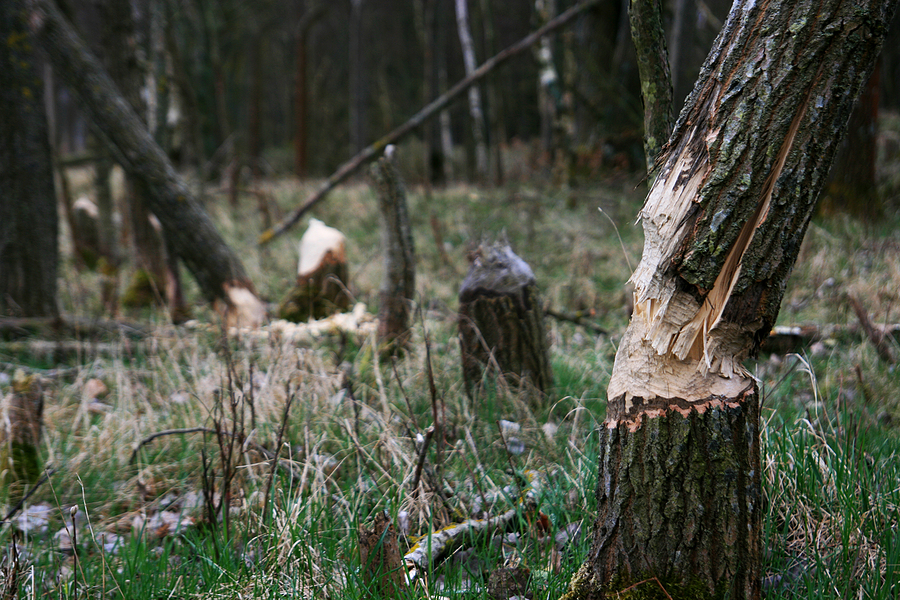
  • Timber and Tree Loss: Beavers are notoriously destructive to trees, both by chewing them down for construction and by drowning root systems through flooding.
  • Road Instability: When beavers block culverts (a favorite spot because the constriction makes damming easy), the resulting water pressure can wash out roads entirely.

Virginia Laws on Beaver Dams and Removal

Before you drag a hook out to the creek, you must understand the legal landscape. Virginia has specific regulations governing both the animals and the water bodies they alter.

Is a Permit Required to Remove a Dam?

Generally, beaver dams themselves are not a regulated resource by the Virginia Department of Wildlife Resources (DWR) and can be removed or altered without a permit from the DWR. However, this comes with a major caveat: Wetland and Stream regulations.

Altering a dam often involves excavation or changing the flow of a stream, which may fall under the jurisdiction of the Virginia Department of Environmental Quality (DEQ). State law requires a Virginia Water Protection (VWP) permit before disturbing a wetland or stream by clearing, filling, or excavating. Before removing a large established dam, it is wise to consult with DEQ or the U.S. Army Corps of Engineers to ensure you aren’t violating federal or state wetland laws.

Rules for Managing the Beavers

Removing the dam doesn’t remove the problem if the beaver remains. In Virginia, the beaver is classified as a nuisance species.

  • No Relocation: Moving live beavers to another area is strictly prohibited under Virginia Code. This prevents the spread of diseases and ensures you aren’t just dumping your problem onto a neighbor or public land.
  • Lethal Control: Landowners may kill beavers or have them killed if they are causing damage to crops, lands, or property. A “kill permit” is not required from the DWR for landowners addressing damage, though local ordinances regarding firearms and trapping still apply.
  • Trapping Seasons: There is a continuous open trapping season in specific localities, including Arlington, Fairfax, Henrico, Loudoun, and Prince William counties. In other areas, the regulated season typically runs from December through February.

Request a Free Beaver Removal & Control Assessment

Mitigation Techniques: Non-Lethal Options

If you want to coexist with beavers without losing your property to flooding, “flow devices” are the gold standard. These ingenious systems trick beavers into letting water flow through their dams.

Pond Levelers (The “Clemson” Leveler)

A pond leveler is a pipe system installed through the dam. The intake end of the pipe is submerged upstream and protected by a cage.

  • How it works: Beavers rely on the sound and feel of rushing water to detect leaks. By placing the intake far upstream and underwater, the pond leveler silences the flow. The beaver doesn’t realize the dam is leaking, and the water level remains at a manageable height set by the pipe.
  • Best for: Free-standing dams in streams or creeks.

Beaver Deceivers and Culvert Fences

Culverts are magnets for beavers because the road has already done most of the work for them. A “Beaver Deceiver” is a trapezoidal fence built around the upstream opening of a culvert.

  • How it works: It forces the beaver to build their dam further away from the culvert entrance, where the current is weaker and the dam is wider. This usually discourages them enough to move on, or allows water to flow through the fence even if they build against it.

Exclusion Fencing

To save individual trees, wrap them in hardware cloth or heavy wire mesh.

  • Specification: The mesh should extend at least 30 inches (preferably 4 feet) high to account for snow or standing beavers. Leave a few inches of space between the mesh and the trunk to allow the tree to grow.

DIY vs. Professional Help

Can you handle beaver management yourself? It depends on the scale of the problem.

DIY is appropriate when:

  • You are wrapping trees to prevent chewing.
  • You are clearing small, newly formed debris in a culvert (with safety precautions).
  • You are comfortable with and licensed for trapping (during season).

Call a Professional when:

  • The dam is large: Releasing a large volume of water suddenly can cause downstream flooding and sedimentation, leading to legal liability and environmental damage.
  • Trapping is required: Professional trappers understand how to avoid non-target species and handle the animals humanely and legally.
  • Installing flow devices: Devices like the Clemson Leveler require precise engineering. If the intake isn’t deep enough or the pipe isn’t sized correctly, the system will fail.

Beaver Control and Preventative Maintenance

The best way to deal with a beaver dam is to prevent it from being built in the first place.

  • Alter the Habitat: Remove preferred food sources (willow, aspen, sweetgum) from the immediate shoreline. Replace them with less desirable species like pine.
  • Electric Fencing: Low-voltage electric tape strung near the water’s edge can deter beavers from coming ashore to forage.
  • Regular Monitoring: Walk your creek lines regularly. It is much easier to discourage a beaver by breaking up a “starter dam” of mud and a few sticks than it is to remove a massive established structure.

Restoring Balance to Your Property

Managing beaver conflicts is rarely a one-time event; it is an ongoing process of monitoring and maintenance. Whether you choose to install a flow device to coexist with your aquatic neighbors or opt for removal to protect critical infrastructure, acting within Virginia law is essential. If you are facing a severe blockage or extensive flooding, don’t wait until the damage is irreversible.

Is a beaver dam threatening your property? Our licensed wildlife control experts specialize in humane beaver removal and dam management in Richmond and the surrounding counties. We can help you navigate the regulations and restore your property’s safety. Contact Us Today for a free estimate.

Call Now to Schedule

Related Post: Beavers Begone: Strategies for Safe and Effective Beaver Removal

Dead Animal Pickup in Richmond, VA: Who to Call

Discovering a dead animal on or near your property can be distressing. Beyond the unpleasant sight and smell, it poses significant health and safety risks. A deceased animal can attract pests, spread diseases, and create an unsanitary environment for you and your family. Understanding how to handle this situation correctly is crucial for maintaining a safe and healthy home.

This guide will walk you through the proper steps for dead animal removal in Richmond, Virginia. We’ll cover common scenarios you might face, explain who to contact for assistance, and provide tips to help prevent animals from dying on your property in the first place. Knowing the right course of action ensures the issue is resolved quickly, safely, and humanely.

Dead Animal Pickup in Richmond Virginia

Common Scenarios for Animal Removal

Residents in Richmond may encounter a dead animal in several different situations. The location of the animal often determines who is responsible for its removal.

Animals on Public Roads and Sidewalks

It is unfortunately common to see deceased animals, such as deer, raccoons, or opossums, on public roads or sidewalks after being struck by vehicles. These animals create traffic hazards and public health concerns, requiring prompt removal by city authorities.

Animals in Your Yard or on Private Property

Finding a dead animal in your yard, whether it’s a squirrel, bird, or even a neighborhood pet, is another frequent occurrence. While it’s on your property, the responsibility for removal can sometimes be confusing. Depending on the animal and its exact location, you may need to handle it yourself or call for professional help.

Animals Inside Your Home

The most unsettling scenario is discovering a dead animal inside your home, such as in the attic, walls, or basement. This often happens when rodents or other wildlife find their way inside seeking shelter and become trapped. The resulting odor and potential for contamination make this an urgent issue that typically requires professional wildlife control services.

Who to Call for Dead Animal Pickup

In Richmond, VA, your options for dead animal removal depend on where the animal is located. Here is a breakdown of who to contact for help:

Richmond City Services

For dead animals located on public property, such as roads, sidewalks, and city parks, the City of Richmond provides removal services.

Richmond Animal Care and Control (RACC)

The RACC is the primary contact for deceased domestic animals (like dogs and cats) on public land. They work to identify the animal and notify the owner if possible.

  • Contact: You can reach the RACC at (804) 646-5573.
  • Hours: They operate seven days a week, but response times may vary.

Department of Public Works (DPW)

The DPW handles the removal of dead wild animals from public roads and rights-of-way. This includes animals like deer, raccoons, and squirrels.

  • Contact: Report issues through the RVA311 system by calling 3-1-1 or (804) 646-7000, or by using the RVA311 online portal or mobile app.
  • Hours: Service requests are typically addressed during standard business hours, Monday through Friday.

It’s important to provide a precise location when you make a report to ensure a swift response.

Private Wildlife Removal Companies

If the dead animal is on your private property, you are generally responsible for its removal. While you can handle it yourself, it is often safer and more effective to hire a professional wildlife control company. These companies are equipped to safely remove and dispose of the animal, as well as decontaminate the area to eliminate health risks. When choosing a private company, look for one that is licensed, insured, and has experience with humane and sanitary removal practices.

Schedule a Wildlife Control Inspection Right Now 📅

How to Prevent Animals on Your Property

Taking proactive steps can reduce the likelihood of animals dying on or near your property. Prevention is the most effective way to avoid the stress and expense of removal.

  • Secure Trash Cans: Use trash cans with tight-fitting lids to keep animals from rummaging for food.
  • Eliminate Food Sources: Do not leave pet food outside overnight, and clean up fallen fruit or seeds from bird feeders.
  • Seal Entry Points: Inspect your home’s exterior for cracks, holes, or gaps. Seal any potential entry points into your attic, basement, crawlspace, and under porches to prevent animals from getting inside.
  • Maintain Your Yard: Keep your lawn mowed and trim back overgrown bushes or trees where animals might hide or build nests.
  • Install Fencing: A sturdy fence can be an effective barrier to keep larger animals like deer and raccoons out of your yard.

Frequently Asked Questions

What should I do if I find a dead bird?

The Virginia Department of Wildlife Resources (DWR) sometimes tracks bird deaths to monitor for diseases like avian flu. While you can typically dispose of a single dead bird in your trash (wearing gloves), you can also report it to the DWR, especially if you find multiple dead birds in one area.

Can I bury a dead animal in my yard?

While it may seem like a simple solution, burying animals is often not recommended. Improper burial can attract other animals that may dig up the carcass, and it can potentially contaminate soil and groundwater. It is safer to follow city guidelines or have it professionally removed.

Is it safe to handle a dead animal myself?

Handling a dead animal poses health risks. They can carry diseases, bacteria, and parasites like fleas and ticks. If you must move a small animal, always wear thick, waterproof gloves, use a shovel, and place it in a sealed plastic bag. Wash your hands thoroughly afterward. For larger animals or those inside your home, it is always best to call a professional.

What causes the bad smell, and how long will it last?

The odor comes from the decomposition of the body. The duration of the smell depends on the size of the animal, temperature, and humidity. It can last for several weeks or even months if the animal is not removed. Professional services can sanitize and deodorize the area to eliminate the odor.

Ensure Your Home is Secure

Properly removing a deceased animal is essential for the health and safety of your community. Knowing who to call in Richmond, VA—whether it’s the city for public spaces or a professional for your private property—ensures the situation is handled efficiently and safely.

If you are dealing with recurring wildlife issues or want to prevent animals from entering your home, professional help is available. Contact Us Today for expert wildlife control and animal-proofing services to protect your property and give you peace of mind.

Call Now for Service

Related Post: Dead Animal Removal: A Complete Guide for Homeowners

Raccoons and Rabies: What You Need to Know

Raccoons are a common sight in many neighborhoods, often admired for their cleverness and distinctive masked faces. While they can seem charming, it’s important to remember they are wild animals and can pose a significant health risk, primarily through the transmission of rabies. Understanding the connection between raccoons and this serious disease is crucial for keeping your family and pets safe.

This post will explore what rabies is, why raccoons are frequent carriers, and how you can identify a potentially rabid animal. We will also cover essential safety measures, local statistics for Virginia, and when it’s necessary to call for professional help. Arming yourself with this knowledge helps you coexist safely with local wildlife.

Call 804-292-0156 for Professional Richmond Raccoon Removal Service

Understanding the Rabies Virus

Rabies is a viral disease that affects the central nervous system of mammals, including humans. The virus is almost always fatal once clinical symptoms appear. It is typically transmitted through the saliva of an infected animal, most commonly through a bite. The virus travels from the point of entry along the nerves to the brain, where it multiplies and causes severe inflammation.

Once the virus reaches the brain, symptoms begin to develop. These can include fever, headache, and general weakness. As the disease progresses, more specific symptoms appear, such as insomnia, anxiety, confusion, paralysis, and hallucinations.

Eventually, it leads to death. There is no effective treatment for rabies once symptoms begin, which is why post-exposure prophylaxis (PEP)—a series of shots administered after a potential exposure—is so critical.

Why Raccoons Are Common Rabies Carriers

Raccoons are considered a primary “vector” species for rabies in the United States, particularly along the East Coast. Several factors contribute to their role in spreading the disease:

  • High Population Density: Raccoons thrive in a variety of environments, from forests to dense urban areas. Their adaptability allows their populations to grow, increasing the chances of disease transmission among them.
  • Social Behavior: While often seen alone, raccoons can congregate in shared dens or at food sources. This close contact facilitates the spread of the virus from one animal to another through bites or scratches.
  • Territorial Disputes: Raccoons, especially males, can be territorial and aggressive. Fights over mates, food, or territory often result in bites, which is the primary mode of rabies transmission.

In Virginia, raccoons are the most frequently reported rabid animal. According to the Virginia Department of Health, they account for a significant portion of all animal rabies cases each year, making public awareness and caution essential.

How to Identify a Rabid Raccoon

A healthy raccoon is typically nocturnal, naturally wary of humans, and moves with purpose. A rabid raccoon, however, will display noticeable and unusual behaviors. Recognizing these signs can help you identify a potential threat and take appropriate action.

Behavioral Signs

  • Abnormal Activity: A raccoon seen wandering aimlessly during the daytime may be a sign of illness. While not always indicative of rabies (a nursing mother might forage during the day), it is a significant warning sign when combined with other symptoms.
  • Unprovoked Aggression: A rabid animal may lose its natural fear of humans and other animals. It might act aggressively, attempting to attack people, pets, or even inanimate objects without any provocation.
  • Disorientation: The raccoon may appear confused, staggering, or unable to move correctly. It might seem “drunk” or partially paralyzed, often in the hind legs.
  • Strange Noises: Infected raccoons may make unusual vocalizations, from high-pitched hissing to clicking or chattering sounds.

Physical Signs

  • Foaming at the Mouth: This classic rabies symptom is caused by paralysis of the throat muscles, which makes swallowing difficult and leads to an accumulation of saliva.
  • Matted or Wet Fur: A sick raccoon may have wet or matted fur on its face and neck due to excessive drooling.
  • Self-Mutilation: In some cases, the animal may bite or scratch at the original site of the bite, causing significant injury to itself.

If you observe a raccoon exhibiting any of these signs, do not approach it. Keep a safe distance and contact your local animal control or health department immediately.

Book a Free Raccoon Control Inspection in Richmond

Prevention and Safety Measures

The best way to protect yourself and your pets from rabies is to avoid contact with wild animals, especially raccoons. Here are some practical steps you can take:

  • Secure Your Property: Ensure garbage cans have tight-fitting lids, and do not leave pet food or water outside overnight. These are easy food sources that attract raccoons and other wildlife.
  • Seal Entry Points: Inspect your home for any potential entry points, such as uncapped chimneys, loose siding, or openings in the attic or foundation. Sealing these access points can prevent raccoons from nesting on your property.
  • Vaccinate Your Pets: Keep rabies vaccinations for your dogs, cats, and even ferrets up to date. This is not only a legal requirement in many areas but also a critical barrier to the spread of the disease.
  • Educate Your Children: Teach children to never approach or touch wild animals, even if they appear friendly or sick.
  • Keep Your Distance: If you encounter a raccoon, maintain a safe distance and do not attempt to feed or interact with it.

What to Do if Bitten By a Raccoon

If you or your pet are bitten or scratched by a raccoon, it is a medical emergency.

Wash the Wound Immediately: Vigorously wash the wound with soap and water for at least 15 minutes. This can help reduce the amount of virus at the site of the bite.

  1. Seek Medical Attention: Contact your doctor or go to the nearest emergency room immediately. They will assess the situation and determine if you need PEP.
  2. Report the Incident: Report the bite to your local health department. If possible, and without putting yourself at further risk, try to identify the animal so it can be captured and tested for rabies.

When to Call a Professional Wildlife Control Company

While taking preventative measures is important, sometimes a raccoon problem requires professional intervention. If you have raccoons living in your attic, chimney, or under your deck, do not attempt to remove them yourself. A trapped or cornered raccoon can become extremely aggressive, increasing the risk of bites and scratches.

Professional wildlife removal services have the training, equipment, and knowledge to safely and humanely remove raccoons from your property. They can also help you identify and seal entry points to prevent future infestations, ensuring a long-term solution.

Key Points

Raccoons are an integral part of our local ecosystem, but their potential to carry rabies demands respect and caution. By understanding the risks, recognizing the signs of an infected animal, and taking proactive safety measures, you can significantly reduce the likelihood of a dangerous encounter. Protecting your home and vaccinating your pets are your best lines of defense. When in doubt, always prioritize safety and contact a professional for assistance.

Are raccoons creating a problem on your property? For safe and effective raccoon removal in Richmond, Virginia and surrounding areas, contact our team of experts today. We provide professional wildlife control services to protect your home and family.

Call for a Free Quote

Related Post: Understanding Rabies in Virginia: Wildlife, Pets, and You

Wildlife Health Risks: Transmissible Diseases in Virginia

Living alongside Virginia’s diverse wildlife population can be both rewarding and challenging. While spotting a raccoon family or observing bats at dusk brings natural wonder to our daily lives, these encounters also carry hidden health risks that every homeowner should understand. Virginia’s forests, suburbs, and urban areas host numerous species that can transmit serious diseases to humans and pets.

The Virginia Department of Health reports an average of 150-200 confirmed rabies cases annually, with incidents of animal bites reaching approximately 5,000 per year. These statistics highlight a critical reality: transmissible diseases from nuisance wildlife pose genuine threats to public health across the Commonwealth.

Understanding which animals carry these diseases, how transmission occurs, and what prevention measures work best empowers you to protect your family while respecting Virginia’s natural ecosystem. This comprehensive guide explores the most common transmissible diseases associated with Virginia wildlife and provides actionable strategies for safe coexistence.

Call 804-292-0156 for Professional Virginia Wildlife Removal Services

Common Nuisance Wildlife in Virginia

Virginia’s diverse habitats support numerous wildlife species that frequently interact with human populations. These animals often seek shelter, food, and water sources around residential properties, creating opportunities for disease transmission.

Raccoons top the list of nuisance wildlife in Virginia. These intelligent mammals thrive in both urban and rural environments, often establishing dens in attics, chimneys, or under porches. Raccoons are opportunistic feeders, frequently raiding garbage cans and pet food left outdoors. Their dexterous paws and problem-solving abilities make them particularly persistent when accessing human-provided food sources.

Bats represent another significant concern for Virginia homeowners. The state hosts sixteen bat species, with little brown bats and big brown bats commonly roosting in buildings. While bats provide valuable pest control services, their presence in homes creates potential health hazards.

Squirrels, including gray squirrels and flying squirrels, frequently invade attics and crawl spaces. These rodents can cause structural damage while establishing nesting sites and may carry various diseases transmissible to humans.

Skunks often den under decks, sheds, or porches, particularly during breeding season. Beyond their notorious defensive spray, skunks can transmit serious diseases through bites or scratches.

Foxes occasionally venture into suburban areas, especially during winter months when natural food sources become scarce. Red foxes and gray foxes both inhabit Virginia and can carry multiple transmissible diseases.

Opossums frequently shelter in residential areas, taking advantage of available food sources and nesting opportunities. North America’s only native marsupial, opossums are surprisingly resistant to many diseases but can still pose health risks.

Transmissible Diseases from Virginia Wildlife

Rabies

Rabies represents the most serious viral disease transmitted by Virginia wildlife. This fatal neurological condition affects the central nervous system of mammals, causing behavioral changes, paralysis, and ultimately death if left untreated.

Raccoons account for approximately 40% of confirmed rabies cases in Virginia, making them the primary concern for homeowners (Virginia Department of Health, 2023). Infected raccoons may appear disoriented, aggressive, or unusually docile. They might venture out during daylight hours, a behavior that typically indicates illness in these normally nocturnal animals.

Bats also carry rabies, though their small teeth can create nearly invisible puncture wounds. Any direct contact with bats should be treated as potential rabies exposure, especially if the bat was found indoors or seemed unable to fly normally.

Foxes represent another significant rabies vector in Virginia. Infected foxes may lose their natural fear of humans and approach residential areas during daylight hours.

Prevention measures include maintaining distance from all wild animals, securing garbage containers, and ensuring pets receive regular rabies vaccinations. If bitten or scratched by any wild animal, immediately wash the wound thoroughly with soap and water, apply antiseptic, and seek medical attention promptly.

Leptospirosis

Leptospirosis cases in Virginia have increased substantially over the last five years, primarily linked to contaminated water sources near wildlife habitats. This bacterial infection spreads through contact with urine from infected animals, particularly rodents.

Squirrels, rats, and other rodents shed leptospirosis bacteria in their urine, contaminating soil and water sources. Humans can contract the disease through contact with contaminated water, soil, or surfaces, especially if they have open cuts or wounds.

Early symptoms resemble flu-like illness, including fever, headache, muscle aches, and nausea. Without treatment, leptospirosis can progress to kidney damage, liver failure, or meningitis.

Prevention strategies include wearing protective clothing when cleaning areas where rodents may have been present, avoiding contact with potentially contaminated water, and maintaining proper hygiene after any outdoor activities.

Raccoon Roundworm

Raccoon roundworm (Baylisascaris procyonis) poses a particularly dangerous threat to human health. Raccoons shed millions of roundworm eggs in their feces, which remain infectious in soil for years.

Humans typically contract raccoon roundworm by accidentally ingesting contaminated soil, water, or objects. Children face higher risks due to their tendency to put hands and objects in their mouths during outdoor play.

This parasitic infection can cause severe neurological damage, including vision loss, brain damage, and even death. Early symptoms may include nausea, fatigue, and coordination problems.

Prevention requires avoiding areas with heavy raccoon activity, never attempting to clean raccoon latrines without professional help, and teaching children proper hand hygiene after outdoor activities.

Tularemia

Tularemia, also known as rabbit fever, spreads through contact with infected rabbits, rodents, and ticks. Virginia’s diverse small mammal population creates multiple transmission pathways for this bacterial infection.

Humans can contract tularemia through direct contact with infected animals, tick bites, or inhalation of contaminated dust. The disease manifests in several forms, with symptoms ranging from skin ulcers to pneumonia-like respiratory illness.

Prevention involves wearing gloves when handling any dead animals, using insect repellent to prevent tick bites, and avoiding areas with obviously sick or dead wildlife.

Schedule a Wildlife Control Inspection Today!

Preventative Measures for Wildlife Disease Control

Effective wildlife control begins with making your property less attractive to nuisance animals. Here are some pointers you can use:

Remove food sources by securing garbage containers with tight-fitting lids and avoiding feeding pets outdoors. Clean up fallen fruit from trees and maintain bird feeders properly to prevent spillage.

Seal potential entry points around your home’s foundation, roof line, and utility connections. Install chimney caps and repair damaged screens or vents that could provide access to attics or crawl spaces.

Maintain your landscape to reduce wildlife habitat opportunities. Trim tree branches away from rooflines, remove brush piles, and eliminate standing water sources that attract animals seeking hydration.

Pet vaccination schedules should remain current, particularly for rabies. Keep cats indoors and supervise dogs during outdoor activities, especially in areas with known wildlife activity.

Professional wildlife removal services provide safe, humane solutions when animals establish residence on your property. Attempting DIY wildlife removal often increases disease exposure risks and may violate local wildlife protection regulations.

What to Do If Exposed

Immediate action following potential wildlife disease exposure can prevent serious health consequences. Here’s what to do if it happens:

1. Clean any bite or scratch wounds thoroughly with soap and water, apply antiseptic, and seek medical evaluation promptly.

2. Contact your healthcare provider immediately after any direct contact with wild animals, even if no obvious injury occurred. Rabies exposure, in particular, requires prompt post-exposure prophylaxis to prevent fatal outcomes.

3. Report wildlife encounters involving potentially rabid animals to local health authorities. Virginia’s Department of Health maintains surveillance programs that track disease outbreaks and coordinate public health responses.

4. Document the incident with photographs if safely possible, noting the animal’s behavior, location, and time of encounter. This information helps health officials assess exposure risks and determine appropriate treatment protocols.

Distemper Outbreaks and Wildlife Populations

Distemper outbreaks occur in Virginia’s raccoon and fox populations every 3-5 years, affecting up to 30% of local populations during peak outbreak periods. While distemper doesn’t directly transmit to humans, infected animals exhibit erratic behavior that increases bite risks.

Animals suffering from distemper may appear disoriented, unusually aggressive, or surprisingly docile. These behavioral changes often bring infected wildlife into closer contact with humans and pets, creating opportunities for other disease transmission.

Lyme Disease and Wildlife Connections

Virginia reports approximately 1,000-1,200 confirmed Lyme disease cases annually. While primarily tick-borne, Lyme disease has indirect connections to wildlife through the animals that serve as tick hosts.

Deer, mice, and other small mammals support tick populations that spread Lyme disease bacteria. Wildlife management around residential properties can help reduce tick habitat and lower disease transmission risks.

In Summary

Understanding transmissible diseases among Virginia’s nuisance wildlife empowers homeowners to make informed decisions about property management and family safety. The statistics speak clearly: with 150-200 rabies cases annually and 5,000 animal bite incidents reported each year, professional wildlife control services provide essential protection.

Effective prevention combines landscape management, proper sanitation, and prompt professional intervention when wildlife problems arise. Rather than risking disease exposure through DIY approaches, partnering with experienced wildlife control professionals ensures safe, humane, and legal resolution of nuisance animal issues.

The key to successful coexistence with Virginia’s wildlife lies in maintaining respectful distance while implementing proven prevention strategies. Your family’s health and safety depend on taking these transmissible disease risks seriously and responding appropriately when wildlife conflicts arise.

Schedule your wildlife inspection today to identify potential risks and implement effective prevention measures before problems develop. Professional assessment provides peace of mind while protecting your family from the serious health threats associated with nuisance wildlife exposure.

Call Now to Inquire About Service

Related Post: How to Recognize the Signs of a Rabid Animal in Virginia

Snake Safety in Virginia: How to Handle Wild Encounters

Virginia’s diverse ecosystems provide ideal habitats for numerous snake species, making encounters with these reptiles a common occurrence for residents and outdoor enthusiasts. While most snakes pose no threat to humans, understanding how to safely navigate these encounters is essential for protecting yourself and your family.

Snake encounters don’t have to be dangerous situations. With proper knowledge about local species, preventive measures, and appropriate response techniques, you can significantly reduce risks while coexisting peacefully with Virginia’s native wildlife. This comprehensive guide will equip you with the essential information needed to handle snake encounters safely and confidently.

About 300-400 snake bites occur annually in Virginia, with most being non-venomous. However, even non-venomous bites can lead to infections and complications if not properly treated. By learning to identify common species and implementing proven safety strategies, you’ll be better prepared for any wildlife encounter on your property or in Virginia’s natural areas.

Call 804-292-0156 for Professional Snake Removal Service in Richmond Virginia

Identifying Common Virginia Snake Species

A Venomous Species: The Copperhead

Virginia hosts only three venomous snake species, with the copperhead being the most commonly encountered. Copperheads display distinctive hourglass-shaped crossbands across their copper-colored bodies, which help distinguish them from harmless species. These snakes prefer wooded areas, rocky outcrops, and suburban environments where they hunt for small mammals and insects.

Recognizing a copperhead from a safe distance requires attention to specific physical characteristics. Their thick, muscular bodies, triangular heads, and heat-sensing pits between their eyes and nostrils are key identifying features. Copperhead snakes typically measure 2-3 feet in length and exhibit relatively docile behavior, often relying on camouflage rather than aggressive defense.

Non-Venomous Species You’ll Encounter

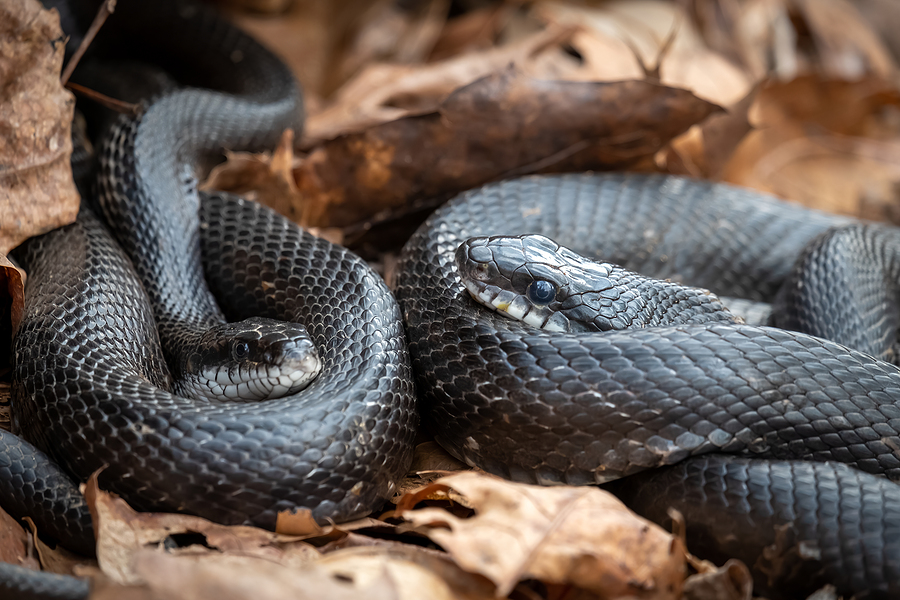
The black rat snake ranks among Virginia’s largest native species, often reaching lengths of 6 feet or more. These excellent climbers display shiny black scales with white markings between the scales, creating a distinctive checkerboard pattern on their bellies. Black rat snakes provide valuable pest control services by consuming rodents, making them beneficial neighbors despite their intimidating size.

Northern water snakes frequent Virginia’s waterways, where they hunt for fish, frogs, and aquatic invertebrates. Their brown or gray coloration with dark crossbands often leads to misidentification as venomous species. However, these snakes possess round pupils and lack the heat-sensing pits characteristic of venomous species.

The eastern racer displays solid blue-black or brown coloration as adults, though juveniles show distinct blotched patterns. These fast-moving snakes prefer open areas and forest edges, where their speed helps them capture prey and escape predators.

Eastern garter snakes represent Virginia’s most commonly observed species, displaying three distinct yellow stripes running lengthwise along their dark-colored bodies. These small, harmless snakes adapt well to various habitats and often appear in suburban gardens and parks.

Understanding Snake Behavior and Habitat Preferences

Snakes exhibit predictable behavioral patterns that can help you anticipate and avoid encounters. Most Virginia species remain active during warmer months, typically from April through October, with peak activity occurring during spring and fall when temperatures moderate. During hot summer days, snakes seek shade under rocks, logs, or structures, becoming more active during cooler morning and evening hours.

Understanding habitat preferences allows property owners to identify potential encounter locations. Snakes gravitate toward areas offering shelter, food sources, and appropriate temperatures. Rock piles, brush heaps, tall grass, water features, and structures with gaps or crawl spaces create attractive snake habitats.

Seasonal movement patterns also influence encounter likelihood. Spring brings increased snake activity as they emerge from winter dormancy to mate and establish territories. Fall activity spikes as snakes prepare for hibernation, often moving longer distances to reach suitable overwintering sites.

Richmond residents frequently encounter snakes in suburban areas where natural habitats intersect with residential developments. Parks, wooded neighborhoods, and properties adjacent to water sources experience higher encounter rates due to diverse wildlife populations and abundant shelter options.

Effective Prevention Strategies for Nuisance Snakes

Studies show preventive measures can reduce snake encounters by up to 70% around residential properties. Implementing comprehensive habitat modification represents the most effective long-term solution for minimizing unwanted encounters.

Property Maintenance and Habitat Modification

Remove potential shelter sites by clearing brush piles, trimming overgrown vegetation, and eliminating debris accumulations. Keep grass cut short and remove fallen logs or rock piles near your home’s foundation. Seal gaps under porches, sheds, and other structures where snakes might seek shelter.

Address food sources that attract snakes by controlling rodent populations through proper sanitation and exclusion techniques. Store pet food in sealed containers, eliminate bird feeder spillage, and maintain clean outdoor areas that don’t support prey animals.

Water management plays a crucial role in snake deterrent strategies. Fix leaky faucets, improve drainage around foundations, and remove standing water that attracts both snakes and their prey. Consider relocating water features away from high-traffic areas if snake encounters become problematic.

Physical Barriers and Deterrents

Install snake-proof fencing around vulnerable areas using quarter-inch mesh hardware cloth buried 6 inches deep and extending 30 inches above ground. Angle the top portion outward to prevent climbing species from entering protected areas.

Commercial snake repellents show limited effectiveness, but maintaining clean, well-maintained landscapes often provides better results than chemical deterrents. Focus on eliminating attractive habitat features rather than relying on repellent products with questionable efficacy.

Schedule a Free Snake Removal Inspection ✨🐍

Safe Response During Snake Encounters

Never approach or attempt to handle any snake, regardless of species identification confidence. Maintain a minimum distance of 6 feet from any snake encountered, allowing the animal ample space to retreat safely. Most snake encounters end peacefully when humans avoid aggressive actions or sudden movements.

If you discover a snake in your immediate vicinity, remain calm and slowly back away while keeping the animal in sight. Avoid cornering the snake or blocking potential escape routes. Most species will retreat when given adequate space and time to assess their surroundings.

Protect pets during outdoor activities by keeping dogs on leashes and cats indoors, especially during peak snake activity periods. Train pets to respond to recall commands, which can prevent dangerous interactions with wildlife.

Snake Bite First Aid and Medical Treatment

Despite preventive measures, snake bites occasionally occur and require immediate medical attention. Even bites from non-venomous species can cause serious infections, allergic reactions, or other complications requiring professional treatment.

Immediate First Aid Steps

Remove jewelry and tight clothing from the affected area before swelling begins. Keep the bitten extremity at or below heart level to minimize venom circulation. Clean the wound gently with soap and water if available, but avoid excessive manipulation.

Apply a loose bandage above the bite site, ensuring you can slip a finger underneath. This compression should impede lymphatic flow without cutting off blood circulation. Mark the leading edge of any swelling with a pen and note the time to help medical professionals track venom progression. Then contact a medical professional as soon as possible to have the wound inspected and treated.

What to Avoid

Never attempt to capture or kill the biting snake, as this risks additional bites and delays medical treatment. Avoid applying ice, tourniquets, or attempting to cut the wound or extract venom. These outdated techniques can cause additional tissue damage and complications.

Don’t consume alcohol or caffeine, which can affect blood circulation and interfere with medical treatment. Remain as calm as possible and focus on reaching appropriate medical care quickly.

Professional Medical Care

Seek immediate emergency medical attention for any snake bite, regardless of species identification. Call 911 or proceed directly to the nearest emergency room equipped to handle venomous snake bites. Virginia hospitals maintain protocols for treating both venomous and non-venomous snake bite cases.

Provide medical professionals with detailed information about the encounter, including the snake’s appearance, size, and behavior. This information helps guide appropriate treatment decisions and monitoring protocols.

Professional Wildlife Control Solutions

Persistent snake problems around residential or commercial properties often require professional wildlife control services. Licensed wildlife control operators possess the expertise, equipment, and legal authority to safely remove and relocate problem snakes while addressing underlying attractant issues.

When to Contact Professionals

Consider professional snake removal services when encounters become frequent, when venomous species appear on your property, or when DIY prevention measures prove inadequate. Professional services become essential if snakes establish residence in inaccessible areas like wall voids or under foundations.

Commercial properties, schools, and public spaces benefit from professional wildlife management programs that address snake concerns while maintaining safe environments for employees, students, and visitors.

Choosing Qualified Services

Select wildlife control operators with appropriate state licensing, insurance coverage, and experience handling Virginia snake species. Reputable services provide humane removal techniques, habitat modification recommendations, and follow-up monitoring to prevent future problems.

Professional wildlife removal services often include comprehensive property assessments identifying potential problem areas and recommending specific improvements to reduce future encounter risks.

Frequently Asked Questions

How can I tell if a snake is venomous from a distance?

Virginia’s venomous species display triangular heads, thick bodies, and vertical pupils, though these features can be difficult to distinguish from safe distances. The safest approach involves treating all unknown snakes as potentially dangerous and maintaining appropriate distances rather than attempting field identification.

What natural remedies deter snakes from entering my garden?

While various home remedies claim to repel snakes, scientific evidence supporting their effectiveness remains limited. Focus on habitat modification techniques like removing shelter sites, controlling rodent populations, and maintaining clean landscapes rather than relying on natural deterrents with questionable results.

How often should I inspect my property for potential snake habitats?

Conduct thorough property inspections seasonally, paying special attention to spring and fall when snake activity peaks. Monthly walk-throughs during active seasons help identify new habitat features before they become established problem areas.

What should I do if my pet is bitten by a snake?

Seek immediate veterinary attention for any pet snake bite, as animals can experience severe reactions even from non-venomous species. Keep your pet calm and limit movement while transporting to emergency veterinary care. Don’t attempt to treat pet snake bites with human first aid techniques.

Conclusion

Understanding Virginia’s snake species and implementing proven safety strategies significantly reduces encounter risks while supporting wildlife conservation efforts. Remember that snakes play valuable ecological roles in controlling rodent populations and maintaining balanced ecosystems.

Effective snake safety combines education, prevention, and appropriate professional support when needed. By maintaining well-managed properties, responding calmly to encounters, and seeking professional help when appropriate, you can coexist safely with Virginia’s native snake populations.

If you’re experiencing persistent snake problems or need expert assistance with wildlife management, contact our professional snake removal services today. Our experienced team provides safe, humane solutions tailored to your specific situation and property needs.

Call Now to Book Service

Related Post: An Overview of Snake Species in Virginia

Winter Bird Control in Virginia: A Homeowner’s Guide

As winter settles over Virginia, the sight of birds can be a welcome splash of life against a grey backdrop. However, for many homeowners and property managers in areas like Richmond, this season brings an unwelcome increase in nuisance birds seeking food and shelter. The problems they create, from property damage to health risks, are more than just a minor annoyance. Understanding why these birds become pests and how to manage them is key to protecting your property this winter.

This guide will walk you through the reasons behind winter bird problems and introduce you to the common culprits in Virginia. More importantly, it provides actionable steps for effective bird pest control and explains when it’s time to call in a professional wildlife control service. By the end, you’ll have the knowledge you need to keep your home or business bird-free.

Call 804-292-0156 for Professional Bird Control in Richmond

Why Birds Become a Nuisance in Winter

Seasonal changes directly impact bird behavior. As the temperature drops and natural food sources become scarce, birds are driven to find new, reliable sources of food and warm, sheltered places to roost. This search often leads them straight to our homes and businesses.

Food Scarcity

Snow and frozen ground cover up seeds, insects, and berries, forcing birds to look for alternatives. Unsecured trash cans, pet food left outdoors, and even poorly maintained bird feeders can become a primary food source, attracting large flocks.

Search for Shelter

Cold weather and harsh winds prompt birds to seek protection. They find refuge in attics, vents, chimneys, and under eaves. These cozy spots protect them from the elements but can lead to significant structural damage and fire hazards for property owners.

Migration Patterns

Virginia is part of a major migratory path. During winter, the state can see a sudden influx of bird populations looking for temporary or permanent wintering grounds, increasing the likelihood of an infestation on your property.

Common Nuisance Birds in Virginia

While many bird species are harmless, a few are particularly problematic for homeowners in Richmond and the surrounding areas. Identifying these common nuisance birds is the first step in effective bird control.

Starlings

Starlings are an invasive species known for gathering in large, noisy flocks. Their droppings are acidic and can corrode building materials, paint, and metal. They often build nests in attics and vents, creating fire risks and spreading mites.

Pigeons

Often called “rats with wings,” nuisance pigeons are a common sight in urban and suburban areas. They are not shy around humans and will roost on ledges, roofs, and balconies. Their nests can block gutters and drainage systems, while their droppings carry diseases and create slippery, hazardous surfaces.

House Sparrows

Like starlings, House Sparrows are an invasive species that aggressively competes with native birds. They are small but build large, messy nests in small openings like dryer vents, soffits, and commercial signage. Their nesting material is highly flammable and can pose a serious fire risk.

Request a Bird Control Inspection Today!

How to Prevent Winter Bird Problems

Proactive prevention is the most effective strategy for winter bird control. Taking steps to make your property less attractive to nuisance birds can save you from costly repairs and health hazards down the line.

Secure Food Sources

The first rule of bird pest control is to eliminate easy access to food.

  • Keep trash cans tightly sealed.
  • Do not leave pet food or water bowls outside.
  • If you have bird feeders for desirable species, use designs that deter larger birds like pigeons and starlings. Clean up spilled seed regularly to avoid attracting pests.

Block Access to Shelter

Inspect your property for any openings birds could use to get inside.

  • Seal cracks and holes in your siding, foundation, and roofline.
  • Install bird-proof caps on chimneys and cover vents with sturdy mesh.
  • For persistent roosting on ledges or beams, consider installing bird spikes. These devices create an uneven surface that prevents birds from landing without harming them.

Use Bird Deterrents

Several humane bird deterrents can help keep nuisance birds away from your property.

  • Bird Netting: This is one of the most effective methods for excluding birds from specific areas like balconies, gardens, or open-air structures. When installed correctly, it creates a physical barrier that birds cannot penetrate.
  • Ultrasonic Repellers: These devices emit high-frequency sounds that are unsettling to birds but generally inaudible to humans. The effectiveness of these tools can vary depending on the species and the environment, but they can be a useful part of a broader bird repellent strategy.
  • Visual Deterrents: Reflective tape, scare-eye balloons, and predator decoys (like owls or hawks) can frighten birds away. For best results, move these deterrents periodically so birds don’t become accustomed to them.

Maintain a Clean Property

Regular cleaning is a simple yet powerful bird repellent. Remove nesting materials as soon as you find them and clean up bird droppings promptly. Droppings contain pheromones that attract other birds, so keeping surfaces clean helps break the cycle of infestation.

Call 804-292-0156 for Professional Bird Wire Installation in RIchmond Virginia

Understanding Legal Considerations in Virginia

When dealing with nuisance birds, it’s crucial to act within the law. Many bird species are protected under federal and state regulations. The Virginia Migratory Bird Act protects most native bird species, making it illegal to harm, capture, or disturb them or their nests without a permit.

However, invasive species like starlings, pigeons, and House Sparrows are generally not protected and can be controlled more freely. It’s also important to check local ordinances in Richmond or your specific city, as there may be rules regarding bird feeding or the use of certain deterrents.

Always prioritize humane treatment. The goal is to deter and exclude birds, not to harm them. A professional wildlife control service will be well-versed in these laws and can ensure all bird nest removal and control methods are compliant.

When to Call for Professional Help

While DIY methods can be effective for minor issues, some situations require professional expertise. If you’re facing a large infestation, if birds have gotten inside your home, or if you’re unsure how to handle the problem safely and legally, it’s time to call a wildlife control service.

Professionals have the tools, experience, and knowledge to:

  • Safely remove birds and nests from inaccessible areas like attics and vents.
  • Identify and seal all potential entry points to prevent future infestations.
  • Implement large-scale deterrent solutions like commercial-grade bird netting.
  • Ensure all actions comply with state and federal wildlife laws.

Key Takeaways

Don’t let nuisance birds take over your Virginia home this winter. By understanding their behavior and taking proactive steps to make your property less inviting, you can avoid the damage and health risks they pose. Secure food sources, block entry points, and use humane deterrents to get rid of birds effectively.

For persistent or large-scale bird problems, professional help is your best option. A dedicated wildlife control service can provide a lasting solution that is both effective and humane.

If you’re struggling with nuisance birds in the Richmond area, contact us today for expert bird control and nest removal services. We specialize in expert bird control solutions and safe nest removal services to help protect your property. Whether it’s pigeons, starlings, or other troublesome birds, our team is here to provide effective and reliable assistance tailored to your needs. Contact us today to take the first step toward a bird-free environment.

Place Your Call Now

Related Post: Dealing with Urban Bird Infestations: Tips and Solutions