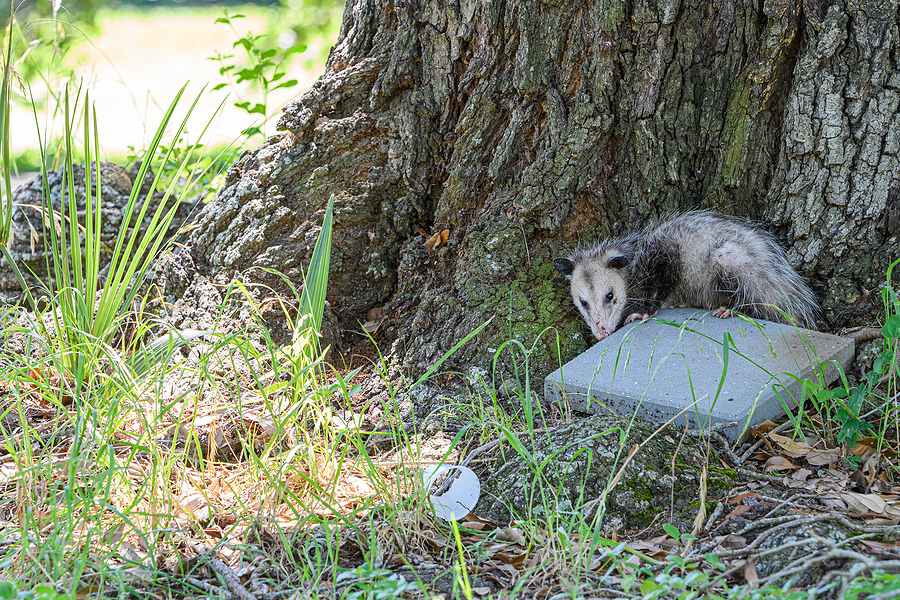
You hear something rustling under your deck late at night. The trash can is tipped over again. There’s a foul smell drifting up from beneath your porch. If any of this sounds familiar, there’s a good chance an opossum has decided your property is its new home.
Opossums are a common fixture in suburban neighborhoods across Virginia—from Richmond and Glen Allen to Mechanicsville, Midlothian, and Henrico. As opportunistic animals, they gravitate toward residential areas where food, shelter, and warmth are easy to find. While they may seem harmless at first glance, an opossum that’s taken up residence on your property can cause real problems: health risks, structural damage, and a whole lot of noise in the middle of the night.
Professional opossum removal offers a safe, humane, and lasting solution. This guide covers everything you need to know—from the risks of ignoring the problem to what a professional removal service actually does.
Why Opossum Removal Matters
Opossums aren’t just a nuisance—they can pose genuine risks to your family, your pets, and your property. The longer they stay, the bigger those risks become.
Health Risks Associated with Opossums
Opossums are known carriers of several diseases that can affect both humans and pets. According to Critter Control, these include:
- Leptospirosis – A bacterial disease transmitted through opossum urine that can contaminate soil and water. Humans and pets can contract it through broken skin or mucous membranes.
- Salmonella – Spread through opossum feces, posing a contamination risk in yards, gardens, and anywhere pets roam.
- Coccidiosis and Toxoplasmosis – Parasitic infections that pets can pick up through contact with contaminated droppings.
Beyond disease, opossums frequently carry fleas, ticks, and mites—parasites that can transmit Lyme disease and murine typhus to your pets and, eventually, to you.
One common misconception is worth clarifying: opossums very rarely carry rabies. Their body temperature is too low for the rabies virus to survive.
Property Damage Caused by Opossums
Given enough time, opossums can cause significant damage to your home and yard.
- Garden and lawn destruction – Opossums dig up lawns searching for grubs, slugs, and insects. They’ll raid vegetable gardens and even poultry coops for eggs.
- Structural damage – Once they find their way into an attic, crawlspace, or the space beneath a shed or deck, opossums nest and settle in. They’ve been known to gnaw through electrical wiring, insulation, and wooden structures.
- Food and trash raids – Opossums are resourceful foragers. Unsecured trash cans, outdoor pet food bowls, and backyard grills are all fair game.
Nuisance Behaviors
On top of property damage, opossums generate noise—hissing, growling, and scratching sounds, typically at night. Their urine and feces leave behind persistent foul odors that can seep into living areas. When cornered, they can become aggressive toward pets, leading to injuries on both sides.
The Dangers of DIY Opossum Removal
It’s tempting to handle an opossum problem on your own. A trap from the hardware store, some bait, and problem solved—right? Unfortunately, it’s rarely that simple.
- Physical risk is real. A cornered opossum can bite and scratch to defend itself. Even a seemingly docile one can turn quickly if it feels threatened. Without the right protective equipment and handling experience, you’re exposing yourself to potential injury—and all the pathogens that come with it.
- Improper removal often fails. Moving an opossum without sealing its entry points means another one will likely take its place. Without a comprehensive strategy, the problem keeps coming back.
- Legal consequences matter. In Virginia, professional wildlife removal requires a Commercial Nuisance Animal Permit (CNAP), issued by the Virginia Department of Wildlife Resources (DWR). CNAP holders are authorized to trap most wildlife species year-round and transport them off-site. Attempting to remove or relocate wildlife without proper authorization may put you in violation of state regulations.
What Professional Opossum Removal Entails
A professional removal service does far more than set a trap and drive away. Here’s what the process typically looks like from start to finish.
Initial Assessment and Inspection
A technician begins by thoroughly inspecting your property to identify where the opossum is nesting, how it’s getting in, and how long it’s been there. Entry points can include gaps under decks, loose soffits, broken vents, and unsealed crawlspace openings.
Humane Trapping Methods
CNAP-licensed professionals use humane live traps, placed strategically at known activity sites. Animals are handled with care and in compliance with Virginia’s wildlife laws.
Relocation and Exclusion Strategies
Once the opossum is removed, the real work begins. Exclusion—physically sealing entry points—is the most effective way to prevent future intrusions. This may involve:
- Installing wire mesh or hardware cloth around deck, porch, and shed foundations
- Burying fencing to prevent digging
- Sealing gaps in soffits, siding, and roof edges
Professionals may also recommend habitat modifications to make your property less attractive to wildlife—like securing trash cans, removing brush piles, and bringing pet food indoors overnight.
Sanitation and Damage Repair
Opossum droppings and urine can harbor harmful bacteria and parasites. A thorough cleanup is essential, particularly in attics and crawlspaces. Many services also handle structural repairs—replacing chewed wiring, damaged insulation, or compromised wood.
Choosing the Right Opossum Removal Service
Not all wildlife removal companies are created equal. When evaluating providers, look for:
- CNAP certification – Ensure the company holds a valid Commercial Nuisance Animal Permit from the Virginia DWR.
- Licensing and insurance – A reputable company, like Virginia Wildlife Pros in Richmond, carries liability insurance and complies with all state regulations.
- Experience with opossums specifically – Ask how much opossum removal experience they have and what their exclusion process looks like.
- Transparent pricing – Get a written quote before work begins.
Frequently Asked Questions
How do I know if I have an opossum problem?
Common signs include nighttime scratching or thumping sounds, overturned garbage cans, droppings near your deck or shed, and a persistent musky odor. You might also spot tracks—opossums have distinctive five-toed prints.
Are opossums dangerous to my pets?
They can be. When cornered, opossums may hiss, growl, or scratch. More significantly, their ticks and fleas can transfer to pets, bringing diseases like Lyme disease with them. Keep pets away from areas where opossum activity has been detected.
How much does professional opossum removal cost?
According to HomeGuide, professional opossum removal typically ranges from $150 to $500, depending on the number of animals, location, and level of exclusion work required. Additional costs may apply for sanitation services and structural repairs.
Protect Your Home Before the Problem Gets Worse
An opossum problem doesn’t resolve itself. Left unaddressed, one animal can become several—and minor nuisance behavior can turn into costly structural damage and legitimate health concerns. Professional removal addresses the issue completely, from trapping and relocation to exclusion and cleanup.
Serving Richmond, Glen Allen, Charlottesville, Mechanicsville, Midlothian, Henrico, and surrounding areas—Virginia Wildlife Pros provides expert, humane opossum removal backed by licensed professionals. Contact us today for your free quote.
Related Posts:
The Ultimate Guide to Opossum Prevention: Keep Your Home Safe
Proven Tips for Effective Opossum Removal and Control
The Secret Life of Opossums: A Closer Look at Their Daily Routines