Unwanted House Guests: How to Handle Raccoons in the Attic

Picture this: it’s a quiet evening, and you hear a rustling sound coming from above. You dismiss it as a figment of your imagination, but the noise persists. Sound familiar? You could be dealing with raccoons in the attic, a growing concern for many homeowners. These clever critters have found our homes to be perfect shelters. But while raccoons are fascinating creatures, having them in your attic can lead to significant issues.

This blog will guide you through identifying signs of raccoon presence, understanding the risks they pose, and discovering methods for prevention and safe removal. By the end, you’ll be armed with the knowledge to protect your home and keep these nuisance raccoons at bay.

Call 804-292-0156 for Attic Raccoon Removal in Richmond Virginia

Signs of Raccoons in the Attic or House

Raccoons are nocturnal animals, making it tricky to spot them during the day. However, they leave behind several telltale signs. One of the most common indicators is the sound of scratching or thumping, especially at night.

You might also notice raccoon tracks or droppings around your home. These droppings are easily identifiable by their cylindrical shape and blunt ends. Another sign is damage to your attic insulation or wiring, as raccoons often tear apart these materials to create nests. If you notice any of these indicators, it’s time to investigate further.

In addition to these signs, raccoons may also leave behind a musky odor, which can be quite strong and unpleasant. This smell results from their urine and feces accumulating in one area. You might also find overturned garbage cans or food scraps scattered around your property, as raccoons are notorious for raiding trash bins in search of an easy meal. Keeping an eye on these clues can help you identify if you have raccoons residing in your attic.

Lastly, raccoons often enter attics through damaged vents, loose shingles, or gaps in the roofline. Check your roof for any visible damage or openings that may serve as entry points for these crafty creatures. Regularly inspecting these areas can help you catch raccoon signs early on and prevent further infestation.

The Risks and Dangers of Raccoon Infestations

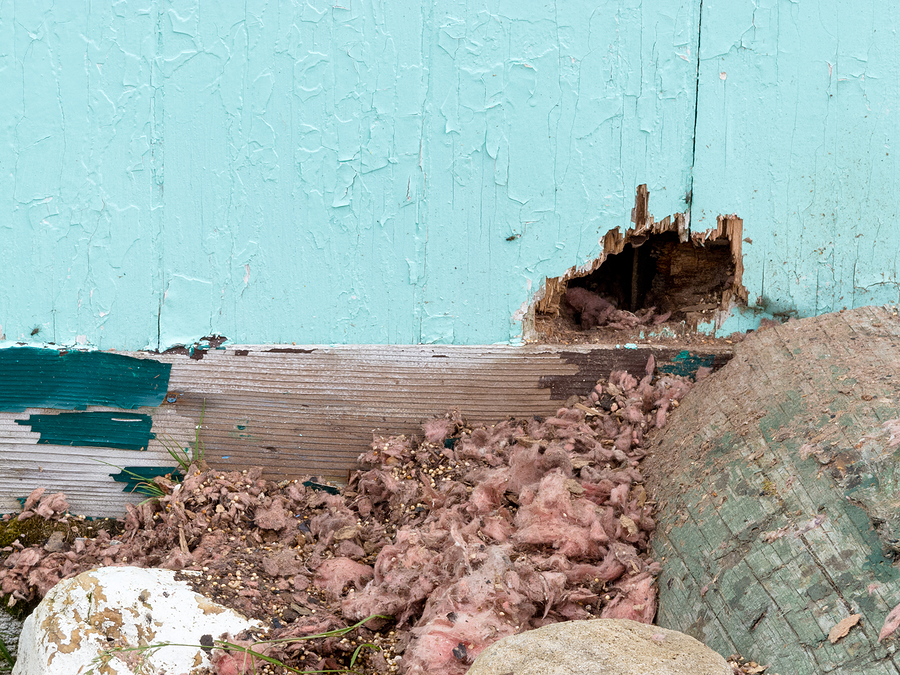
Having raccoons in your attic poses several risks and dangers to your home and health. Raccoons are known to cause structural damage to your attic by tearing up insulation, chewing on wires, and even damaging support beams. This damage can lead to expensive attic cleanup and repair costs. Furthermore, chewed wires increase the risk of electrical fires, making raccoon control crucial for your home’s safety.

Aside from structural damage, raccoons are carriers of various diseases, posing health risks to you and your family. One of the most well-known diseases is rabies, which can be transmitted through bites or scratches. Additionally, raccoon droppings may contain roundworm eggs, which can cause severe health issues if inhaled or ingested. It’s essential to address any raccoon infestations promptly to minimize these health risks.

Finally, raccoons can also introduce parasites like fleas, ticks, and mites into your home. These pests can spread throughout your living space, causing further discomfort and potential health issues. By being proactive in raccoon removal, you can protect your home from these unwanted dangers and maintain a healthy living environment.

Raccoon Control and Prevention

Preventing raccoons from entering your attic requires a combination of techniques. Start by inspecting your home’s exterior for potential entry points, such as damaged vents or loose shingles. Seal these areas with heavy-duty materials like metal mesh or hardware cloth to deter raccoons. Regularly checking for new openings can help you stay ahead of these persistent critters.

Another effective method for raccoon prevention is to eliminate attractants around your property. Secure your trash cans with tight-fitting lids and consider using bungee cords or locks for added security. If you have pet food or birdseed outside, bring it indoors during the night to avoid attracting raccoons. Maintaining a clean and tidy yard can help minimize their interest in your property.

For additional protection, consider using raccoon repellent, such as scent-based deterrents or motion-activated sprinklers. These tools can create an environment that raccoons find uninviting, encouraging them to move on to another location. By combining these prevention techniques, you can effectively keep raccoons out of your attic and maintain a raccoon-free home.

Safe Raccoon Removal Practices for DIY Enthusiasts

If you’ve discovered raccoons in your attic, it’s crucial to remove them safely and ethically. Although it is strongly recommended to hire a professional wildlife control operator who’s properly licensed, trained, and equipped, you can safely exclude them with the right strategies. Do not attempt to catch or handle coons yourself, as this can be extremely dangerous for both you and the raccoons. Instead, focus on humane methods for raccoon removal.

One approach is to use exclusion techniques, such as installing a one-way door at the raccoons’ entry point. This device allows them to leave your attic but prevents them from reentering. Ensure that all young raccoons have left the attic before sealing the entry point permanently, as separating a mother from her babies can lead to further complications.

In some cases, you may need to resort to trapping as a last resort. If trapping is necessary, make sure you’re familiar with local regulations and guidelines to ensure compliance with wildlife control laws. Use humane traps and release the raccoons far from your home in a suitable habitat. Remember that professional assistance is always an option if you’re unsure how to proceed.

Legal Considerations to Keep in Mind

Dealing with raccoons in the attic involves adhering to specific legal requirements. Wildlife laws vary by region, so it’s essential to familiarize yourself with the regulations in your area. Some jurisdictions may require permits for trapping or relocating raccoons, while others may have restrictions on certain methods of control.

In addition to legal requirements, it’s important to prioritize humane treatment throughout the raccoon removal process. Many regions have guidelines in place to ensure that wildlife is treated ethically, even when they become nuisance raccoons. By adhering to these guidelines, you can protect both your home and the well-being of the raccoons.

Finally, be aware of any local ordinances or neighborhood associations that may have specific rules regarding wildlife removal and control. By staying informed and compliant with these legal considerations, you can address raccoon issues responsibly and effectively.

Professional Wildlife Control Assistance

When faced with a raccoon infestation, seeking professional help can save time, effort, and potential legal complications. A licensed and insured wildlife removal company specializes in raccoon control and can assess your situation, create a tailored plan, and implement effective removal methods.

Professional services offer several benefits, including expertise in safe and humane raccoon removal techniques. They can also provide valuable advice on raccoon prevention and deterrence, helping you safeguard your home against future infestations. Additionally, wildlife removal companies are knowledgeable about legal requirements, ensuring that your raccoon removal is compliant with local regulations.

By enlisting the help of professionals, you can focus on other aspects of homeownership while leaving raccoon control to the experts. This collaboration can lead to a raccoon-free home and provide you with peace of mind.

Conclusion

Raccoons in the attic may be a common problem for homeowners, but it’s one that requires swift and decisive action. By understanding the signs of raccoon presence, recognizing the risks they pose, and implementing effective prevention and removal strategies, you can protect your home and maintain a safe living environment.

Remember, when it comes to dealing with wildlife, legal considerations and humane treatment are paramount. If you’re unsure about handling a raccoon infestation on your own, don’t hesitate to seek professional assistance. With the right approach, you can address raccoon issues responsibly and enjoy a peaceful, raccoon-free home.

If you’re facing any signs of coon infestation or have experienced structural damage due to these unforeseen guests, reach out to a trusted professional as soon as possible. Contact Virginia Wildlife Pros at 804-292-0156 for professional raccoon removal and control service in Richmond, Virginia for all native species of wildlife, today.

Related Posts:

Raccoons in Urban Landscapes: A Study of Adaptation and Survival
Top 10 Proven Strategies for Raccoon Control in Your Home
Natural Solutions for Keeping Raccoons Away from Homes

Safeguard Your Property and Schedule a Wildlife Control Inspection Today

Wildlife may be fascinating to observe from afar, but when these creatures encroach upon your property, the novelty quickly wanes. Suddenly, raccoons in the attic, bats in the rafters, or squirrels commandeering your garden become pressing issues. For homeowners and property managers, these uninvited guests can spell disaster. This blog is your guide to understanding the importance of scheduling a wildlife control inspection, ensuring your home remains a sanctuary for humans—not wildlife.

Call 804-292-0156 When You Need a Wildlife Control Inspection in Richmond VA

Why Your Property Needs Regular Wildlife Inspections

Every property is vulnerable to wildlife intrusions, whether it’s an urban apartment or a sprawling rural estate. The primary culprits are often common nuisance animals like raccoons, squirrels, and rodents. These creatures are not only adept at finding their way into your property but can also cause significant damage once inside.

Raccoons in the attic, for instance, can tear through insulation and chew on electrical wires, posing fire hazards. Squirrels, on the other hand, often gnaw on wooden structures, leading to costly repairs. Regular wildlife inspections are critical as they allow professionals to identify these issues before they escalate into major problems.

Understanding the potential damage caused by these animals highlights the need for routine checks. Wildlife removal, therefore, becomes not just an option but a necessity. By recognizing the risks early, you can take corrective action, saving yourself from future headaches and expenses.

The Inspection Process Demystified

A wildlife control inspection is a systematic process that begins with an expert evaluation of your property. During this initial assessment, inspectors will look for signs of wildlife presence and identify any potential entry points. This might include checking for raccoons in the attic, examining exterior walls for holes, or inspecting the roof for bat entry points.

Once the assessment is complete, a tailored plan for nuisance animal removal and prevention is crafted. This plan could involve setting traps, sealing entry points, or using deterrents to dissuade animals from returning. The aim is not only to remove current invaders but also to prevent future incursions.

Furthermore, the inspection process includes monitoring and follow-up visits. These ensure that the implemented solutions are effective and that your property remains secured against wildlife invasions. This comprehensive approach is vital for long-term peace of mind and protection.

The Benefits of Scheduling Regular Inspections

Investing in regular wildlife control inspections offers numerous advantages. Firstly, it results in substantial cost savings. Early detection of wildlife problems can prevent minor issues from escalating into expensive repairs. For instance, repairing a small hole where squirrels enter is far cheaper than fixing extensive structural damage caused by their incessant gnawing.

Protection of property is another key benefit. Regular inspections help maintain the integrity of your home or building, safeguarding it from the physical and health-related damages that wildlife can cause. This proactive approach also ensures compliance with any local regulations regarding wildlife and property safety.

Lastly, these inspections provide invaluable peace of mind. Knowing that your home is regularly checked for potential wildlife intrusions allows you to rest easy, confident that both your property and its occupants are safe. The assurance that professionals are handling your wildlife concerns is priceless.

Tips for Property Owners Preparing for Inspections

Preparing for a wildlife control inspection doesn’t have to be daunting. Start by ensuring that access to all parts of your property is available, including attics, basements, and crawl spaces. This accessibility allows inspectors to thoroughly assess all potential entry points and areas of concern.

When choosing a reliable wildlife control service, look for companies with experienced professionals well-versed in wildlife removal and prevention techniques. They should have a solid track record and be willing to provide references or testimonials from previous clients. Certification from relevant regulatory bodies is also a mark of credibility.

Finally, take note of any wildlife activity you observe around your property. This information can be crucial for inspectors as they devise a strategy tailored to your specific situation. Being proactive about these details ensures a more effective inspection process.

Final Thoughts

In conclusion, scheduling a wildlife control inspection is a proactive step that every homeowner and property manager should consider. Regular inspections help identify potential wildlife issues, preventing damage and ensuring the safety of residents. Furthermore, the peace of mind that comes with knowing your property is protected is invaluable.

In today’s world, the risk of wildlife intrusion is always present. By understanding the inspection process and working with professionals, you can safeguard your property against these threats. Protect your investment, ensure the safety of your loved ones, and maintain the integrity of your property by taking action now.

Don’t wait until it’s too late—schedule your wildlife control inspection today and invest in the security of your home. Contact Virginia Wildlife Pros at 804-292-0156 for professional animal removal and control service in Richmond, Virginia for all native species of wildlife, today.

Related Posts:

Safeguarding Your Property from Structural Damage by Wildlife
Unwelcome Tenants: How to Deal with Wildlife in Your Chimney
Nature in Balance: Ethical Approaches to Wildlife Control

Proven Tips for Effective Opossum Removal and Control

Have you spotted an opossum scurrying across your yard at night? You’re not alone. These nocturnal creatures often find their way into residential areas, causing headaches for homeowners, gardeners, and property managers alike. This blog will guide you through understanding opossums, detecting their presence, and implementing effective control methods, ensuring your property remains opossum-free.

Call 804-292-0156 for Licensed Opossum Removal and Control in Richmond Virginia

Get to Know the Virginia Opossum (Didelphis virginiana)

Opossums are North America’s only marsupial. Known for their nocturnal habits, these creatures are omnivores, feeding on anything from fruits and insects to small animals and garbage. Their adaptability makes them common in both rural and urban areas. While opossums can play a role in the ecosystem by controlling pests, they become nuisances when they invade human spaces. They may forage in garbage cans, create nests under decks, and even prey on ornamental plants.

Top Signs of an Opossum Infestation

How do you know if opossums have made themselves at home on your property? Look for these telltale signs:

  • Tracks and Droppings: Opossums leave behind distinct tracks and droppings. Their footprints show five-fingered impressions, while their droppings are typically dark and cylindrical with pointed ends.
  • Noises at Night: If you hear rustling, scratching, or other noises at night, it might be due to opossums. They are nocturnal and usually active after sunset.
  • Damage to Structures: Check for signs of gnawed wood, disturbed insulation, or damaged screens. Opossums often seek shelter in attics, basements, and under decks.

Health and Safety Concerns

Opossums can pose several health and safety risks. They are carriers of various diseases such as leptospirosis, tuberculosis, and tularemia. Their droppings may harbor parasites like fleas and mites, which can infest pets and humans. Additionally, opossums can cause significant property damage by chewing through electrical wires, insulation, and wooden structures. Their presence can also attract other predators, creating a more significant issue on your property.

Prevention Strategies

To deter opossums, consider the following prevention strategies:

  • Secure Trash Cans: Use sturdy, sealed trash cans to prevent opossums from scavenging. Store garbage indoors until collection day whenever possible.
  • Remove Food Sources: Clean up fallen fruit, pet food, and birdseed from your yard. These easily accessible food sources can attract opossums.
  • Block Entry Points: Inspect your property for potential entry points. Seal gaps under decks, porches, and sheds. Install screens over vents and chimneys to keep opossums out.

Humane Removal Methods

If opossums have already invaded, humane removal methods are essential:

  • Natural Repellents: Certain scents, like garlic, ammonia, and predator urine, can deter opossums. Place these repellents around your property where opossums are active.
  • Professional Wildlife Control: For a guaranteed and humane approach, contact a professional Richmond animal removal service. They have the expertise to remove opossums safely and efficiently.

Wildlife Control Legalities

Understanding local ordinances and regulations is crucial before taking action. In some areas, it is illegal to trap and relocate wildlife without a permit. Always check with local authorities or wildlife organizations to ensure compliance with the law. Professional wildlife control services are often well-versed in these regulations and can handle the legal aspects for you.

Post-Infestation Guide

After removing the opossums, take steps to prevent their return:

  • Repair Damages: Fix any structural damages caused by the opossums. This includes sealing holes, repairing gnawed wires, and replacing damaged insulation.
  • Regular Inspections: Conduct regular inspections of your property to identify and address any new entry points. Keep an eye out for signs of opossum activity.
  • Use Opossum Deterrents: Continue using natural repellents and maintain secure trash cans and food sources to keep opossums at bay.

Conclusion

Opossums might be a part of the natural ecosystem, but they can cause significant problems when they invade human spaces. By understanding their habits, detecting their presence, and implementing these strategies, you can effectively control and remove opossums from your property. Timely and humane intervention is key to ensuring the safety and well-being of your home and garden.

If you are looking for professional and reliable wildlife control for these nocturnal nuisance critters, you are in the right place. Contact Virginia Wildlife Pros at 804-292-0156 for opossum removal and control in Richmond and its surrounding counties. Our team is dedicated to helping you maintain an opossum-free environment with expert care and effective solutions.

Related Posts:

The Secret Life of Opossums: A Closer Look at Their Daily Routines
Opossum Control Tips for Homeowners
Dealing with Nuisance Opossums in Your Yard: What You Need to Know

Banish the Stink: Why Professional Skunk Removal Services are Essential

Ever walked into your backyard and been met with an overwhelming, pungent odor? If so, you might be dealing with a skunk problem. These nocturnal creatures, easily identifiable by their black and white stripes, can become unwelcome visitors on your property. Their presence isn’t just a nuisance; it poses several risks and challenges that make professional skunk removal services essential.

Skunks are known for their powerful defensive spray, which can linger for days and cause irritation. But that’s not the only issue—they can also damage landscaping, dig under structures, and even carry diseases. For homeowners, business owners, property managers, and landlords, understanding the importance of professional wildlife control is crucial for maintaining a safe and pleasant environment.

In this blog post, we will explore the signs of a skunk infestation, the dangers of DIY skunk removal, the methods used by professionals, and how to choose the right service for your needs. By the end, you’ll understand why professional skunk removal is the best way to get rid of skunks effectively and humanely.

Call 804-292-0156 for Licensed Skunk Removal Service in Richmond Virginia

Common Signs of a Skunk Infestation

Identifying a skunk problem early can save you a lot of trouble down the line. If you notice any of signs, it’s time to consider professional skunk removal services. Early intervention can prevent more serious issues and ensure your property remains safe and odor-free. Here are some clear signs that a skunk may have taken up residence on your property:

  • Strong Odor – The most obvious sign of a skunk is its smell. The sulfur-containing chemicals in their spray create an unmistakable odor that can permeate homes and linger for weeks. If you notice this smell frequently, especially at night, it’s a strong indicator that a skunk is nearby.
  • Holes and Burrows – Skunks are burrowers by nature. Look for shallow, cone-shaped holes in your lawn, especially in search of grubs and insects. Additionally, skunks may dig under decks, sheds, or porches to create a den.
  • Tracks and Droppings – Skunks leave distinctive tracks and droppings. Their tracks show five toes on both the front and back feet, and their droppings resemble those of a cat but often contain more insect parts. Spotting these around your property can confirm a skunk’s presence.

The Dangers of DIY Skunk Removal

Attempting to remove a skunk on your own can seem like a cost-effective solution, but it comes with significant risks and legal considerations. It is best to leave skunk control to the experts. They have the knowledge, experience, and equipment to handle the situation safely and effectively. Here are the top reasons why:

  • Health Risks – Skunks can carry diseases such as rabies and leptospirosis, which can be transmitted to humans and pets. Handling a skunk without proper knowledge and equipment increases the risk of bites and scratches, potentially leading to serious health issues.
  • Ineffective Methods – DIY approaches often fail to address the root of the problem. Incomplete removal or inadequate prevention measures can lead to recurring infestations. Without the expertise of a professional wildlife removal company, you may find yourself dealing with skunks again and again.
  • Legal Considerations – In many areas, there are regulations governing the trapping and relocation of wildlife, including skunks. Failure to comply with these laws can result in fines and legal consequences. Professional skunk removal services are well-versed in these regulations and ensure compliance, protecting you from potential legal trouble.

Professional Skunk Removal Methods

Professional wildlife control companies use a variety of humane and effective methods to remove skunks from your property. Using these methods, professionals can efficiently and humanely remove skunks, ensuring they don’t return and cause further problems. Here are some common approaches:

Humane Trapping – One of the most effective ways to get rid of skunks is through humane trapping. Professionals use specially designed traps that capture the skunk without causing harm. Once caught, the skunk can be relocated to a safe area far from your property.

Exclusion Techniques – Exclusion involves sealing entry points to prevent skunks from accessing your property. This can include installing barriers around decks, sheds, and other structures. Exclusion techniques ensure that once the skunks are removed, they can’t return.

Skunk Repellents – Professional services may use various skunk repellents and deterrents to discourage skunks from coming near your property. These can include natural solutions like predator urine or commercial products designed to make the area less attractive to skunks.

Choosing the Right Skunk Removal Service

Selecting a reputable skunk removal service is crucial for ensuring effective and humane treatment. By considering these factors, you can choose a professional wildlife removal company that meets your needs and ensures the best outcome for your property. Here’s what to look for:

Experience and Certifications Choose a company with a proven track record in wildlife removal. Check for certifications from relevant authorities, which indicate adherence to industry standards and best practices. Experienced professionals are more likely to handle the situation efficiently and safely.

Humane Practices Ensure the service uses humane methods for trapping and relocating skunks. Avoid companies that rely on lethal solutions or inhumane practices. Humane skunk trapping and exclusion techniques are not only ethical but also more effective in the long run.

Customer Reviews and Testimonials Look for reviews and testimonials from previous customers. Positive feedback can provide insight into the company’s reliability, professionalism, and success rate. Don’t hesitate to ask for references or case studies to verify their claims.

Key Takeaways

Dealing with a skunk infestation can be a daunting task, but professional skunk removal services offer a safe, effective, and humane solution. Skunks pose significant risks to health, property, and peace of mind. DIY methods often fall short, leading to recurrent problems and potential legal issues.

Professional wildlife control companies bring expertise, experience, and humane practices to the table. From identifying signs of infestation to implementing exclusion techniques and providing ongoing prevention, they handle every aspect of skunk control with precision and care.

Don’t wait until the problem escalates. Contact a reputable skunk removal service today and ensure your property remains safe, odor-free, and skunk-free. Reclaim your outdoor spaces and enjoy peace of mind knowing that experts are taking care of the issue.

For more information or to schedule an appointment, get in touch with our team of professionals. Contact Virginia Wildlife Pros at 804-292-0156 for professional skunk removal services in Richmond and its outer regions, today. We serve residential and commercial customers with free quotes, free advice, and quality work.

Related Posts:

How to Keep Skunks Away from Your Property
The Most Effective Remedies for Nuisance Skunk Control
The Impact of Seasonal Changes on Skunk Behavior

Noisy Neighbors Upstairs? How to Handle Squirrels in Your Attic

If you’ve been hearing curious scampering above your head, you’re not alone. Many homeowners find themselves dealing with unwanted attic guests, and squirrels are often the culprits. Their presence can lead to more than just sleepless nights. Understanding and addressing this issue is crucial for maintaining the safety and integrity of your home. In today’s blog post, we ‘ll discuss how to handle squirrels in your attic and restore peace to your living space.

Call 804-292-0156 for Squirrel Removal in Richmond Virginia

Why Squirrels Love Attics

Ever wondered why squirrels seem to prefer your attic over the vast outdoors? It’s not just a random choice. Squirrels are attracted by the warmth and safety attics provide. Once inside, they find the space ideal for raising their young, away from predators and harsh weather conditions. Attics offer a quiet and undisturbed environment, allowing squirrels to build nests and store food. The insulation materials often found in attics also make for excellent nesting materials, helping keep their young warm and protected. Additionally, the elevated position of an attic gives squirrels a good vantage point to detect any potential threats.

Signs of  Squirrels in the Attic

Look for nests, droppings, and chewed wires. These are clear indicators that squirrels have taken up residence in your home or attic. You might also notice acorns and other food remnants scattered around, as squirrels often stash food close to their nests to ensure an easy food supply. Additionally, keep an eye out for claw marks on wooden surfaces and slight noises like scratching or scampering, especially during early morning or late evening when squirrels are most active.

Potential Damages and Health Risks

Squirrels in your attic aren’t just a noisy nuisance. They can cause significant damage and pose health risks to you and your family.

  • Chewing Hazards: Squirrels have a constant need to gnaw to keep their teeth sharp. This behavior can lead to chewed electrical wires, posing a fire risk, and damaged insulation, which can reduce your home’s energy efficiency.
  • Health Concerns: Squirrel droppings and urine can contribute to unsanitary conditions, leading to potential health issues. They can carry diseases like leptospirosis and salmonella, which can be harmful to humans.
  • Structural Damage: Over time, squirrels can weaken the structural integrity of your home. Their constant gnawing and nesting activities can damage beams, rafters, and roofing materials.

The Importance of Professional Squirrel Removal Services

When dealing with a squirrel infestation, it’s best to call in the experts. Professional squirrel control services offer several advantages.

  • Specialized Knowledge: Professionals have the experience and tools necessary to remove squirrels safely and humanely. They understand squirrel behavior and can implement effective removal strategies.
  • Preventing Future Infestations: Experts don’t just remove the current residents; they also identify and seal entry points to prevent future infestations. This comprehensive approach ensures your home remains squirrel-free.
  • Safety First: Attempting to remove squirrels on your own can be dangerous. Professionals know how to handle these animals without causing harm to the squirrels or themselves.

Squirrel Infestation Prevention Methods

Prevention is key to avoiding squirrel infestations. Here are some tips to keep these furry intruders out of your attic.

  • Seal Entry Points: Regularly inspect your home for potential entry points. Seal gaps, cracks, and holes in your roofline, eaves, and foundation. Use metal mesh or hardware cloth, as squirrels can chew through softer materials.
  • Trim Overhanging Branches: Squirrels often access attics by leaping from nearby trees. Keep branches trimmed back at least six feet from your roof to discourage them from making the jump.
  • Use Squirrel Repellents: Natural repellents, such as peppermint oil and predator urine, can deter squirrels. Place these repellents around your attic and potential entry points to keep squirrels at bay.
  • Maintain Your Home: Regular maintenance can go a long way in preventing infestations. Ensure your attic is clean, dry, and free of food sources that might attract squirrels.

Conclusion

Hearing squirrels in your attic can be alarming, but understanding why they’re there and taking the right steps can help you regain peace and quiet. Professional wildlife removal services offer safe and effective solutions, ensuring your home remains a sanctuary for you and not for squirrels. Regular maintenance and prevention methods can further protect your home from future invasions.

If you’re currently dealing with a squirrel infestation or want to prevent one, don’t hesitate to reach out to a professional wildlife removal service. They can provide the expertise and peace of mind you need to keep your home safe and sound. Remember, regular home maintenance is essential in safeguarding your space against unwelcome guests.

Take action today to ensure a critter-free attic and home so that you can enjoy the tranquility you deserve. Contact Virginia Wildlife Pros at 804-292-0156 for professional squirrel removal services in Richmond and its outer regions. We serve residential and commercial customers with free quotes, free advice, and quality work.

Related Posts:

Outsmarting Squirrels: Easy Tips for Protecting Your Bird Feeders
Do You Hear Squirrel Noises Coming From Your Attic? What To Do Next
Nesting Nuisances: Handling Squirrels and Their Young in Your Attic

Safeguarding Your Property from Structural Damage by Wildlife

In the serene landscapes of Virginia, where the beauty of nature thrives, so does its wildlife. However, not all interactions between nature and human habitation bring joy and wonder. An increasing number of homeowners and property managers are confronting the harsh realities of property damage caused by wildlife tampering and infestations.

The statistics are alarming, and the need for timely intervention has never been more crucial. In this blog post, we aim to provide insights into safeguarding your property from structural damage by wildlife.

Call 804-292-0156 for Licensed Wildlife Infestation Removal and Cleanup in Richmond Virginia

Identifying the Culprit Behind a Wildlife Infestation

Virginia’s rich biodiversity hosts a variety of wildlife species, some of which find the nooks and crannies of our homes perfect for shelter and nesting. Common culprits include squirrels, raccoons, bats, and birds. Each leaves distinct signs of their presence, from gnawed wood and insulation, droppings, odd noises within walls or attics, to unexplained property damage. Recognizing these signs early is the first step in preventing significant structural damage.

Understanding the Threat

Wildlife tampering may seem inconsequential at first, but left unchecked it can cause significant harm to your property. As mentioned, some of the most common culprits are:

Rodents: Rats, mice, and squirrels can chew through wires, wood, and insulation in search of food and shelter.

Birds: Nesting birds can cause damage to roof tiles, gutters, and chimneys while creating a potential fire hazard with their nests made from flammable materials.

Raccoons: These masked bandits are notorious for creating holes and damaging roofs, siding, insulation, and wiring in search of food.

Opossums: These marsupials may seem harmless, but their sharp claws can cause significant damage to roofing materials, vents, and insulation.

Insects: Wood-boring insects like termites, carpenter ants, and beetles can wreak havoc on the structural integrity of your property. Pest outbreaks are often a result of wildlife infestations.

The Impact of Animal Tampering on Structures

The ingenuity of wildlife in adapting to urban environments can lead to significant structural damage to homes and buildings. Squirrels and raccoons, for instance, are known to chew through roofing materials and wooden beams, compromising the integrity of structures. Bats and birds nesting in attics or chimneys can block ventilation systems and spread diseases. Beyond the immediate structural damage, the health and safety implications of wildlife infestations—such as the spread of rabies or hantavirus—cannot be overlooked.

Wildlife Control and Prevention are Key

Preventing wildlife from making a home in your property involves a combination of vigilance, maintenance, and environmental awareness. Implementing certain preventive measures can significantly reduce the risk of wildlife infestation and the accompanying structural damage. Here are practical steps to take:

  • Regularly inspect your home for any signs of damage or potential entry points for wildlife.
  • Install or repair screens on vents and secure chimney caps to block entry.
  • Trim trees and branches near your home to limit wildlife access to roofs.
  • Secure trash bins and avoid leaving pet food outdoors to discourage wildlife attraction.

Professional Wildlife Control and Cleanup Solutions

When prevention falls short, and wildlife makes its presence known, professional wildlife removal and structural repair services become indispensable. These professionals not only safely and humanely remove the wildlife but also identify and repair the damage caused by the infestation. Hiring licensed and experienced wildlife control experts ensures that the removal process adheres to local wildlife laws and regulations, safeguarding both the animals and your property.

Conclusion

The beauty of Virginia’s wildlife is to be cherished, but not at the cost of our homes and health. Early detection and prevention are key to protecting your property from the potentially severe impacts of wildlife tampering and infestation. If you suspect the presence of wild animals in your home or notice signs of structural damage, take immediate action.

Consult with professional wildlife removal services to address the issue promptly and efficiently. Remember, the safety and integrity of your property may depend on your vigilance and response to these natural intruders.

If you’re facing any signs of wildlife infestation or have experienced structural damage due to these unforeseen guests, reach out to a trusted professional as soon as possible. Contact Virginia Wildlife Pros at 804-292-0156 for professional animal removal and control service in Richmond, Virginia for all native species of wildlife, today.

Related Posts:

10 Common Mistakes When Removing Dead Animals from Your Property
Preventing Animal Infestations: What You Need to Know
Do You Hear Squirrel Noises Coming From Your Attic? What To Do Next

A Symphony of Clues: Sounds and Other Signs of an Animal Infestation

Discovering unexpected guests in your home isn’t akin to a surprise party; these are intruders that can signal massive headaches if not caught early. We’ll be your pest detectives on the trail, identifying the sounds and signs left behind by various critters that are more likely to flee once found than offer a friendly handshake.

If you’ve been hearing things go bump in the night, or perhaps you’ve noticed mysterious droppings in the kitchen, it’s time to investigate. From the tiniest mice to the grandest of raccoons, no space is too small or too large for an animal infestation. Unchecked, these can lead to health hazards, damage to structures, and costly cleanups. Here’s a comprehensive guide to identifying and addressing the pesky critters that might be making themselves all too comfortable in your space.

Call 804-292-0156 for Safe Animal Infestation Removal and Cleanup in Richmond Virginia

The Pitter-Patter of Animal Infestations

The first step to dealing with an animal infestation is recognizing the signs. Some are subtle, while others are as loud and clear as a raccoon raid on your trash cans. Here are the most common ways to detect a wildlife intrusion on or around your property:

Visual Clues

When an animal takes up residence, their habits and trails become the breadcrumbs of their existence. Visual signs, such as chewed wires, gnawed insulation, and burrowed pathways, provide irrefutable evidence. Droppings, tracks, and even sightings themselves are all unmistakable indicators of an infestation.

Even the smallest of creatures like mice and insects leave traces – they are more than footprints, they are calling cards. Rodents create runways and nests in insulation, while larger mammals might breach your home’s exterior for shelter, leaving a gaping entry in their wake.

Sounds You Might Hear

Unlike visual signs that demand your attention, auditory clues can be subtle, and sometimes the challenge lies in distinguishing these foreign sounds from the expected soundtrack of your home. Nocturnal animals stirring during the night, the scurrying of feet in your walls, or relentless scratching can all be telltale signs of an unwanted house guest.

Lingering Odors

The sense of smell should not be dismissed in detection. Animals like bats, who often take refuge in the upper echelons of your home, leave behind musty odors. Other critters, such as rats and squirrels, have a less than pleasant aroma due to their nesting materials and waste.

Common Invaders to Watch Out For

Each type of infestation comes with its own set of sounds and signs. By identifying the specific pest, you can hone your approach to resolution.

Mice and Rats

The first invaders you’re likely to encounter are the veritable champions of infestation – mice and rats. They don’t just confine themselves to the kitchen; these freeloaders set up camp wherever they can find warmth and a ready food source. Their presence is marked by droppings and gnaw marks, and their high-pitched squeaks might be just within your hearing range.

Bats

Bats, nature’s nocturnal navigators, might not make a lot of noise, but they do leave distinctive signs. Their guano accumulates under their roosts and marks them as a flying menace. If you’re unfortunate enough to hear them, it’s often a flutter of activity echoing through the ceiling.

Squirrels

Squirrels, with their affinity for heights, can make the attic seem like a playground. Telltale signs include noises in the attic or walls, chewed wood and wires, storage of food around their nests, and, of course, their easily recognizable chattering echoes.

Raccoons and Larger Mammals

Raccoons are not just crafty; they’re also a force to be reckoned with. Their signs are more akin to vandalism – torn shingles, broken vents, and a general disarray. They are audible from a distance and not particularly furtive about their presence. Skunks and opossums are also common raiders of crawl spaces, porches, and decks.

The Risks of Ignoring a Wild Animal Intrusion

Ignoring the signs of infestation is akin to writing a blank check to future issues. The lack of immediate damage doesn’t equate to no long-term risk; in fact, it might just compound it.

Health Hazards

Pests are not only annoying; they are also carriers of disease. Rats, for example, are historically known carriers of bubonic plague. Their mere presence, never mind contact, poses a threat to public health. Ticks, fleas, and mosquitos are all facilitated by infestations, spreading diseases to humans long after the pests have gone.

Structural Damage

The animals within your walls don’t pay rent but can cost you dearly. Electrical damage by chewing rodents can lead to fires. Structural integrity compromised by nesting can lead to collapses. And these squatters have no regard for a property’s value or condition – they’ll leave behind urine, feces, and a legacy of mess that takes a professional cleanup to remedy.

How to Safely Animal-Proof Your Home

Preventing infestations is often a game of fortification. Securing your home against entry and reducing attractants are the two pillars of a sound pest management strategy.

Securing the Weak Points

Animals are crafty, but they’re not locksmiths. Sealing cracks and gaps, repairing damages to the roof and foundation, and maintaining screens and vents can significantly reduce the chance of unwanted incursions. Routine checks and maintenance are crucial in keeping your home critter-free.

Attractants and Access to Food

A messy household can be an all-you-can-eat buffet for the uninvited. Proper waste management, prompt cleaning of spills, and sealing stored food can remove the allure of your home to pests.

Professional Wildlife Control

DIY approaches have their place, but when an infestation has taken hold, it’s time to call in the experts. Professional wildlife control services are equipped not only to remove the pests but also to advise on preventive measures and, if need be, the restoration of your home.

Summary

Treating an animal infestation isn’t just about getting rid of the culprits – it’s about safeguarding your health, your home, and your peace of mind. Early detection is your best ally, and a proactive approach can save you from dealing with the aftermath of unchecked pest populations.

Don’t wait for the signs to scream out about your infestation; be attuned to the subtle whispers of warning. Take these steps, protect your domain, and ensure pests remain as characters in bedtime stories, rather than living rent-free in your reality.

Looking for a professional approach to dealing with nuisance animal invasions and tampering? Contact Virginia Wildlife Pros at 804-292-0156 for professional wildlife removal and control service in Richmond, Virginia for all types of native species, today.

Related Posts:

Preventing Animal Infestations: What You Need to Know
Understanding Rodents: How to Prevent an Infestation
The Importance of Professional Wildlife Removal and Control Service

Do You Hear Squirrel Noises Coming From Your Attic? What To Do Next

It’s the sound that immediately evokes images of animated critters ‘going to town’, leaping from rafter to rafter, and sharp little claws scratching on wood. Homeowners across the country are all too familiar with this auditory invasion – squirrels in the attic.

While it might start as a noise that only you can hear, the longer it goes on, the more evident it becomes that it’s a problem that can’t be ignored. In this extensive guide, we’ll explore the nuances of squirrel infestations in attics, why you should care, and what to do about it.

Call 804-292-0156 for Licensed Animal Removal for Squirrels in the Attic in Richmond Virginia

How to Identify Squirrel Infestations in Your Attic

If you suspect squirrel inhabitants, knowing what to look for can confirm your suspicions. Here’s what you need to know:

Squirrel Infestation Signs to Look Out For

  • Auditory Cues: The most common sign of a squirrel infestation is the noise they create—scratching, running, and the occasional screech can all be typical signs that they’ve made a home in your attic. Keep your ears open for activity during dawn and dusk, the times when squirrels are most active.
  • Visual Confirmation: Squirrels are diurnal, meaning they’re active during the day. Unlike nocturnal pests, you might actually see them entering or exiting your home.
  • Evidence of Nesting: Squirrels often build nests out of materials they can find in your home, like insulation or shredded paper. If you see piles of debris in your attic, you could be looking at a squirrel’s handiwork.

Common Misconceptions about Squirrel Noises

It’s easy to mistake the sounds of squirrels for that of other pests, like rats or mice. However, the noise patterns are different. While all are more active at night, the sound of a squirrel is often described as more ‘rhythmic’ due to their jumping and landing patterns. It’s important to be able to distinguish these sounds given the different methods of eviction for each pest.

The Dangers of Ignoring Squirrel Infestations

Squirrel infestations are more than an inconvenience; they can be a significant risk to your home and health.

Health Risks and Property Damage

  • Disease Transmission: Squirrels can carry diseases like leptospirosis and salmonellosis, as well as parasites that can affect humans and pets.
  • Chewed Wires: One of the most dangerous threats is to your electrical wiring. Squirrels are rodents and their teeth never stop growing, so they gnaw on things to keep them trimmed down. This often leads them to chew on wires, which can cause house fires.
  • Insulation Destruction: Insulation doesn’t just keep your home warm in the winter; it regulates temperature and prevents drafts. Squirrels can quickly damage insulation, leading to increased energy bills.

Impact on Insulation and Wiring

  • Higher Utility Costs: Damaged insulation can result in significant heat and cooling loss, raising your utility bills.
  • Chewed Structural Elements: Wood beams, electrical wires, and plumbing can all fall victim to a squirrel’s toothy pursuits.
  • A Source of Humidity: Insulation serves as a barrier for humidity entering your living spaces, playing a key role in mold and mildew prevention.

The Importance of Professional Squirrel Removal

When facing a squirrel infestation in your attic, handling it yourself can be daunting and dangerous. Professional squirrel removal services offer expertise that ensures your home is free of pests and safe from potential damage.

Advantages of Hiring a Professional

  • Thorough Inspections: Professionals can identify all points of entry, so you don’t find yourself dealing with the same problem again in a few months.
  • Safe and Humane Trapping: Using the right traps and techniques ensures the safety of both the squirrels and your family members.
  • Exclusion Repairs: Experts can help secure your home by repairing entry points and providing advice on how to make your home less attractive to future pests.
  • Cleanup and Restoration: Squirrel droppings and urine can create a health hazard. Professionals can ensure that your attic is properly cleaned and restored to its former condition.

Tips for Choosing an Animal Removal Service

  • Licensing and Certification: Ensure the company you choose is licensed and certified for animal removal services.
  • Experience: Ask about the company’s experience with squirrel infestations specifically.
  • References: Don’t hesitate to request references or testimonials from previous customers who’ve had similar problems.

Preventing Future Attic Infestations

Once you’ve rid your home of squirrels, the next step is keeping them out. Prevention is key to avoiding another infestation.

Securing Entry Points

  • Regular Inspections: Make a habit of checking your roof and siding for any potential entry points.
  • Use Sturdy Materials: Repair any damage with materials that squirrels can’t chew through, like steel mesh.
  • Professional Advice: If you’re unsure how to squirrel-proof your home, consult with an animal damage control specialist.

Trim Trees and Branches Near Your Home

Squirrels are natural acrobats and use trees to access your roof. Trimming branches so they’re at least 8 feet away from your home can limit their access.

Maintaining a Clean and Organized Attic Space

  • Regular Cleanings: Regularly cleaning your attic discourages squirrels from nesting there.
  • Organized Storage: Use sealed plastic containers for storage, preventing squirrels from seeing your attic as a desirable living space.

Conclusion

Ignoring squirrel infestations not only endangers your health and safety but also puts the integrity of your home at risk. By properly identifying the issue, taking immediate steps to remove them, and subsequently animal-proofing your home, you can save yourself from costly repairs and ensure the comfort and safety of your family. If you have a suspicion of squirrel activity in your attic, don’t wait. Take action promptly, and don’t hesitate to call in the professionals. Your home, family, and peace of mind are too important to delay.

Would you like expert assistance with nuisance squirrels in the attic and infestation cleanup? Contact Virginia Wildlife Pros at 804-292-0156 for professional squirrel removal and attic restoration in Richmond and beyond. Our licensed and insured animal trappers work with all native Virginia wildlife, using only safe and humane methods to extract and abate nuisance animals. Request a free quote, today.

Related Posts:

Nesting Nuisances: Handling Squirrels and Their Young in Your Attic
The Squirrel Diet: What These Critters Eat and Why It Matters
How to Get Rid of Pesky Squirrels Without Harming Them

Safe Solutions for Nuisance Woodpecker Problems

For some, the rhythmic pecking of a woodpecker sounds like a tranquil part of nature’s soundtrack. For others, it’s the beginning of a slew of annoyances and potential property damage. In regions like Virginia, the presence of woodpeckers can be a common and frustrating issue, especially when these feathery drummers decide that your home or business is the perfect percussion stage.

If you’ve found yourself in the clutches of a woodpecker predicament, fear not; this blog will provide you with effective means to peacefully coexist with these beautiful birds without sacrificing your sanity or structural integrity.

Call 804-292-0156 for Licensed Woodpecker Removal in Richmond Virginia

Why Woodpeckers are a Nuisance

Woodpeckers are infamous for their pecking behavior, which can not only be loud and unnerving but also lead to unsightly damage to buildings and homes. They’re not doing it to be malicious – it’s an instinctual habit driven by a variety of biological and environmental factors. These avian architects aren’t just building their reputations; sometimes, they’re creating real damage, which can be costly and time-consuming to repair.

The 101 on Woodpecker Behavior

Woodpecker Species Native to Virginia

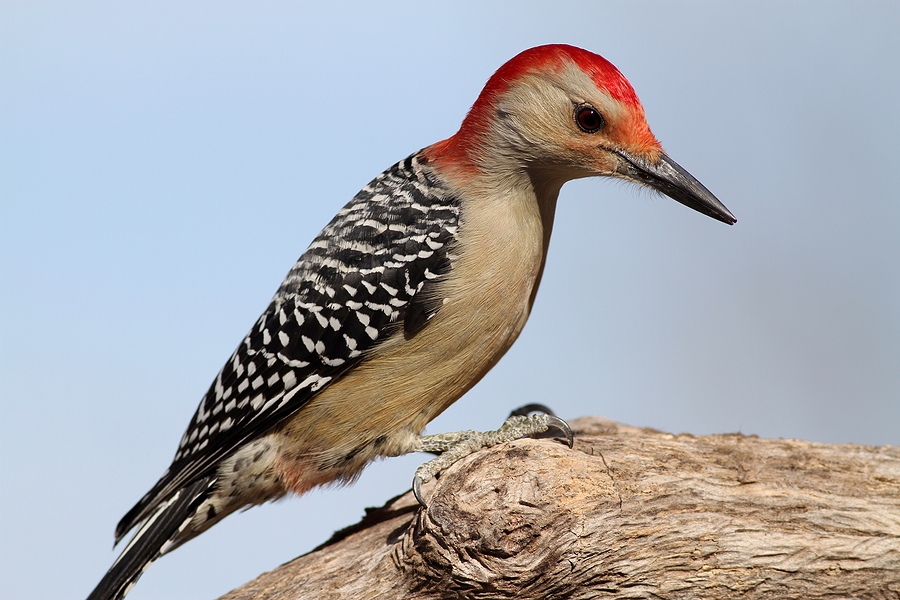
Virginia plays host to several woodpecker species, each unique in their feather patterns, behaviors, and habitats. The most frequent culprits include the downy woodpecker, the northern flicker, and the red-bellied woodpecker.

Why They ‘Peck’

Why do woodpeckers peck on buildings? The answer’s not ‘one-size-fits-all.’ For some, it’s a territorial display or a part of courtship behavior. Others may be seeking out insects living inside the wood, attracted by the sounds or the reverberations the wood makes.

The Damage They Can Do

Regardless of the reason, the impact on structures and surroundings can range from holes in siding, to weakened structural beams, and a general decrease in the aesthetic integrity of your property.

Non-Harmful Woodpecker Deterrents

Thankfully, there are myriad non-harmful ways to deter woodpeckers that won’t harm the birds or disrupt the local ecosystem. These strategies are often effective in encouraging woodpeckers to seek out new territories.

Visual Disorientation

Visual deterrents, such as reflective tape, balloons, or special scare eye balloons, can confuse and deter the most determined pecker. These are cost-effective and easily installed, offering immediate relief from woodpecker visits.

Sound Strategies

Auditory deterrents like alarms and distress calls can effectively disrupt the woodpecker’s pecking party. Modern technology even offers devices that mimic the natural predator calls that these birds fear, making your property a less inviting target.

Physical Barriers

Mesh nettings, bird spikes, and special coatings can be applied to vulnerable areas to make pecking less rewarding for the birds. While they might require more initial effort and planning, these barriers can provide long-term peace of mind.

DIY Preventive Measures

Taking control of the woodpecker situation doesn’t always mean dramatic intervention. Simple changes in your property can make a world of difference.

Adjusting Their Environment

Making your surroundings less hospitable for woodpeckers can nudge them away. This might involve clearing away dead trees or branches that could serve as drumming posts or reducing the abstraction of their reflection on windows.

Rethinking Your Landscape

Controlling the types and locations of trees and plants around your property can mitigate woodpecker interest. Thinning out trees that are near your building can reduce the amount of practice space available for these avian drumline champions.

Nip Nesting in the Bud

If a woodpecker finds a spot on your property that they deem nest-worthy, they’re not likely to forget it. Being proactive about sealing off any nooks and crannies that could become nesting areas is key in deterring them from returning.

Safe and Humane Woodpecker Removal Methods

When all else fails, and the woodpeckers are a persistent problem, it may be time to consider bird removal methods.

Professional Bird Removal and Control

Professional wildlife removal and control services are equipped with the knowledge and experience to handle woodpecker issues humanely and effectively. By understanding local laws and regulations, these services ensure that all proper steps are taken to resolve the problem without causing harm to the birds or the environment.

DIY is Not Recommended

While DIY enthusiasts and well-meaning neighbors might offer advice or services, it’s worth investing in a professional. Improper bird removal can lead to more problems, such as lingering smells, attracted vermin, or even legal repercussions if done without proper permits.

Conclusion

Dealing with woodpeckers doesn’t have to mean declaring war on nature. By employing a combination of deterrent strategies, preventive measures, and, if necessary, professional assistance, you can manage nuisance woodpecker issues in a responsible and effective manner. The key is to start early, stay informed, and act decisively.

If you find yourself in a “peck” of trouble, remember that your goal is not to eradicate these beautiful birds but to re-direct their activities away from your home. In the end, by respecting nature and employing ethical means to solve your woodpecker woes, you’ll not only protect your property but also contribute to a healthier coexistence with the wildlife around you.

Dealing with a woodpecker problem around your house or business? Contact Virginia Wildlife Pros at 804-292-0156 for professional bird removal and control in Richmond and beyond. Our licensed and insured animal trappers work with all native Virginia wildlife, using only safe and humane methods to extract and abate nuisance animals. Request a free quote, today.

Related Posts:

Feathered Foes: Practical Solutions for Nuisance Pigeons
8 Effective Strategies for Nuisance Bird Control
The Nuisance Bird Removal Methods You Need

Nesting Nuisances: Handling Squirrels and Their Young in Your Attic

Squirrels are known for their agile dexterity, fluffy tails, and—unfortunately for homeowners—keen nesting instincts. When squirrels take up residence in the cozy confines of your attic, it can lead to a myriad of issues, from damaging your property to creating a health hazard. This comprehensive guide will walk you through the squirrel conundrum, from identifying their presence to safe removal and future prevention. This shall give you an actionable plan to handle these fluffy-tailed interlopers.

Call 804-292-0156 for Licensed Squirrel Removal Services in Richmond Virginia

Squirrels Noises Coming From the Attic?

Imagine this: it’s a quiet evening, and you’re unwinding at home, possibly in the attic working on a project, when you hear the pitter-patter of tiny feet, only to find they’re not so tiny – they belong to a family of squirrels. But what’s the big deal? They’re just harmless critters, right? Not so fast. Squirrels in the attic might be adorable, but they can quickly become a homeowner’s nightmare.

Common Problems Associated With Squirrel Infestations

Squirrel infestations in attics pose several problems, each escalating in severity the longer the squirrels are left to their devices. First and foremost, these critters are not timid when it comes to making their home their own. They’ll chew through insulation, electrical wiring, and even wood to build their nests, leading to the risk of fires and costly repairs. Even if you find them adorable, structural damages caused by them can lead to hefty bills.

There are also several legal considerations regarding squirrel removal and control. Depending on where you live, there may be legal implications to consider before taking any removal action. Some squirrel species are protected and disturbing them could warrant penalties.

Typical Squirrel Infestation Signs

Awareness is your first line of defense. Listen for scratching, rustling, or scampering sounds, especially during the day, which is when squirrels are most active. Stains from their urine or droppings, which look similar to those of rats but larger, are also telltale signs. Becoming familiar with these indicators allows you to act promptly and protect your home.

The most indicative signs of a squirrel infestation in your attic include:

◈ Unusual, repetitive noises during the day
◈ Foul odors
◈ Diminished insulation
◈ Chewed wires or wood
◈ Droppings in your attic

Safe and Humane Squirrel Removal Methods

Once you’ve confirmed the presence of squirrels, the next step is extraction. But how you remove squirrels and their babies is crucial, as both your safety and the well-being of the squirrels need to be considered. For most, the risks and potential legal issues of DIY squirrel removal are too significant to consider. Professional squirrel removal services have the expertise to safely and legally perform eviction procedures, such as one-way doors that allow squirrels to exit but not re-enter. It’s important to note that relocating wildlife is illegal in many areas and can be far more harmful to squirrel populations than people realize.

Why professional animal removal contractors are often the best choice for squirrel removal:

◈ Expertise in identifying species and their behaviors
◈ Safe, humane trapping and removal
◈ Legal compliance and paperwork if needed

Attic Damage Cleanup and Repair

The removal of a squirrel is a significant step, but the post-infestation cleanup/repair phase is just as crucial. Droppings carry diseases, so proper sanitation is necessary. In addition, you’ll need to assess and repair any damage done to the attic’s structure.

Attic cleanup steps after squirrel removal include:

◈ Identifying the extent of the damage.
◈ Sanitizing the area to eliminate health hazards.
◈ Repairing chewed wires, bad insulation, and any other structural damage.
◈ Proper and thorough cleanup ensures your attic is safe.

How to Prevent Squirrels in the Attic

The best way to deal with a squirrel infestation in the attic is to prevent it from happening in the first place. Squirrels are resourceful, but you can be too with these strategic precautions. They can fit through incredibly small openings. Ensuring every nook and cranny is sealed is your best approach. Use mesh wire or hardware cloth to secure vents, chimneys, and any openings they might use to access your attic. Chimney caps, vent covers, and squirrel baffles are wise considerations.

Key points for securing entry points to your attic:

◈ Conduct regular inspections of your home.
◈ Seal any openings, even if they seem too small.
◈ Trim tree branches that provide easy access to your roof.

Squirrel Control Tips

Deterring squirrels involves making your home less attractive to them. Regular maintenance and a diligent upkeep schedule can go a long way. Effective ways to deter squirrels from your property:

☑ Ensure food waste is properly disposed of in sealed containers.

☑ Use motion-activated lights or noise devices to startle them if they approach your home.

☑ Create a less appealing environment by sprinkling predator urine or animal repellent around the perimeter of your home.

☑ Consistency is key – keep these measures in place even after you think the coast is clear.

Conclusion

Squirrels in the attic may seem like an adorable, if unwelcome, surprise, but the potential hazards they bring with them are nothing to ignore. By understanding the issue, safely removing the squirrels, thoroughly cleaning affected areas, and taking preventative measures, you can steer clear of a squirrel saga in your home.

Remember, when it comes to these furry terrors, it’s often best to defer to the professionals. If you’ve encountered a squirrel situation that’s more than you can handle, don’t hesitate to reach out to a Richmond Virginia wildlife control service. They have the experience and knowledge to handle the issue effectively, humanely, and legally.

Protecting your home from squirrel infestations is not a one-time event. It’s a commitment to the ongoing health and safety of your home. Stay vigilant, stay informed, and if you need to, secure the help of people who have dedicated their careers to handling these situations. Your home is your sanctuary, and with the right approach, it can remain free from the unwanted nursery of a squirrel family.

Are you having trouble with nuisance squirrels in your area of Virginia? Contact Virginia Wildlife Pros at 804-292-0156 for professional squirrel removal services in Richmond and its outer regions, today. We serve residential and commercial customers with free quotes, free advice, and quality work.

Related Posts:

Squirrel Species Around the World: A Fascinating Journey
The Squirrel Diet: What These Critters Eat and Why It Matters
How to Get Rid of Pesky Squirrels Without Harming Them