Unwelcome Tenants: How to Deal with Wildlife in Your Chimney

Discovering wildlife in your chimney can transform a quaint, cozy fireplace into a source of stress and concern. While the sound of tiny feet scampering or the occasional bird chirp might seem initially charming, these uninvited guests can pose significant risks to both your home and the animals themselves. From squirrels and raccoons to birds and bats, our homes inadvertently attract a variety of wildlife seeking shelter and warmth.

This blog post aims to guide you through identifying signs of animal presence in your chimney, understanding the risks involved, and exploring humane and effective strategies to deal with these unwanted tenants, ensuring the safety and comfort of both your family and your furry or feathered visitors.
Call 804-292-0156 for Safe Animal Removal in Richmond Virginia

Identifying Signs of Animal Presence

The first step in addressing a wildlife issue in your chimney is to confirm its presence. While some animals may accidentally wander into your fireplace and find themselves unable to get back out, others deliberately seek refuge in the warmth and shelter of a chimney. Here are some common signs that indicate animal presence in your chimney:

Strange noises: If you hear scratching, chirping, or other unusual sounds coming from your chimney, chances are there is some type of wildlife residing inside.

Foul odors: Animals tend to leave droppings and urine behind, which can cause a distinct odor in your home. If you notice a foul smell emanating from your fireplace, it’s worth investigating further.

Debris and nesting materials: Animals such as squirrels and birds will often bring in twigs, leaves, and other debris to build nests in your chimney. If you notice any unusual materials inside your fireplace, it could be a sign of animal activity.

Damaged chimney cap or screen: Many animals can squeeze through small openings, so if your chimney cap or screen is damaged or missing, it can serve as an open invitation for wildlife to enter and take up residence.

Understanding the Risks of an Animal Infestation

While wildlife in your chimney may seem like a harmless inconvenience, there are several risks that come with their presence. These include:

Fire hazards: Animals can bring flammable materials into your chimney, increasing the risk of a fire if they build a nest or become stuck in the flue.

Structural damage: Wildlife can cause significant damage to your chimney and surrounding areas as they try to enter or exit, potentially compromising its structural integrity.

Health hazards: Animals carry a variety of diseases and parasites that can be transmitted to humans through contact with their droppings, urine, or even direct contact.

Humane Wildlife Removal Strategies

If you have confirmed the presence of wildlife in your chimney, it’s important to take action to remove them as soon as possible. Here are some humane strategies that can help:

Hiring a professional: The safest and most effective way to remove wildlife from your chimney is by hiring a professional animal removal company. They will have the necessary knowledge and experience to safely and humanely remove the animals and make any necessary repairs to your chimney.

Using deterrents: There are several animal deterrence products on the market, such as ultrasonic devices and chemical repellents, that may help discourage wildlife from entering your chimney. However, these methods may not be effective for all types of animals and could potentially harm them or other non-targeted species. You can make homemade animal repellent too.

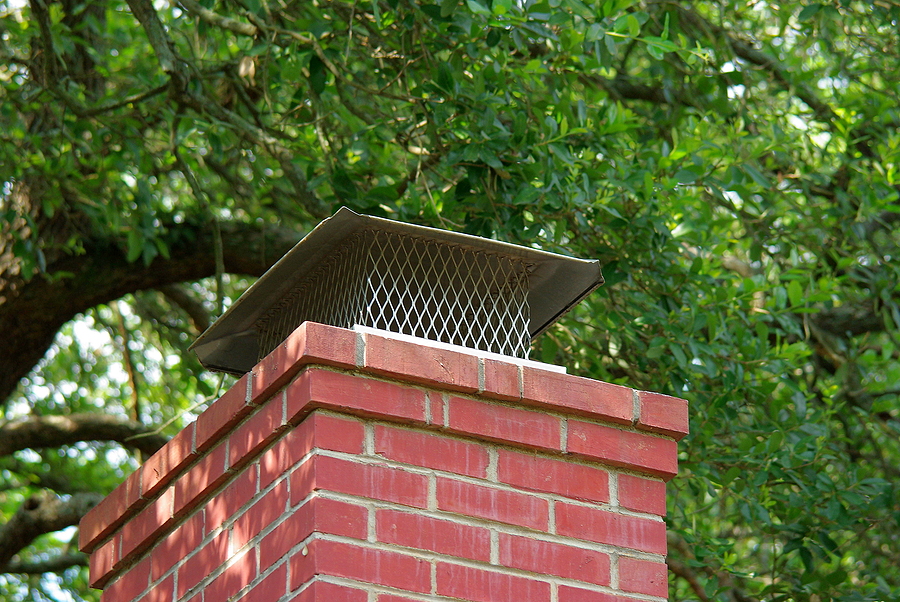
Installing a chimney cap or screen: To prevent animals from entering your chimney in the first place, consider installing a cap or screen that covers the opening. This will not only keep out wildlife but also debris and rainwater.

Conclusion

Dealing with unwelcome wildlife in your chimney can be a challenging and delicate situation. By recognizing signs of animal presence, understanding the risks involved, and employing humane removal strategies, you can effectively address the issue and prevent it from happening again in the future. Remember to always prioritize the safety and well-being of both your family and the animals involved. With proper precautions and prompt action, you can keep your fireplace cozy without any unexpected furry or feathered guests. So go ahead, light that fire and enjoy a peaceful evening by the hearth.

Don’t let unwelcome tenants dampen your enjoyment of your fireplace! Contact Virginia Wildlife Pros at 804-292-0156 for professional animal removal and control in Richmond, or its surrounding towns. We serve residential and commercial customers with free quotes, free advice, and quality work.

Related Posts:

The Importance of Professional Wildlife Removal and Control Service
Preventing Animal Infestations: What You Need to Know
Nature in Balance: Ethical Approaches to Wildlife Control

Unmasking the Culprits: Common Diseases Affecting Virginia’s Wildlife

Virginia’s diverse wildlife, from the majestic white-tailed deer to the elusive bobcat, are more than just inhabitants of our natural landscapes, they are integral parts of our state’s ecosystem. However, their survival is increasingly threatened by the spread of diseases like Rabies virus and Leptospirosis.

In this blog post, we will unmask the culprits behind these diseases, delving into their causes, symptoms, modes of transmission, and the impact they have on Virginia’s wildlife. Understanding these diseases is the first step to ensure the health and longevity of our state’s precious wildlife inhabitants.

Call 804-292-0156 for Licensed Animal Removal Service in Richmond Virginia

Common Wildlife Diseases in Virginia

Rabies Virus

Rabies is a highly infectious and deadly disease that affects Virginia’s wildlife, as well as domestic animals and humans. The virus is primarily transmitted through the bite of an infected animal but can also be spread through contact with saliva or nervous tissue of an infected animal. In Virginia, the most common carriers of rabies are raccoons, skunks, bats, and foxes. Many wrongly assume that opossums have Rabies, but they are not common carriers of the virus.

▶ Symptoms

The symptoms of rabies in wildlife can vary, making it difficult to identify. Some signs to look out for include disorientation, aggression, paralysis, and changes in behavior. Animals infected with the virus may also have difficulty walking or flying and may exhibit excessive salivation. These symptoms are caused by the virus attacking the nervous system, eventually leading to death.

▶ Impact on Wildlife

Rabies is a serious threat to Virginia’s wildlife population. It not only causes suffering and death in infected animals but also has a significant impact on the ecosystem. As predators become sick or die from the virus, there is a disruption in the natural balance of prey and predator populations. This can have cascading effects on the entire ecosystem, leading to potential imbalances and even extinction of certain species.

Leptospirosis

Leptospirosis is a bacterial disease that affects both humans and animals. It is caused by the bacteria Leptospira and can be transmitted through contact with contaminated water, soil, or infected animals. In Virginia, raccoons and skunks are the most common carriers of the bacteria.

▶ Symptoms

Symptoms of leptospirosis in wildlife may include fever, muscle pain, vomiting, and diarrhea. Like rabies, these symptoms can be difficult to identify as they vary from species to species. In severe cases, the disease can cause organ failure and death.

▶ Impact on Wildlife

Leptospirosis can have devastating effects on Virginia’s wildlife population. Infected animals may experience reduced fertility, birth defects, and chronic health issues. The bacteria can also contaminate water sources, posing a threat to other wildlife and domestic animals that rely on these resources for survival.

Roundworm and Other Parasites

While rabies and leptospirosis may be the most well-known diseases affecting Indiana’s wildlife, there are also several parasites that can have significant impacts on their health. For example, roundworms can infect raccoons and cause neurological issues, leading to disorientation and death. Additionally, ticks can transmit diseases like Lyme disease to animals, causing serious health problems.

Canine Distemper

Another disease that poses a threat to Virginia’s wildlife is canine distemper. This viral disease primarily affects canines but can also infect other animals, including raccoons, skunks, and foxes. Symptoms can include fever, nasal discharge, and neurological issues. Distemper is highly contagious and can lead to death in infected animals.

Conclusion

As we continue to share our environment with Virginia’s diverse wildlife, it is crucial to understand the threats they face, including diseases like rabies, leptospirosis, and others. By learning about these illnesses, we can take necessary precautions to prevent their spread and protect our state’s wildlife population. Let us all do our part in preserving the beauty and diversity of Virginia’s natural habitats for generations to come. So next time you see a wild animal, remember they are more than just creatures of the wilderness, they are our fellow inhabitants who deserve to live healthy and thriving lives. 

Are you dealing with nuisance wildlife threats around your home or business? Contact Virginia Wildlife Pros at 804-292-0156 for professional animal removal and control in Richmond, or its surrounding towns. We serve residential and commercial customers with free quotes, free advice, and quality work.

Related Posts:

Bracing for Winter: Your Guide to Animal-Proofing in Virginia
Nature in Balance: Ethical Approaches to Wildlife Control
The Importance of Professional Wildlife Removal and Control Service

The Secret Life of Opossums: A Closer Look at Their Daily Routines

Opossums, often misunderstood and unfairly vilified, lead fascinating lives that are largely hidden from human view. As nocturnal animals, they navigate through their nightly routines with an intriguing mix of adaptability and resilience. But what exactly does an average day (or night) in the life of an opossum look like?

From its foraging habits to its unique method of opossum control and survival, we’re about to take a closer look at the daily routines of these often overlooked creatures. Get ready to step into the secret life of opossums, and you might just find yourself gaining a new respect for these adept survivors.

Call 804-292-0156 for Safe and Humane Opossum Removal Service in Richmond Virginia

A Nightly Foraging Adventure

As the sun sets and most of the world goes to sleep, opossums come alive. These creatures are strictly nocturnal, which means that they spend their days sleeping and their nights actively foraging for food. With a diet that consists of everything from insects and small animals to fruits and vegetables, opossums have developed a versatile and opportunistic approach to finding their next meal. Using their keen sense of smell, they can locate food even in the dark, which is aided by their long snouts and whiskers that help them navigate through their surroundings.

Multi-Tasking Masters

While foraging may be the main priority for opossums at night, it’s not the only task on their to-do list. Opossums are skilled multi-taskers, and they use their nightly hours to fulfill a variety of other essential activities as well. From grooming and socializing with other opossums to marking their territory and building nests for shelter, these creatures have a busy schedule to keep up with every night.

Playing Dead

One of the most fascinating and well-known abilities of opossums is their unique survival technique – playing dead. When threatened, opossums have the ability to go into a state of shock that makes them appear dead to predators. This helps them avoid danger, as many predators prefer fresh prey over carrion. While in this state, opossums also release a foul-smelling odor that further deters predators from attacking them.

Opossum Babies

As with many animals in the wild, opossums face significant challenges during their first months of life. Babies, known as joeys, are born after only a 13-day gestation period and are extremely tiny, about the size of a honey bee. They then spend the next two to three months inside their mother’s pouch, surviving solely on her milk. That’s right, opossums are marsupials just like kangaroos. After leaving the pouch, they continue to nurse for a few more weeks before venturing out on their own. As a result of this precarious start to life, opossum mothers are extremely protective and nurturing towards their young.

Humane Solutions for Nuisance Opossums

While opossums may seem harmless and intriguing from a distance, they can quickly become a nuisance when they decide to take up residence in or around our homes. In addition to the mess and damage they can cause, their tendency to scavenge through trash and gardens can be a health hazard for humans. If you find yourself with unwelcome opossum neighbors, it’s important to seek out professional wildlife removal and control solutions for opossums. This may include using motion-activated sprinklers or sound devices to deter them from your property, as well as setting up exclusion channels and sealing up any potential entry points to prevent them from getting in.

In Summary

From their nightly foraging adventures to their unique survival techniques and important role in the ecosystem, opossums lead intriguing lives that are worth learning more about. By gaining a better understanding of these often misunderstood creatures, we can develop a newfound appreciation for their adaptability and resilience.

So, next time you spot an opossum in your backyard or on your street, take a moment to appreciate the secret life of these fascinating creatures.  So, it’s our responsibility to live in harmony with them and respect their right to survive alongside us. Together, we can share this planet with all its inhabitants and continue to learn from one another. 

Would you like expert assistance with nuisance possum troubles? Contact Virginia Wildlife Pros at 804-292-0156 for professional opossum removal and control in Richmond and beyond. Our licensed and insured animal trappers work with all native Virginia wildlife, using only safe and humane methods to extract and abate nuisance animals. Request a free quote, today.

Related Posts:

Opossum Control Tips for Homeowners
Dealing with Nuisance Opossums in Your Yard: What You Need to Know
Nature in Balance: Ethical Approaches to Wildlife Control

The Best Practices for Beaver Control: A Comprehensive Guide

Beavers, admired for their industrious nature and architectural prowess, are often a sight to behold in their natural habitat. However, when they encroach on human territory, their dam-building activities can lead to serious problems, such as flooding and property damage. This necessitates effective beaver control strategies.

In this comprehensive guide, we’ll explore the best practices for beaver control and removal, shedding light on the most humane and effective ways to deal with beaver dams. This guide aims to equip you with the knowledge you need to coexist peacefully with these fascinating creatures while protecting your property and local ecosystems.

Call 804-292-0156 for Beaver Removal Service in Richmond VA

Understanding Beaver Behavior

Before we delve into the best practices for beaver control, it’s important to understand their behavior and habits. Beavers are herbivorous semi-aquatic mammals that build dams and lodges using mud, sticks, and branches. These structures serve as their homes and protection from predators. Beavers are known for their dam-building activities, which can have significant impacts on the surrounding environment. Their dams can cause flooding, alter water flow, and damage trees. Beavers are also capable of felling large trees with their powerful teeth, which poses a threat to nearby properties. Understanding these behaviors is crucial in developing effective control strategies.

Humane Beaver Removal

When dealing with beaver control, it’s important to prioritize humane methods. Beavers play a vital role in maintaining healthy ecosystems, and their removal should only be considered as a last resort. If you’re facing issues with beaver dams on your property, it’s best to contact a licensed wildlife control professional who is trained in humane trapping and relocation techniques. They can assess the situation and determine the most appropriate course of action. In some cases, using exclusion devices or deterrents can also be effective in deterring beavers from building dams.

Techniques for Beaver Control

If you’re determined to handle the beaver control yourself, there are a few techniques that can be used. It’s important to note that these methods should only be used after consulting with local authorities and obtaining necessary permits. One method is the installation of a flow device, which allows water to bypass the beaver dam while still maintaining the beavers’ pond habitat. This can help prevent flooding and minimize damage while allowing the beavers to remain in their environment. Another technique is the use of deterrents such as sound or light devices, which can discourage beavers from building dams in certain areas. These methods should always be used in combination with humane trapping and relocation techniques.

Maintaining Beaver Habitat

In addition to controlling beavers, it’s important to also maintain their habitat. Beavers rely on habitats with ample food sources and water supply to survive. By maintaining a healthy ecosystem, you can limit the potential for beavers to cause problems on your property. This includes planting trees that are not preferred by beavers, maintaining proper water flow in streams and rivers, and regularly removing debris from waterways. By promoting a balanced ecosystem, you can coexist with beavers without the need for aggressive control measures.

Conclusion

Beaver control is a complex issue that requires careful consideration and expertise. By understanding their behavior, using humane removal techniques, implementing effective control methods, and maintaining their habitat, we can effectively manage beaver populations while minimizing the impact on our surroundings. Remember to always consult with local authorities and seek professional help when dealing with beaver control. With these best practices in mind, we can coexist peacefully with these fascinating creatures and protect both our properties and natural ecosystems. 

Would you like some professional assistance with getting rid of beavers on your property? Contact Virginia Wildlife Pros at 804-292-0156 for licensed and insured beaver removal and control in Richmond, Virginia, and surrounding counties. We serve residential and commercial customers with comprehensive mice and rat removal solutions at affordable prices. Request a free quote, today!

Related Posts:

Effective Strategies for Beaver Control in Virginia
8 Tips for Successful Beaver Management
Preventing Animal Infestations: What You Need to Know

A Comprehensive Guide to Snake Control in Virginia

Virginia, home to diverse fauna, plays host to multiple species of snakes, some of which can be a cause for concern. This blog post will serve as your comprehensive guide to snake control in the region, arming you with knowledge and effective measures to keep these serpents at bay.

We’ll delve into understanding the different types of snakes found in Virginia, their habitats, and their behaviors. We will also explore various snake deterrents and the best practices for snake control, ensuring you and your loved ones remain safe and secure. Brace yourselves for a journey into the world of these remarkable reptiles and how to coexist with them safely.

Call 804-292-0156 for Safe and Humane Snake Control in Richmond Virginia

Types of Snakes in Virginia

Virginia is home to 32 species of snakes, 27 of which are non-venomous and five that are venomous. The most common types of snakes found in the state include eastern garter snakes, northern water snakes, black rat snakes, copperheads, and timber rattlesnakes. These snakes vary in size, coloration, and behavior patterns. It is essential to familiarize yourself with these variations to understand how best to handle them.

Habitat and Behaviors

Snakes can be found in a variety of environments such as forests, grasslands, wetlands, and even urban areas. They prefer dark and damp places like under rocks or logs for shelter and hunt small prey like rodents, birds, and insects. Snakes are also known to climb trees, swim in water bodies, and burrow underground. It is essential to keep your surroundings clean and free of debris to minimize potential snake habitats.

Snakes are generally shy creatures that will only attack if they feel threatened or provoked. They rely on their camouflage abilities to hide from predators and humans; therefore, it is crucial to be aware of your surroundings when exploring nature trails or wooded areas.

Snake Deterrents

While snakes play a vital role in maintaining the balance of ecosystems, encountering them can still be frightening for many people. The good news is there are several effective snake deterrents that can help keep them away from your property.

Physical Barriers

The first line of defense against snakes is to deny them access to your property. This can be achieved by erecting physical barriers such as fences, mesh screens, or metal sheets around the perimeter of your yard or garden. These barriers should be at least three feet high and buried a few inches underground to prevent snakes from crawling under.

Natural Repellents

Snakes have sensitive olfactory systems, making strong scents an effective deterrent. Essential oils like cinnamon, clove, and peppermint are known for their potent snake-repelling properties. You can mix these oils with water and spray the solution around potential entry points on your property. Other natural repellents include sulfur powder and predator urine (e.g., coyote or fox), which can be found in home and garden stores.

Commercial Snake Repellents

There are also many commercial snake repellent products available on the market. These usually come in granule or spray form, containing active ingredients like sulfur, naphthalene, and clove oil. It is essential to read and follow the instructions carefully when using these products to ensure they are safe for your family and pets.

Best Practices for Snake Control

Apart from deterrents, there are other best practices that homeowners can adopt to control snakes on their property. One essential step is to keep your surroundings clean and tidy. Snakes are attracted to debris, clutter, and overgrown vegetation as it offers them shelter and hiding spots. Regularly mow your lawn, trim shrubs, and clear away piles of leaves and logs to reduce the chances of a snake infestation.

Additionally, inspect your home for any cracks or holes that snakes could use to enter. Make sure all gaps in windows, doors, and foundation walls are sealed with weather stripping or caulk. This will not only keep snakes out but also prevent other pests from entering your home.

In case you spot a snake on your property, it is crucial to stay calm and give it space. Most snakes will move along after realizing there is no threat present. If you have pets, make sure they are kept indoors until the snake has moved on. In case of a venomous snake encounter, seek immediate medical attention.

Conclusion

Snakes may seem scary, but with the right knowledge and precautions, coexisting with them is possible. By understanding their behaviors and habitats, implementing deterrents, and following best practices for snake control, you can keep your property safe from these slithering creatures. Remember to always respect snakes as integral members of our ecosystem and handle encounters with caution.

Are you currently dealing with a snaky situation in your home or place of business? Contact Virginia Wildlife Pros at 804-292-0156 for professional snake removal and control in Richmond, or its surrounding towns. We serve residential and commercial customers with free quotes, free advice, and quality work.

Related Posts:

An Overview of Snake Species in Virginia
What To Do When You Find a Dead Animal in Your Home
Preventing Animal Infestations: What You Need to Know

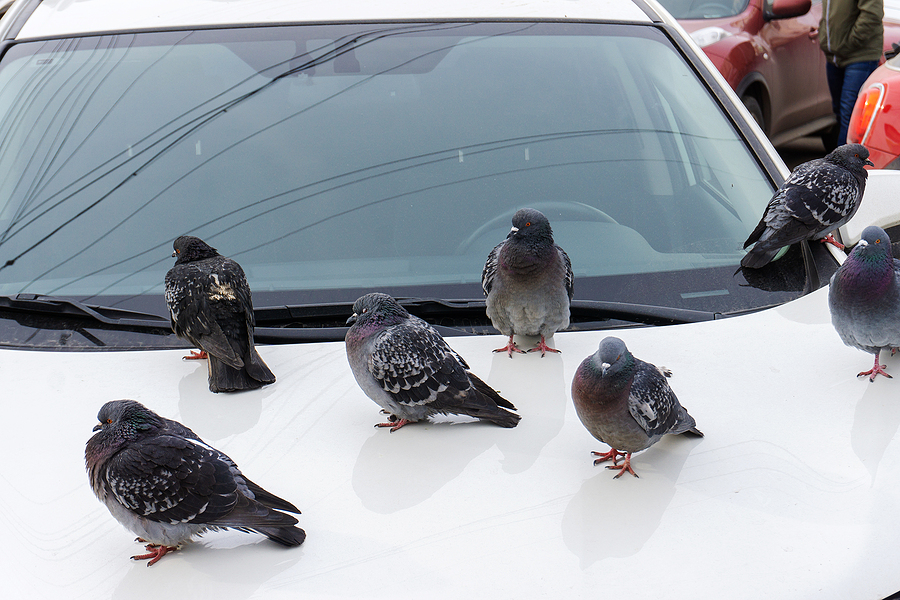
Feathered Foes: Practical Solutions for Nuisance Pigeons

Pigeons, often viewed as the quintessential city bird, can often become more than just a simple inconvenience. Their incessant cooing, droppings, and nesting habits can cause real trouble for homes and businesses alike.

If you’re reading this blog, you’re probably seeking effective solutions for pigeon control. From pigeon repellents to deterrents, we’ll explore an arsenal of practical methods to keep these feathered foes at bay. So, whether you’re a homeowner, a property manager, or a city dweller tired of the nuisance, stay tuned as we navigate together through different options to tackle this common urban issue.

Call 804-292-0156 for Pigeon Control in Richmond Virginia

Understanding the Problem

Pigeons are not just a nuisance, but they can also pose health risks and property damage. Their droppings contain harmful bacteria and fungi that can cause respiratory issues in humans, especially those with compromised immune systems. Plus, their nesting habits can clog gutters and drains, leading to water damage and costly repairs. Pigeons are also known to carry mites and other pests into buildings, creating potential infestation problems. Therefore, it’s crucial to take action if you notice a growing pigeon population in your vicinity.

Pigeon Control Methods

Pigeon Repellents:

These are products designed to deter pigeons from entering an area by using unpleasant scents or tastes that birds don’t like. Some of the most commonly used pigeon repellents include:

▶ Ultrasonic devices that emit high-frequency sounds that are bothersome to birds, but not audible to humans.

▶ Visual deterrents such as reflective strips or balloons with predator eyes painted on them can scare pigeons away.

▶ Pigeon spikes and netting: Installing these physical barriers can make it difficult for pigeons to land or nest on ledges, roofs, and other surfaces.

Pigeon Deterrents:

Unlike repellents that aim to make an area undesirable for pigeons, pigeon decoys and deterrents actively discourage them from entering the space. These methods usually involve using a natural predator to scare off the birds, such as:

▶ Installing owl or hawk decoys on buildings or rooftops.
▶ Using trained birds of prey to patrol the area and deter pigeons from nesting.

Pigeon Prevention is Key

While pigeon control methods can effectively manage existing pigeon populations, it’s crucial to take preventative measures to discourage future infestations. Some practical tips for preventing pigeon problems include:

▶ Regularly cleaning up any food sources around your property that may attract pigeons.

▶ Ensuring that all trash cans and dumpsters are tightly sealed to prevent access for scavenging birds.

▶ Sealing off any potential nesting spots, like gaps in roofs or walls, to discourage pigeons from building their nests.

▶ Hiring a professional wildlife removal company for expert bird abatement services.

Other Types of Nuisance Birds in the Midwest

While pigeons are a common problem in cities, they are not the only nuisance birds you may encounter. Here are some other types of birds that can cause similar issues and the control methods to consider:

Starlings: Commonly found in suburban areas, starlings can be controlled using similar methods as pigeons.

Sparrows: These small birds often nest in building eaves and can be deterred using netting or visual deterrents.

Canada Geese: These large birds are known for their aggressive behavior and droppings. The most effective way to control them is by physically removing their eggs or installing barriers to prevent them from nesting on your property.

Conclusion

In conclusion, pigeon control can be achieved through a variety of methods, including repellents and deterrents. However, it’s essential to take preventative measures to discourage future pigeon problems. By understanding the issue and implementing practical solutions, we can all coexist peacefully with these feathered foes in our urban environments. So, don’t let pigeons become a nuisance any longer – take action and implement these practical solutions today! 

Would you like professional assistance with nuisance pigeon problems? Contact Virginia Wildlife Pros at 804-292-0156 for professional bird removal and control in Richmond, or its surrounding towns. We serve residential and commercial customers with free quotes, free advice, and quality work.

Related Posts:

8 Effective Strategies for Nuisance Bird Control
What To Do When You Find a Dead Animal in Your Home
Preventing Animal Infestations: What You Need to Know

Effective Strategies for Beaver Control in Virginia

In the lush landscapes of Virginia, beavers, with their exceptional dam-building abilities, play an essential role in maintaining local ecosystems. However, their activities can sometimes result in conflicts with human interests, leading to the necessity for effective beaver control strategies.

This blog post will explore various methods, including the use of beaver repellents and other humane alternatives, to manage beaver populations and mitigate their impact on human habitats and infrastructure. So, whether you’re a homeowner, farmer, or simply a nature enthusiast, this guide will provide you with practical and ethically responsible solutions to manage our industrious friends, the beavers.

Call 804-292-0156 for Beaver Control in Richmond Virginia

Understanding Beavers and Their Behavior

Beavers are large, semi-aquatic mammals that live in wooded areas throughout Virginia. They play a critical role in maintaining local ecosystems by constructing dams on rivers and streams. These dams create wetlands that can provide homes for other wildlife, such as birds and amphibians, promote water quality, and support healthy fish populations.

Beavers are also able to damage trees or other plants with their sharp incisors. They will often gnaw on trees and shrubs around homes, farms, parks, and other areas for food and material for the construction of dams. It is important to understand beaver behavior in order to effectively manage them without causing harm. Knowing their feeding and breeding habits, when they are active, and the signs of their presence will help you choose the most appropriate management strategy.

Humane Beaver Control Strategies

Lethal beaver control measures should only be used as a last resort if other humane alternatives have failed to provide relief from property damage. Lethal methods can cause undesirable ecological consequences and should only be used if absolutely necessary. They must only be carried out by a licensed game warden or wildlife rehab official in Virginia. Fortunately, there are several humane alternatives available that can be used to manage beaver populations and mitigate their impact on human habitats and infrastructure:

Beaver Repellents: A number of commercially available products containing predator urine or food attractants can be used to repel beavers from areas where they are causing damage. Animal repellents should be regularly reapplied depending on the manufacturer’s instructions.

Beaver Fencing: Installing fencing around vulnerable plants can protect them from beavers’ gnawing and stripping activities. While this is a more expensive option, it may be necessary in order to prevent extreme damage.

Flushing Devices: If the water level of an affected area needs to be lowered, a flushing device or pipe could be installed on the upstream side of the dam. This can create an outlet for the water and reduce the water level without completely removing the dam.

Beaver Deceivers: A beaver deceiver is a type of structure placed downstream from a dam that will divert beavers away from areas where they are causing damage. These structures are designed to allow water to flow through them, which will reduce the pressure on the dam and redirect beavers away from the affected area.

Conclusion

Beavers play an important role in maintaining healthy local ecosystems throughout Virginia and should not be removed unless absolutely necessary. Instead, by understanding their behavior and using humane alternatives such as repellents, fencing, flushing devices, and beaver deceivers, it is possible to effectively manage beaver populations and protect human interests without causing harm.

By following the strategies outlined in this article, you can protect your property or habitat with ethically responsible solutions while protecting these industrious creatures. Thank you for taking the time to read this guide on effective strategies for beaver control in Virginia. If you have any further questions or would like additional information, please contact your local Richmond wildlife removal and control professional and they will be happy to help.

Would you like expert assistance with nuisance beaver troubles? Contact Virginia Wildlife Pros at 804-292-0156 for professional beaver removal and control in Richmond and beyond. Our licensed and insured animal trappers work with all native Virginia wildlife, using only safe and humane methods to extract and abate nuisance animals. Request a free quote, today.

Related Posts:

8 Tips for Successful Beaver Management
The Importance of Professional Wildlife Removal and Control Service
Preventing Animal Infestations: What You Need to Know

Slithering Intruders: A Comprehensive Guide to Snake Control in Virginia

Virginia, renowned for its rich biodiversity, is home to 32 species of snakes, out of which three are venomous. These slithering creatures often evoke a sense of fear and intrigue among residents. While they play a crucial role in maintaining the ecological balance, their unexpected presence in our homes or gardens can be unsettling.

This comprehensive guide aims to provide you with essential knowledge and practical tips for effective snake control in Virginia. We’ll delve into understanding the different snake species, especially the venomous ones, and explore professional snake removal practices. Equipped with this knowledge, you’ll be better prepared to handle these slithering intruders.

Snake Removal Richmond Virginia
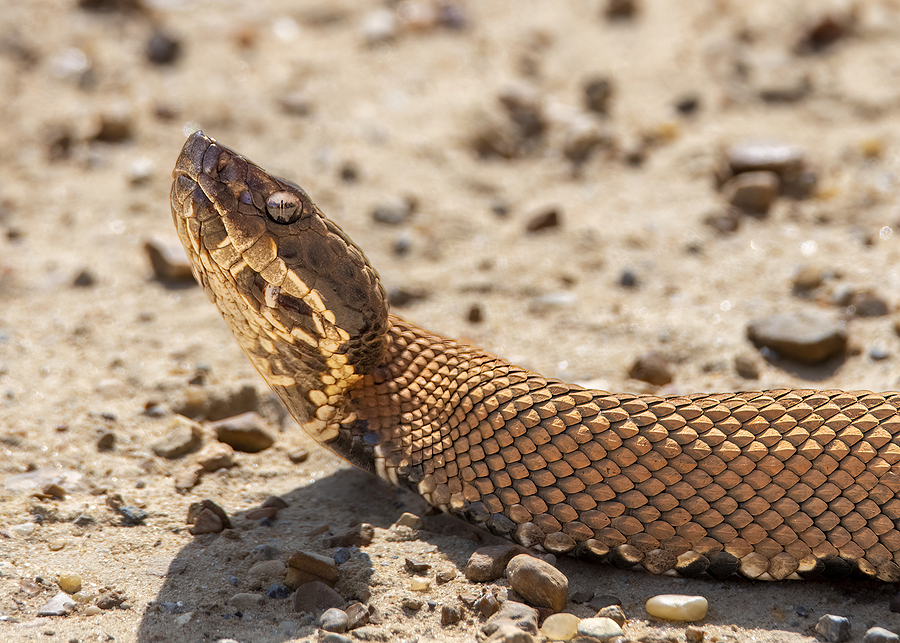
Cottonmouth Snake (Agkistrodon piscivorus)

Identifying the Different Snake Species in Virginia

Snakes are members of the reptile family, and those that exist in Virginia can typically be divided into two categories: non-venomous snakes and venomous snakes. While there are many different species of non-venomous snakes found across the state, only three types of venomous snakes live here: copperheads, timber rattlesnakes, and cottonmouths. It is important to be able to identify them so as to avoid any unpleasant incidents.

Copperhead snakes – Copperhead snakes are the most common venomous snake in Virginia, with adults ranging from 22-36 inches in length and possessing a variety of markings such as reddish-brown crossbands on their heads or bodies.

Timber rattlesnakes – Timber rattlesnakes, also referred to as canebrake rattlers, have grayish-brown backs and yellowish bellies with black checkered patterns. They can reach up to 54 inches in length and are usually found near rocky bluffs or open wooded areas.

Cottonmouths – Cottonmouths look similar to copperheads but often have more vibrant colors and darker bands. These snakes are excellent swimmers and can be found in or around bodies of water such as streams, rivers, or ponds.

Professional Snake Removal Services in Richmond

In most cases, the best way to deal with an unwelcome snake visitor is to call for professional help. Experienced Richmond VA snake control experts will assess the situation and safely remove the snake from your property. They will also take necessary steps to ensure that such incidents do not recur in the future, by installing barriers to prevent snakes from entering your home or garden.

It is important to note that you should never attempt to capture or kill a snake on your own as they can cause serious injuries if provoked. In addition, most species of snakes are protected by Virginia state laws, and harming them can result in hefty fines or criminal charges.

Keeping Snakes Away from Your Property

In addition to professional snake removal services in Richmond, Virginia, there are a few things that you can do on your own to discourage snakes from entering your property. Start by cleaning up any cluttered areas around the house or garden such as wheelbarrows, wood piles or debris. Snakes often seek out these areas as they provide them shelter and prey.

You could also consider installing snake-proof fencing around your property to keep snakes from entering. Furthermore, ensure that any openings such as vents or drainage pipes are properly sealed off to prevent snakes from sneaking in. Lastly, keep excess vegetation away from the house and trim your grass regularly as snakes are often attracted by thick foliage.

In Summary

By taking these precautions, you will be able to enjoy a safe and snake-free environment. However, if you do encounter a snake in or around your property, it is best to leave it alone and call for professional help. We hope this comprehensive guide provides you with a better understanding of snake control in Virginia and the necessary steps to keep them away from your property. Always practice caution when handling snakes, and if you have any questions or concerns, don’t hesitate to reach out to a professional snake trapper in Richmond, Virginia.

Are you dealing with reoccurring snake infestations on your property? Contact Virginia Wildlife Pros at 804-292-0156 for licensed and insured snake removal and control in Richmond, Virginia and surrounding areas. We serve residential and commercial customers with comprehensive mice and rat removal solutions at affordable prices. Request a free quote, today!

Related Posts:

An Overview of Snake Species in Virginia
The Importance of Professional Wildlife Removal and Control Service
What To Do When You Find a Dead Animal in Your Home

Feathered Foes: The Nuisance Bird Removal Methods You Need

Despite their beauty and the joy their songs can bring, birds can sometimes become a nuisance. Whether they’re damaging property with their nests, posing a health risk through their droppings, or causing sleepless nights with their incessant noise, nuisance birds can significantly disrupt our lives.

This blog post delves into effective strategies for bird control and bird removal that are both humane and efficient, ensuring that you can reclaim your space while causing minimal harm to our feathered friends. Read on to arm yourself with knowledge and take the first step towards a bird-free environment.

Call 804-292-0156 for Safe and Humane Nuisance Bird Removal in Richmond Virginia

Top Bird Nuisance Control Strategies

The first step in dealing with nuisance birds is to understand their behavior and take the necessary steps to control it. This could be as simple as making your property less inviting for them, such as by removing potential nesting materials like old clothes or cardboard boxes from your yard. You can also try spraying areas around your home with a bird repellent to make sure they stay away from your property.

For larger problems, like a flock of birds living in an old tree or on your roof, you may need to employ more aggressive strategies. Consider setting up nets around the area where the birds are nesting and use loud noises or other deterrents to encourage them to move elsewhere. If that doesn’t work, trap and relocate the birds to a new environment.

You can also try “bird scarers” to literally scare birds off. One strategy is to deploy a scarecrow. These spooky effigies look just enough like a person to give passing birds pause. Another safe and non-lethal approach is to deploy audio recordings of specific predatory sounds, like those of falcons or hawks calling out. Talon and owl replicas also prove effective for making birds think twice before roosting in unwelcome areas. The list goes on: Mylar tapes, bright reflective designs reminiscent of peregrine tails, orange plastic balls; the options available for DIY bird control are as varied as they are creative.

Professional Bird Removal Services

If bird control strategies fail, you may need to hire a professional wildlife control company for bird removal services. Such businesses specialize in safely removing nuisance birds from your property without harming them in any way. These experts will inspect the area where the birds are nesting and devise a plan for humanely trapping and relocating them, often using humane bird traps or other specialized equipment. They will also seal off your residence to ensure no future infestations, plus set up bird control strategies to keep them at bay. The cost of hiring a bird removal service in Richmond will vary depending on your location, the severity of the problem, and the services you choose – so be sure to get quotes from multiple services before deciding which one to use.

Wrapping Up

By following these tips and strategies for bird control and bird removal, you can reclaim your space without causing any harm to our feathered friends. Keep in mind that birds can be a valuable asset to our environment, so it is important to take the necessary steps to ensure their safety. With patience and an understanding of bird behavior, you can make your property less attractive to nuisance birds while also providing them with a safe and welcoming home elsewhere. If you have any questions or need help dealing with nuisance birds, don’t hesitate to reach out to a bird removal service in Virginia. With their help and expertise, you can take the first step towards a bird-free environment and reclaim your peace of mind.

Would you like professional assistance with nuisance bird problems? Contact Virginia Wildlife Pros at 804-292-0156 for professional bird removal and control in Richmond, or its surrounding towns. We serve residential and commercial customers with free quotes, free advice, and quality work.

Related Posts:

8 Effective Strategies for Nuisance Bird Control
What To Do When You Find a Dead Animal in Your Home
Preventing Animal Infestations: What You Need to Know

10 Common Mistakes When Removing Dead Animals from Your Property

Removing dead animals from your property can be a difficult and unpleasant task. It is important to take the proper steps in order to ensure that the job is done safely and correctly, as improper disposal of an animal carcass can cause health problems for you and your family.

In this blog post, we will discuss 10 common mistakes people make when it comes to removing dead animals from their properties, as well as how to avoid them. We’ll cover topics such as using the wrong equipment, not properly disposing of the animal’s remains, failing to eliminate odors associated with dead animals, and more. By following these tips, you will be able to quickly and effectively remove any dead animals on your property without risking injury or illness while doing so.

Call 804-292-0156 for Dead Animal Removal and Cleanup in Richmond VA

Avoid These 10 Mistakes if You Find a Dead Animal on Your Property

1. Not using the proper equipment: When removing dead animals from your property, it is important to use the right type of equipment and protective gear to ensure you are not exposed to any potential health hazards or disease-causing organisms. For instance, if you are attempting to remove a large animal such as a deer, you should make sure you have gloves, goggles, and other protective clothing on hand. It is also important to wear rubber boots while handling carcasses as they will protect your feet from contact with hazardous materials in the ground.

2. Ignoring safety considerations: Before attempting to remove a dead animal from your property, it is important that you take the necessary safety precautions in order to prevent injury or illness during the process. This includes wearing appropriate clothing and protective gear, as well as notifying local authorities if required. In some areas, it may be illegal to remove animal carcasses without a permit or license.

3. Not removing the remains completely: Once you have removed the dead animal from your property, it is important that you also take steps to ensure that all traces of its presence are gone as well. This means disposing of any fur or feathers left behind by the animal, thoroughly cleaning any areas where blood or body fluids were present, and eliminating any odors associated with the dead animal.

4. Disposing of the remains incorrectly: After you have removed a dead animal from your property, it is important that you dispose of it in the correct manner. Depending on the type of animal, this may mean burying it in an appropriate location or taking it to a professional disposal facility. You should never leave animal remains out in the open, as they can become a breeding ground for disease-causing organisms and pests.

More Dead Animal Removal Mistakes You Do Not Want to Make:

5. Not eliminating odors associated with dead animals: Removing dead animals from your property is only half the battle; you must also take steps to eliminate any odors associated with them. This means using powerful deodorizers and cleaners to break down any molecules left behind by the carcass that could cause unpleasant smells. Sprinkling baking soda throughout affected areas can help absorb odor particles left behind by decomposing bodies and help freshen up your home.

6. Not taking the animal’s size into account: When attempting to remove a dead animal from your property, it is important to consider its size in order to ensure that you have the proper equipment and supplies for the job. If you are dealing with a large animal such as a deer or bear, you should make sure you have gloves and other protective clothing on hand before attempting to move it. Additionally, if you are dealing with smaller animals like mice or rats, then using traps or baited containers may be a more effective method of removal.

7. Not seeking professional help when needed: In some cases, attempting to remove dead animals from your property on your own can be dangerous or impractical. If this is the case for you, then it is best to seek professional assistance from a licensed Richmond Virginia animal removal service. They will be able to safely and efficiently remove the animal remains from your property without putting you or your family at risk.

8. Not taking steps to prevent future infestations: After removing dead animals from your property, it is important that you take steps to make sure they do not return in the future. This means sealing off any potential entry points and inspecting regularly for signs of further infestations such as droppings or odors. Additionally, using animal repellents around the perimeter of your home can help discourage animals from entering as well.

9. Not cleaning up after yourself: Once you have removed a dead animal from your property, it is important that you thoroughly clean up any mess associated with its removal. This includes disposing of any tools or protective gear used in the process as well as cleaning and sanitizing any materials that may have come into contact with the animal carcass.

10. Not seeking medical attention if necessary: Finally, it is important to remember that there are potential health risks associated with coming into contact with dead animals. If you experience any symptoms such as nausea, vomiting, or fever after handling a dead animal’s remains, then it is best to seek medical attention right away.

In Summary

By avoiding these ten common mistakes when removing dead animals from your property, you can ensure that the job will be done correctly and safely without putting yourself at risk. If you have any questions or concerns, it is best to contact a professional animal removal service for help. With their help, you can quickly and effectively remove dead animals from your property without the risks associated with trying to do it on your own.

Need help getting rid of a dead animal or infestation of animals on your property? Contact Virginia Wildlife Pros at 804-292-0156 for wildlife removal and control service in Richmond, Virginia, and surrounding areas. We serve residential and commercial customers with comprehensive mice and rat removal solutions at affordable prices. Request a free quote, today!

Related Posts:

What To Do When You Find a Dead Animal in Your Home
Preventing Animal Infestations: What You Need to Know
The Importance of Professional Wildlife Removal and Control Service