Beaver Conservation: Why Their Survival is Key to Our Ecosystem

The rustling of leaves and the gentle flow of water in our rivers may carry a story more ancient and impactful than we often acknowledge. This tale involves nature’s skilled architects, beavers, whose existence quietly and profoundly shapes our environment. As efforts toward environmental conservation pick up pace, understanding the role of these creatures is paramount. In this blog post, we delve deep into the world of beavers and unearth why their survival is not just beneficial but critical for the health and preservation of our ecosystems.

Call 804-292-0156 for Safe and Humane Beaver Management in Richmond Virginia

General Beaver Facts

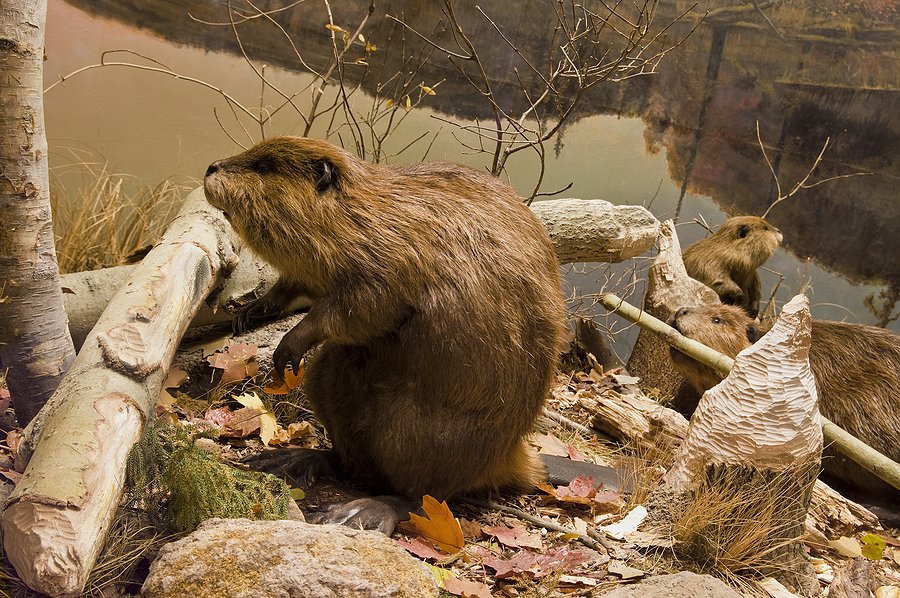
Beavers, known scientifically as Castor canadensis, are not just fascinating semiaquatic creatures with impressive incisors; they are natural engineers whose activities create and maintain habitats for a plethora of other species. However, due to habitat loss and other human activities, beaver populations have dwindled, casting a shadow on their survival and the ecological balance they help sustain. Here are some more general facts about beavers:

▶ They are the second-largest rodents in the world, behind capybaras. They can weigh up to 55 pounds and grow up to 4 feet long.

▶ They are known for their ability to build dams and lodges using branches, mud, and stones. These structures serve as shelter and protection from predators.

▶ They have a set of sharp front teeth that never stop growing, so they constantly need to gnaw on things to keep them trimmed down.

▶ They are herbivores and primarily eat tree bark, leaves, and aquatic plants. They also have a special digestive system that allows them to digest cellulose found in wood.

▶ They are monogamous animals and mate for life. Both parents play an active role in raising their young, called kits or kittens, who stay with their parents for about two years before venturing out on their own.

How Beavers Impact the Environment Around Us

Often referred to as ‘Ecosystem engineers’, beavers play a pivotal role in landscape-scale ecology. Their dam-building activities can reshape rivers, create wetlands, and provide essential resources for an array of species. Their ingenuity in constructing lodges and dams results in water regulation and the creation of complex habitats, rich in biodiversity. What’s more, beavers’ work supports the life cycles of aquatic and terrestrial fauna, serving as a foundation for species diversity.

Carbon Sequestration and Climate Change Mitigation – In the face of climate change, every natural ally counts. Beaver ponds act as carbon sinks, trapping and storing carbon, thus contributing to climate change mitigation efforts.

Water Filtration and Improved Water Quality – The wetlands created by beaver activity naturally filter pollutants from runoff water, leading to overall improved water quality in ecosystems.

Flood Prevention and Erosion Control – Beaver dams are nature’s answer to flood control and erosion prevention. By slowing down the flow of water and allowing it to disperse evenly, these natural barriers protect landscapes from the damaging effects of sudden water influx.

Wildlife Preservation – As a keystone species, the presence or absence of beavers can significantly affect local ecosystems. Their dams create habitats that support fish populations and bird species, emphasizing the interconnection of these ecosystems and the vital role beavers play within them.

Beaver Management for Home and Property Managers

Human-wildlife conflict is not uncommon; however, through effective beaver management strategies, we can mitigate negative interactions while preserving these valuable ecosystems. While beaver activity can be perceived as a nuisance, there can also be many advantages for homeowners and land managers, such as naturally maintained water sources and increased landscape diversity which can be aesthetically and ecologically beneficial.

Conclusion

We stand at a crossroads where the urgency for conservation cannot be overemphasized. Beavers are more than furry creatures of our forests and streams – they are pivotal environmental players whose survival ensures the resilience and richness of our natural world. It is crucial that we take action to ensure the legacy of beaver conservation leads to a sustainable and thriving ecosystem for future generations.

Are you looking for help with managing the local beaver populations around your house or property? Contact Virginia Wildlife Pros at 804-292-0156 for professional beaver removal and control in Richmond, or its surrounding towns. We serve residential and commercial customers with free quotes, free advice, and quality work.

Related Posts:

The Best Practices for Beaver Control: A Comprehensive Guide
Effective Strategies for Beaver Control in Virginia
8 Tips for Successful Beaver Management

Shadow or Not: Celebrating Groundhog Day with Pest-Smart Tips

Each year, on February 2nd, crowds gather, and eyes fixate on the humble groundhog as it emerges from its burrow. Groundhog Day, an event steeped in folklore, captures imaginations with the promise that this small creature can predict the coming of spring. And it’s only 3 days from now! However whimsical this tradition may be, it also shines a light on our ever-present, year-round dwellers: pests.

In this blog post, we’ll delve into the curious customs of Groundhog Day, and just as importantly, provide you with insightful pest-smart tips to ensure that your celebration isn’t marred by the less celebrated critters that might be lurking around your home and garden.

Call 804-292-0156 for Licensed Groundhog Removal Service in Richmond VA

The Origins of Groundhog Day

Groundhog Day is a holiday that originated in Pennsylvania, USA and has been celebrated for over 130 years. It is based on an old European tradition whereby farmers would look to hibernating animals such as bears or badgers to predict the arrival of spring. When German settlers arrived in Pennsylvania, they brought this custom with them but swapped out the bears and badgers for groundhogs, which were plentiful in the area. These critters are also famously known as woodchucks.

In 1887, a newspaper editor named Clymer H. Freas celebrated Groundhog Day for the first time in Punxsutawney, Pennsylvania. The town’s official groundhog is known as Punxsutawney Phil, and each year on February 2nd, he emerges from his burrow to predict whether there will be six more weeks of winter or an early spring. If Phil sees his shadow, it is believed that winter will continue for another six weeks. However, if he does not see his shadow, spring is said to arrive early.

Celebrating with Smart Groundhog Control Tips

While Groundhog Day may be a fun and quirky holiday, it also serves as a reminder that pests are a year-round concern. To ensure your celebration isn’t interrupted by unwanted woodchucks, here are some pest-smart tips to keep in mind:

Keep food tightly sealed: Just like humans, pests love a good feast. Make sure to store all food items in sealed containers to prevent access for rodents and insects.

Fix any water leaks: Pests are attracted to moisture, so be sure to fix any leaky pipes or faucets to eliminate a potential water source for pests.

Trim trees and shrubs: Overgrown tree branches and shrubs can act as bridges for pests to enter your home. Keep them trimmed back to prevent easy access points.

Seal cracks and crevices: Pests can easily enter your home through small cracks and gaps in walls or windows. Seal these areas to prevent them from finding their way inside.

Keep a clean yard: Clear away any debris, such as piles of leaves or wood, which can provide shelter for groundhogs and other critters. Also, regularly mow the lawn to discourage animals from making burrows.

Hire a licensed wildlife removal company: A professional animal removal company can provide expert-level groundhog control services for your property.

By following these pest-smart tips, you can ensure that your Groundhog Day celebration is free from any unexpected pests. And who knows, maybe Punxsutawney Phil will predict an early spring for you too!

In Summary

Groundhog Day may seem like a lighthearted holiday, but it serves as a reminder that pests are always lurking. By understanding the origins of this curious tradition and implementing pest-smart tips, you can ensure that your celebration is not dampened by unwelcome critters. So, let’s celebrate Groundhog Day with enthusiasm and also keep our homes and gardens pest-free all year round!

We hope you have a great Groundhog Day this weekend! If you have more questions about nuisance animal abatement, we are here to help. Contact Virginia Wildlife Pros at 804-292-0156 for professional wildlife removal and control service in Richmond, Virginia for groundhogs, today.

Related Posts:

Demystifying Groundhog Behavior: Understanding Their Unique Traits and Habits
How to Determine If a Groundhog Is Causing Damage on Your Golf Course
Fascinating Facts About Virginia’s Woodchucks

Unmasking the Culprits: Common Diseases Affecting Virginia’s Wildlife

Virginia’s diverse wildlife, from the majestic white-tailed deer to the elusive bobcat, are more than just inhabitants of our natural landscapes, they are integral parts of our state’s ecosystem. However, their survival is increasingly threatened by the spread of diseases like Rabies virus and Leptospirosis.

In this blog post, we will unmask the culprits behind these diseases, delving into their causes, symptoms, modes of transmission, and the impact they have on Virginia’s wildlife. Understanding these diseases is the first step to ensure the health and longevity of our state’s precious wildlife inhabitants.

Call 804-292-0156 for Licensed Animal Removal Service in Richmond Virginia

Common Wildlife Diseases in Virginia

Rabies Virus

Rabies is a highly infectious and deadly disease that affects Virginia’s wildlife, as well as domestic animals and humans. The virus is primarily transmitted through the bite of an infected animal but can also be spread through contact with saliva or nervous tissue of an infected animal. In Virginia, the most common carriers of rabies are raccoons, skunks, bats, and foxes. Many wrongly assume that opossums have Rabies, but they are not common carriers of the virus.

▶ Symptoms

The symptoms of rabies in wildlife can vary, making it difficult to identify. Some signs to look out for include disorientation, aggression, paralysis, and changes in behavior. Animals infected with the virus may also have difficulty walking or flying and may exhibit excessive salivation. These symptoms are caused by the virus attacking the nervous system, eventually leading to death.

▶ Impact on Wildlife

Rabies is a serious threat to Virginia’s wildlife population. It not only causes suffering and death in infected animals but also has a significant impact on the ecosystem. As predators become sick or die from the virus, there is a disruption in the natural balance of prey and predator populations. This can have cascading effects on the entire ecosystem, leading to potential imbalances and even extinction of certain species.

Leptospirosis

Leptospirosis is a bacterial disease that affects both humans and animals. It is caused by the bacteria Leptospira and can be transmitted through contact with contaminated water, soil, or infected animals. In Virginia, raccoons and skunks are the most common carriers of the bacteria.

▶ Symptoms

Symptoms of leptospirosis in wildlife may include fever, muscle pain, vomiting, and diarrhea. Like rabies, these symptoms can be difficult to identify as they vary from species to species. In severe cases, the disease can cause organ failure and death.

▶ Impact on Wildlife

Leptospirosis can have devastating effects on Virginia’s wildlife population. Infected animals may experience reduced fertility, birth defects, and chronic health issues. The bacteria can also contaminate water sources, posing a threat to other wildlife and domestic animals that rely on these resources for survival.

Roundworm and Other Parasites

While rabies and leptospirosis may be the most well-known diseases affecting Indiana’s wildlife, there are also several parasites that can have significant impacts on their health. For example, roundworms can infect raccoons and cause neurological issues, leading to disorientation and death. Additionally, ticks can transmit diseases like Lyme disease to animals, causing serious health problems.

Canine Distemper

Another disease that poses a threat to Virginia’s wildlife is canine distemper. This viral disease primarily affects canines but can also infect other animals, including raccoons, skunks, and foxes. Symptoms can include fever, nasal discharge, and neurological issues. Distemper is highly contagious and can lead to death in infected animals.

Conclusion

As we continue to share our environment with Virginia’s diverse wildlife, it is crucial to understand the threats they face, including diseases like rabies, leptospirosis, and others. By learning about these illnesses, we can take necessary precautions to prevent their spread and protect our state’s wildlife population. Let us all do our part in preserving the beauty and diversity of Virginia’s natural habitats for generations to come. So next time you see a wild animal, remember they are more than just creatures of the wilderness, they are our fellow inhabitants who deserve to live healthy and thriving lives. 

Are you dealing with nuisance wildlife threats around your home or business? Contact Virginia Wildlife Pros at 804-292-0156 for professional animal removal and control in Richmond, or its surrounding towns. We serve residential and commercial customers with free quotes, free advice, and quality work.

Related Posts:

Bracing for Winter: Your Guide to Animal-Proofing in Virginia
Nature in Balance: Ethical Approaches to Wildlife Control
The Importance of Professional Wildlife Removal and Control Service

Bracing for Winter: Your Guide to Animal-Proofing in Virginia

As temperatures begin to drop in Virginia, many of our wildlife friends start their search for warmth, often leading them directly into our homes. While these uninvited guests may seem harmless, they can cause considerable damage and pose potential health risks.

This blog post aims to arm you with knowledge and practical steps for effective animal-proofing this winter. We’ll delve into key strategies for wildlife control and help you winterize your home against these furry intruders. So, let’s brace for winter and ensure our homes remain a safe sanctuary for our families, not for wildlife.

Call 804-292-0156 for Safe Animal Proofing Service in Richmond VA

Understanding Animal Proofing

Animal proofing is the process of securing your home against unwanted animal entry, particularly during winter. It involves identifying potential entry points and taking preventative measures to keep wildlife out. Effective animal-proofing also includes deterring animals from seeking shelter in or around your property.

Why is it Important to Animal-Proof?

As temperatures drop, wild animals seek warmth and shelter, often finding their way into our homes. This can result in damage to property, such as chewed wires and insulation, causing potential fire hazards. It also poses a health risk as wild animals can carry diseases and parasites that can be transmitted to humans and pets. Additionally, if an animal gets trapped inside your home, it may cause further damage or struggle to escape, resulting in injury or death. Therefore, animal-proofing is crucial for the safety and well-being of both your home and family.

Wildlife Control Strategies

Seal Entry Points: Conduct a thorough inspection of your home’s exterior and seal any gaps or cracks that could serve as entry points for animals, such as around windows, doors, vents, and utility lines. Use sturdy materials like steel mesh to cover larger openings.

Secure Garbage Bins: Wild animals are attracted to food sources, so ensuring your garbage bins have tight-fitting lids will help prevent them from making a mess and being drawn to your property.

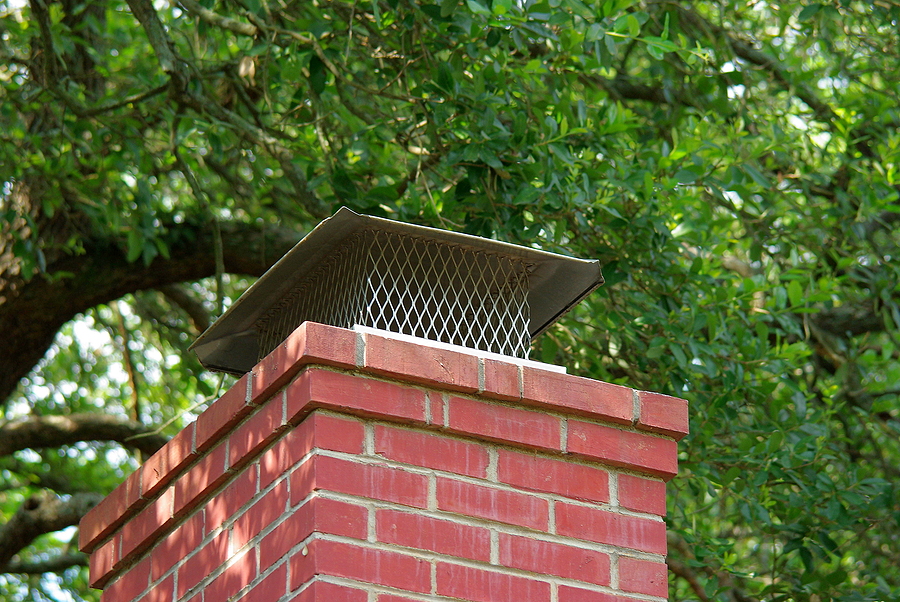
Install Chimney Caps and Screens: Chimneys provide easy access for animals looking for warmth, nesting spots, or food. Install a chimney cap and screen to keep animals out without obstructing airflow.

Trim Trees and Shrubs: Overhanging tree branches or dense shrubbery can provide an easy route for wildlife to enter your home. Keep them trimmed to discourage animal activity near your house.

Use Animal-Repellent Techniques: There are various natural remedies and deterrents that can discourage animals from entering your property. These include sprinkling cayenne pepper around entry points, using ammonia-soaked rags, or playing loud music in areas prone to animal activity.

Winterizing Your Home Against Wildlife

In addition to the strategies mentioned above, there are specific steps you can take to winterize your home and make it less appealing to animals:

▶ Store firewood away from your home’s exterior to avoid attracting rodents.

▶ Keep bird feeders at least 12 feet away from your house and regularly clean up any spilled seeds or nuts.

▶ Install weather stripping around windows and doors to prevent drafts that could attract animals seeking warmth.

▶ Inspect and seal any gaps in your attic, crawlspace, or basement to prevent wildlife from nesting or taking shelter.

▶ Keep your property clean and free of debris, as clutter can provide hiding spots for animals.

What to Do If You Encounter a Wild Animal

Despite our best efforts, sometimes wild animals may still find their way onto our properties or even into our homes. In such cases, it’s essential to remember that these animals are not malicious and are often just looking for warmth and shelter. Here’s what you can do if you encounter a wild animal:

Stay Calm: Avoid panicking or making sudden movements that may startle the animal.

Give Them Space: Keep a safe distance from the animal and try to give them an escape route.

Contact Professionals: If you feel uncomfortable or unsure, contact an animal removal company to handle the situation safely.

Conclusion

Animal-proofing your home is crucial for protecting both your property and family from potential damage and health risks. By following the strategies and tips outlined in this guide, you can effectively bracing for winter and make your home less appealing to wild animals. Remember, it’s our responsibility to coexist with wildlife peacefully, and by taking preventative measures, we can do just that.

If you’re looking for a safe, effective, and humane solution to your winter wildlife control needs, get in touch with us today! Our team of experts at Virginia Wildlife Pros can help you find the best wildlife removal and control solution that fits both your budget and your ethical standards. Together we can maintain Nature in Balance. Contact us at 804-292-0156 for a free quote.

Related Posts:

Wildlife Control Tips for the Winter Season
What To Do When You Find a Dead Animal in Your Home
Preventing Animal Infestations: What You Need to Know

The Secret Life of Opossums: A Closer Look at Their Daily Routines

Opossums, often misunderstood and unfairly vilified, lead fascinating lives that are largely hidden from human view. As nocturnal animals, they navigate through their nightly routines with an intriguing mix of adaptability and resilience. But what exactly does an average day (or night) in the life of an opossum look like?

From its foraging habits to its unique method of opossum control and survival, we’re about to take a closer look at the daily routines of these often overlooked creatures. Get ready to step into the secret life of opossums, and you might just find yourself gaining a new respect for these adept survivors.

Call 804-292-0156 for Safe and Humane Opossum Removal Service in Richmond Virginia

A Nightly Foraging Adventure

As the sun sets and most of the world goes to sleep, opossums come alive. These creatures are strictly nocturnal, which means that they spend their days sleeping and their nights actively foraging for food. With a diet that consists of everything from insects and small animals to fruits and vegetables, opossums have developed a versatile and opportunistic approach to finding their next meal. Using their keen sense of smell, they can locate food even in the dark, which is aided by their long snouts and whiskers that help them navigate through their surroundings.

Multi-Tasking Masters

While foraging may be the main priority for opossums at night, it’s not the only task on their to-do list. Opossums are skilled multi-taskers, and they use their nightly hours to fulfill a variety of other essential activities as well. From grooming and socializing with other opossums to marking their territory and building nests for shelter, these creatures have a busy schedule to keep up with every night.

Playing Dead

One of the most fascinating and well-known abilities of opossums is their unique survival technique – playing dead. When threatened, opossums have the ability to go into a state of shock that makes them appear dead to predators. This helps them avoid danger, as many predators prefer fresh prey over carrion. While in this state, opossums also release a foul-smelling odor that further deters predators from attacking them.

Opossum Babies

As with many animals in the wild, opossums face significant challenges during their first months of life. Babies, known as joeys, are born after only a 13-day gestation period and are extremely tiny, about the size of a honey bee. They then spend the next two to three months inside their mother’s pouch, surviving solely on her milk. That’s right, opossums are marsupials just like kangaroos. After leaving the pouch, they continue to nurse for a few more weeks before venturing out on their own. As a result of this precarious start to life, opossum mothers are extremely protective and nurturing towards their young.

Humane Solutions for Nuisance Opossums

While opossums may seem harmless and intriguing from a distance, they can quickly become a nuisance when they decide to take up residence in or around our homes. In addition to the mess and damage they can cause, their tendency to scavenge through trash and gardens can be a health hazard for humans. If you find yourself with unwelcome opossum neighbors, it’s important to seek out professional wildlife removal and control solutions for opossums. This may include using motion-activated sprinklers or sound devices to deter them from your property, as well as setting up exclusion channels and sealing up any potential entry points to prevent them from getting in.

In Summary

From their nightly foraging adventures to their unique survival techniques and important role in the ecosystem, opossums lead intriguing lives that are worth learning more about. By gaining a better understanding of these often misunderstood creatures, we can develop a newfound appreciation for their adaptability and resilience.

So, next time you spot an opossum in your backyard or on your street, take a moment to appreciate the secret life of these fascinating creatures.  So, it’s our responsibility to live in harmony with them and respect their right to survive alongside us. Together, we can share this planet with all its inhabitants and continue to learn from one another. 

Would you like expert assistance with nuisance possum troubles? Contact Virginia Wildlife Pros at 804-292-0156 for professional opossum removal and control in Richmond and beyond. Our licensed and insured animal trappers work with all native Virginia wildlife, using only safe and humane methods to extract and abate nuisance animals. Request a free quote, today.

Related Posts:

Opossum Control Tips for Homeowners
Dealing with Nuisance Opossums in Your Yard: What You Need to Know
Nature in Balance: Ethical Approaches to Wildlife Control

The Best Practices for Beaver Control: A Comprehensive Guide

Beavers, admired for their industrious nature and architectural prowess, are often a sight to behold in their natural habitat. However, when they encroach on human territory, their dam-building activities can lead to serious problems, such as flooding and property damage. This necessitates effective beaver control strategies.

In this comprehensive guide, we’ll explore the best practices for beaver control and removal, shedding light on the most humane and effective ways to deal with beaver dams. This guide aims to equip you with the knowledge you need to coexist peacefully with these fascinating creatures while protecting your property and local ecosystems.

Call 804-292-0156 for Beaver Removal Service in Richmond VA

Understanding Beaver Behavior

Before we delve into the best practices for beaver control, it’s important to understand their behavior and habits. Beavers are herbivorous semi-aquatic mammals that build dams and lodges using mud, sticks, and branches. These structures serve as their homes and protection from predators. Beavers are known for their dam-building activities, which can have significant impacts on the surrounding environment. Their dams can cause flooding, alter water flow, and damage trees. Beavers are also capable of felling large trees with their powerful teeth, which poses a threat to nearby properties. Understanding these behaviors is crucial in developing effective control strategies.

Humane Beaver Removal

When dealing with beaver control, it’s important to prioritize humane methods. Beavers play a vital role in maintaining healthy ecosystems, and their removal should only be considered as a last resort. If you’re facing issues with beaver dams on your property, it’s best to contact a licensed wildlife control professional who is trained in humane trapping and relocation techniques. They can assess the situation and determine the most appropriate course of action. In some cases, using exclusion devices or deterrents can also be effective in deterring beavers from building dams.

Techniques for Beaver Control

If you’re determined to handle the beaver control yourself, there are a few techniques that can be used. It’s important to note that these methods should only be used after consulting with local authorities and obtaining necessary permits. One method is the installation of a flow device, which allows water to bypass the beaver dam while still maintaining the beavers’ pond habitat. This can help prevent flooding and minimize damage while allowing the beavers to remain in their environment. Another technique is the use of deterrents such as sound or light devices, which can discourage beavers from building dams in certain areas. These methods should always be used in combination with humane trapping and relocation techniques.

Maintaining Beaver Habitat

In addition to controlling beavers, it’s important to also maintain their habitat. Beavers rely on habitats with ample food sources and water supply to survive. By maintaining a healthy ecosystem, you can limit the potential for beavers to cause problems on your property. This includes planting trees that are not preferred by beavers, maintaining proper water flow in streams and rivers, and regularly removing debris from waterways. By promoting a balanced ecosystem, you can coexist with beavers without the need for aggressive control measures.

Conclusion

Beaver control is a complex issue that requires careful consideration and expertise. By understanding their behavior, using humane removal techniques, implementing effective control methods, and maintaining their habitat, we can effectively manage beaver populations while minimizing the impact on our surroundings. Remember to always consult with local authorities and seek professional help when dealing with beaver control. With these best practices in mind, we can coexist peacefully with these fascinating creatures and protect both our properties and natural ecosystems. 

Would you like some professional assistance with getting rid of beavers on your property? Contact Virginia Wildlife Pros at 804-292-0156 for licensed and insured beaver removal and control in Richmond, Virginia, and surrounding counties. We serve residential and commercial customers with comprehensive mice and rat removal solutions at affordable prices. Request a free quote, today!

Related Posts:

Effective Strategies for Beaver Control in Virginia
8 Tips for Successful Beaver Management
Preventing Animal Infestations: What You Need to Know

Feathered Foes: Practical Solutions for Nuisance Pigeons

Pigeons, often viewed as the quintessential city bird, can often become more than just a simple inconvenience. Their incessant cooing, droppings, and nesting habits can cause real trouble for homes and businesses alike.

If you’re reading this blog, you’re probably seeking effective solutions for pigeon control. From pigeon repellents to deterrents, we’ll explore an arsenal of practical methods to keep these feathered foes at bay. So, whether you’re a homeowner, a property manager, or a city dweller tired of the nuisance, stay tuned as we navigate together through different options to tackle this common urban issue.

Call 804-292-0156 for Pigeon Control in Richmond Virginia

Understanding the Problem

Pigeons are not just a nuisance, but they can also pose health risks and property damage. Their droppings contain harmful bacteria and fungi that can cause respiratory issues in humans, especially those with compromised immune systems. Plus, their nesting habits can clog gutters and drains, leading to water damage and costly repairs. Pigeons are also known to carry mites and other pests into buildings, creating potential infestation problems. Therefore, it’s crucial to take action if you notice a growing pigeon population in your vicinity.

Pigeon Control Methods

Pigeon Repellents:

These are products designed to deter pigeons from entering an area by using unpleasant scents or tastes that birds don’t like. Some of the most commonly used pigeon repellents include:

▶ Ultrasonic devices that emit high-frequency sounds that are bothersome to birds, but not audible to humans.

▶ Visual deterrents such as reflective strips or balloons with predator eyes painted on them can scare pigeons away.

▶ Pigeon spikes and netting: Installing these physical barriers can make it difficult for pigeons to land or nest on ledges, roofs, and other surfaces.

Pigeon Deterrents:

Unlike repellents that aim to make an area undesirable for pigeons, pigeon decoys and deterrents actively discourage them from entering the space. These methods usually involve using a natural predator to scare off the birds, such as:

▶ Installing owl or hawk decoys on buildings or rooftops.
▶ Using trained birds of prey to patrol the area and deter pigeons from nesting.

Pigeon Prevention is Key

While pigeon control methods can effectively manage existing pigeon populations, it’s crucial to take preventative measures to discourage future infestations. Some practical tips for preventing pigeon problems include:

▶ Regularly cleaning up any food sources around your property that may attract pigeons.

▶ Ensuring that all trash cans and dumpsters are tightly sealed to prevent access for scavenging birds.

▶ Sealing off any potential nesting spots, like gaps in roofs or walls, to discourage pigeons from building their nests.

▶ Hiring a professional wildlife removal company for expert bird abatement services.

Other Types of Nuisance Birds in the Midwest

While pigeons are a common problem in cities, they are not the only nuisance birds you may encounter. Here are some other types of birds that can cause similar issues and the control methods to consider:

Starlings: Commonly found in suburban areas, starlings can be controlled using similar methods as pigeons.

Sparrows: These small birds often nest in building eaves and can be deterred using netting or visual deterrents.

Canada Geese: These large birds are known for their aggressive behavior and droppings. The most effective way to control them is by physically removing their eggs or installing barriers to prevent them from nesting on your property.

Conclusion

In conclusion, pigeon control can be achieved through a variety of methods, including repellents and deterrents. However, it’s essential to take preventative measures to discourage future pigeon problems. By understanding the issue and implementing practical solutions, we can all coexist peacefully with these feathered foes in our urban environments. So, don’t let pigeons become a nuisance any longer – take action and implement these practical solutions today! 

Would you like professional assistance with nuisance pigeon problems? Contact Virginia Wildlife Pros at 804-292-0156 for professional bird removal and control in Richmond, or its surrounding towns. We serve residential and commercial customers with free quotes, free advice, and quality work.

Related Posts:

8 Effective Strategies for Nuisance Bird Control
What To Do When You Find a Dead Animal in Your Home
Preventing Animal Infestations: What You Need to Know

Nature in Balance: Ethical Approaches to Wildlife Control

As we increasingly encroach upon natural habitats, human-wildlife conflicts have become a routine affair. Wildlife control is an inevitable part of our coexistence with animals, but its execution often falls short of ethical standards.

In this blog post, we explore responsible and humane methods for wildlife control, with a focus on wild animal removal and the use of animal repellents. We aim to shed light on practices that maintain a balance in nature, ensuring the safety of both humans and the animals we share our planet with. Join us as we delve into the intersection of ethics, wildlife preservation, and human safety.

Call 804-292-0156 for Licensed Wildlife Control in Richmond Virginia

How Does Wildlife Control Work?

Wildlife control is a blanket term that encompasses efforts to keep wildlife away from human habitats. Depending on the species in question, these measures usually involve either repelling or removing animals. Animal repellents are substances designed to encourage an animal to leave its current location and move elsewhere. Examples of common animal repellents include bird scarers, ultrasonic devices, chemical sprays, and physical barriers.

In some cases, wildlife control can involve the removal of animals from an area where they’re not welcome. This is typically done by a professional wild animal removal service that specializes in trapping and relocating animals to their natural habitat or a protected reserve. However, animal relocation should always be seen as a last-resort option, as it can cause unnecessary stress to the animal in question.

Common Types of Nuisance Wildlife in Virginia

Virginia is home to a wide variety of animals, many of which can become nuisances if they start living too close to human habitation. Some common examples of nuisance wildlife in Virginia include raccoons, skunks, moles, squirrels, foxes, bats, opossums, mice, and rats. When faced with any of these species near your home or business, it’s important to take proper action.

Why is Ethical Wildlife Control Important?

Critter control should never be taken lightly, as its success or failure will affect both humans and animals. Many of the methods used for wildlife abatement—such as chemical sprays and traps—can potentially result in injury or death to the animal in question. Furthermore, when done improperly, wildlife control can actually increase the chances of human-animal conflicts by driving animals away from their natural habitats and into populated areas.

In order to ensure both the safety of humans and animals, animal removal and control must be approached with a comprehensive ethical framework in mind. This means considering methods that prioritize humane solutions which minimize or eliminate harm to animals.

What Are Some Humane Methods of Wildlife Control?

Fortunately, there are a variety of humane methods available for wildlife management and control that can be used to keep both humans and animals safe. For example, physical barriers (such as fences) can be installed around areas where wild animals may attempt to enter human habitats. This method keeps both people and animals out of harms’ way, while still allowing the animal to remain in its natural environment.

In addition to physical barriers, certain animal deterrents can also be used as a humane means of wildlife control. For example, ultrasonic devices emit sound waves at frequencies that are only audible to animals and can be used to scare off certain species without causing any lasting harm. Similarly, certain bird control methods such as falconry and laser bird scares can be used to keep birds away without causing them any distress.

In Conclusion

Ultimately, when it comes to wildlife control, the most important factor is to ensure that the solution chosen is both effective and humane. By following an ethical framework in our approach to wildlife control, we can ensure a balance between human safety and animal rights.

If you’re looking for a safe, effective, and humane solution to your wildlife control needs, get in touch with us today! Our team of experts at Virginia Wildlife Pros can help you find the best wildlife removal and control solution that fits both your budget and your ethical standards. Together we can maintain Nature in Balance. Contact us at 804-292-0156 for a free quote.

Related Posts:

The Importance of Professional Wildlife Removal and Control Service
Preventing Animal Infestations: What You Need to Know
What To Do When You Find a Dead Animal in Your Home

Effective Strategies for Beaver Control in Virginia

In the lush landscapes of Virginia, beavers, with their exceptional dam-building abilities, play an essential role in maintaining local ecosystems. However, their activities can sometimes result in conflicts with human interests, leading to the necessity for effective beaver control strategies.

This blog post will explore various methods, including the use of beaver repellents and other humane alternatives, to manage beaver populations and mitigate their impact on human habitats and infrastructure. So, whether you’re a homeowner, farmer, or simply a nature enthusiast, this guide will provide you with practical and ethically responsible solutions to manage our industrious friends, the beavers.

Call 804-292-0156 for Beaver Control in Richmond Virginia

Understanding Beavers and Their Behavior

Beavers are large, semi-aquatic mammals that live in wooded areas throughout Virginia. They play a critical role in maintaining local ecosystems by constructing dams on rivers and streams. These dams create wetlands that can provide homes for other wildlife, such as birds and amphibians, promote water quality, and support healthy fish populations.

Beavers are also able to damage trees or other plants with their sharp incisors. They will often gnaw on trees and shrubs around homes, farms, parks, and other areas for food and material for the construction of dams. It is important to understand beaver behavior in order to effectively manage them without causing harm. Knowing their feeding and breeding habits, when they are active, and the signs of their presence will help you choose the most appropriate management strategy.

Humane Beaver Control Strategies

Lethal beaver control measures should only be used as a last resort if other humane alternatives have failed to provide relief from property damage. Lethal methods can cause undesirable ecological consequences and should only be used if absolutely necessary. They must only be carried out by a licensed game warden or wildlife rehab official in Virginia. Fortunately, there are several humane alternatives available that can be used to manage beaver populations and mitigate their impact on human habitats and infrastructure:

Beaver Repellents: A number of commercially available products containing predator urine or food attractants can be used to repel beavers from areas where they are causing damage. Animal repellents should be regularly reapplied depending on the manufacturer’s instructions.

Beaver Fencing: Installing fencing around vulnerable plants can protect them from beavers’ gnawing and stripping activities. While this is a more expensive option, it may be necessary in order to prevent extreme damage.

Flushing Devices: If the water level of an affected area needs to be lowered, a flushing device or pipe could be installed on the upstream side of the dam. This can create an outlet for the water and reduce the water level without completely removing the dam.

Beaver Deceivers: A beaver deceiver is a type of structure placed downstream from a dam that will divert beavers away from areas where they are causing damage. These structures are designed to allow water to flow through them, which will reduce the pressure on the dam and redirect beavers away from the affected area.

Conclusion

Beavers play an important role in maintaining healthy local ecosystems throughout Virginia and should not be removed unless absolutely necessary. Instead, by understanding their behavior and using humane alternatives such as repellents, fencing, flushing devices, and beaver deceivers, it is possible to effectively manage beaver populations and protect human interests without causing harm.

By following the strategies outlined in this article, you can protect your property or habitat with ethically responsible solutions while protecting these industrious creatures. Thank you for taking the time to read this guide on effective strategies for beaver control in Virginia. If you have any further questions or would like additional information, please contact your local Richmond wildlife removal and control professional and they will be happy to help.

Would you like expert assistance with nuisance beaver troubles? Contact Virginia Wildlife Pros at 804-292-0156 for professional beaver removal and control in Richmond and beyond. Our licensed and insured animal trappers work with all native Virginia wildlife, using only safe and humane methods to extract and abate nuisance animals. Request a free quote, today.

Related Posts:

8 Tips for Successful Beaver Management
The Importance of Professional Wildlife Removal and Control Service
Preventing Animal Infestations: What You Need to Know

Feathered Foes: The Nuisance Bird Removal Methods You Need

Despite their beauty and the joy their songs can bring, birds can sometimes become a nuisance. Whether they’re damaging property with their nests, posing a health risk through their droppings, or causing sleepless nights with their incessant noise, nuisance birds can significantly disrupt our lives.

This blog post delves into effective strategies for bird control and bird removal that are both humane and efficient, ensuring that you can reclaim your space while causing minimal harm to our feathered friends. Read on to arm yourself with knowledge and take the first step towards a bird-free environment.

Call 804-292-0156 for Safe and Humane Nuisance Bird Removal in Richmond Virginia

Top Bird Nuisance Control Strategies

The first step in dealing with nuisance birds is to understand their behavior and take the necessary steps to control it. This could be as simple as making your property less inviting for them, such as by removing potential nesting materials like old clothes or cardboard boxes from your yard. You can also try spraying areas around your home with a bird repellent to make sure they stay away from your property.

For larger problems, like a flock of birds living in an old tree or on your roof, you may need to employ more aggressive strategies. Consider setting up nets around the area where the birds are nesting and use loud noises or other deterrents to encourage them to move elsewhere. If that doesn’t work, trap and relocate the birds to a new environment.

You can also try “bird scarers” to literally scare birds off. One strategy is to deploy a scarecrow. These spooky effigies look just enough like a person to give passing birds pause. Another safe and non-lethal approach is to deploy audio recordings of specific predatory sounds, like those of falcons or hawks calling out. Talon and owl replicas also prove effective for making birds think twice before roosting in unwelcome areas. The list goes on: Mylar tapes, bright reflective designs reminiscent of peregrine tails, orange plastic balls; the options available for DIY bird control are as varied as they are creative.

Professional Bird Removal Services

If bird control strategies fail, you may need to hire a professional wildlife control company for bird removal services. Such businesses specialize in safely removing nuisance birds from your property without harming them in any way. These experts will inspect the area where the birds are nesting and devise a plan for humanely trapping and relocating them, often using humane bird traps or other specialized equipment. They will also seal off your residence to ensure no future infestations, plus set up bird control strategies to keep them at bay. The cost of hiring a bird removal service in Richmond will vary depending on your location, the severity of the problem, and the services you choose – so be sure to get quotes from multiple services before deciding which one to use.

Wrapping Up

By following these tips and strategies for bird control and bird removal, you can reclaim your space without causing any harm to our feathered friends. Keep in mind that birds can be a valuable asset to our environment, so it is important to take the necessary steps to ensure their safety. With patience and an understanding of bird behavior, you can make your property less attractive to nuisance birds while also providing them with a safe and welcoming home elsewhere. If you have any questions or need help dealing with nuisance birds, don’t hesitate to reach out to a bird removal service in Virginia. With their help and expertise, you can take the first step towards a bird-free environment and reclaim your peace of mind.

Would you like professional assistance with nuisance bird problems? Contact Virginia Wildlife Pros at 804-292-0156 for professional bird removal and control in Richmond, or its surrounding towns. We serve residential and commercial customers with free quotes, free advice, and quality work.

Related Posts:

8 Effective Strategies for Nuisance Bird Control
What To Do When You Find a Dead Animal in Your Home
Preventing Animal Infestations: What You Need to Know