Nature in Balance: Ethical Approaches to Wildlife Control

As we increasingly encroach upon natural habitats, human-wildlife conflicts have become a routine affair. Wildlife control is an inevitable part of our coexistence with animals, but its execution often falls short of ethical standards.

In this blog post, we explore responsible and humane methods for wildlife control, with a focus on wild animal removal and the use of animal repellents. We aim to shed light on practices that maintain a balance in nature, ensuring the safety of both humans and the animals we share our planet with. Join us as we delve into the intersection of ethics, wildlife preservation, and human safety.

Call 804-292-0156 for Licensed Wildlife Control in Richmond Virginia

How Does Wildlife Control Work?

Wildlife control is a blanket term that encompasses efforts to keep wildlife away from human habitats. Depending on the species in question, these measures usually involve either repelling or removing animals. Animal repellents are substances designed to encourage an animal to leave its current location and move elsewhere. Examples of common animal repellents include bird scarers, ultrasonic devices, chemical sprays, and physical barriers.

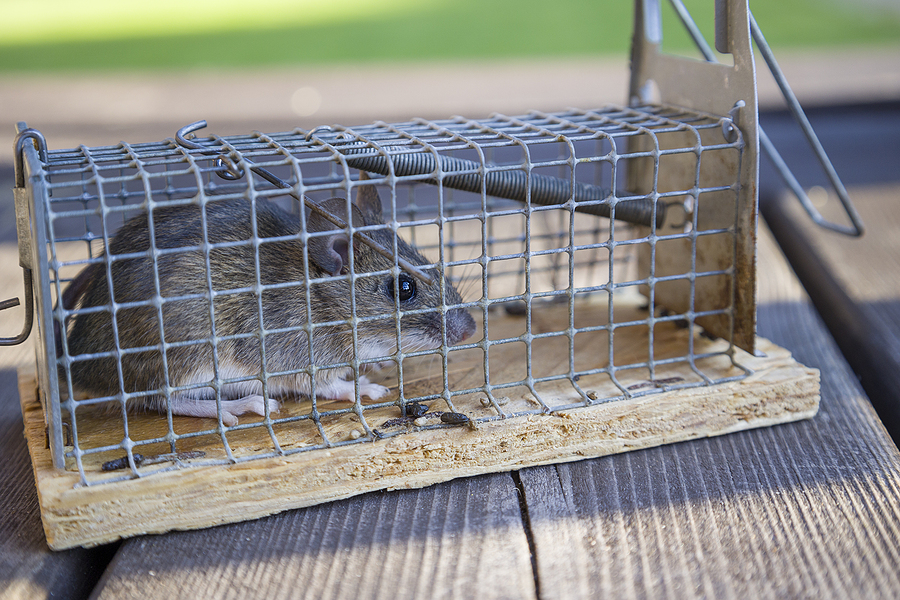
In some cases, wildlife control can involve the removal of animals from an area where they’re not welcome. This is typically done by a professional wild animal removal service that specializes in trapping and relocating animals to their natural habitat or a protected reserve. However, animal relocation should always be seen as a last-resort option, as it can cause unnecessary stress to the animal in question.

Common Types of Nuisance Wildlife in Virginia

Virginia is home to a wide variety of animals, many of which can become nuisances if they start living too close to human habitation. Some common examples of nuisance wildlife in Virginia include raccoons, skunks, moles, squirrels, foxes, bats, opossums, mice, and rats. When faced with any of these species near your home or business, it’s important to take proper action.

Why is Ethical Wildlife Control Important?

Critter control should never be taken lightly, as its success or failure will affect both humans and animals. Many of the methods used for wildlife abatement—such as chemical sprays and traps—can potentially result in injury or death to the animal in question. Furthermore, when done improperly, wildlife control can actually increase the chances of human-animal conflicts by driving animals away from their natural habitats and into populated areas.

In order to ensure both the safety of humans and animals, animal removal and control must be approached with a comprehensive ethical framework in mind. This means considering methods that prioritize humane solutions which minimize or eliminate harm to animals.

What Are Some Humane Methods of Wildlife Control?

Fortunately, there are a variety of humane methods available for wildlife management and control that can be used to keep both humans and animals safe. For example, physical barriers (such as fences) can be installed around areas where wild animals may attempt to enter human habitats. This method keeps both people and animals out of harms’ way, while still allowing the animal to remain in its natural environment.

In addition to physical barriers, certain animal deterrents can also be used as a humane means of wildlife control. For example, ultrasonic devices emit sound waves at frequencies that are only audible to animals and can be used to scare off certain species without causing any lasting harm. Similarly, certain bird control methods such as falconry and laser bird scares can be used to keep birds away without causing them any distress.

In Conclusion

Ultimately, when it comes to wildlife control, the most important factor is to ensure that the solution chosen is both effective and humane. By following an ethical framework in our approach to wildlife control, we can ensure a balance between human safety and animal rights.

If you’re looking for a safe, effective, and humane solution to your wildlife control needs, get in touch with us today! Our team of experts at Virginia Wildlife Pros can help you find the best wildlife removal and control solution that fits both your budget and your ethical standards. Together we can maintain Nature in Balance. Contact us at 804-292-0156 for a free quote.

Related Posts:

The Importance of Professional Wildlife Removal and Control Service
Preventing Animal Infestations: What You Need to Know
What To Do When You Find a Dead Animal in Your Home

Effective Strategies for Beaver Control in Virginia

In the lush landscapes of Virginia, beavers, with their exceptional dam-building abilities, play an essential role in maintaining local ecosystems. However, their activities can sometimes result in conflicts with human interests, leading to the necessity for effective beaver control strategies.

This blog post will explore various methods, including the use of beaver repellents and other humane alternatives, to manage beaver populations and mitigate their impact on human habitats and infrastructure. So, whether you’re a homeowner, farmer, or simply a nature enthusiast, this guide will provide you with practical and ethically responsible solutions to manage our industrious friends, the beavers.

Call 804-292-0156 for Beaver Control in Richmond Virginia

Understanding Beavers and Their Behavior

Beavers are large, semi-aquatic mammals that live in wooded areas throughout Virginia. They play a critical role in maintaining local ecosystems by constructing dams on rivers and streams. These dams create wetlands that can provide homes for other wildlife, such as birds and amphibians, promote water quality, and support healthy fish populations.

Beavers are also able to damage trees or other plants with their sharp incisors. They will often gnaw on trees and shrubs around homes, farms, parks, and other areas for food and material for the construction of dams. It is important to understand beaver behavior in order to effectively manage them without causing harm. Knowing their feeding and breeding habits, when they are active, and the signs of their presence will help you choose the most appropriate management strategy.

Humane Beaver Control Strategies

Lethal beaver control measures should only be used as a last resort if other humane alternatives have failed to provide relief from property damage. Lethal methods can cause undesirable ecological consequences and should only be used if absolutely necessary. They must only be carried out by a licensed game warden or wildlife rehab official in Virginia. Fortunately, there are several humane alternatives available that can be used to manage beaver populations and mitigate their impact on human habitats and infrastructure:

Beaver Repellents: A number of commercially available products containing predator urine or food attractants can be used to repel beavers from areas where they are causing damage. Animal repellents should be regularly reapplied depending on the manufacturer’s instructions.

Beaver Fencing: Installing fencing around vulnerable plants can protect them from beavers’ gnawing and stripping activities. While this is a more expensive option, it may be necessary in order to prevent extreme damage.

Flushing Devices: If the water level of an affected area needs to be lowered, a flushing device or pipe could be installed on the upstream side of the dam. This can create an outlet for the water and reduce the water level without completely removing the dam.

Beaver Deceivers: A beaver deceiver is a type of structure placed downstream from a dam that will divert beavers away from areas where they are causing damage. These structures are designed to allow water to flow through them, which will reduce the pressure on the dam and redirect beavers away from the affected area.

Conclusion

Beavers play an important role in maintaining healthy local ecosystems throughout Virginia and should not be removed unless absolutely necessary. Instead, by understanding their behavior and using humane alternatives such as repellents, fencing, flushing devices, and beaver deceivers, it is possible to effectively manage beaver populations and protect human interests without causing harm.

By following the strategies outlined in this article, you can protect your property or habitat with ethically responsible solutions while protecting these industrious creatures. Thank you for taking the time to read this guide on effective strategies for beaver control in Virginia. If you have any further questions or would like additional information, please contact your local Richmond wildlife removal and control professional and they will be happy to help.

Would you like expert assistance with nuisance beaver troubles? Contact Virginia Wildlife Pros at 804-292-0156 for professional beaver removal and control in Richmond and beyond. Our licensed and insured animal trappers work with all native Virginia wildlife, using only safe and humane methods to extract and abate nuisance animals. Request a free quote, today.

Related Posts:

8 Tips for Successful Beaver Management
The Importance of Professional Wildlife Removal and Control Service
Preventing Animal Infestations: What You Need to Know

Slithering Intruders: A Comprehensive Guide to Snake Control in Virginia

Virginia, renowned for its rich biodiversity, is home to 32 species of snakes, out of which three are venomous. These slithering creatures often evoke a sense of fear and intrigue among residents. While they play a crucial role in maintaining the ecological balance, their unexpected presence in our homes or gardens can be unsettling.

This comprehensive guide aims to provide you with essential knowledge and practical tips for effective snake control in Virginia. We’ll delve into understanding the different snake species, especially the venomous ones, and explore professional snake removal practices. Equipped with this knowledge, you’ll be better prepared to handle these slithering intruders.

Snake Removal Richmond Virginia
Cottonmouth Snake (Agkistrodon piscivorus)

Identifying the Different Snake Species in Virginia

Snakes are members of the reptile family, and those that exist in Virginia can typically be divided into two categories: non-venomous snakes and venomous snakes. While there are many different species of non-venomous snakes found across the state, only three types of venomous snakes live here: copperheads, timber rattlesnakes, and cottonmouths. It is important to be able to identify them so as to avoid any unpleasant incidents.

Copperhead snakes – Copperhead snakes are the most common venomous snake in Virginia, with adults ranging from 22-36 inches in length and possessing a variety of markings such as reddish-brown crossbands on their heads or bodies.

Timber rattlesnakes – Timber rattlesnakes, also referred to as canebrake rattlers, have grayish-brown backs and yellowish bellies with black checkered patterns. They can reach up to 54 inches in length and are usually found near rocky bluffs or open wooded areas.

Cottonmouths – Cottonmouths look similar to copperheads but often have more vibrant colors and darker bands. These snakes are excellent swimmers and can be found in or around bodies of water such as streams, rivers, or ponds.

Professional Snake Removal Services in Richmond

In most cases, the best way to deal with an unwelcome snake visitor is to call for professional help. Experienced Richmond VA snake control experts will assess the situation and safely remove the snake from your property. They will also take necessary steps to ensure that such incidents do not recur in the future, by installing barriers to prevent snakes from entering your home or garden.

It is important to note that you should never attempt to capture or kill a snake on your own as they can cause serious injuries if provoked. In addition, most species of snakes are protected by Virginia state laws, and harming them can result in hefty fines or criminal charges.

Keeping Snakes Away from Your Property

In addition to professional snake removal services in Richmond, Virginia, there are a few things that you can do on your own to discourage snakes from entering your property. Start by cleaning up any cluttered areas around the house or garden such as wheelbarrows, wood piles or debris. Snakes often seek out these areas as they provide them shelter and prey.

You could also consider installing snake-proof fencing around your property to keep snakes from entering. Furthermore, ensure that any openings such as vents or drainage pipes are properly sealed off to prevent snakes from sneaking in. Lastly, keep excess vegetation away from the house and trim your grass regularly as snakes are often attracted by thick foliage.

In Summary

By taking these precautions, you will be able to enjoy a safe and snake-free environment. However, if you do encounter a snake in or around your property, it is best to leave it alone and call for professional help. We hope this comprehensive guide provides you with a better understanding of snake control in Virginia and the necessary steps to keep them away from your property. Always practice caution when handling snakes, and if you have any questions or concerns, don’t hesitate to reach out to a professional snake trapper in Richmond, Virginia.

Are you dealing with reoccurring snake infestations on your property? Contact Virginia Wildlife Pros at 804-292-0156 for licensed and insured snake removal and control in Richmond, Virginia and surrounding areas. We serve residential and commercial customers with comprehensive mice and rat removal solutions at affordable prices. Request a free quote, today!

Related Posts:

An Overview of Snake Species in Virginia
The Importance of Professional Wildlife Removal and Control Service
What To Do When You Find a Dead Animal in Your Home

Fascinating Facts About Virginia’s Woodchucks

Welcome to our exploration of the fascinating world of Virginia’s woodchucks! Also known as groundhogs, these creatures are a common sight in the Virginian landscape. They’re intriguing, not only for their unique behaviors and lifestyle but also for the impact they have on their environment. While they are enchanting to watch, their burrowing habits can lead to woodchuck damage, a concern for many homeowners and gardeners. Yet, there’s more to these creatures than meets the eye.

Let’s delve into the captivating details about Virginia’s woodchucks and discover what makes them an integral part of the state’s ecosystem.

Call 804-292-0156 for Safe and Humane Woodchuck Removal and Control in Richmond Virginia

How Do Woodchucks Live?

The woodchuck is a rodent, closely related to species such as rabbits and marmots. It makes its home in dens dug out of the ground with intricate tunnel systems often extending up to 20 feet. They use these tunnels to create safe havens from predators and shelter from harsh weather conditions. The diet of woodchucks includes a variety of plants, and they are particularly fond of clover. In the summer months, when food is plentiful, woodchucks can grow to an impressive size.

What Do Woodchucks Look Like?

Woodchucks are easily recognizable due to their stocky bodies and distinctive brown fur. While they can reach up to 20 pounds in weight, they typically remain relatively small. Their fur is typically a light to dark brown color with lighter fur on the stomach and legs. Woodchucks also have long claws which they use to dig their tunnels and burrows as well as to forage for food.

What Are Some Interesting Facts About Virginia’s Woodchucks?

Despite their small size, woodchucks can jump up to five feet in the air. This allows them to easily escape danger and reach high branches for food. Additionally, they possess sharp incisors which grow continuously throughout their lifetimes; these teeth enable them to gnaw through tough vegetation such as roots and stems.

Woodchucks also have incredibly accurate internal clocks. During the winter months, they hibernate from October to March when food is scarce and temperatures drop. Amazingly, woodchucks can even predict sunrise and sunset to a precise accuracy of one minute!

How Can Woodchuck Damage Be Prevented?

Due to their burrowing habits, woodchucks can cause significant damage to lawns, gardens, and other areas of the landscape. To reduce the risk of property damage, homeowners should take steps such as installing underground fencing and using repellents to drive away woodchucks. Additionally, keeping an eye out for signs of woodchuck activity can help identify possible burrowing sites before they cause any serious destruction.

What to Do About Nuisance Woodchucks

Nuisance woodchucks can cause damage to your yard and garden with their burrowing and feeding habits. If you’re facing a woodchuck problem, know that there are options for woodchuck removal. Consider using woodchuck repellent or woodchuck deterrent methods such as ammonia-soaked rags, motion sensor sprinklers, or fencing. If those tactics don’t work, it may be time to bring in professional groundhog control services to safely and ethically handle the removal of the woodchucks from your property. By taking action and being proactive, you can protect your yard and garden from further damage caused by nuisance woodchucks.

In Conclusion

Virginia’s woodchucks are fascinating creatures with unique behaviors and attributes that make them an interesting part of our natural world. While their burrowing habits can cause damage that concerns homeowners and gardeners, understanding these creatures and their needs can help in managing their presence in our landscapes.

Taking preventative measures and using deterrent tactics can protect your property from woodchuck damage, and professional services are available to assist when necessary. Above all, let’s remember to appreciate the role these small but mighty creatures play in our ecosystem. After all, the world of Virginia’s woodchucks is a testament to the diversity and complexity of nature right in our own backyards.

Are you having trouble with nuisance woodchucks in your area of Virginia? Contact Virginia Wildlife Pros at 804-292-0156 for professional woodchuck removal Richmond and its outer regions, today. We serve residential and commercial customers with free quotes, free advice, and quality work.

Related Posts:

How to Determine If a Groundhog Is Causing Damage on Your Golf Course
8 Tips for Successful Beaver Management
Why Choose Virginia Wildlife Pros for Animal Removal in Richmond

Feathered Foes: The Nuisance Bird Removal Methods You Need

Despite their beauty and the joy their songs can bring, birds can sometimes become a nuisance. Whether they’re damaging property with their nests, posing a health risk through their droppings, or causing sleepless nights with their incessant noise, nuisance birds can significantly disrupt our lives.

This blog post delves into effective strategies for bird control and bird removal that are both humane and efficient, ensuring that you can reclaim your space while causing minimal harm to our feathered friends. Read on to arm yourself with knowledge and take the first step towards a bird-free environment.

Call 804-292-0156 for Safe and Humane Nuisance Bird Removal in Richmond Virginia

Top Bird Nuisance Control Strategies

The first step in dealing with nuisance birds is to understand their behavior and take the necessary steps to control it. This could be as simple as making your property less inviting for them, such as by removing potential nesting materials like old clothes or cardboard boxes from your yard. You can also try spraying areas around your home with a bird repellent to make sure they stay away from your property.

For larger problems, like a flock of birds living in an old tree or on your roof, you may need to employ more aggressive strategies. Consider setting up nets around the area where the birds are nesting and use loud noises or other deterrents to encourage them to move elsewhere. If that doesn’t work, trap and relocate the birds to a new environment.

You can also try “bird scarers” to literally scare birds off. One strategy is to deploy a scarecrow. These spooky effigies look just enough like a person to give passing birds pause. Another safe and non-lethal approach is to deploy audio recordings of specific predatory sounds, like those of falcons or hawks calling out. Talon and owl replicas also prove effective for making birds think twice before roosting in unwelcome areas. The list goes on: Mylar tapes, bright reflective designs reminiscent of peregrine tails, orange plastic balls; the options available for DIY bird control are as varied as they are creative.

Professional Bird Removal Services

If bird control strategies fail, you may need to hire a professional wildlife control company for bird removal services. Such businesses specialize in safely removing nuisance birds from your property without harming them in any way. These experts will inspect the area where the birds are nesting and devise a plan for humanely trapping and relocating them, often using humane bird traps or other specialized equipment. They will also seal off your residence to ensure no future infestations, plus set up bird control strategies to keep them at bay. The cost of hiring a bird removal service in Richmond will vary depending on your location, the severity of the problem, and the services you choose – so be sure to get quotes from multiple services before deciding which one to use.

Wrapping Up

By following these tips and strategies for bird control and bird removal, you can reclaim your space without causing any harm to our feathered friends. Keep in mind that birds can be a valuable asset to our environment, so it is important to take the necessary steps to ensure their safety. With patience and an understanding of bird behavior, you can make your property less attractive to nuisance birds while also providing them with a safe and welcoming home elsewhere. If you have any questions or need help dealing with nuisance birds, don’t hesitate to reach out to a bird removal service in Virginia. With their help and expertise, you can take the first step towards a bird-free environment and reclaim your peace of mind.

Would you like professional assistance with nuisance bird problems? Contact Virginia Wildlife Pros at 804-292-0156 for professional bird removal and control in Richmond, or its surrounding towns. We serve residential and commercial customers with free quotes, free advice, and quality work.

Related Posts:

8 Effective Strategies for Nuisance Bird Control
What To Do When You Find a Dead Animal in Your Home
Preventing Animal Infestations: What You Need to Know

Opossum Control Tips for Homeowners

Opossums, with their pointy snouts and hairless tails, can be an unusual sight for homeowners. While they are typically non-aggressive and play a crucial role in controlling pests such as mice and ticks, their presence can still be problematic. They can overturn trash cans, create nests in attics or garages, and spread fleas or other parasites.

Thus, opossum control becomes essential for maintaining a safe and clean home environment. This blog post will provide you with practical opossum removal tips and will guide you on how to use opossum repellents effectively. Let’s ensure you can enjoy your home, free from the unexpected visits of these nocturnal marsupials!

Call 804-292-0156 for Licensed Opossum Control in Richmond Virginia

Common Opossum Problems for Homeowners

One of the most common issues caused by opossums is their propensity to overturn trash cans. To address this, make sure your garbage bins are securely fastened and sealed. This will prevent them from accessing your trash and ensure a cleaner environment around your home. Opossums can also cause damage to your property if they find their way into an attic or garage. To prevent this, you should ensure that all the openings leading up to these spaces are covered and sealed with strong mesh screens.

Effective Opossum Control Strategies

If you already have an opossum on your property, removal will be necessary for your safety and peace of mind. The most humane and direct approach to opossum removal is through eviction. This can be achieved by setting up a one-way door, which will allow the opossum to leave your property but not return.

If the animal has already taken up residence in an attic or garage, then you may need to enlist the help of professional wildlife removal services. They will be able to use humane traps and other tools to safely remove the animal from your property.

Utilizing Opossum Repellents

The use of repellents is another effective way to prevent opossums from entering your property. There are several types of commercial repellents available in the market, such as those made with predator urine or predator-scented sprays. These repellents can be placed around the perimeter of your home to discourage opossums from entering.

If you want to take a more natural approach, then try using items like garlic, lemon peel, and cayenne pepper as opossum repellents. Just sprinkle them around the outside of your property and they will act as a natural deterrent for opossums.

Cleaning Up After an Opossum Infestation

It is important to take the necessary steps to clean up your property after an opossum infestation. This includes thoroughly cleaning any areas that may have been contaminated by feces or urine, disinfecting any surfaces that may have come into contact with the animal, and repairing any structural damages. If fleas were present during the infestation, you should also use an insecticide to ensure that they are eliminated from your home.

In Summary

Following these opossum control tips and strategies can help you keep your home safe and secure from nocturnal marsupials. Taking preventative measures such as sealing holes and using repellents can help you avoid unwelcome visitors and unpleasant issues. Keep your home clean and free from contamination by following these simple tips!

Note: Make sure to always use humane methods when dealing with opossums, as they play an important role in maintaining the balance of our ecosystems.  In addition, it is illegal to relocate or kill any wild animal without proper authorization in most places, so be sure to consult your local wildlife authorities before taking any drastic measures.

Would you like some professional assistance with getting rid of opossums in your yard or commercial property? Contact Virginia Wildlife Pros at 804-292-0156 for licensed and insured opossum removal and control in Richmond, Virginia, and surrounding counties. We serve residential and commercial customers with comprehensive mice and rat removal solutions at affordable prices. Request a free quote, today!

Related Posts:

Dealing with Nuisance Opossums in Your Yard: What You Need to Know
How to Choose the Right Animal Removal Company in Virginia
5 Proven Homemade Animal Repellent Recipes

Common Signs of a Rat Infestation in Your House

Rats are pesky creatures that can quickly become a problem in your home. If left unchecked, rats can cause extensive damage to your property and spread disease. Knowing the signs of a rat infestation is key to identifying it early so you can take steps to prevent further damage.

Below are some common warning signs that may indicate a rat infestation in your house. If you spot any of these signs, contact a pest control company for professional rodent removal services right away!

Call 804-292-0156 for Fast Rat Removal Service in Richmond Virginia

House Rats in Virginia

Virginia is home to a variety of rat species, each with its unique characteristics and habitats. One of the most common types of rats found in the state is the “house rat,” also known as the brown rat or Norway rat. These rats are adaptable and can survive in many different environments, including homes, warehouses, and sewers.

In addition to the house rat, Virginia is also home to other species, such as the Black rat and the Roof rat. While these rats are not as commonly found in residential areas, they can still pose a threat to public health and safety. It’s essential to take measures to prevent rat infestations and remove them right away when they invade your residence or business.

Top 5 Signs of Rats in the House

1. Droppings – Rats leave behind droppings that are similar in size and shape to grains of rice, usually about 3/8 inch long. You may notice rat droppings near food containers, in cupboards or pantries, and on shelves or counters.

2. Gnaw Marks – Rats need to chew a lot to keep their constantly growing incisor teeth from becoming too long, so they often gnaw on wood, plastic, wires, and other materials around the home to file down their teeth. Look for holes or marks along walls and flooring that could be evidence of gnawing damage from rats.

3. Urine Spots – Rats excrete urine when they walk around your home, which will usually leave behind a faint musty odor. You may also be able to see urine spots left on the walls or floor.

4. Sliding Marks – Rats use certain routes to move around your home, so look for greasy marks along these pathways, especially near doors and access points.

5. Nesting Materials – Rats often gather materials such as shredded paper or fabric in order to create nests in sheltered areas of your home like attics or garages. If you come across materials that appear out of place, they could indicate rat nesting activity in the area.

What to Do if You Have a Rat Infestation in Your Home

Having a rat infestation in your home can be a truly daunting situation. These rodents are notorious for reproducing quickly and can cause a host of issues in your home, ranging from damage to your property to spreading infectious diseases. There are several types of diseases in rats, including respiratory infections, tumors, and bacterial infections. One of the most common parasites that affect rats is mites which can cause itching and skin irritations. These diseases and parasites can be infectious and can spread quickly if not treated properly.

The first step towards getting rid of rats is to identify the source of the problem. Once you’ve found the affected areas, enlist the help of a professional pest control company to assist with rat removal. There are many options when it comes to rodent removal, but it’s important to choose an experienced and licensed Richmond VA animal removal company that can provide safe and effective rodent extermination and prevention solutions. With the right team on your side, you can take back control of your home and say goodbye to those unwanted house guests for good.

Are you currently dealing with a rodent situation in your home or place of business? Contact Virginia Wildlife Pros at 804-292-0156 for professional rat removal in Richmond, or its surrounding towns. We serve residential and commercial customers with free quotes, free advice, and quality work.

Related Posts:

How to Identify a Mouse Infestation in Your Home
What To Do When You Find a Dead Animal in Your Home
Preventing Animal Infestations: What You Need to Know

10 Common Mistakes When Removing Dead Animals from Your Property

Removing dead animals from your property can be a difficult and unpleasant task. It is important to take the proper steps in order to ensure that the job is done safely and correctly, as improper disposal of an animal carcass can cause health problems for you and your family.

In this blog post, we will discuss 10 common mistakes people make when it comes to removing dead animals from their properties, as well as how to avoid them. We’ll cover topics such as using the wrong equipment, not properly disposing of the animal’s remains, failing to eliminate odors associated with dead animals, and more. By following these tips, you will be able to quickly and effectively remove any dead animals on your property without risking injury or illness while doing so.

Call 804-292-0156 for Dead Animal Removal and Cleanup in Richmond VA

Avoid These 10 Mistakes if You Find a Dead Animal on Your Property

1. Not using the proper equipment: When removing dead animals from your property, it is important to use the right type of equipment and protective gear to ensure you are not exposed to any potential health hazards or disease-causing organisms. For instance, if you are attempting to remove a large animal such as a deer, you should make sure you have gloves, goggles, and other protective clothing on hand. It is also important to wear rubber boots while handling carcasses as they will protect your feet from contact with hazardous materials in the ground.

2. Ignoring safety considerations: Before attempting to remove a dead animal from your property, it is important that you take the necessary safety precautions in order to prevent injury or illness during the process. This includes wearing appropriate clothing and protective gear, as well as notifying local authorities if required. In some areas, it may be illegal to remove animal carcasses without a permit or license.

3. Not removing the remains completely: Once you have removed the dead animal from your property, it is important that you also take steps to ensure that all traces of its presence are gone as well. This means disposing of any fur or feathers left behind by the animal, thoroughly cleaning any areas where blood or body fluids were present, and eliminating any odors associated with the dead animal.

4. Disposing of the remains incorrectly: After you have removed a dead animal from your property, it is important that you dispose of it in the correct manner. Depending on the type of animal, this may mean burying it in an appropriate location or taking it to a professional disposal facility. You should never leave animal remains out in the open, as they can become a breeding ground for disease-causing organisms and pests.

More Dead Animal Removal Mistakes You Do Not Want to Make:

5. Not eliminating odors associated with dead animals: Removing dead animals from your property is only half the battle; you must also take steps to eliminate any odors associated with them. This means using powerful deodorizers and cleaners to break down any molecules left behind by the carcass that could cause unpleasant smells. Sprinkling baking soda throughout affected areas can help absorb odor particles left behind by decomposing bodies and help freshen up your home.

6. Not taking the animal’s size into account: When attempting to remove a dead animal from your property, it is important to consider its size in order to ensure that you have the proper equipment and supplies for the job. If you are dealing with a large animal such as a deer or bear, you should make sure you have gloves and other protective clothing on hand before attempting to move it. Additionally, if you are dealing with smaller animals like mice or rats, then using traps or baited containers may be a more effective method of removal.

7. Not seeking professional help when needed: In some cases, attempting to remove dead animals from your property on your own can be dangerous or impractical. If this is the case for you, then it is best to seek professional assistance from a licensed Richmond Virginia animal removal service. They will be able to safely and efficiently remove the animal remains from your property without putting you or your family at risk.

8. Not taking steps to prevent future infestations: After removing dead animals from your property, it is important that you take steps to make sure they do not return in the future. This means sealing off any potential entry points and inspecting regularly for signs of further infestations such as droppings or odors. Additionally, using animal repellents around the perimeter of your home can help discourage animals from entering as well.

9. Not cleaning up after yourself: Once you have removed a dead animal from your property, it is important that you thoroughly clean up any mess associated with its removal. This includes disposing of any tools or protective gear used in the process as well as cleaning and sanitizing any materials that may have come into contact with the animal carcass.

10. Not seeking medical attention if necessary: Finally, it is important to remember that there are potential health risks associated with coming into contact with dead animals. If you experience any symptoms such as nausea, vomiting, or fever after handling a dead animal’s remains, then it is best to seek medical attention right away.

In Summary

By avoiding these ten common mistakes when removing dead animals from your property, you can ensure that the job will be done correctly and safely without putting yourself at risk. If you have any questions or concerns, it is best to contact a professional animal removal service for help. With their help, you can quickly and effectively remove dead animals from your property without the risks associated with trying to do it on your own.

Need help getting rid of a dead animal or infestation of animals on your property? Contact Virginia Wildlife Pros at 804-292-0156 for wildlife removal and control service in Richmond, Virginia, and surrounding areas. We serve residential and commercial customers with comprehensive mice and rat removal solutions at affordable prices. Request a free quote, today!

Related Posts:

What To Do When You Find a Dead Animal in Your Home
Preventing Animal Infestations: What You Need to Know
The Importance of Professional Wildlife Removal and Control Service

How to Keep Skunks Away from Your Property

No one wants skunks on their property. Not only do these animals have a distinctive and unpleasant odor, but they can also be carriers of diseases such as rabies. Fortunately, there are several steps you can take to keep skunks away from your property and prevent them from becoming unwelcome guests in the future.

With some simple preventive measures and appropriate skunk control solutions, you can protect yourself, your family, and your pets against these pesky critters. In this blog post we’ll discuss the most effective methods for keeping skunks away from your home or business, including using natural repellents and professional removal services if necessary. Read on to learn more about how to keep skunks out of your yard!

Call 804-292-0156 When You Need Skunk Control in Richmond Virginia

Skunk Damages and Threats

Skunks are notorious for their ability to emit a foul-smelling spray at perceived threats, but they can also cause damage and pose additional threats to humans and their pets. Skunks are known to dig holes in lawns and gardens in search of food, as well as damage outside structures such as sheds and decks. They can carry and transmit diseases such as rabies, and their droppings can also spread disease. Additionally, if a skunk sprays in or near a home, the smell can be difficult to remove. It is important to take precautionary measures to prevent skunk activity on your property and to seek professional assistance if needed.

Top 3 Ways to Get Rid of Skunks

Environmental Modification

One of the best ways to keep skunks away from your property is to make sure there are no easily accessible food sources. Skunks will ransack garbage cans and other containers looking for scraps, so it’s important that any potential food sources be securely contained and not easily accessible. Additionally, you should remove any fallen fruit from trees or shrubs around your home as this can attract these animals. Keep in mind that skunks are omnivores and will eat both plant-based and animal-based foods!

Skunk Repellents and Deterrents

Another good way to discourage skunks from entering your property is to use a commercial wildlife repellent specifically designed for skunks. These repellents contain natural ingredients such as garlic, peppermint oil, and/or cinnamon that will deter skunks from entering the area. Be sure to apply the repellent according to the directions on the package and reapply it after heavy rains. Also be sure to keep children and pets away from treated areas. You can skip the store-bought stuff and make your own. There are many homemade animal repellent recipes to choose from.

Professional Skunk Control

If you find that these preventive measures aren’t enough, you may need to enlist professional help for skunk removal. Most wildlife control companies offer safe and humane solutions for removing skunks from your property. These experts are equipped with tools and techniques specifically designed for dealing with nuisance wildlife such as skunks, so they’re best able to ensure a safe and successful outcome.

Put Your Nuisance Skunk Problems in the Past

By following these tips, you can keep skunks away from your property and ensure that your family and pets remain safe from harm. A combination of natural solutions combined with professional help can ensure that you’re able to keep these animals away for good. Remember, the sooner you take action and implement skunk control solutions, the better off your home or business will be!

Would you like some professional assistance with getting rid of skunks around your property? Contact Virginia Wildlife Pros at 804-292-0156 for licensed and insured skunk removal and control in Richmond and beyond. We serve residential and commercial customers with comprehensive critter control and animal removal solutions at affordable prices. Request a free quote, today!

Related Posts:

The Most Effective Remedies for Nuisance Skunk Control
Preventing Animal Infestations: What You Need to Know
The Importance of Professional Wildlife Removal and Control Service

5 Proven Homemade Animal Repellent Recipes

Animals can be a nuisance, especially when they come too close to your home or garden. But don’t worry, you don’t need to use dangerous chemicals or traps to keep them away – there are plenty of non-toxic repellent recipes that you can make yourself! Here we’ll share five proven homemade animal repellent recipes that will help you repel animals from your property without harming them in the process. So, let’s get started and explore how these natural solutions can help protect your home and garden!

Call 804-292-0156 for Safe and Humane Animal Repellent Services in Richmond Virginia

Non-Toxic Animal Repellent You Can Make at Home

1. Garlic and Onion Repellent: This all-natural solution is made from two ingredients – garlic and onion. Simply mix 1/4 cup of garlic or onion powder with 4 cups of water and spray the mixture around your property to repel animals. If you’d prefer a stronger solution, add a few tablespoons of cayenne pepper to the mix!

2. Egg-and-Milk Repellent: This non-toxic repellent works by producing an aroma that animals do not like. To make it, mix one raw egg with one cup of milk in a blender until it is smooth, then pour into a garden sprayer and apply it around your property. The smell should last for up to a week and keep animals away.

3. Hot Stuff Repellent: This animal repellent is made from cayenne pepper or capsaicin oil, as well as water and dish soap. To make it, mix 1/4 cup of hot stuff (you can also just use hot sauce) with 4 cups of water and add a few drops of liquid dish soap to the solution. Spray this mixture around your property as needed – the pungent odor should repel animals!

4. Coffee Grounds Repellent: If you have coffee grounds left over in the morning, why not put them to good use? Simply spread used coffee grounds around your property to repel animals – they don’t like the smell of coffee!

5. Ammonia-and-Soap Repellent: This repellent works by releasing a strong odor that animals find unpleasant. To make it, mix one cup of ammonia and one cup of dish soap in a container or spray bottle. Apply the solution around your property – the smell will repel animals and keep them away!

BONUS RECIPE:
Putrescent Egg Repellent – You can also try putrescent egg crumbles, which resemble the odor of a dead carcass to other animals. Wildlife will stay away from a dead animal to protect themselves from whatever danger the carcass may have fallen victim to.

Get Rid of Nuisance Animals For Good!

With these five science-backed homemade animal repellent recipes, you can now effectively protect your home and garden without harming any animals in the process. So, give these natural solutions a try and enjoy the peace of mind knowing that your property is safe from unwanted pests!

Try Professional Animal Removal and Control

When it comes to dealing with nuisance animals on your property, hiring a professional wildlife control company in Richmond is always the best option. While it may be tempting to try to handle the situation on your own, wildlife removal service providers have the knowledge and experience to safely and effectively remove the animals without causing harm to anyone involved. They are also equipped with the proper tools and techniques to prevent future infestations from occurring.

Additionally, professional animal removal and control companies are licensed and insured, giving you peace of mind knowing that any unexpected incidents will be covered. So, why choose a professional wildlife control service? Because it’s the smart choice for a safe and effective solution to any wildlife-related issues on your property.

Can’t seem to repel nuisance animals in the yard no matter which recipe you try? Reach out to Virginia Wildlife Pros at 804-292-0156 for wildlife removal and control service in Richmond, Virginia, and surrounding areas. We serve residential and commercial customers with comprehensive mice and rat removal solutions at affordable prices. Request a free quote, today!

Related Posts:

Preventing Animal Infestations: What You Need to Know
The Importance of Professional Wildlife Removal and Control Service
How to Choose the Right Animal Removal Company in Virginia