Defending Your Domain: Top 5 Ways to Remove Rodents from Your Property

Rodent infestations are a homeowner’s or business owner’s worst nightmare. Not only do they pose health risks and cause property damage, but they also multiply rapidly, increasing the severity of the situation if left unchecked.

In this comprehensive guide, we’ll explore the various methods for rodent removal, ensuring you’re equipped with both the DIY know-how and insights into when it’s vital to bring in the professionals. Whether you’re a novice or a seasoned pest control enthusiast, these strategies will help you regain control of your domain and keep it rodent-free.

Call 804-292-0156 for Licensed Rodent Removal and Control in Richmond Virginia

Understanding Your Rodent Infestation Problems

Before we set out to eliminate these unwelcome guests, it’s crucial to understand the common rodents found in homes and businesses. Mice and rats are the most prevalent, with characteristics that affect choice of bait, trap sensitivity, and even entry point size. Knowing your enemy is the first step in mounting an effective rodent removal campaign.

Facts About Mice:

  • Typically smaller with a slender body.
  • Can fit through openings as small as a dime.
  • Are notorious for their rapid breeding.

Facts About Rats:

  • Larger with a more robust body.
  • Require larger openings for entry.
  • Prefer secluded areas and are more cautious than mice.

The Top 5 Proven Methods for Removing Rodents

1. Sealing Entry Points

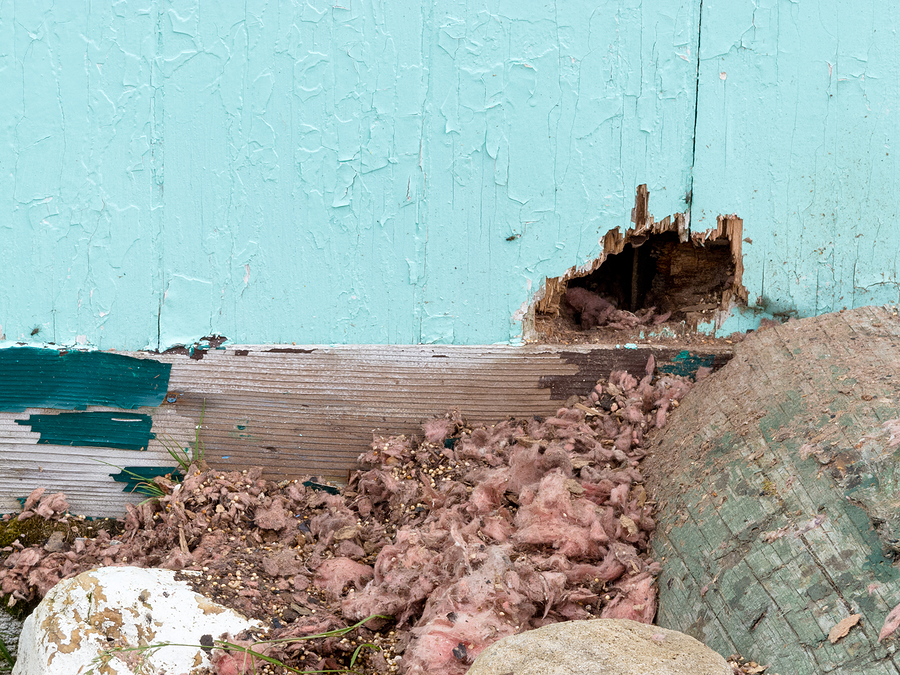
Prevention is often more effective than cure, and sealing entry points is a foundational step for long-term rodent control. Inspect both the interior and exterior of your property for any potential entry points.

Rodent-Proofing Checklist:

  • Fill small holes with steel wool or wire mesh to deter chewing.
  • Use door sweeps and weather stripping to block gaps under doors.
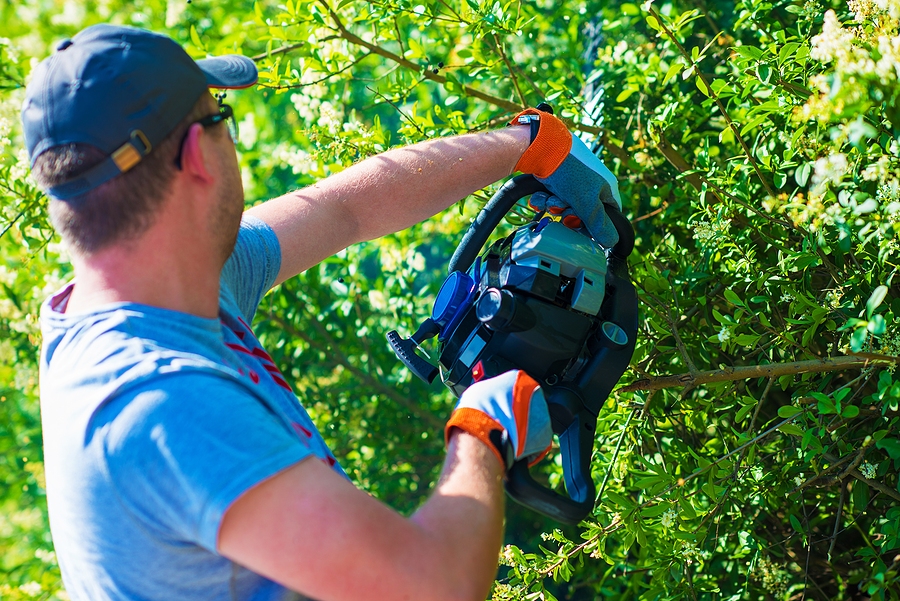
  • Trim tree branches and overhanging vegetation near your property to prevent roof access.
  • Install metal grating or screens over vents and chimney openings.
  • Ensure your property’s foundation is intact and sealed.

2. Setting Rat and Mouse Traps Effectively

Traps are the go-to choice for many homeowners and ranged from traditional snap traps to more humane live-catch and release versions. Effective trap placement is critical for success.

Effective Trap Placement Tips:

  • Set traps perpendicular to walls where rodents commonly travel.
  • Use high-quality bait, such as peanut butter, dried fruit, or a small amount of pet food, which can be changed regularly to remain fresh.
  • Place traps in areas of high rodent activity, such as near nests or droppings.
  • Set multiple traps in a variety of locations to increase chances of capturing rodents.

3. Using Natural Deterrents

For those looking for a more Eco-friendly approach, natural deterrents can be a viable solution. Plants like mint and lavender, with their potent scents, are known to repel rodents. Additionally, strong smells like ammonia can be a powerful deterrent.

DIY Natural Deterrents:

  • Create sachets with dried mint and lavender and place them in rodent-prone areas.
  • Mix 2-3 caps of ammonia with 2 cups of water and spray at entry points or areas of rodent activity.
  • Spread cotton balls soaked in peppermint oil in corners and under sinks.

4. Employing Professional Pest Control Services

When the infestation is severe or the rodents in question pose a significant risk (for example, disease-carrying rats), it’s time to consider professional pest control services. Exterminators have the expertise and access to more potent, yet safe for humans, rodent removal and control methods.

When to Call a rodent removal service:

  • If DIY methods have failed to yield results.
  • If the infestation is widespread or consists of many rodents.
  • If you’re dealing with aggressive or dangerous rodent species.

5. Maintaining a Clean Environment

Rodents are attracted to the resources and shelter an untidy environment provides. Regular cleaning and diligent maintenance not only help to remove rodents but also prevent their return.

Routine Maintenance Tips:

  • Keep food in airtight containers or refrigerated.
  • Clean up spills and crumbs immediately.
  • Regularly dispose of garbage in sealed bins.
  • Store firewood and other materials away from the home’s exterior.
  • Limit clutter to reduce hiding and nesting spots.

Prevention Tips to Keep Rodents From Returning

While removing existing rodents is crucial, keeping them from returning is equally as important. Preventative measures must be ongoing, especially after a successful removal.

Ongoing Prevention Strategies:

  • Perform regular inspections and maintenance of your property, looking for new entry points or signs of rodent activity.
  • Trim vegetation and eliminate potential food and water sources that may attract rodents.
  • Consider installing motion-activated lights or noise devices to deter rodents from inhabiting your space.
  • Work with a pest control professional to develop a long-term rodent prevention plan.

Conclusion

Rodent removal is not just about eliminating the problem at hand—it’s about taking swift action, using a combination of strategies, and maintaining vigilance to keep these critters at bay. By employing the tips and methods outlined in this guide, you can successfully reclaim your property from the clutches of rodents.

For the most comprehensive and efficient rodent removal, consider enlisting the help of professional rodent removal companies. Their expertise, coupled with advanced tools and treatments, can ensure that your home or business remains a safe and welcoming space, free from these troublesome creatures. Don’t allow these pests to overrun your domain—take action today and enjoy a rodent-free future.

Remember that while DIY approaches are effective for small infestations, there are situations where professional intervention is not just preferable but necessary. Our team of experts at Virginia Wildlife Pros can help you find the best rodent removal and control solutions that fit both your budget and your ethical standards. We serve residential and commercial customers. Contact us at 804-292-0156 for a free quote.

Related Posts:

Common Signs of a Rat Infestation in Your House
How to Identify a Mouse Infestation in Your Home
Understanding Rodents: How to Prevent an Infestation

Do You Hear Squirrel Noises Coming From Your Attic? What To Do Next

It’s the sound that immediately evokes images of animated critters ‘going to town’, leaping from rafter to rafter, and sharp little claws scratching on wood. Homeowners across the country are all too familiar with this auditory invasion – squirrels in the attic.

While it might start as a noise that only you can hear, the longer it goes on, the more evident it becomes that it’s a problem that can’t be ignored. In this extensive guide, we’ll explore the nuances of squirrel infestations in attics, why you should care, and what to do about it.

Call 804-292-0156 for Licensed Animal Removal for Squirrels in the Attic in Richmond Virginia

How to Identify Squirrel Infestations in Your Attic

If you suspect squirrel inhabitants, knowing what to look for can confirm your suspicions. Here’s what you need to know:

Squirrel Infestation Signs to Look Out For

  • Auditory Cues: The most common sign of a squirrel infestation is the noise they create—scratching, running, and the occasional screech can all be typical signs that they’ve made a home in your attic. Keep your ears open for activity during dawn and dusk, the times when squirrels are most active.
  • Visual Confirmation: Squirrels are diurnal, meaning they’re active during the day. Unlike nocturnal pests, you might actually see them entering or exiting your home.
  • Evidence of Nesting: Squirrels often build nests out of materials they can find in your home, like insulation or shredded paper. If you see piles of debris in your attic, you could be looking at a squirrel’s handiwork.

Common Misconceptions about Squirrel Noises

It’s easy to mistake the sounds of squirrels for that of other pests, like rats or mice. However, the noise patterns are different. While all are more active at night, the sound of a squirrel is often described as more ‘rhythmic’ due to their jumping and landing patterns. It’s important to be able to distinguish these sounds given the different methods of eviction for each pest.

The Dangers of Ignoring Squirrel Infestations

Squirrel infestations are more than an inconvenience; they can be a significant risk to your home and health.

Health Risks and Property Damage

  • Disease Transmission: Squirrels can carry diseases like leptospirosis and salmonellosis, as well as parasites that can affect humans and pets.
  • Chewed Wires: One of the most dangerous threats is to your electrical wiring. Squirrels are rodents and their teeth never stop growing, so they gnaw on things to keep them trimmed down. This often leads them to chew on wires, which can cause house fires.
  • Insulation Destruction: Insulation doesn’t just keep your home warm in the winter; it regulates temperature and prevents drafts. Squirrels can quickly damage insulation, leading to increased energy bills.

Impact on Insulation and Wiring

  • Higher Utility Costs: Damaged insulation can result in significant heat and cooling loss, raising your utility bills.
  • Chewed Structural Elements: Wood beams, electrical wires, and plumbing can all fall victim to a squirrel’s toothy pursuits.
  • A Source of Humidity: Insulation serves as a barrier for humidity entering your living spaces, playing a key role in mold and mildew prevention.

The Importance of Professional Squirrel Removal

When facing a squirrel infestation in your attic, handling it yourself can be daunting and dangerous. Professional squirrel removal services offer expertise that ensures your home is free of pests and safe from potential damage.

Advantages of Hiring a Professional

  • Thorough Inspections: Professionals can identify all points of entry, so you don’t find yourself dealing with the same problem again in a few months.
  • Safe and Humane Trapping: Using the right traps and techniques ensures the safety of both the squirrels and your family members.
  • Exclusion Repairs: Experts can help secure your home by repairing entry points and providing advice on how to make your home less attractive to future pests.
  • Cleanup and Restoration: Squirrel droppings and urine can create a health hazard. Professionals can ensure that your attic is properly cleaned and restored to its former condition.

Tips for Choosing an Animal Removal Service

  • Licensing and Certification: Ensure the company you choose is licensed and certified for animal removal services.
  • Experience: Ask about the company’s experience with squirrel infestations specifically.
  • References: Don’t hesitate to request references or testimonials from previous customers who’ve had similar problems.

Preventing Future Attic Infestations

Once you’ve rid your home of squirrels, the next step is keeping them out. Prevention is key to avoiding another infestation.

Securing Entry Points

  • Regular Inspections: Make a habit of checking your roof and siding for any potential entry points.
  • Use Sturdy Materials: Repair any damage with materials that squirrels can’t chew through, like steel mesh.
  • Professional Advice: If you’re unsure how to squirrel-proof your home, consult with an animal damage control specialist.

Trim Trees and Branches Near Your Home

Squirrels are natural acrobats and use trees to access your roof. Trimming branches so they’re at least 8 feet away from your home can limit their access.

Maintaining a Clean and Organized Attic Space

  • Regular Cleanings: Regularly cleaning your attic discourages squirrels from nesting there.
  • Organized Storage: Use sealed plastic containers for storage, preventing squirrels from seeing your attic as a desirable living space.

Conclusion

Ignoring squirrel infestations not only endangers your health and safety but also puts the integrity of your home at risk. By properly identifying the issue, taking immediate steps to remove them, and subsequently animal-proofing your home, you can save yourself from costly repairs and ensure the comfort and safety of your family. If you have a suspicion of squirrel activity in your attic, don’t wait. Take action promptly, and don’t hesitate to call in the professionals. Your home, family, and peace of mind are too important to delay.

Would you like expert assistance with nuisance squirrels in the attic and infestation cleanup? Contact Virginia Wildlife Pros at 804-292-0156 for professional squirrel removal and attic restoration in Richmond and beyond. Our licensed and insured animal trappers work with all native Virginia wildlife, using only safe and humane methods to extract and abate nuisance animals. Request a free quote, today.

Related Posts:

Nesting Nuisances: Handling Squirrels and Their Young in Your Attic
The Squirrel Diet: What These Critters Eat and Why It Matters
How to Get Rid of Pesky Squirrels Without Harming Them

Safe Solutions for Nuisance Woodpecker Problems

For some, the rhythmic pecking of a woodpecker sounds like a tranquil part of nature’s soundtrack. For others, it’s the beginning of a slew of annoyances and potential property damage. In regions like Virginia, the presence of woodpeckers can be a common and frustrating issue, especially when these feathery drummers decide that your home or business is the perfect percussion stage.

If you’ve found yourself in the clutches of a woodpecker predicament, fear not; this blog will provide you with effective means to peacefully coexist with these beautiful birds without sacrificing your sanity or structural integrity.

Call 804-292-0156 for Licensed Woodpecker Removal in Richmond Virginia

Why Woodpeckers are a Nuisance

Woodpeckers are infamous for their pecking behavior, which can not only be loud and unnerving but also lead to unsightly damage to buildings and homes. They’re not doing it to be malicious – it’s an instinctual habit driven by a variety of biological and environmental factors. These avian architects aren’t just building their reputations; sometimes, they’re creating real damage, which can be costly and time-consuming to repair.

The 101 on Woodpecker Behavior

Woodpecker Species Native to Virginia

Virginia plays host to several woodpecker species, each unique in their feather patterns, behaviors, and habitats. The most frequent culprits include the downy woodpecker, the northern flicker, and the red-bellied woodpecker.

Why They ‘Peck’

Why do woodpeckers peck on buildings? The answer’s not ‘one-size-fits-all.’ For some, it’s a territorial display or a part of courtship behavior. Others may be seeking out insects living inside the wood, attracted by the sounds or the reverberations the wood makes.

The Damage They Can Do

Regardless of the reason, the impact on structures and surroundings can range from holes in siding, to weakened structural beams, and a general decrease in the aesthetic integrity of your property.

Non-Harmful Woodpecker Deterrents

Thankfully, there are myriad non-harmful ways to deter woodpeckers that won’t harm the birds or disrupt the local ecosystem. These strategies are often effective in encouraging woodpeckers to seek out new territories.

Visual Disorientation

Visual deterrents, such as reflective tape, balloons, or special scare eye balloons, can confuse and deter the most determined pecker. These are cost-effective and easily installed, offering immediate relief from woodpecker visits.

Sound Strategies

Auditory deterrents like alarms and distress calls can effectively disrupt the woodpecker’s pecking party. Modern technology even offers devices that mimic the natural predator calls that these birds fear, making your property a less inviting target.

Physical Barriers

Mesh nettings, bird spikes, and special coatings can be applied to vulnerable areas to make pecking less rewarding for the birds. While they might require more initial effort and planning, these barriers can provide long-term peace of mind.

DIY Preventive Measures

Taking control of the woodpecker situation doesn’t always mean dramatic intervention. Simple changes in your property can make a world of difference.

Adjusting Their Environment

Making your surroundings less hospitable for woodpeckers can nudge them away. This might involve clearing away dead trees or branches that could serve as drumming posts or reducing the abstraction of their reflection on windows.

Rethinking Your Landscape

Controlling the types and locations of trees and plants around your property can mitigate woodpecker interest. Thinning out trees that are near your building can reduce the amount of practice space available for these avian drumline champions.

Nip Nesting in the Bud

If a woodpecker finds a spot on your property that they deem nest-worthy, they’re not likely to forget it. Being proactive about sealing off any nooks and crannies that could become nesting areas is key in deterring them from returning.

Safe and Humane Woodpecker Removal Methods

When all else fails, and the woodpeckers are a persistent problem, it may be time to consider bird removal methods.

Professional Bird Removal and Control

Professional wildlife removal and control services are equipped with the knowledge and experience to handle woodpecker issues humanely and effectively. By understanding local laws and regulations, these services ensure that all proper steps are taken to resolve the problem without causing harm to the birds or the environment.

DIY is Not Recommended

While DIY enthusiasts and well-meaning neighbors might offer advice or services, it’s worth investing in a professional. Improper bird removal can lead to more problems, such as lingering smells, attracted vermin, or even legal repercussions if done without proper permits.

Conclusion

Dealing with woodpeckers doesn’t have to mean declaring war on nature. By employing a combination of deterrent strategies, preventive measures, and, if necessary, professional assistance, you can manage nuisance woodpecker issues in a responsible and effective manner. The key is to start early, stay informed, and act decisively.

If you find yourself in a “peck” of trouble, remember that your goal is not to eradicate these beautiful birds but to re-direct their activities away from your home. In the end, by respecting nature and employing ethical means to solve your woodpecker woes, you’ll not only protect your property but also contribute to a healthier coexistence with the wildlife around you.

Dealing with a woodpecker problem around your house or business? Contact Virginia Wildlife Pros at 804-292-0156 for professional bird removal and control in Richmond and beyond. Our licensed and insured animal trappers work with all native Virginia wildlife, using only safe and humane methods to extract and abate nuisance animals. Request a free quote, today.

Related Posts:

Feathered Foes: Practical Solutions for Nuisance Pigeons
8 Effective Strategies for Nuisance Bird Control
The Nuisance Bird Removal Methods You Need

Nesting Nuisances: Handling Squirrels and Their Young in Your Attic

Squirrels are known for their agile dexterity, fluffy tails, and—unfortunately for homeowners—keen nesting instincts. When squirrels take up residence in the cozy confines of your attic, it can lead to a myriad of issues, from damaging your property to creating a health hazard. This comprehensive guide will walk you through the squirrel conundrum, from identifying their presence to safe removal and future prevention. This shall give you an actionable plan to handle these fluffy-tailed interlopers.

Call 804-292-0156 for Licensed Squirrel Removal Services in Richmond Virginia

Squirrels Noises Coming From the Attic?

Imagine this: it’s a quiet evening, and you’re unwinding at home, possibly in the attic working on a project, when you hear the pitter-patter of tiny feet, only to find they’re not so tiny – they belong to a family of squirrels. But what’s the big deal? They’re just harmless critters, right? Not so fast. Squirrels in the attic might be adorable, but they can quickly become a homeowner’s nightmare.

Common Problems Associated With Squirrel Infestations

Squirrel infestations in attics pose several problems, each escalating in severity the longer the squirrels are left to their devices. First and foremost, these critters are not timid when it comes to making their home their own. They’ll chew through insulation, electrical wiring, and even wood to build their nests, leading to the risk of fires and costly repairs. Even if you find them adorable, structural damages caused by them can lead to hefty bills.

There are also several legal considerations regarding squirrel removal and control. Depending on where you live, there may be legal implications to consider before taking any removal action. Some squirrel species are protected and disturbing them could warrant penalties.

Typical Squirrel Infestation Signs

Awareness is your first line of defense. Listen for scratching, rustling, or scampering sounds, especially during the day, which is when squirrels are most active. Stains from their urine or droppings, which look similar to those of rats but larger, are also telltale signs. Becoming familiar with these indicators allows you to act promptly and protect your home.

The most indicative signs of a squirrel infestation in your attic include:

◈ Unusual, repetitive noises during the day
◈ Foul odors
◈ Diminished insulation
◈ Chewed wires or wood
◈ Droppings in your attic

Safe and Humane Squirrel Removal Methods

Once you’ve confirmed the presence of squirrels, the next step is extraction. But how you remove squirrels and their babies is crucial, as both your safety and the well-being of the squirrels need to be considered. For most, the risks and potential legal issues of DIY squirrel removal are too significant to consider. Professional squirrel removal services have the expertise to safely and legally perform eviction procedures, such as one-way doors that allow squirrels to exit but not re-enter. It’s important to note that relocating wildlife is illegal in many areas and can be far more harmful to squirrel populations than people realize.

Why professional animal removal contractors are often the best choice for squirrel removal:

◈ Expertise in identifying species and their behaviors
◈ Safe, humane trapping and removal
◈ Legal compliance and paperwork if needed

Attic Damage Cleanup and Repair

The removal of a squirrel is a significant step, but the post-infestation cleanup/repair phase is just as crucial. Droppings carry diseases, so proper sanitation is necessary. In addition, you’ll need to assess and repair any damage done to the attic’s structure.

Attic cleanup steps after squirrel removal include:

◈ Identifying the extent of the damage.
◈ Sanitizing the area to eliminate health hazards.
◈ Repairing chewed wires, bad insulation, and any other structural damage.
◈ Proper and thorough cleanup ensures your attic is safe.

How to Prevent Squirrels in the Attic

The best way to deal with a squirrel infestation in the attic is to prevent it from happening in the first place. Squirrels are resourceful, but you can be too with these strategic precautions. They can fit through incredibly small openings. Ensuring every nook and cranny is sealed is your best approach. Use mesh wire or hardware cloth to secure vents, chimneys, and any openings they might use to access your attic. Chimney caps, vent covers, and squirrel baffles are wise considerations.

Key points for securing entry points to your attic:

◈ Conduct regular inspections of your home.
◈ Seal any openings, even if they seem too small.
◈ Trim tree branches that provide easy access to your roof.

Squirrel Control Tips

Deterring squirrels involves making your home less attractive to them. Regular maintenance and a diligent upkeep schedule can go a long way. Effective ways to deter squirrels from your property:

☑ Ensure food waste is properly disposed of in sealed containers.

☑ Use motion-activated lights or noise devices to startle them if they approach your home.

☑ Create a less appealing environment by sprinkling predator urine or animal repellent around the perimeter of your home.

☑ Consistency is key – keep these measures in place even after you think the coast is clear.

Conclusion

Squirrels in the attic may seem like an adorable, if unwelcome, surprise, but the potential hazards they bring with them are nothing to ignore. By understanding the issue, safely removing the squirrels, thoroughly cleaning affected areas, and taking preventative measures, you can steer clear of a squirrel saga in your home.

Remember, when it comes to these furry terrors, it’s often best to defer to the professionals. If you’ve encountered a squirrel situation that’s more than you can handle, don’t hesitate to reach out to a Richmond Virginia wildlife control service. They have the experience and knowledge to handle the issue effectively, humanely, and legally.

Protecting your home from squirrel infestations is not a one-time event. It’s a commitment to the ongoing health and safety of your home. Stay vigilant, stay informed, and if you need to, secure the help of people who have dedicated their careers to handling these situations. Your home is your sanctuary, and with the right approach, it can remain free from the unwanted nursery of a squirrel family.

Are you having trouble with nuisance squirrels in your area of Virginia? Contact Virginia Wildlife Pros at 804-292-0156 for professional squirrel removal services in Richmond and its outer regions, today. We serve residential and commercial customers with free quotes, free advice, and quality work.

Related Posts:

Squirrel Species Around the World: A Fascinating Journey
The Squirrel Diet: What These Critters Eat and Why It Matters
How to Get Rid of Pesky Squirrels Without Harming Them

Unwelcome Tenants: How to Deal with Wildlife in Your Chimney

Discovering wildlife in your chimney can transform a quaint, cozy fireplace into a source of stress and concern. While the sound of tiny feet scampering or the occasional bird chirp might seem initially charming, these uninvited guests can pose significant risks to both your home and the animals themselves. From squirrels and raccoons to birds and bats, our homes inadvertently attract a variety of wildlife seeking shelter and warmth.

This blog post aims to guide you through identifying signs of animal presence in your chimney, understanding the risks involved, and exploring humane and effective strategies to deal with these unwanted tenants, ensuring the safety and comfort of both your family and your furry or feathered visitors.

Call 804-292-0156 for Safe Animal Removal in Richmond Virginia

Identifying Signs of Animal Presence

The first step in addressing a wildlife issue in your chimney is to confirm its presence. While some animals may accidentally wander into your fireplace and find themselves unable to get back out, others deliberately seek refuge in the warmth and shelter of a chimney. Here are some common signs that indicate animal presence in your chimney:

Strange noises: If you hear scratching, chirping, or other unusual sounds coming from your chimney, chances are there is some type of wildlife residing inside.

Foul odors: Animals tend to leave droppings and urine behind, which can cause a distinct odor in your home. If you notice a foul smell emanating from your fireplace, it’s worth investigating further.

Debris and nesting materials: Animals such as squirrels and birds will often bring in twigs, leaves, and other debris to build nests in your chimney. If you notice any unusual materials inside your fireplace, it could be a sign of animal activity.

Damaged chimney cap or screen: Many animals can squeeze through small openings, so if your chimney cap or screen is damaged or missing, it can serve as an open invitation for wildlife to enter and take up residence.

Understanding the Risks of an Animal Infestation

While wildlife in your chimney may seem like a harmless inconvenience, there are several risks that come with their presence. These include:

Fire hazards: Animals can bring flammable materials into your chimney, increasing the risk of a fire if they build a nest or become stuck in the flue.

Structural damage: Wildlife can cause significant damage to your chimney and surrounding areas as they try to enter or exit, potentially compromising its structural integrity.

Health hazards: Animals carry a variety of diseases and parasites that can be transmitted to humans through contact with their droppings, urine, or even direct contact.

Humane Wildlife Removal Strategies

If you have confirmed the presence of wildlife in your chimney, it’s important to take action to remove them as soon as possible. Here are some humane strategies that can help:

Hiring a professional: The safest and most effective way to remove wildlife from your chimney is by hiring a professional animal removal company. They will have the necessary knowledge and experience to safely and humanely remove the animals and make any necessary repairs to your chimney.

Using deterrents: There are several animal deterrence products on the market, such as ultrasonic devices and chemical repellents, that may help discourage wildlife from entering your chimney. However, these methods may not be effective for all types of animals and could potentially harm them or other non-targeted species. You can make homemade animal repellent too.

Installing a chimney cap or screen: To prevent animals from entering your chimney in the first place, consider installing a cap or screen that covers the opening. This will not only keep out wildlife but also debris and rainwater.

Conclusion

Dealing with unwelcome wildlife in your chimney can be a challenging and delicate situation. By recognizing signs of animal presence, understanding the risks involved, and employing humane removal strategies, you can effectively address the issue and prevent it from happening again in the future. Remember to always prioritize the safety and well-being of both your family and the animals involved. With proper precautions and prompt action, you can keep your fireplace cozy without any unexpected furry or feathered guests. So go ahead, light that fire and enjoy a peaceful evening by the hearth.

Don’t let unwelcome tenants dampen your enjoyment of your fireplace! Contact Virginia Wildlife Pros at 804-292-0156 for professional animal removal and control in Richmond, or its surrounding towns. We serve residential and commercial customers with free quotes, free advice, and quality work.

Related Posts:

The Importance of Professional Wildlife Removal and Control Service
Preventing Animal Infestations: What You Need to Know
Nature in Balance: Ethical Approaches to Wildlife Control

Squirrel Species Around the World: A Fascinating Journey

Squirrels, with their bushy tails and quick, darting movements, are among the most well-known and universally beloved of all wild creatures. A casual glance out your window or a stroll through a park is often rewarded with the sight of these industrious, acrobatic mammals. However, the enchanting world of squirrels goes far beyond the grey squirrels commonly spotted in North America and Europe.

This comprehensive exploration takes you on a global tour of the various squirrel species, a rich tapestry of wildlife that showcases the beauty and diversity of nature’s designs.

An Indian Giant Squirrel

Understanding the Importance of Squirrel Species Diversity

As nature enthusiasts, it’s crucial to grasp the vastness of variety within the squirrel family. Squirrel species vary tremendously in size, color, and habits. Some have adapted to city living, while others remain inhabitants of dense rainforests or high alpine regions. This diverse distribution is pivotal for preserving ecosystems, as squirrels contribute to seed dispersal and act as prey for a variety of predators, helping to maintain the intricate balance of nature.

North American Squirrels

The Americas are home to a multitude of squirrel species, each with their unique traits. From the tree-dwelling Eastern Grey Squirrel, a common sight in suburban backyards, to the agile and swift fox squirrel of the woodlands and urban parks, these furry creatures are vital components of many North American environments. Red squirrels, distinct with their tufted ears, are particularly prevalent in Canada’s coniferous forests, where their role in the ecosystem is directly linked to the health of the timber stands.

European Squirrels

The continent of Europe boasts its own array of squirrel species. Perhaps the best-known is the Eurasian Red Squirrel, which has faced various conservation challenges due to competition with the introduced Grey Squirrel. Meanwhile, the charming and diminutive Siberian Chipmunk has been introduced to several European countries, where it has established itself as an invasive, non-native species.

Asian Squirrels

In the diverse landscapes of Asia, squirrels can be found ranging from tropical forests to remote mountain ranges. The Indian giant squirrel (pictured above), also called the Malabar squirrel or Giant squirrel, with its multicolored fur, is an arboreal spectacle, while the Pallas’s squirrel’s high-altitude adaptations allow it to thrive in the cold, rocky terrain of the Himalayas. Not to forget the striped squirrel, a common resident of urban areas in many Asian cities, demonstrating the adaptability of these creatures even in the most developed landscapes.

Delving into the World of Squirrel Facts and Behaviors

A closer look at the fascinating aspects of squirrel life reveals a depth of intelligence and an arsenal of skills necessary for their survival and success in the wild.

Adaptation and Survival Techniques

Squirrels are masters of adaptation, finding ways to store food that will last them through the lean winter months. They cache food within the ground, under tree bark, or in the trunks of hollow trees, and they’re remarkably adept at remembering the locations of their hoards, which can number in the thousands. With cool scientific breakthroughs in studying animal cognition, we’ve come to appreciate the complexity of squirrel intelligence and memory.

Communication and Social Behaviors

While often seen as solitary creatures, squirrels maintain complex social networks. They signal warnings to each other through a series of vocalizations and tail signals, which they use to communicate danger and various other messages. Squirrels can also be quite territorial and will defend prime feeding grounds with gusto, engaging in impressive displays of posturing and vocals.

Conservation Efforts and Challenges

Squirrels, like many wild animals, are not without their struggles. Habitat loss, disease, and introduced species are among the factors that can impact squirrel populations. Conservation initiatives are crucial in preserving the habitats that support squirrels and in controlling invasive species that may disrupt the natural environment. Highlighting local efforts and ways that enthusiasts can contribute could be a significant step in promoting a safer environment for these beloved creatures.

Ways to Engage with Squirrels Responsibly

For many nature lovers, watching squirrels can be a source of joy and connection with the outdoors. There are ways to enjoy and learn from these creatures without causing undue stress or harm.

Attracting Squirrels to Your Backyard

Creating a squirrel-friendly environment in your yard can be a rewarding endeavor. Providing a consistent food source, such as seeds and nuts, and suitable nesting opportunities, like birdhouses or boxes, can encourage squirrels to visit. Different species may have preferences for certain foods, so adjust your offerings to attract the kinds of squirrel species native to your area.

Responsible Squirrel Watching and Feeding Practices

Watching and feeding squirrels can be a delightful pastime, but it’s essential to ensure that these interactions are positive for squirrels and humans alike. Using squirrel-proof feeders, providing only appropriate foods, and maintaining respectful distances are simple steps to ensure that your admiration for squirrels does not become a nuisance or a threat to their health.

Understanding and Addressing Nuisance Squirrels

In some situations, squirrels may become a nuisance, whether they’re causing damage to homes or presenting a danger to inhabitants. Addressing these issues requires a balanced approach that respects the welfare of the animals while also protecting human interests.

Safe Squirrel Control Methods

Effective and humane methods exist for managing squirrel populations, especially in situations where they may pose a threat to property or public health. Using live traps, exclusion methods, and repellents can deter squirrels from unwanted areas without causing them harm.

Hiring Professionals for Squirrel Removal

When the presence of squirrels becomes unmanageable or dangerous, it may be necessary to seek the assistance of wildlife removal professionals. These experts have the knowledge and tools to safely relocate squirrels to suitable habitats or to humanely euthanize them, if necessary.

In Closing

Squirrels remind us of the intricate tapestry of life that surrounds us. By taking the time to truly understand and protect squirrel species, we can contribute to the preservation of the planet’s diverse ecosystems. Encouraging a shared space with these creatures, even if through the simplest acts of observation and provision, can create a more harmonious relationship between humans and the wildlife we share our world with. As we continue to coexist with these furry neighbors, may our hearts be as open to their magnificence as the branches to which they so nimbly leap.

Would you like some professional assistance with getting rid of squirrels on your property? Contact Virginia Wildlife Pros at 804-292-0156 for licensed and insured squirrel removal and control in Richmond, Virginia, and surrounding counties. We serve residential and commercial customers with comprehensive mice and rat removal solutions at affordable prices. Request a free quote, today!

Related Posts:

The Squirrel Diet: What These Critters Eat and Why It Matters
How to Get Rid of Pesky Squirrels Without Harming Them
The Benefits of Professional Squirrel Control Services

Beaver Conservation: Why Their Survival is Key to Our Ecosystem

The rustling of leaves and the gentle flow of water in our rivers may carry a story more ancient and impactful than we often acknowledge. This tale involves nature’s skilled architects, beavers, whose existence quietly and profoundly shapes our environment. As efforts toward environmental conservation pick up pace, understanding the role of these creatures is paramount. In this blog post, we delve deep into the world of beavers and unearth why their survival is not just beneficial but critical for the health and preservation of our ecosystems.

Call 804-292-0156 for Safe and Humane Beaver Management in Richmond Virginia

General Beaver Facts

Beavers, known scientifically as Castor canadensis, are not just fascinating semiaquatic creatures with impressive incisors; they are natural engineers whose activities create and maintain habitats for a plethora of other species. However, due to habitat loss and other human activities, beaver populations have dwindled, casting a shadow on their survival and the ecological balance they help sustain. Here are some more general facts about beavers:

▶ They are the second-largest rodents in the world, behind capybaras. They can weigh up to 55 pounds and grow up to 4 feet long.

▶ They are known for their ability to build dams and lodges using branches, mud, and stones. These structures serve as shelter and protection from predators.

▶ They have a set of sharp front teeth that never stop growing, so they constantly need to gnaw on things to keep them trimmed down.

▶ They are herbivores and primarily eat tree bark, leaves, and aquatic plants. They also have a special digestive system that allows them to digest cellulose found in wood.

▶ They are monogamous animals and mate for life. Both parents play an active role in raising their young, called kits or kittens, who stay with their parents for about two years before venturing out on their own.

How Beavers Impact the Environment Around Us

Often referred to as ‘Ecosystem engineers’, beavers play a pivotal role in landscape-scale ecology. Their dam-building activities can reshape rivers, create wetlands, and provide essential resources for an array of species. Their ingenuity in constructing lodges and dams results in water regulation and the creation of complex habitats, rich in biodiversity. What’s more, beavers’ work supports the life cycles of aquatic and terrestrial fauna, serving as a foundation for species diversity.

Carbon Sequestration and Climate Change Mitigation – In the face of climate change, every natural ally counts. Beaver ponds act as carbon sinks, trapping and storing carbon, thus contributing to climate change mitigation efforts.

Water Filtration and Improved Water Quality – The wetlands created by beaver activity naturally filter pollutants from runoff water, leading to overall improved water quality in ecosystems.

Flood Prevention and Erosion Control – Beaver dams are nature’s answer to flood control and erosion prevention. By slowing down the flow of water and allowing it to disperse evenly, these natural barriers protect landscapes from the damaging effects of sudden water influx.

Wildlife Preservation – As a keystone species, the presence or absence of beavers can significantly affect local ecosystems. Their dams create habitats that support fish populations and bird species, emphasizing the interconnection of these ecosystems and the vital role beavers play within them.

Beaver Management for Home and Property Managers

Human-wildlife conflict is not uncommon; however, through effective beaver management strategies, we can mitigate negative interactions while preserving these valuable ecosystems. While beaver activity can be perceived as a nuisance, there can also be many advantages for homeowners and land managers, such as naturally maintained water sources and increased landscape diversity which can be aesthetically and ecologically beneficial.

Conclusion

We stand at a crossroads where the urgency for conservation cannot be overemphasized. Beavers are more than furry creatures of our forests and streams – they are pivotal environmental players whose survival ensures the resilience and richness of our natural world. It is crucial that we take action to ensure the legacy of beaver conservation leads to a sustainable and thriving ecosystem for future generations.

Are you looking for help with managing the local beaver populations around your house or property? Contact Virginia Wildlife Pros at 804-292-0156 for professional beaver removal and control in Richmond, or its surrounding towns. We serve residential and commercial customers with free quotes, free advice, and quality work.

Related Posts:

The Best Practices for Beaver Control: A Comprehensive Guide
Effective Strategies for Beaver Control in Virginia
8 Tips for Successful Beaver Management

Shadow or Not: Celebrating Groundhog Day with Pest-Smart Tips

Each year, on February 2nd, crowds gather, and eyes fixate on the humble groundhog as it emerges from its burrow. Groundhog Day, an event steeped in folklore, captures imaginations with the promise that this small creature can predict the coming of spring. And it’s only 3 days from now! However whimsical this tradition may be, it also shines a light on our ever-present, year-round dwellers: pests.

In this blog post, we’ll delve into the curious customs of Groundhog Day, and just as importantly, provide you with insightful pest-smart tips to ensure that your celebration isn’t marred by the less celebrated critters that might be lurking around your home and garden.

Call 804-292-0156 for Licensed Groundhog Removal Service in Richmond VA

The Origins of Groundhog Day

Groundhog Day is a holiday that originated in Pennsylvania, USA and has been celebrated for over 130 years. It is based on an old European tradition whereby farmers would look to hibernating animals such as bears or badgers to predict the arrival of spring. When German settlers arrived in Pennsylvania, they brought this custom with them but swapped out the bears and badgers for groundhogs, which were plentiful in the area. These critters are also famously known as woodchucks.

In 1887, a newspaper editor named Clymer H. Freas celebrated Groundhog Day for the first time in Punxsutawney, Pennsylvania. The town’s official groundhog is known as Punxsutawney Phil, and each year on February 2nd, he emerges from his burrow to predict whether there will be six more weeks of winter or an early spring. If Phil sees his shadow, it is believed that winter will continue for another six weeks. However, if he does not see his shadow, spring is said to arrive early.

Celebrating with Smart Groundhog Control Tips

While Groundhog Day may be a fun and quirky holiday, it also serves as a reminder that pests are a year-round concern. To ensure your celebration isn’t interrupted by unwanted woodchucks, here are some pest-smart tips to keep in mind:

Keep food tightly sealed: Just like humans, pests love a good feast. Make sure to store all food items in sealed containers to prevent access for rodents and insects.

Fix any water leaks: Pests are attracted to moisture, so be sure to fix any leaky pipes or faucets to eliminate a potential water source for pests.

Trim trees and shrubs: Overgrown tree branches and shrubs can act as bridges for pests to enter your home. Keep them trimmed back to prevent easy access points.

Seal cracks and crevices: Pests can easily enter your home through small cracks and gaps in walls or windows. Seal these areas to prevent them from finding their way inside.

Keep a clean yard: Clear away any debris, such as piles of leaves or wood, which can provide shelter for groundhogs and other critters. Also, regularly mow the lawn to discourage animals from making burrows.

Hire a licensed wildlife removal company: A professional animal removal company can provide expert-level groundhog control services for your property.

By following these pest-smart tips, you can ensure that your Groundhog Day celebration is free from any unexpected pests. And who knows, maybe Punxsutawney Phil will predict an early spring for you too!

In Summary

Groundhog Day may seem like a lighthearted holiday, but it serves as a reminder that pests are always lurking. By understanding the origins of this curious tradition and implementing pest-smart tips, you can ensure that your celebration is not dampened by unwelcome critters. So, let’s celebrate Groundhog Day with enthusiasm and also keep our homes and gardens pest-free all year round!

We hope you have a great Groundhog Day this weekend! If you have more questions about nuisance animal abatement, we are here to help. Contact Virginia Wildlife Pros at 804-292-0156 for professional wildlife removal and control service in Richmond, Virginia for groundhogs, today.

Related Posts:

Demystifying Groundhog Behavior: Understanding Their Unique Traits and Habits
How to Determine If a Groundhog Is Causing Damage on Your Golf Course
Fascinating Facts About Virginia’s Woodchucks

Unmasking the Culprits: Common Diseases Affecting Virginia’s Wildlife

Virginia’s diverse wildlife, from the majestic white-tailed deer to the elusive bobcat, are more than just inhabitants of our natural landscapes, they are integral parts of our state’s ecosystem. However, their survival is increasingly threatened by the spread of diseases like Rabies virus and Leptospirosis.

In this blog post, we will unmask the culprits behind these diseases, delving into their causes, symptoms, modes of transmission, and the impact they have on Virginia’s wildlife. Understanding these diseases is the first step to ensure the health and longevity of our state’s precious wildlife inhabitants.

Call 804-292-0156 for Licensed Animal Removal Service in Richmond Virginia

Common Wildlife Diseases in Virginia

Rabies Virus

Rabies is a highly infectious and deadly disease that affects Virginia’s wildlife, as well as domestic animals and humans. The virus is primarily transmitted through the bite of an infected animal but can also be spread through contact with saliva or nervous tissue of an infected animal. In Virginia, the most common carriers of rabies are raccoons, skunks, bats, and foxes. Many wrongly assume that opossums have Rabies, but they are not common carriers of the virus.

▶ Symptoms

The symptoms of rabies in wildlife can vary, making it difficult to identify. Some signs to look out for include disorientation, aggression, paralysis, and changes in behavior. Animals infected with the virus may also have difficulty walking or flying and may exhibit excessive salivation. These symptoms are caused by the virus attacking the nervous system, eventually leading to death.

▶ Impact on Wildlife

Rabies is a serious threat to Virginia’s wildlife population. It not only causes suffering and death in infected animals but also has a significant impact on the ecosystem. As predators become sick or die from the virus, there is a disruption in the natural balance of prey and predator populations. This can have cascading effects on the entire ecosystem, leading to potential imbalances and even extinction of certain species.

Leptospirosis

Leptospirosis is a bacterial disease that affects both humans and animals. It is caused by the bacteria Leptospira and can be transmitted through contact with contaminated water, soil, or infected animals. In Virginia, raccoons and skunks are the most common carriers of the bacteria.

▶ Symptoms

Symptoms of leptospirosis in wildlife may include fever, muscle pain, vomiting, and diarrhea. Like rabies, these symptoms can be difficult to identify as they vary from species to species. In severe cases, the disease can cause organ failure and death.

▶ Impact on Wildlife

Leptospirosis can have devastating effects on Virginia’s wildlife population. Infected animals may experience reduced fertility, birth defects, and chronic health issues. The bacteria can also contaminate water sources, posing a threat to other wildlife and domestic animals that rely on these resources for survival.

Roundworm and Other Parasites

While rabies and leptospirosis may be the most well-known diseases affecting Indiana’s wildlife, there are also several parasites that can have significant impacts on their health. For example, roundworms can infect raccoons and cause neurological issues, leading to disorientation and death. Additionally, ticks can transmit diseases like Lyme disease to animals, causing serious health problems.

Canine Distemper

Another disease that poses a threat to Virginia’s wildlife is canine distemper. This viral disease primarily affects canines but can also infect other animals, including raccoons, skunks, and foxes. Symptoms can include fever, nasal discharge, and neurological issues. Distemper is highly contagious and can lead to death in infected animals.

Conclusion

As we continue to share our environment with Virginia’s diverse wildlife, it is crucial to understand the threats they face, including diseases like rabies, leptospirosis, and others. By learning about these illnesses, we can take necessary precautions to prevent their spread and protect our state’s wildlife population. Let us all do our part in preserving the beauty and diversity of Virginia’s natural habitats for generations to come. So next time you see a wild animal, remember they are more than just creatures of the wilderness, they are our fellow inhabitants who deserve to live healthy and thriving lives. 

Are you dealing with nuisance wildlife threats around your home or business? Contact Virginia Wildlife Pros at 804-292-0156 for professional animal removal and control in Richmond, or its surrounding towns. We serve residential and commercial customers with free quotes, free advice, and quality work.

Related Posts:

Bracing for Winter: Your Guide to Animal-Proofing in Virginia
Nature in Balance: Ethical Approaches to Wildlife Control
The Importance of Professional Wildlife Removal and Control Service

Raccoons in Urban Landscapes: A Study of Adaptation and Survival

Often perceived as mischievous thieves in the night, raccoons, or Procyon Lotor as they’re scientifically known, have increasingly found their way into urban landscapes. As cities expand, these adaptable creatures are demonstrating remarkable survival skills that allow them to thrive in our neighborhoods, often to the dismay of homeowners. However, their presence in urban areas is not without complications. The issue of raccoon control and the potential spread of raccoon diseases are growing concerns.

This blog post aims to explore the fascinating world of raccoons in urban landscapes, their adaptation, survival, and the challenges they pose to city dwellers. Join us as we delve into the secret lives of these intriguing city slickers of the animal kingdom.

Call 804-292-0156 for Licensed Raccoon Control Service in Richmond VA

Urban Adaptation of Raccoons

Raccoons are native to North America and are commonly found in wooded areas with access to water. However, they have shown incredible adaptability and have successfully made themselves at home in urban environments. This is due in part to their opportunistic nature, omnivorous diet, and ability to thrive in various habitats. In cities, raccoons can be found in parks, backyards, and even urban green spaces. They have also become skilled at navigating human structures such as buildings and drainage systems. This adaptability has allowed them to survive and thrive despite the loss of their natural habitats to urbanization.

Survival Skills of Raccoons

One key reason for raccoon’s success in urban landscapes is their excellent survival skills. Raccoons are clever, resourceful, and highly adaptable creatures. They possess dexterous paws that allow them to open garbage cans, doors, and containers with ease. Their sharp claws help them climb trees, buildings, and fences. In addition, raccoons have a keen sense of smell and strong hearing capabilities that aid in their search for food and shelter. They are also expert climbers and swimmers, making them well-equipped to navigate the urban jungle.

Challenges of Raccoon Control

While raccoons have proven to be remarkably adaptable and resilient in urban environments, their presence can cause problems for humans. As opportunistic feeders, raccoons are drawn to garbage bins and compost piles in search of food. This can result in messy and disruptive encounters with homeowners, as well as damage to property and gardens. In addition, raccoons are known carriers of diseases such as rabies, distemper, and roundworms which can potentially be transmitted to humans and pets. As a result, raccoon control has become an important issue for many cities.

Raccoon Diseases

Raccoons can carry a variety of diseases, some of which can be harmful to humans and pets. The most well-known disease carried by raccoons is Rabies, a viral disease that affects the nervous system. While rare, cases of rabies in raccoons have been reported in urban areas. Other potential diseases include distemper, a viral disease that affects the respiratory, gastrointestinal, and nervous systems, and roundworms, which can cause serious health issues if ingested. As such, it is important for homeowners to take precautions when encountering raccoons and to seek professional help in removing them from their property.

Conclusion

In conclusion, while raccoons have proven to be adaptable and resilient creatures in urban landscapes, their presence can pose challenges for humans. As cities continue to expand and encroach on natural habitats, it is important for us to understand and coexist with the wildlife that shares our neighborhoods. By taking necessary precautions, such as securing garbage bins and seeking professional help with raccoon control, we can ensure the safety of both us and these fascinating creatures in our urban landscapes.

Are you ready for the most effective solutions for dealing with nuisance raccoon problems? Contact Virginia Wildlife Pros at 804-292-0156 for professional raccoon removal and control in Richmond, or its surrounding towns. We cover all neighboring Richmond, VA communities, including Henrico, Glen Allen, Midlothian, Charlottesville, and Mechanicsville. We also provide commercial wildlife control.

Related Posts:

How to Choose the Right Company for Raccoon Removal Services
Natural Solutions for Keeping Raccoons Away from Homes
5 Proven Homemade Animal Repellent Recipes