Outsmarting Squirrels: Easy Tips for Protecting Your Bird Feeders

For many bird enthusiasts, there are few joys greater than watching colorful feathered friends visit your backyard bird feeder. However, this tranquil scene can quickly turn frustrating when squirrels arrive, raiding the feeder and scaring away your avian visitors. Squirrels, with their acrobatic prowess and insatiable appetites, can empty a bird feeder in no time, leaving little for the birds and causing damage in the process.

But don’t despair! Protecting bird feeders from these cunning critters is possible with the right strategies and solutions. In this blog post, we’ll explore the reasons behind squirrel behavior, discuss cost-effective methods to safeguard your feeders, and even delve into some DIY projects. By the end, you’ll be equipped with all the knowledge you need to enjoy a squirrel-free birdwatching experience.

Call 804-292-0156 for Licensed Squirrel Removal and Control in Richmond Virginia

Understanding the Virginia Squirrel Population

Before we delve into solutions, it’s crucial to understand why squirrels in Virginia are such formidable opponents. Squirrels are incredibly intelligent and resourceful animals. Their diet primarily consists of nuts, seeds, and fruits, making bird feeders brimming with seeds an irresistible attraction. Additionally, squirrels are excellent climbers and jumpers, able to leap distances up to ten feet and navigate around common deterrents.

Their relentless determination comes from necessity: in the wild, food can be scarce, especially in colder months. This survival instinct drives them to overcome obstacles that might deter less determined animals. Understanding these aspects of squirrel behavior is the first step in formulating effective deterrent strategies.

How to Stop Squirrels From Stealing Bird Seed

Bird Feeder Placement

Strategically placing your bird feeder can significantly reduce squirrel invasions. Positioning feeders at least ten feet away from any jumping-off point (like trees, fences, or buildings) and five feet above the ground can make it difficult for squirrels to reach.

Squirrel Baffles

Squirrel baffles are physical barriers that prevent squirrels from climbing up or down to the feeder. These can be dome-shaped or cylindrical and are typically placed either above hanging feeders or below pole-mounted feeders. Brands like Audubon and Woodlink offer highly rated squirrel baffles that are easy to install and effective.

Squirrel-Proof Bird Feeders

If you prefer a more hands-off approach, investing in a squirrel-proof feeder can be worthwhile. These feeders are designed with mechanisms that block access to seeds when a squirrel’s weight is detected. Popular models include the Brome Squirrel Buster and the Droll Yankees Flipper, both known for their effectiveness and durability.

How to Make Your Own Squirrel-Proof Bird Feeder

Creating your own squirrel-proof bird feeder can be a fun and rewarding project. Just be sure that the feeder is placed correctly to maximize the effectiveness of your DIY efforts. Here’s a simple guide:

Materials:

  • A Sturdy Bird Feeder
  • Wire Mesh
  • Small Hooks
  • Wooden Dowel

Instructions:

  • Enclose the feeder with wire mesh, ensuring the openings are large enough for birds but too small for squirrels.
  • Attach the mesh to the feeder using small hooks.
  • Hang the feeder with the wooden dowel to keep it balanced and secure.

Building a Squirrel Baffle

Creating a DIY squirrel baffle is another cost-effective solution to keeping hungry squirrels away from your bird feeder poles:

Materials:

  • Large Plastic or Metal Bowl
  • Drill
  • Screws
  • Mounting Bracket

Instructions:

  • Ensure the baffle is wide enough to prevent squirrels from bypassing it.
  • Drill a hole in the center of the bowl.
  • Attach the bowl upside down to the mounting bracket using screws.
  • Secure the baffle on the feeder pole below the feeder.

Safe and Humane Squirrel Deterrents

Using natural deterrents is another excellent way to protect your bird feeders without harming squirrels.

Hot Pepper Seed

One effective method is to mix birdseed with hot pepper flakes or powder. Birds are unaffected by the spiciness, but squirrels find it unpalatable. Brands like Cole’s Blazing Hot Blend offer pre-mixed spicy birdseed, making it easy to deter squirrels naturally.

Squirrel Feeders

Another humane option is to provide a separate squirrel feeder stocked with foods they love, such as corn and nuts. This can divert their attention away from your bird feeders, allowing both birds and squirrels to coexist peacefully. When you can’t beat ‘em!

Benefits of Professional Squirrel Control Service

While DIY solutions can be effective, sometimes the problem requires a professional touch. Hiring trained professionals for safe and effective squirrel control can provide peace of mind and ensure long-term results. Wildlife control experts can assess your specific situation, implement exclusion techniques, and provide ongoing maintenance to keep your bird feeders squirrel-free.

Conclusion

Protecting your bird feeders from hungry squirrels is not only possible but also rewarding. By understanding squirrel behavior and employing a combination of strategic placement, physical barriers, DIY projects, and natural deterrents, you can enjoy uninterrupted birdwatching while keeping squirrels at bay. Remember, the joy of seeing birds flock to your feeder is well worth the effort of outsmarting these clever critters.

If you need additional help or want to ensure the most effective squirrel control measures, don’t hesitate to reach out to a professional. Contact Virginia Wildlife Pros at 804-292-0156 for professional squirrel removal and control in Richmond, or its surrounding towns. We serve residential and commercial customers with free quotes, free advice, and quality work.

Related Posts:

The Benefits of Professional Squirrel Control Services
Do You Hear Squirrel Noises Coming From Your Attic? What To Do Next
How to Get Rid of Pesky Squirrels Without Harming Them
Tree Trimming and Vegetation Control to Deter Nuisance Wildlife

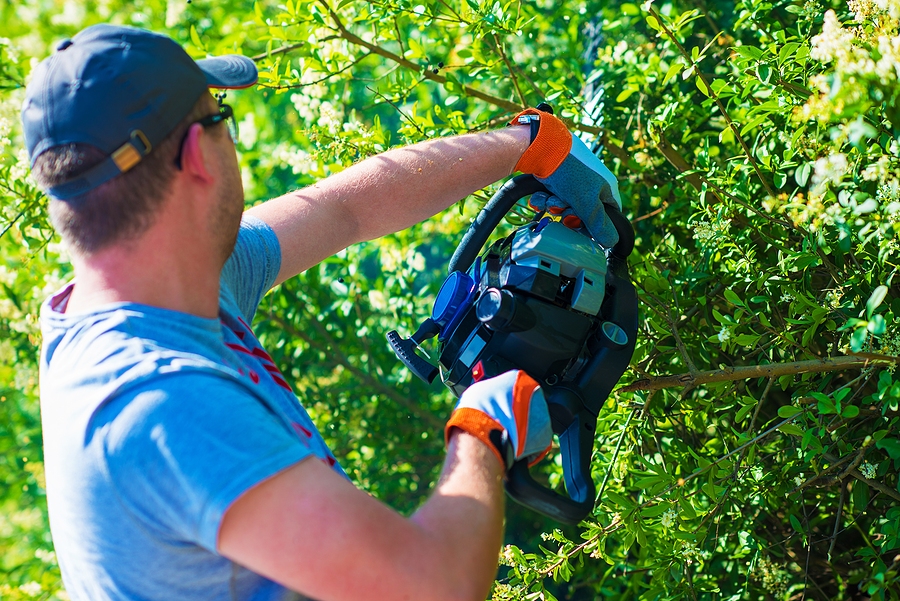
Homeowners and gardeners understand that maintaining a beautiful, well-kept property requires more than just a passion for landscaping—it’s also a necessity for keeping unwanted visitors at bay. We’re not talking about the in-laws; we mean the nuisance wildlife that sees your lush garden and overgrown trees as an invitation to set up shop. In this post, we’ll guide you through effective tree trimming and vegetation control strategies to keep those pesky animals from turning your haven into theirs.

Call 804-292-0156 When You Need a Professional Wildlife Control Company in Richmond VA

The Down Low on Nuisance Wildlife Behavior

Nuisance wildlife, including rodents, raccoons, squirrels, and even birds, are attracted to areas that provide ample food, water, and shelter. Overgrown vegetation and unkempt trees offer all three, making your home the perfect target for these creatures. Recognizing the behaviors and preferences of these animals is the first step in making your property less appealing to them.

Tree Trimming Best Practices

Trimming trees may seem straightforward, but there are best practices to follow to ensure it effectively contributes to wildlife abatement. Here’s what you need to know:

  • Trim Branches Away from Your Home: Ensure that no branches are close enough to act as bridges to your rooftop or windows. Keeping a minimum distance of 6 feet between the ends of branches and your home is advised.
  • Maintain a Healthy Tree Canopy: Regularly remove dead or dying branches, which can attract insects and, consequently, wildlife that feeds on them.
  • Hire Professionals When Necessary: For large trees, or those near power lines, hiring a professional tree trimming service ensures the job is done safely and effectively.

Vegetation Control Techniques

Vegetation control isn’t just about aesthetics; it’s about creating an environment that’s inhospitable to nuisance wildlife. Keep these tips in mind:

  • Keep the Grass Trimmed and the Ground Clear: Tall grass and piles of leaves or debris can provide hiding spots for small animals. Regular lawn care reduces these hiding spots.
  • Use Gravel or Mulch Near the Home’s Foundation: A barrier of gravel or mulch can deter digging and nesting close to your home’s foundation.
  • Plant with Purpose: Certain plants can actually deter wildlife. For instance, marigolds are known to repel rabbits, while garlic can deter deer. Incorporate these into your garden plan if you’re battling specific pests.

The Role of Professional Wildlife Control Services

While DIY methods can be effective for minor issues, sometimes the situation calls for professional help. Professional wildlife control services can offer:

  • Expertise in Humane Removal Techniques: Professionals are trained to remove animals safely and ethically.
  • Long-term Solutions: Beyond removal, professionals can assess your property for vulnerabilities and suggest structural modifications to keep animals out.
  • Peace of Mind: Knowing that your home is protected from wildlife by experts can relieve the stress associated with nuisance animals.

Final Thoughts

Dealing with nuisance wildlife is a multifaceted challenge that requires a comprehensive approach. By understanding the behavior of these animals, implementing best practices in tree trimming, and maintaining controlled vegetation, homeowners can significantly reduce the appeal of their properties to unwanted guests. And, when the situation becomes too challenging to handle alone, don’t hesitate to call in the professionals.

Your home is your sanctuary, not a wildlife refuge. With the right strategies and a bit of effort, you can keep it that way. Now that you’re armed with these pest control tips, we hope you feel empowered to take back your outdoor space and keep it safe from unwelcome furry intruders.

Are you dealing with nuisance wildlife threats around your home or business? Contact Virginia Wildlife Pros at 804-292-0156 for professional wild animal removal and control in Richmond, or its surrounding towns. We serve residential and commercial customers with free quotes, free advice, and quality work.

Related Posts:

Nature in Balance: Ethical Approaches to Wildlife Control
Preventing Animal Infestations: What You Need to Know
How to Choose the Right Animal Removal Company in Virginia

A Symphony of Clues: Sounds and Other Signs of an Animal Infestation

Discovering unexpected guests in your home isn’t akin to a surprise party; these are intruders that can signal massive headaches if not caught early. We’ll be your pest detectives on the trail, identifying the sounds and signs left behind by various critters that are more likely to flee once found than offer a friendly handshake.

If you’ve been hearing things go bump in the night, or perhaps you’ve noticed mysterious droppings in the kitchen, it’s time to investigate. From the tiniest mice to the grandest of raccoons, no space is too small or too large for an animal infestation. Unchecked, these can lead to health hazards, damage to structures, and costly cleanups. Here’s a comprehensive guide to identifying and addressing the pesky critters that might be making themselves all too comfortable in your space.

Call 804-292-0156 for Safe Animal Infestation Removal and Cleanup in Richmond Virginia

The Pitter-Patter of Animal Infestations

The first step to dealing with an animal infestation is recognizing the signs. Some are subtle, while others are as loud and clear as a raccoon raid on your trash cans. Here are the most common ways to detect a wildlife intrusion on or around your property:

Visual Clues

When an animal takes up residence, their habits and trails become the breadcrumbs of their existence. Visual signs, such as chewed wires, gnawed insulation, and burrowed pathways, provide irrefutable evidence. Droppings, tracks, and even sightings themselves are all unmistakable indicators of an infestation.

Even the smallest of creatures like mice and insects leave traces – they are more than footprints, they are calling cards. Rodents create runways and nests in insulation, while larger mammals might breach your home’s exterior for shelter, leaving a gaping entry in their wake.

Sounds You Might Hear

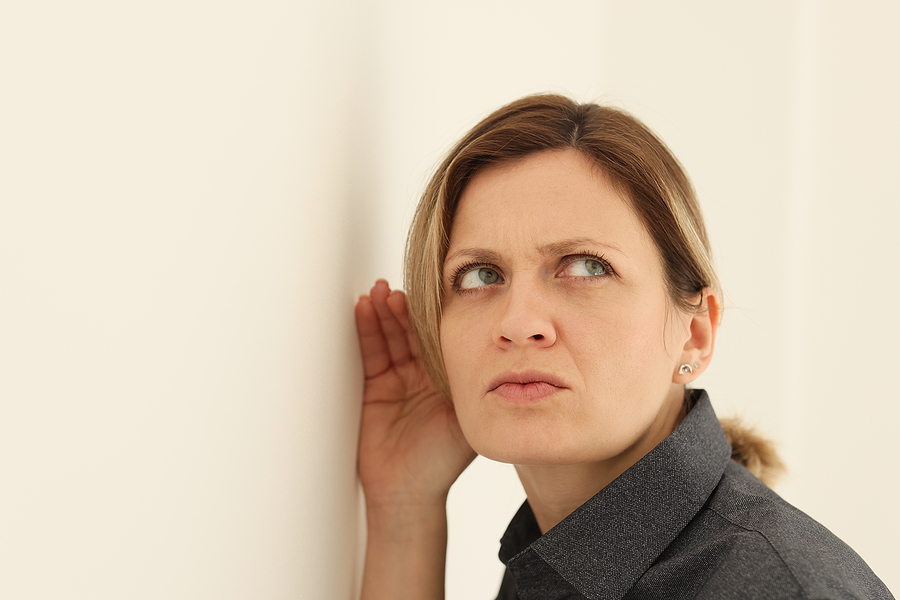
Unlike visual signs that demand your attention, auditory clues can be subtle, and sometimes the challenge lies in distinguishing these foreign sounds from the expected soundtrack of your home. Nocturnal animals stirring during the night, the scurrying of feet in your walls, or relentless scratching can all be telltale signs of an unwanted house guest.

Lingering Odors

The sense of smell should not be dismissed in detection. Animals like bats, who often take refuge in the upper echelons of your home, leave behind musty odors. Other critters, such as rats and squirrels, have a less than pleasant aroma due to their nesting materials and waste.

Common Invaders to Watch Out For

Each type of infestation comes with its own set of sounds and signs. By identifying the specific pest, you can hone your approach to resolution.

Mice and Rats

The first invaders you’re likely to encounter are the veritable champions of infestation – mice and rats. They don’t just confine themselves to the kitchen; these freeloaders set up camp wherever they can find warmth and a ready food source. Their presence is marked by droppings and gnaw marks, and their high-pitched squeaks might be just within your hearing range.

Bats

Bats, nature’s nocturnal navigators, might not make a lot of noise, but they do leave distinctive signs. Their guano accumulates under their roosts and marks them as a flying menace. If you’re unfortunate enough to hear them, it’s often a flutter of activity echoing through the ceiling.

Squirrels

Squirrels, with their affinity for heights, can make the attic seem like a playground. Telltale signs include noises in the attic or walls, chewed wood and wires, storage of food around their nests, and, of course, their easily recognizable chattering echoes.

Raccoons and Larger Mammals

Raccoons are not just crafty; they’re also a force to be reckoned with. Their signs are more akin to vandalism – torn shingles, broken vents, and a general disarray. They are audible from a distance and not particularly furtive about their presence. Skunks and opossums are also common raiders of crawl spaces, porches, and decks.

The Risks of Ignoring a Wild Animal Intrusion

Ignoring the signs of infestation is akin to writing a blank check to future issues. The lack of immediate damage doesn’t equate to no long-term risk; in fact, it might just compound it.

Health Hazards

Pests are not only annoying; they are also carriers of disease. Rats, for example, are historically known carriers of bubonic plague. Their mere presence, never mind contact, poses a threat to public health. Ticks, fleas, and mosquitos are all facilitated by infestations, spreading diseases to humans long after the pests have gone.

Structural Damage

The animals within your walls don’t pay rent but can cost you dearly. Electrical damage by chewing rodents can lead to fires. Structural integrity compromised by nesting can lead to collapses. And these squatters have no regard for a property’s value or condition – they’ll leave behind urine, feces, and a legacy of mess that takes a professional cleanup to remedy.

How to Safely Animal-Proof Your Home

Preventing infestations is often a game of fortification. Securing your home against entry and reducing attractants are the two pillars of a sound pest management strategy.

Securing the Weak Points

Animals are crafty, but they’re not locksmiths. Sealing cracks and gaps, repairing damages to the roof and foundation, and maintaining screens and vents can significantly reduce the chance of unwanted incursions. Routine checks and maintenance are crucial in keeping your home critter-free.

Attractants and Access to Food

A messy household can be an all-you-can-eat buffet for the uninvited. Proper waste management, prompt cleaning of spills, and sealing stored food can remove the allure of your home to pests.

Professional Wildlife Control

DIY approaches have their place, but when an infestation has taken hold, it’s time to call in the experts. Professional wildlife control services are equipped not only to remove the pests but also to advise on preventive measures and, if need be, the restoration of your home.

Summary

Treating an animal infestation isn’t just about getting rid of the culprits – it’s about safeguarding your health, your home, and your peace of mind. Early detection is your best ally, and a proactive approach can save you from dealing with the aftermath of unchecked pest populations.

Don’t wait for the signs to scream out about your infestation; be attuned to the subtle whispers of warning. Take these steps, protect your domain, and ensure pests remain as characters in bedtime stories, rather than living rent-free in your reality.

Looking for a professional approach to dealing with nuisance animal invasions and tampering? Contact Virginia Wildlife Pros at 804-292-0156 for professional wildlife removal and control service in Richmond, Virginia for all types of native species, today.

Related Posts:

Preventing Animal Infestations: What You Need to Know
Understanding Rodents: How to Prevent an Infestation
The Importance of Professional Wildlife Removal and Control Service

Unmasking the Culprits: Common Diseases Affecting Virginia’s Wildlife

Virginia’s diverse wildlife, from the majestic white-tailed deer to the elusive bobcat, are more than just inhabitants of our natural landscapes, they are integral parts of our state’s ecosystem. However, their survival is increasingly threatened by the spread of diseases like Rabies virus and Leptospirosis.

In this blog post, we will unmask the culprits behind these diseases, delving into their causes, symptoms, modes of transmission, and the impact they have on Virginia’s wildlife. Understanding these diseases is the first step to ensure the health and longevity of our state’s precious wildlife inhabitants.

Call 804-292-0156 for Licensed Animal Removal Service in Richmond Virginia

Common Wildlife Diseases in Virginia

Rabies Virus

Rabies is a highly infectious and deadly disease that affects Virginia’s wildlife, as well as domestic animals and humans. The virus is primarily transmitted through the bite of an infected animal but can also be spread through contact with saliva or nervous tissue of an infected animal. In Virginia, the most common carriers of rabies are raccoons, skunks, bats, and foxes. Many wrongly assume that opossums have Rabies, but they are not common carriers of the virus.

▶ Symptoms

The symptoms of rabies in wildlife can vary, making it difficult to identify. Some signs to look out for include disorientation, aggression, paralysis, and changes in behavior. Animals infected with the virus may also have difficulty walking or flying and may exhibit excessive salivation. These symptoms are caused by the virus attacking the nervous system, eventually leading to death.

▶ Impact on Wildlife

Rabies is a serious threat to Virginia’s wildlife population. It not only causes suffering and death in infected animals but also has a significant impact on the ecosystem. As predators become sick or die from the virus, there is a disruption in the natural balance of prey and predator populations. This can have cascading effects on the entire ecosystem, leading to potential imbalances and even extinction of certain species.

Leptospirosis

Leptospirosis is a bacterial disease that affects both humans and animals. It is caused by the bacteria Leptospira and can be transmitted through contact with contaminated water, soil, or infected animals. In Virginia, raccoons and skunks are the most common carriers of the bacteria.

▶ Symptoms

Symptoms of leptospirosis in wildlife may include fever, muscle pain, vomiting, and diarrhea. Like rabies, these symptoms can be difficult to identify as they vary from species to species. In severe cases, the disease can cause organ failure and death.

▶ Impact on Wildlife

Leptospirosis can have devastating effects on Virginia’s wildlife population. Infected animals may experience reduced fertility, birth defects, and chronic health issues. The bacteria can also contaminate water sources, posing a threat to other wildlife and domestic animals that rely on these resources for survival.

Roundworm and Other Parasites

While rabies and leptospirosis may be the most well-known diseases affecting Indiana’s wildlife, there are also several parasites that can have significant impacts on their health. For example, roundworms can infect raccoons and cause neurological issues, leading to disorientation and death. Additionally, ticks can transmit diseases like Lyme disease to animals, causing serious health problems.

Canine Distemper

Another disease that poses a threat to Virginia’s wildlife is canine distemper. This viral disease primarily affects canines but can also infect other animals, including raccoons, skunks, and foxes. Symptoms can include fever, nasal discharge, and neurological issues. Distemper is highly contagious and can lead to death in infected animals.

Conclusion

As we continue to share our environment with Virginia’s diverse wildlife, it is crucial to understand the threats they face, including diseases like rabies, leptospirosis, and others. By learning about these illnesses, we can take necessary precautions to prevent their spread and protect our state’s wildlife population. Let us all do our part in preserving the beauty and diversity of Virginia’s natural habitats for generations to come. So next time you see a wild animal, remember they are more than just creatures of the wilderness, they are our fellow inhabitants who deserve to live healthy and thriving lives. 

Are you dealing with nuisance wildlife threats around your home or business? Contact Virginia Wildlife Pros at 804-292-0156 for professional animal removal and control in Richmond, or its surrounding towns. We serve residential and commercial customers with free quotes, free advice, and quality work.

Related Posts:

Bracing for Winter: Your Guide to Animal-Proofing in Virginia
Nature in Balance: Ethical Approaches to Wildlife Control
The Importance of Professional Wildlife Removal and Control Service

Bracing for Winter: Your Guide to Animal-Proofing in Virginia

As temperatures begin to drop in Virginia, many of our wildlife friends start their search for warmth, often leading them directly into our homes. While these uninvited guests may seem harmless, they can cause considerable damage and pose potential health risks.

This blog post aims to arm you with knowledge and practical steps for effective animal-proofing this winter. We’ll delve into key strategies for wildlife control and help you winterize your home against these furry intruders. So, let’s brace for winter and ensure our homes remain a safe sanctuary for our families, not for wildlife.

Call 804-292-0156 for Safe Animal Proofing Service in Richmond VA

Understanding Animal Proofing

Animal proofing is the process of securing your home against unwanted animal entry, particularly during winter. It involves identifying potential entry points and taking preventative measures to keep wildlife out. Effective animal-proofing also includes deterring animals from seeking shelter in or around your property.

Why is it Important to Animal-Proof?

As temperatures drop, wild animals seek warmth and shelter, often finding their way into our homes. This can result in damage to property, such as chewed wires and insulation, causing potential fire hazards. It also poses a health risk as wild animals can carry diseases and parasites that can be transmitted to humans and pets. Additionally, if an animal gets trapped inside your home, it may cause further damage or struggle to escape, resulting in injury or death. Therefore, animal-proofing is crucial for the safety and well-being of both your home and family.

Wildlife Control Strategies

Seal Entry Points: Conduct a thorough inspection of your home’s exterior and seal any gaps or cracks that could serve as entry points for animals, such as around windows, doors, vents, and utility lines. Use sturdy materials like steel mesh to cover larger openings.

Secure Garbage Bins: Wild animals are attracted to food sources, so ensuring your garbage bins have tight-fitting lids will help prevent them from making a mess and being drawn to your property.

Install Chimney Caps and Screens: Chimneys provide easy access for animals looking for warmth, nesting spots, or food. Install a chimney cap and screen to keep animals out without obstructing airflow.

Trim Trees and Shrubs: Overhanging tree branches or dense shrubbery can provide an easy route for wildlife to enter your home. Keep them trimmed to discourage animal activity near your house.

Use Animal-Repellent Techniques: There are various natural remedies and deterrents that can discourage animals from entering your property. These include sprinkling cayenne pepper around entry points, using ammonia-soaked rags, or playing loud music in areas prone to animal activity.

Winterizing Your Home Against Wildlife

In addition to the strategies mentioned above, there are specific steps you can take to winterize your home and make it less appealing to animals:

▶ Store firewood away from your home’s exterior to avoid attracting rodents.

▶ Keep bird feeders at least 12 feet away from your house and regularly clean up any spilled seeds or nuts.

▶ Install weather stripping around windows and doors to prevent drafts that could attract animals seeking warmth.

▶ Inspect and seal any gaps in your attic, crawlspace, or basement to prevent wildlife from nesting or taking shelter.

▶ Keep your property clean and free of debris, as clutter can provide hiding spots for animals.

What to Do If You Encounter a Wild Animal

Despite our best efforts, sometimes wild animals may still find their way onto our properties or even into our homes. In such cases, it’s essential to remember that these animals are not malicious and are often just looking for warmth and shelter. Here’s what you can do if you encounter a wild animal:

Stay Calm: Avoid panicking or making sudden movements that may startle the animal.

Give Them Space: Keep a safe distance from the animal and try to give them an escape route.

Contact Professionals: If you feel uncomfortable or unsure, contact an animal removal company to handle the situation safely.

Conclusion

Animal-proofing your home is crucial for protecting both your property and family from potential damage and health risks. By following the strategies and tips outlined in this guide, you can effectively bracing for winter and make your home less appealing to wild animals. Remember, it’s our responsibility to coexist with wildlife peacefully, and by taking preventative measures, we can do just that.

If you’re looking for a safe, effective, and humane solution to your winter wildlife control needs, get in touch with us today! Our team of experts at Virginia Wildlife Pros can help you find the best wildlife removal and control solution that fits both your budget and your ethical standards. Together we can maintain Nature in Balance. Contact us at 804-292-0156 for a free quote.

Related Posts:

Wildlife Control Tips for the Winter Season
What To Do When You Find a Dead Animal in Your Home
Preventing Animal Infestations: What You Need to Know

Nature in Balance: Ethical Approaches to Wildlife Control

As we increasingly encroach upon natural habitats, human-wildlife conflicts have become a routine affair. Wildlife control is an inevitable part of our coexistence with animals, but its execution often falls short of ethical standards.

In this blog post, we explore responsible and humane methods for wildlife control, with a focus on wild animal removal and the use of animal repellents. We aim to shed light on practices that maintain a balance in nature, ensuring the safety of both humans and the animals we share our planet with. Join us as we delve into the intersection of ethics, wildlife preservation, and human safety.

Call 804-292-0156 for Licensed Wildlife Control in Richmond Virginia

How Does Wildlife Control Work?

Wildlife control is a blanket term that encompasses efforts to keep wildlife away from human habitats. Depending on the species in question, these measures usually involve either repelling or removing animals. Animal repellents are substances designed to encourage an animal to leave its current location and move elsewhere. Examples of common animal repellents include bird scarers, ultrasonic devices, chemical sprays, and physical barriers.

In some cases, wildlife control can involve the removal of animals from an area where they’re not welcome. This is typically done by a professional wild animal removal service that specializes in trapping and relocating animals to their natural habitat or a protected reserve. However, animal relocation should always be seen as a last-resort option, as it can cause unnecessary stress to the animal in question.

Common Types of Nuisance Wildlife in Virginia

Virginia is home to a wide variety of animals, many of which can become nuisances if they start living too close to human habitation. Some common examples of nuisance wildlife in Virginia include raccoons, skunks, moles, squirrels, foxes, bats, opossums, mice, and rats. When faced with any of these species near your home or business, it’s important to take proper action.

Why is Ethical Wildlife Control Important?

Critter control should never be taken lightly, as its success or failure will affect both humans and animals. Many of the methods used for wildlife abatement—such as chemical sprays and traps—can potentially result in injury or death to the animal in question. Furthermore, when done improperly, wildlife control can actually increase the chances of human-animal conflicts by driving animals away from their natural habitats and into populated areas.

In order to ensure both the safety of humans and animals, animal removal and control must be approached with a comprehensive ethical framework in mind. This means considering methods that prioritize humane solutions which minimize or eliminate harm to animals.

What Are Some Humane Methods of Wildlife Control?

Fortunately, there are a variety of humane methods available for wildlife management and control that can be used to keep both humans and animals safe. For example, physical barriers (such as fences) can be installed around areas where wild animals may attempt to enter human habitats. This method keeps both people and animals out of harms’ way, while still allowing the animal to remain in its natural environment.

In addition to physical barriers, certain animal deterrents can also be used as a humane means of wildlife control. For example, ultrasonic devices emit sound waves at frequencies that are only audible to animals and can be used to scare off certain species without causing any lasting harm. Similarly, certain bird control methods such as falconry and laser bird scares can be used to keep birds away without causing them any distress.

In Conclusion

Ultimately, when it comes to wildlife control, the most important factor is to ensure that the solution chosen is both effective and humane. By following an ethical framework in our approach to wildlife control, we can ensure a balance between human safety and animal rights.

If you’re looking for a safe, effective, and humane solution to your wildlife control needs, get in touch with us today! Our team of experts at Virginia Wildlife Pros can help you find the best wildlife removal and control solution that fits both your budget and your ethical standards. Together we can maintain Nature in Balance. Contact us at 804-292-0156 for a free quote.

Related Posts:

The Importance of Professional Wildlife Removal and Control Service
Preventing Animal Infestations: What You Need to Know
What To Do When You Find a Dead Animal in Your Home

5 Proven Homemade Animal Repellent Recipes

Animals can be a nuisance, especially when they come too close to your home or garden. But don’t worry, you don’t need to use dangerous chemicals or traps to keep them away – there are plenty of non-toxic repellent recipes that you can make yourself! Here we’ll share five proven homemade animal repellent recipes that will help you repel animals from your property without harming them in the process. So, let’s get started and explore how these natural solutions can help protect your home and garden!

Call 804-292-0156 for Safe and Humane Animal Repellent Services in Richmond Virginia

Non-Toxic Animal Repellent You Can Make at Home

1. Garlic and Onion Repellent: This all-natural solution is made from two ingredients – garlic and onion. Simply mix 1/4 cup of garlic or onion powder with 4 cups of water and spray the mixture around your property to repel animals. If you’d prefer a stronger solution, add a few tablespoons of cayenne pepper to the mix!

2. Egg-and-Milk Repellent: This non-toxic repellent works by producing an aroma that animals do not like. To make it, mix one raw egg with one cup of milk in a blender until it is smooth, then pour into a garden sprayer and apply it around your property. The smell should last for up to a week and keep animals away.

3. Hot Stuff Repellent: This animal repellent is made from cayenne pepper or capsaicin oil, as well as water and dish soap. To make it, mix 1/4 cup of hot stuff (you can also just use hot sauce) with 4 cups of water and add a few drops of liquid dish soap to the solution. Spray this mixture around your property as needed – the pungent odor should repel animals!

4. Coffee Grounds Repellent: If you have coffee grounds left over in the morning, why not put them to good use? Simply spread used coffee grounds around your property to repel animals – they don’t like the smell of coffee!

5. Ammonia-and-Soap Repellent: This repellent works by releasing a strong odor that animals find unpleasant. To make it, mix one cup of ammonia and one cup of dish soap in a container or spray bottle. Apply the solution around your property – the smell will repel animals and keep them away!

BONUS RECIPE:
Putrescent Egg Repellent – You can also try putrescent egg crumbles, which resemble the odor of a dead carcass to other animals. Wildlife will stay away from a dead animal to protect themselves from whatever danger the carcass may have fallen victim to.

Get Rid of Nuisance Animals For Good!

With these five science-backed homemade animal repellent recipes, you can now effectively protect your home and garden without harming any animals in the process. So, give these natural solutions a try and enjoy the peace of mind knowing that your property is safe from unwanted pests!

Try Professional Animal Removal and Control

When it comes to dealing with nuisance animals on your property, hiring a professional wildlife control company in Richmond is always the best option. While it may be tempting to try to handle the situation on your own, wildlife removal service providers have the knowledge and experience to safely and effectively remove the animals without causing harm to anyone involved. They are also equipped with the proper tools and techniques to prevent future infestations from occurring.

Additionally, professional animal removal and control companies are licensed and insured, giving you peace of mind knowing that any unexpected incidents will be covered. So, why choose a professional wildlife control service? Because it’s the smart choice for a safe and effective solution to any wildlife-related issues on your property.

Can’t seem to repel nuisance animals in the yard no matter which recipe you try? Reach out to Virginia Wildlife Pros at 804-292-0156 for wildlife removal and control service in Richmond, Virginia, and surrounding areas. We serve residential and commercial customers with comprehensive mice and rat removal solutions at affordable prices. Request a free quote, today!

Related Posts:

Preventing Animal Infestations: What You Need to Know
The Importance of Professional Wildlife Removal and Control Service
How to Choose the Right Animal Removal Company in Virginia

How to Choose the Right Animal Removal Company in Virginia

Are you in need of an animal removal company in Virginia? If so, it’s important to choose the right one for your needs. Not all companies offer the same services or have the same experience and expertise. To help you make an informed decision, here are some tips on how to choose a reputable wildlife control and removal service provider.

From what questions to ask before hiring them to understanding their methods of operation, this guide will give you all the information necessary to make sure that your home is safe from unwanted critters.

Call 804-292-0156 When You Need a Professional Animal Removal Company in Richmond VA

Tips for Finding a Reliable Virginia Animal Removal Service Near You

Start With Online Research

First, research the wildlife control and animal removal companies in your area. Before you hire any company, make sure they are licensed and insured to do business in Virginia so that your home is fully protected. Ask them about their experience with different types of animals, as well as what methods of capture and relocation they use. If possible, inquire if they have specific knowledge on the local species of wildlife you may be dealing with.

Ask About References

Also ask for references from past customers who can attest to the quality of services provided by the particular animal removal company. An established track record speaks volumes about a business’s commitment to its work and credibility in the industry. Furthermore, make sure that their pest management solutions comply with Virginia state laws for wildlife control and removal.

Ask About Pricing and Insurance Work

In addition to checking the credentials of potential animal removal companies, inquire about their pricing scheme. Some may offer more affordable rates but use outdated or unsafe methods that can jeopardize your home’s safety. Others might have higher prices but could guarantee a successful removal experience with a long-term solution.

Aim for More Amenities

Finally, look for a company that offers follow-up services after the active infestation has been eradicated. This is an important part of making sure that any future problems are addressed swiftly to prevent further damage to your property. A reputable animal control company should provide you with inspections and advice on how to keep pests out in the future as well.

Conclusion

By taking these steps, you’ll be able to find an animal removal company in Virginia that meets your needs. With the right provider on your side, you can rest assured that any unwanted creatures will be eliminated quickly and safely from your premises.

Common Types of Nuisance Wildlife in Virginia:

Raccoons – Raccoons are one of the most common types of nuisance wildlife in Virginia. They are often seen rummaging through trash cans or raiding bird feeders. Raccoons can also be a nuisance if they take up residence in your attic or crawlspace. While they may seem cute, raccoons can carry diseases such as rabies and should not be handled.

Squirrels – Squirrels are another common type of nuisance wildlife in Virginia. They are often seen chasing each other around trees or digging through gardens. Squirrels can also be a nuisance if they take up residence in your attic or crawlspace. While they may seem cute, squirrels can carry diseases such as rabies and should not be handled.

Opossums – Opossums are another common type of nuisance wildlife in Virginia. They are often seen rummaging through trash cans or raiding bird feeders. Opossums can also be a nuisance if they take up residence in your attic or crawlspace. While they may seem cute, opossums can carry diseases such as rabies and should not be handled.

Snakes – Snakes are another common type of nuisance wildlife in Virginia. They are often seen sunning themselves on rocks or swimming in ponds and streams. Snakes can also be a nuisance if they take up residence in your home or yard. While some snakes are harmless, others can be venomous and should not be handled without proper training and equipment.

Are you interested in a professional solution for getting rid of bothersome critters and rodents in Old Dominion? Contact Virginia Wildlife Pros at 804-292-0156 for licensed and insured wildlife removal and control in Richmond and beyond. We serve residential and commercial customers with comprehensive critter control and animal removal solutions at affordable prices. Request a free quote, today!

Related Posts:

Dealing with Nuisance Opossums in Your Yard: What You Need to Know
An Overview of Snake Species in Virginia
How to Choose the Right Company for Raccoon Removal Services

How to Determine If a Groundhog Is Causing Damage on Your Golf Course

Groundhogs, also known as woodchucks or whistle pigs, are a common nuisance on public and private golf courses around Virginia. They can cause extensive damage to both greens and fairways, affecting play-ability, aesthetics, function, and value. Their destruction can also jeopardize the health of trees, which also poses several safety hazards. But how do you know if groundhogs are causing problems at your golf club?

Continue reading to learn what you need to know about identifying signs of groundhog activity and controlling them in order to protect your golf course from further damage.

Call 804-292-0156 for Groundhog Removal in Richmond Virginia

How Nuisance Groundhogs Damage Golf Courses

The most obvious sign of groundhog damage is the presence of their burrows. Groundhogs dig complex networks of tunnels and holes, which can cause uneven playing surfaces and disrupt turf growth. You may also notice mounds of dirt or grass clippings around the edges and entrances to their burrows. In addition, you may spot one or more groundhogs in the vicinity if they’ve taken up residence at your course.

Groundhogs are herbivores that prefer fresh vegetation such as young shoots, grasses, and weeds; they will also feed on nuts, berries, fruits, and even insects. To determine if a groundhog has recently been feeding on your course, look for patches of dead or dying grass, uneven edges on the greens, or areas where the grass is shorter than its surroundings.

Common Signs of Groundhog Activity

1. Holes

One of the most common signs of groundhog activity is holes. Groundhogs are burrowing animals, and they will often create multiple holes in an effort to find a suitable place to live. If you see a hole in your yard that wasn’t there before, it’s likely that a groundhog made it.

2. Damage to Plants

Another common sign of groundhog activity is damage to plants. Groundhogs are herbivores, and they will often eat the leaves and stems of plants. This can damage the plant and make it more difficult for it to grow. If you see damaged plants near your fairways or recreational areas, it’s likely that a groundhog is responsible.

3. Tracks

Another sign of groundhog activity is paw tracks. Groundhogs are relatively large animals, and their tracks can be easily seen in soft mud or dirt. If you see tracks anywhere on your club’s property, it’s likely that a groundhog made them.

4. Droppings

Another sign of groundhog activity is droppings. Groundhogs are mammals, and they produce waste just like any other mammal. If you see small piles of waste on the course, it’s likely that a groundhog left them there.

Get Rid of Groundhogs Safely and Humanely

It’s important to take action when you detect groundhog activity on your golf course. Without proper management and control, groundhogs can cause significant damage that may be expensive to repair. The best way to get rid of groundhogs is with a combination of methods such as trapping, habitat modification, and repellents. Professional Richmond wildlife removal services are the best choice you can make when you need assistance controlling the local groundhog populations surrounding your golf course.

By taking proactive steps now, you can ensure your golf course remains playable and aesthetically pleasing throughout the season. Remember: if groundhogs are causing problems at your course, use these tips to identify their activity and consider groundhog control as soon as possible. With the right approach, your course will be safe and enjoyable for everyone who plays there.

Tired of dealing with nuisance groundhogs at your golf club? Don’t hesitate to get in touch with Virginia Wildlife Pros at 804-292-0156 for groundhog removal service in Richmond and its surrounding towns, today. We are fully licensed, insured, and equipped to help you protect your golf course from further damage caused by woodchucks and other pests. Request a free estimate or advice, anytime.

Related Posts:

Preventing Animal Infestations: What You Need to Know
The Importance of Professional Wildlife Removal and Control Service
The Benefits of Professional Squirrel Control Services

The Benefits of Professional Squirrel Control Services

Having squirrels on your property can be a real nuisance. Not only are they noisy and destructive, but they can also spread disease and ruin gardens or crops. If you’re dealing with an infestation of squirrels, one of the best solutions is to hire a professional squirrel control service. Professional trappers understand how to safely remove these animals from your home or business without harming them in any way.

Below you will find some of the key benefits that come with hiring a professional for squirrel removal services.

Call 804-292-0156 for Licensed Squirrel Removal in Richmond Virginia.

Why You Should Hire a Pro to Get Rid of Squirrels

Safety: A professional squirrel control service has the expertise and experience to handle these animals safely. They will not only capture the squirrels humanely but also ensure that they are released in an appropriate area away from your property. This ensures that your family, pets, and even the squirrels stay safe throughout the process.

Efficiency: Professional squirrel trappers understand the behavior of these animals and have the tools necessary to quickly eliminate a squirrel infestation. This ensures that you won’t have to worry about continuous damage or noise from the animals for very long.

Cost Savings: Hiring a professional squirrel control service can save you money in the long run as you won’t have to worry about the damage these animals can do to your property, such as chewing through wiring or insulation. Additionally, professionals will be able to identify any potential entry points that need to be sealed so that the squirrels don’t return.

Expertise: Professional squirrel removal services are experts in this field of work and can provide valuable insight into the behavior of these animals. This includes understanding where they nest, their habits, diet, potential health risks associated with them, and more.

Peace Of Mind: Professional squirrel control services will give you peace of mind that your home or property is safe from these pesky critters. Knowing that a professional has the skills and experience to handle this issue will provide you with greater confidence that your family and property is safe.

Squirrel Removal and Control Service in Richmond VA

If you’re dealing with a squirrel infestation on your property, don’t hesitate to contact a Richmond VA squirrel removal and control service. They have the expertise and experience necessary to safely eliminate the problem while protecting both your family and the squirrels. With their help, you can enjoy a peaceful and safe environment free from these pesky critters.

Are pesky squirrels wreaking havoc on your property this season? Contact Virginia Wildlife Pros at 804-292-0156 for safe and humane squirrel removal in Richmond and surrounding counties. We offer extraction, exclusion, cleanup, and repair for residential and commercial clients.

Related Posts:

The Importance of Professional Wildlife Removal and Control Service
Wildlife Control Tips for the Winter Season
Preventing Animal Infestations: What You Need to Know