Virginia Beaver Dam Removal: Laws, Problems, and Solutions

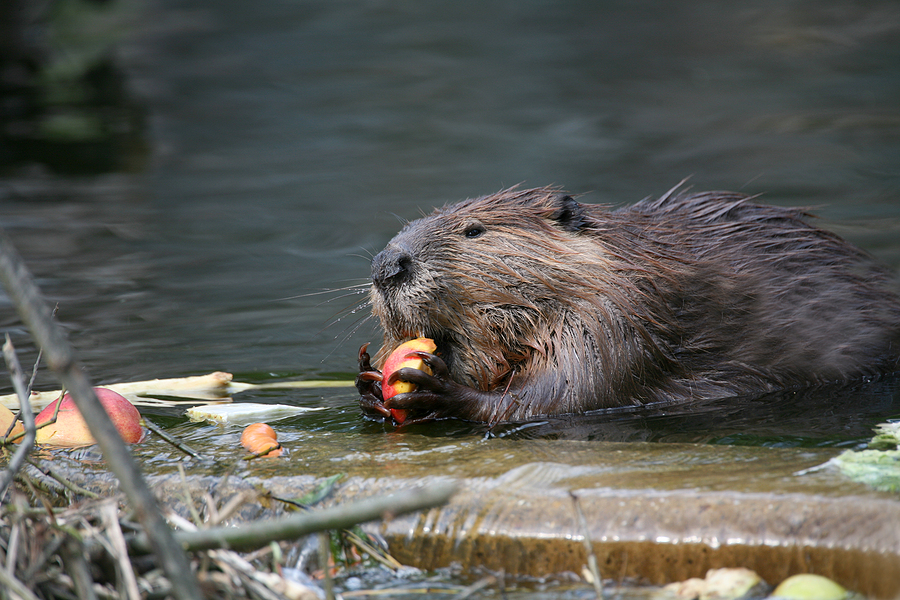
A beaver dam is a marvel of natural engineering, capable of transforming a trickling stream into a thriving wetland ecosystem. But when that transformation happens in your backyard, threatening your septic system or flooding your driveway, admiration quickly turns to frustration. For Virginia property owners, beavers are a complex challenge—balancing their ecological benefits with the very real damage they cause to timber, crops, and infrastructure requires a strategic approach.

Understanding how to manage these industrious rodents is crucial for protecting your property. It isn’t just about removing a dam; it’s about navigating Virginia’s specific wildlife laws, understanding water flow, and choosing the right mitigation technique for your landscape.
Call 804-292-0156 for Professional Beaver Trapping and Removal in Richmond Virginia

Why Do Beavers Build Dams?

Beavers don’t build dams to annoy homeowners; they build them for survival. As large, awkward rodents on land, beavers are vulnerable to predators like coyotes and bears. In the water, however, they are graceful and fast. By damming a stream, they create a deep-water pond that serves two primary purposes:

  • Protection: The pond acts as a moat around their lodge, providing a safe underwater entrance that predators cannot access.
  • Food Storage: The deep water allows them to store food caches (branches and logs) underwater, ensuring they have access to nutrition even when the surface freezes during a Virginia winter.

Understanding this biological drive is key to management. If you remove a dam without addressing the beaver’s need for deep water, they will almost certainly rebuild it—often overnight.

Common Problems Caused by Beaver Dams

While beaver ponds can attract ducks and filter pollutants, the location of the dam often puts it in direct conflict with human land use.

  • Flooding: This is the most immediate threat. Rising water levels can submerge roads, driveways, and basements. In agricultural areas, it can saturate fields, making them unfarmable.
  • Septic System Failure: If a beaver pond raises the local water table, it can flood septic drain fields, leading to costly repairs and health hazards.
  • Timber and Tree Loss: Beavers are notoriously destructive to trees, both by chewing them down for construction and by drowning root systems through flooding.
  • Road Instability: When beavers block culverts (a favorite spot because the constriction makes damming easy), the resulting water pressure can wash out roads entirely.

Virginia Laws on Beaver Dams and Removal

Before you drag a hook out to the creek, you must understand the legal landscape. Virginia has specific regulations governing both the animals and the water bodies they alter.

Is a Permit Required to Remove a Dam?

Generally, beaver dams themselves are not a regulated resource by the Virginia Department of Wildlife Resources (DWR) and can be removed or altered without a permit from the DWR. However, this comes with a major caveat: Wetland and Stream regulations.

Altering a dam often involves excavation or changing the flow of a stream, which may fall under the jurisdiction of the Virginia Department of Environmental Quality (DEQ). State law requires a Virginia Water Protection (VWP) permit before disturbing a wetland or stream by clearing, filling, or excavating. Before removing a large established dam, it is wise to consult with DEQ or the U.S. Army Corps of Engineers to ensure you aren’t violating federal or state wetland laws.

Rules for Managing the Beavers

Removing the dam doesn’t remove the problem if the beaver remains. In Virginia, the beaver is classified as a nuisance species.

  • No Relocation: Moving live beavers to another area is strictly prohibited under Virginia Code. This prevents the spread of diseases and ensures you aren’t just dumping your problem onto a neighbor or public land.
  • Lethal Control: Landowners may kill beavers or have them killed if they are causing damage to crops, lands, or property. A “kill permit” is not required from the DWR for landowners addressing damage, though local ordinances regarding firearms and trapping still apply.
  • Trapping Seasons: There is a continuous open trapping season in specific localities, including Arlington, Fairfax, Henrico, Loudoun, and Prince William counties. In other areas, the regulated season typically runs from December through February.

Request a Free Beaver Removal & Control Assessment

Mitigation Techniques: Non-Lethal Options

If you want to coexist with beavers without losing your property to flooding, “flow devices” are the gold standard. These ingenious systems trick beavers into letting water flow through their dams.

Pond Levelers (The “Clemson” Leveler)

A pond leveler is a pipe system installed through the dam. The intake end of the pipe is submerged upstream and protected by a cage.

  • How it works: Beavers rely on the sound and feel of rushing water to detect leaks. By placing the intake far upstream and underwater, the pond leveler silences the flow. The beaver doesn’t realize the dam is leaking, and the water level remains at a manageable height set by the pipe.
  • Best for: Free-standing dams in streams or creeks.

Beaver Deceivers and Culvert Fences

Culverts are magnets for beavers because the road has already done most of the work for them. A “Beaver Deceiver” is a trapezoidal fence built around the upstream opening of a culvert.

  • How it works: It forces the beaver to build their dam further away from the culvert entrance, where the current is weaker and the dam is wider. This usually discourages them enough to move on, or allows water to flow through the fence even if they build against it.

Exclusion Fencing

To save individual trees, wrap them in hardware cloth or heavy wire mesh.

  • Specification: The mesh should extend at least 30 inches (preferably 4 feet) high to account for snow or standing beavers. Leave a few inches of space between the mesh and the trunk to allow the tree to grow.

DIY vs. Professional Help

Can you handle beaver management yourself? It depends on the scale of the problem.

DIY is appropriate when:

  • You are wrapping trees to prevent chewing.
  • You are clearing small, newly formed debris in a culvert (with safety precautions).
  • You are comfortable with and licensed for trapping (during season).

Call a Professional when:

  • The dam is large: Releasing a large volume of water suddenly can cause downstream flooding and sedimentation, leading to legal liability and environmental damage.
  • Trapping is required: Professional trappers understand how to avoid non-target species and handle the animals humanely and legally.
  • Installing flow devices: Devices like the Clemson Leveler require precise engineering. If the intake isn’t deep enough or the pipe isn’t sized correctly, the system will fail.

Beaver Control and Preventative Maintenance

The best way to deal with a beaver dam is to prevent it from being built in the first place.

  • Alter the Habitat: Remove preferred food sources (willow, aspen, sweetgum) from the immediate shoreline. Replace them with less desirable species like pine.
  • Electric Fencing: Low-voltage electric tape strung near the water’s edge can deter beavers from coming ashore to forage.
  • Regular Monitoring: Walk your creek lines regularly. It is much easier to discourage a beaver by breaking up a “starter dam” of mud and a few sticks than it is to remove a massive established structure.

Restoring Balance to Your Property

Managing beaver conflicts is rarely a one-time event; it is an ongoing process of monitoring and maintenance. Whether you choose to install a flow device to coexist with your aquatic neighbors or opt for removal to protect critical infrastructure, acting within Virginia law is essential. If you are facing a severe blockage or extensive flooding, don’t wait until the damage is irreversible.

Is a beaver dam threatening your property? Our licensed wildlife control experts specialize in humane beaver removal and dam management in Richmond and the surrounding counties. We can help you navigate the regulations and restore your property’s safety. Contact Us Today for a free estimate.

Call Now to Schedule

Related Post: Beavers Begone: Strategies for Safe and Effective Beaver Removal
Dead Animal Pickup in Richmond, VA: Who to Call

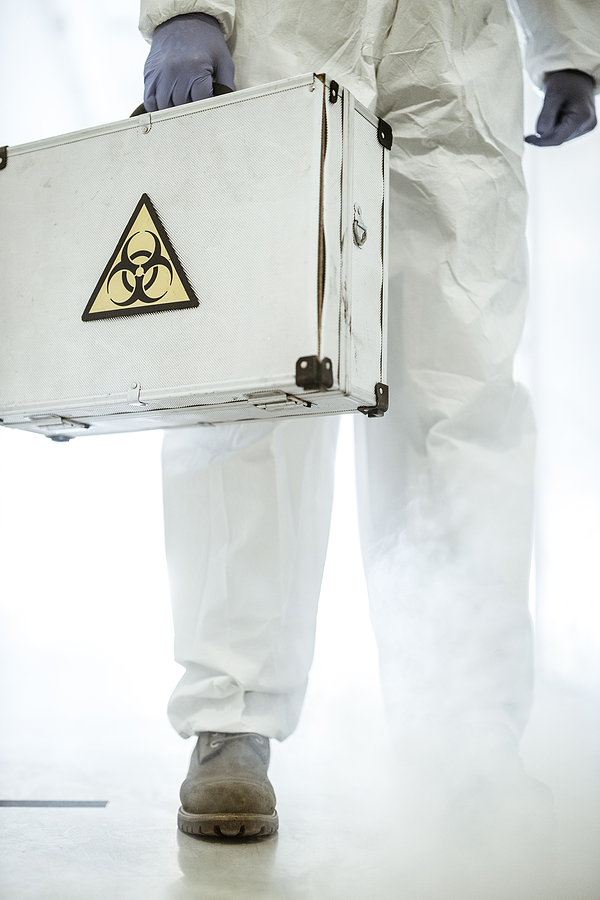
Discovering a dead animal on or near your property can be distressing. Beyond the unpleasant sight and smell, it poses significant health and safety risks. A deceased animal can attract pests, spread diseases, and create an unsanitary environment for you and your family. Understanding how to handle this situation correctly is crucial for maintaining a safe and healthy home.

This guide will walk you through the proper steps for dead animal removal in Richmond, Virginia. We’ll cover common scenarios you might face, explain who to contact for assistance, and provide tips to help prevent animals from dying on your property in the first place. Knowing the right course of action ensures the issue is resolved quickly, safely, and humanely.

Dead Animal Pickup in Richmond Virginia

Common Scenarios for Animal Removal

Residents in Richmond may encounter a dead animal in several different situations. The location of the animal often determines who is responsible for its removal.

Animals on Public Roads and Sidewalks

It is unfortunately common to see deceased animals, such as deer, raccoons, or opossums, on public roads or sidewalks after being struck by vehicles. These animals create traffic hazards and public health concerns, requiring prompt removal by city authorities.

Animals in Your Yard or on Private Property

Finding a dead animal in your yard, whether it’s a squirrel, bird, or even a neighborhood pet, is another frequent occurrence. While it’s on your property, the responsibility for removal can sometimes be confusing. Depending on the animal and its exact location, you may need to handle it yourself or call for professional help.

Animals Inside Your Home

The most unsettling scenario is discovering a dead animal inside your home, such as in the attic, walls, or basement. This often happens when rodents or other wildlife find their way inside seeking shelter and become trapped. The resulting odor and potential for contamination make this an urgent issue that typically requires professional wildlife control services.

Who to Call for Dead Animal Pickup

In Richmond, VA, your options for dead animal removal depend on where the animal is located. Here is a breakdown of who to contact for help:

Richmond City Services

For dead animals located on public property, such as roads, sidewalks, and city parks, the City of Richmond provides removal services.

Richmond Animal Care and Control (RACC)

The RACC is the primary contact for deceased domestic animals (like dogs and cats) on public land. They work to identify the animal and notify the owner if possible.

  • Contact: You can reach the RACC at (804) 646-5573.
  • Hours: They operate seven days a week, but response times may vary.

Department of Public Works (DPW)

The DPW handles the removal of dead wild animals from public roads and rights-of-way. This includes animals like deer, raccoons, and squirrels.

  • Contact: Report issues through the RVA311 system by calling 3-1-1 or (804) 646-7000, or by using the RVA311 online portal or mobile app.
  • Hours: Service requests are typically addressed during standard business hours, Monday through Friday.

It’s important to provide a precise location when you make a report to ensure a swift response.

Private Wildlife Removal Companies

If the dead animal is on your private property, you are generally responsible for its removal. While you can handle it yourself, it is often safer and more effective to hire a professional wildlife control company. These companies are equipped to safely remove and dispose of the animal, as well as decontaminate the area to eliminate health risks. When choosing a private company, look for one that is licensed, insured, and has experience with humane and sanitary removal practices.

Schedule a Wildlife Control Inspection Right Now 📅

How to Prevent Animals on Your Property

Taking proactive steps can reduce the likelihood of animals dying on or near your property. Prevention is the most effective way to avoid the stress and expense of removal.

  • Secure Trash Cans: Use trash cans with tight-fitting lids to keep animals from rummaging for food.
  • Eliminate Food Sources: Do not leave pet food outside overnight, and clean up fallen fruit or seeds from bird feeders.
  • Seal Entry Points: Inspect your home’s exterior for cracks, holes, or gaps. Seal any potential entry points into your attic, basement, crawlspace, and under porches to prevent animals from getting inside.
  • Maintain Your Yard: Keep your lawn mowed and trim back overgrown bushes or trees where animals might hide or build nests.
  • Install Fencing: A sturdy fence can be an effective barrier to keep larger animals like deer and raccoons out of your yard.

Frequently Asked Questions

What should I do if I find a dead bird?

The Virginia Department of Wildlife Resources (DWR) sometimes tracks bird deaths to monitor for diseases like avian flu. While you can typically dispose of a single dead bird in your trash (wearing gloves), you can also report it to the DWR, especially if you find multiple dead birds in one area.

Can I bury a dead animal in my yard?

While it may seem like a simple solution, burying animals is often not recommended. Improper burial can attract other animals that may dig up the carcass, and it can potentially contaminate soil and groundwater. It is safer to follow city guidelines or have it professionally removed.

Is it safe to handle a dead animal myself?

Handling a dead animal poses health risks. They can carry diseases, bacteria, and parasites like fleas and ticks. If you must move a small animal, always wear thick, waterproof gloves, use a shovel, and place it in a sealed plastic bag. Wash your hands thoroughly afterward. For larger animals or those inside your home, it is always best to call a professional.

What causes the bad smell, and how long will it last?

The odor comes from the decomposition of the body. The duration of the smell depends on the size of the animal, temperature, and humidity. It can last for several weeks or even months if the animal is not removed. Professional services can sanitize and deodorize the area to eliminate the odor.

Ensure Your Home is Secure

Properly removing a deceased animal is essential for the health and safety of your community. Knowing who to call in Richmond, VA—whether it’s the city for public spaces or a professional for your private property—ensures the situation is handled efficiently and safely.

If you are dealing with recurring wildlife issues or want to prevent animals from entering your home, professional help is available. Contact Us Today for expert wildlife control and animal-proofing services to protect your property and give you peace of mind.

Call Now for Service

Related Post: Dead Animal Removal: A Complete Guide for Homeowners

Virginia Wildlife Under Your Porch? Your Next Steps

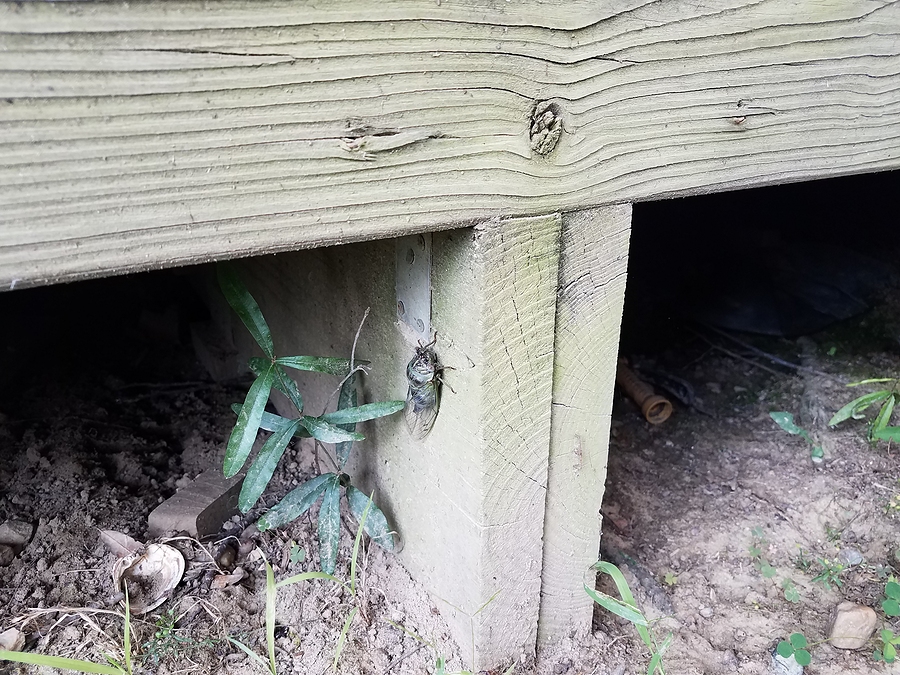
You step outside for your morning coffee and hear scratching sounds coming from beneath your porch. Maybe you’ve noticed an unpleasant odor or spotted small animals darting in and out of the shadows. Wildlife taking up residence under your porch isn’t just a minor inconvenience—it can lead to property damage, health risks, and ongoing stress for your family.

Virginia’s diverse ecosystem means homeowners regularly encounter nuisance animals seeking shelter in the dark, protected spaces beneath porches and decks. Raccoons, skunks, opossums, groundhogs, and squirrels all find these areas appealing for nesting, especially during breeding seasons or harsh weather conditions.

Understanding how to identify, prevent, and humanely address wildlife under your porch protects both your property and Virginia’s native animals. This guide will walk you through the essential steps for dealing with unwanted guests while staying compliant with state regulations.

Call 804-292-0156 for Local Wildlife Removal Service in Richmond Virginia

Identifying Animals Under the Porch or Deck

Determining which type of animal has moved in under your porch (or deck) is the first step toward effective wildlife removal. Each species leaves distinct clues that can help you identify the intruder and choose the most appropriate removal strategy.

Common Signs of Nuisance Wildlife Activity

Several behavioral indicators signal an active animal infestation under your porch. Frequent scratching or digging sounds, particularly during dawn and dusk hours, often indicate nocturnal animals like raccoons or opossums establishing territory. Visual sightings of animals entering or exiting from under the porch provide the most definitive evidence.

Droppings and urine near the porch area reveal both the type and size of your wildlife problem. Raccoon droppings are tubular and often contain undigested food particles, while opossum waste appears similar but smaller. Skunk droppings are roughly the size of a cat’s, and groundhog waste resembles large rabbit pellets.

Unexplained damage to your porch structure, such as chewed wood or torn screening, suggests the presence of animals with strong teeth and claws. Strong, unpleasant odors emanating from under the porch may indicate nesting materials, waste accumulation, or unfortunately, deceased animals.

Behavioral Clues

Your pets often detect wildlife presence before you do. Dogs and cats showing heightened interest in the porch area, such as excessive sniffing, barking, or pawing at the ground, typically indicates animal intruders nearby.

Nesting materials being dragged under the porch—leaves, twigs, shredded paper, or fabric—signal that animals are creating a permanent residence. Increased insect activity around the porch may result from insects attracted to animal waste or food remnants.

During mating or birthing seasons, you might hear vocalizations or signs of distress from animals under the porch. Plants or grass around the porch showing signs of disturbance often indicate animals searching for food or creating pathways to their shelter.

Animal Infestation Prevention: Your First Line of Defense

Preventing nuisance wildlife from accessing the space under your porch is far more effective and less stressful than removal after an infestation occurs. A comprehensive prevention strategy addresses both access points and attractants that draw animals to your property.

Sealing Entry Points

Thoroughly inspect your porch for potential entry points and seal them with durable materials. Hardware cloth or expanding foam works well for gaps in the foundation, around pipes, and where the porch meets the house. Pay special attention to areas where different building materials connect, as these joints often create small openings that animals can exploit and enlarge.

Consider the size of openings carefully—gaps as small as two inches can accommodate squirrels, while raccoons need spaces at least four inches wide. Use materials that can withstand weather conditions and determined animals attempting to claw or chew their way through.

Eliminating Attractants

Clear away potential food sources that draw wildlife to your property. Keep garbage cans tightly sealed with secure lids, and consider storing them in a garage or shed if possible. Remove fallen fruits or nuts from your yard promptly, as these natural food sources are particularly attractive to many nuisance animals.

Trim overgrown vegetation around the porch to eliminate hiding spots and make the area less appealing to animals seeking cover. Dense shrubs and tall grass provide perfect concealment for animals approaching your porch.

Environmental Modifications

Install bright, motion-activated lights under the porch to deter nocturnal animals who prefer dark, undisturbed spaces. Solar-powered options provide continuous operation without increasing your electricity costs.

Regular inspection of the porch for signs of animal activity allows you to address problems before they become established infestations. Check monthly for new droppings, nests, or chewed materials, and take immediate action if you discover any signs.

Natural wildlife repellents, such as vinegar or peppermint oil, can be applied to areas where animals are likely to enter. While these methods may not work for all species or situations, they provide a non-toxic deterrent option worth trying before more intensive measures.

Safe and Humane Wildlife Removal Techniques

When prevention fails and animals have already established residence under your porch, humane removal techniques encourage them to leave voluntarily without causing harm to the animals or your family.

Sound and Light Deterrents

  • Ultrasonic devices emit high-frequency sounds unpleasant for many animals but inaudible to humans. These devices work best when used consistently and may require several days to encourage animals to relocate.
  • Motion-activated sprinklers startle animals approaching the porch area, creating an unpleasant association with the location. The sudden spray of water is harmless but effective at discouraging repeat visits.
  • Solar-powered strobe lights disrupt nocturnal animals by eliminating the darkness they prefer. The unpredictable flashing creates an environment that most wildlife finds uncomfortable for nesting.

One-Way Exclusion Methods

  • One-way exclusion doors allow animals to exit but prevent them from re-entering. Look for models made from durable materials that can withstand weather and animal tampering attempts. These devices require proper installation to ensure effectiveness and animal safety.
  • Position exclusion doors at main entry points after confirming that all animals have access to exit routes. Monitor the devices regularly to ensure they’re functioning properly and haven’t been damaged or displaced.

Timing Considerations

The timing of removal efforts significantly impacts their success and humaneness.

  • Avoid removal during breeding seasons when mothers may have dependent young under the porch.
  • Spring and early summer are particularly sensitive times for most Virginia wildlife species.
  • Evening hours often prove most effective for encouraging nocturnal animals to leave, as they naturally become active during this time.

Be patient with humane removal methods—they may take several days or weeks to achieve complete success.

When to Call a Professional Animal Removal Service

Certain situations require professional wildlife removal services to ensure safety, legal compliance, and effective resolution. Recognizing when to seek professional help protects both you and the animals involved.

Safety Concerns

Contact professionals immediately if you suspect the presence of aggressive or potentially rabid animals. Signs include animals active during unusual hours, displaying abnormal behavior, or showing no fear of humans. Never attempt to handle animals that appear sick or injured.

Situations involving trapped animals require professional intervention to prevent injury to both the animal and anyone attempting rescue. Animals in distress may behave unpredictably and could bite or scratch when frightened.

Complex Infestations

Large infestations or multiple species living under your porch require professional assessment and removal strategies. Experienced wildlife control specialists have the tools and knowledge to address complex situations safely and effectively.

When structural damage has occurred, professionals can evaluate the extent of repairs needed and coordinate removal with necessary construction work.

Species-Specific Considerations

Certain species require specialized knowledge for safe and legal removal. Bats, for example, have specific legal protections in Virginia, particularly during roosting seasons, and their removal must be carefully managed to avoid harming the animals.

Taking Action: Your Next Steps

Dealing with wildlife under your porch requires patience, persistence, and the right approach. Start with prevention measures to avoid future problems, and use humane removal techniques when animals have already moved in.

Regular property maintenance and monitoring help you catch wildlife issues early when they’re easier to address. Document any signs of animal activity to help professionals provide accurate assessments if you need to call for assistance.

Remember that wildlife removal is often a process rather than a one-time fix. Animals may test your exclusion methods or return if conditions remain favorable. Consistent application of prevention and removal techniques typically yields the best long-term results.

For situations requiring professional expertise or when you’re unsure about the best approach, don’t hesitate to contact experienced wildlife removal services. Professional help ensures safe, legal, and effective resolution of your wildlife problems while protecting Virginia’s native animals.

Contact us today for humane wildlife removal services that protect both your property and Virginia’s wildlife. Our approach ensures that animals are handled safely and responsibly, preserving the balance between your home and the natural environment.

Call Now to Book Service

Related Post: How to Prevent Future Animal Infestations in Your Home

Beavers Begone: Strategies for Safe and Effective Beaver Removal
Beavers are incredible ecosystem engineers, but when they choose your property as their construction site, the results can be devastating. From flooded agricultural lands to damaged trees and compromised drainage systems, nuisance beavers can transform your peaceful Virginia property into a waterlogged nightmare. Understanding how to address beaver problems safely and effectively is crucial for protecting your investment while respecting wildlife regulations.

This comprehensive guide will walk you through everything you need to know about beaver removal in Virginia, from identifying the problem to implementing long-term solutions. Whether you’re dealing with your first beaver encounter or seeking better strategies for ongoing beaver control, you’ll find practical, humane approaches that work.

Call 804-292-0156 for Licensed Beaver Removal Services in Richmond Virginia

Understanding Beaver Behavior in Virginia

Before addressing any beaver problem, it’s essential to understand what drives these industrious animals. Beavers are naturally drawn to areas with flowing water, abundant vegetation, and suitable materials for dam construction. Virginia’s diverse waterways—from the Shenandoah Valley’s streams to the Chesapeake Bay’s tributaries—provide ideal conditions for beaver populations.

Beavers build dams primarily to create deep water refuges where they can safely store food and escape predators. These structures, while beneficial for wetland ecosystems, can cause significant issues for property owners. A single beaver family can fell dozens of trees in a matter of weeks, and their dams can redirect water flow in ways that flood valuable land.

Recognizing Signs of Beaver Activity

Early detection is key to preventing extensive beaver damages. Look for these telltale signs:

  • Cone-shaped tree stumps with distinctive gnaw marks
  • Pencil-pointed sticks scattered around water sources
  • Mud and stick structures across streams or drainage areas
  • Increasing water levels in previously dry areas
  • Well-worn paths leading from water to feeding areas
  • Distinctive beaver footprints in mud near water sources

Legal Considerations for Beaver Removal in Virginia

Virginia law treats beaver removal as a serious matter requiring careful attention to regulations. The Virginia Department of Wildlife Resources (DWR) oversees all beaver management activities, and failure to comply with their guidelines can result in significant penalties.

Permit Requirements

Most beaver removal activities require permits from the DWR. These permits ensure that removal methods are humane and that actions don’t negatively impact local ecosystems. The permit process typically involves:

  • Documenting the specific beaver damages to your property
  • Providing detailed maps of the affected areas
  • Demonstrating that non-lethal deterrents have been attempted
  • Agreeing to use only approved removal methods

Humane Methods Requirement

Virginia law mandates that all beaver control methods must be humane. This means that certain trapping methods are prohibited, and any professional wildlife control service you hire must use approved techniques. Relocation, while sometimes possible, requires special permits and must be done to pre-approved habitats.

Liability and Professional Compliance

Property owners bear responsibility for ensuring that any beaver removal activities comply with state regulations. When hiring professionals, verify that they hold proper licenses and understand current Virginia wildlife laws. Licensed professionals carry insurance and follow established protocols that protect both you and the beavers.

Contact Us for Expert Beaver Control Service

Safe and Humane Removal Techniques

Effective beaver removal requires a multi-faceted approach that combines immediate solutions with long-term prevention strategies. The most successful beaver control programs use a combination of deterrents, habitat modification, and professional intervention when necessary.

Beaver Deterrents That Work

✅ Fencing Solutions

Installing proper fencing around valuable trees and vegetation can prevent beaver damage without harming the animals. Use heavy-gauge wire mesh that extends at least three feet high and six inches below ground level. The mesh should be small enough to prevent beavers from squeezing through but large enough to allow other wildlife to pass.

✅ Tree Wraps

Individual tree protection using wire mesh or specialized tree wrap materials can save valuable specimens. Wrap protection should extend at least four feet up the trunk and be secured firmly to prevent beavers from working underneath. This method works particularly well for ornamental trees or fruit trees near water sources.

✅ Water Level Control

Installing water-level control devices can make areas less attractive to beavers while preventing flooding. These devices, including pond levelers and flexible pond levelers, maintain water at predetermined levels that discourage dam building while preserving aquatic habitats.

Beaver Dam Removal Strategies

Removing beaver dams requires careful planning and often professional expertise. Small dams can sometimes be modified by property owners, but larger structures typically require specialized equipment and knowledge of water flow dynamics.

When considering dam removal, evaluate:

  • The dam’s size and structural complexity
  • Potential downstream impacts of sudden water release
  • Legal requirements for modifying water flow
  • Environmental impacts on local wildlife

Professional Beaver Removal Services

While some beaver deterrents can be installed by property owners, many situations require professional wildlife control services. Understanding when to call professionals and what to expect from their services helps ensure successful outcomes.

When to Call Professionals

Consider professional intervention when:

  • Beaver dams are large or structurally complex
  • Property damage is extensive or ongoing
  • DIY deterrents have proven ineffective
  • Emergency situations require immediate response
  • Legal compliance is uncertain
  • Long-term management strategies are needed

Benefits of Professional Wildlife Control

✅ Expertise and experience
✅ Regulatory compliance
✅ Specialized equipment and tools
✅ Comprehensive assessment and solutions
✅ Long-term management strategies

Eco-Friendly Coexistence Strategies

Successful beaver management often involves finding ways to coexist with these important ecosystem engineers rather than simply removing them. Eco-friendly approaches can provide effective property protection while maintaining healthy wildlife populations.

Beaver Repellent Solutions

Natural beaver repellents can discourage activity without harming animals or the environment. These solutions work best as part of comprehensive management strategies rather than standalone solutions.

Wetland Management

Working with conservation organizations and wildlife agencies can help develop management plans that benefit both property owners and wildlife. These plans often include habitat improvements that redirect beaver activity to more suitable areas.

Frequently Asked Questions

What are the signs of a beaver problem on my property?

Look for cone-shaped tree stumps with gnaw marks, increasing water levels, mud and stick structures across streams, and well-worn paths from water to feeding areas. Fresh wood chips around trees and distinctive footprints in mud near water sources also indicate beaver presence.

Is it legal to remove beavers or beaver dams in Virginia?

Beaver removal in Virginia requires permits from the Virginia Department of Wildlife Resources. Property owners must document damage, attempt non-lethal deterrents first, and use only approved humane methods. Professional services must be licensed and comply with state regulations.

What are humane ways to deter beavers from my property?

Effective humane deterrents include installing fencing around valuable trees, using tree wraps, implementing water-level control devices, and habitat modification. These methods discourage beaver activity without harming the animals.

How much does professional beaver removal cost?

Costs vary based on the extent of the problem, property size, and required services. Simple deterrent installation may cost a few hundred dollars, while complex dam removal and ongoing management can cost several thousand dollars. Most professionals provide free assessments and detailed cost estimates.

Can I remove a beaver dam myself, or do I need a professional?

Small dams may be modified by property owners with proper permits, but larger structures typically require professional expertise. Consider the dam’s size, potential downstream impacts, and legal requirements before attempting removal yourself.

What kind of damage can beavers cause to my property?

Beavers can cause flooding through dam construction, fell valuable trees, damage drainage systems, and burrow into roadbeds or other structures. Depending on your location, they may also introduce disease to the ecosystem.

What is the best way to manage beaver populations?

The most effective approach for managing beaver populations is through non-lethal means, such as installing flow devices or modifying habitats. Lethal methods should only be considered as a last resort and under the guidance of a professional wildlife biologist.

Can I relocate beavers to another area?

Relocation of beavers can pose ethical concerns and may not effectively solve the problem. It is important to consult with local authorities and experts before considering relocation as an option. In some cases, it may also require proper permits and regulations.

How can I prevent beavers from causing damage?

Preventing beaver damage involves understanding their behavior and implementing effective techniques. Some methods include creating barriers, using protective fencing, and installing deterrents such as noise or motion-activated devices. It is important to regularly monitor and maintain these measures for long-term success.

Conclusion

In conclusion, beavers play a vital role in our ecosystem but they can also cause damage to property if not managed properly. As responsible members of the community, it is important to educate ourselves about beaver behavior and take necessary measures to protect both their habitat and our own properties.

If you are experiencing issues with beaver damage, seek assistance from a professional wildlife control company or contact your local government’s animal control department for guidance. Remember to always approach these situations with empathy and respect towards these animals.

If you’re dealing with beaver-related challenges, our team of experienced professionals is here to help. Reach out to Virginia Wildlife Pros today to schedule a consultation or learn more about our beaver removal and control services. Don’t wait—take action now and restore balance to your environment! 

Speak With a Wildlife Pro Now!

Related Post: Expert Tips on How to Safely Remove Beavers from Your Property

Dead Animal Removal: A Complete Guide for Homeowners

Discovering a dead animal on your property can be unpleasant, unsettling, and potentially hazardous. Whether it’s the lingering odor, the threat of pests, or concerns about health risks, dealing with the situation quickly and safely is essential. 

This comprehensive guide will walk you through everything you need to know about dead animal removal—from identifying the problem to understanding your handling options, whether DIY or professional. You’ll also learn prevention strategies to maintain a clean, safe, and pest-free property. 

Call 804-292-0156 for Licensed Dead Animal Removal Service in Richmond VA

Identifying a Nuisance Animal Problem 

Sometimes, the discovery of a dead animal isn’t immediate. Signs and smells may alert you to the issue before you even locate the source. 

  • Unpleasant odors: A foul smell is often the first clue that a dead animal is nearby. This odor intensifies over time and can permeate your home.
  • Unusual pest activity: Flies, maggots, or other scavenging pests could gather around the carcass.
  • Common hiding spots: Dead animals are often found in hidden spaces like attics, crawlspaces, chimneys, walls, basements, or even outdoor yards.

Identifying the animal and its location is key to planning the next steps. Common animals include squirrels, birds, opossums, rodents, and rabbits. 

Health Hazards of Dead Animals 

Handling a dead animal without proper precautions can expose you to serious health risks, and it’s important to understand the potential dangers involved:

Diseases and Pathogens

Dead animals often harbor harmful bacteria, viruses, and parasites that can pose serious health risks to humans. For example, they may carry salmonella, hantavirus, or even rabies in some cases. These pathogens can be transmitted through direct contact with the carcass or through fluids and tissues.

Water Contamination

If the carcass is located near a water source, it can leach harmful microorganisms and toxins into the water supply, contaminating drinking water or nearby runoff. This poses a serious environmental and public health hazard, especially in areas with limited water filtration.

Secondary Pests

Dead animals quickly attract pests like flies, maggots, and rodents, which can lead to infestations in and around your property. These pests may carry additional diseases, compounding the health risks and making the situation more difficult to manage.

Taking the necessary safety measures—such as wearing gloves, using protective equipment, and properly disposing of the carcass—is crucial to protecting yourself, your household, and your community. Always consider contacting professional removal services for proper handling and disposal.

Dead Animal Removal Options 

DIY Removal 

If you decide to handle removal yourself, proceed with caution. Follow these steps to ensure safe and efficient disposal:

  1. Gear up: Wear protective gloves, a mask, and goggles to prevent exposure to harmful pathogens.
  2. Containment: Place the dead animal in a heavy-duty sealed bag. Double bagging is recommended to avoid potential leaks.
  3. Disposal: Check local regulations for proper disposal methods, such as designated drop-off locations or municipal guidelines.
  4. Sanitize: Clean and disinfect the area thoroughly with a strong disinfectant designed to kill bacteria and eliminate odors.
  5. Monitor: Watch for lingering odors or pest activity to ensure the area remains clean and pest-free.

While DIY removal can save time and money, it requires caution and knowledge of local laws. 

Professional Wildlife Removal Services 

Opting for a professional wildlife removal service offers peace of mind and ensures a thorough job. Here’s why professionals are often the better choice: 

  • Safe handling: Professionals are trained to safely remove animals and handle hazardous materials.
  • Proper disposal: They adhere to local disposal regulations to prevent fines or violations.
  • Thorough sanitation: Experts clean and deodorize the affected area to eliminate health risks and unpleasant smells.
  • Infestation prevention: Professionals can identify entry points and implement measures to prevent future problems.
  • Expertise: They have the knowledge to handle different types of animals and complex situations quickly and efficiently.

If you’re dealing with a large animal, difficult-to-reach location, or recurring issues, hiring a professional is the recommended option. 

Contact Us for Prompt Service in Richmond

Prevention Tips to Avoid Future Issues 

Keeping animals away from your property is the best way to prevent dead animal problems. Here are some proactive measures you can take: 

  • Seal entry points: Inspect your home for cracks, holes, or gaps and seal them to prevent unwanted visitors.
  • Trim trees and shrubs: Cut back branches near your roof to reduce access points for animals.
  • Secure garbage bins: Use bins with tight-fitting lids to discourage scavengers.
  • Remove food sources: Clear fallen fruits, seeds, or food scraps from your yard.
  • Install fencing: Protect gardens and other vulnerable spaces with durable fencing.
  • Use animal repellents: Deploy motion-activated lights, sprays, or ultrasonic devices to deter animals.
  • Perform regular inspections: Regularly check your property for animal activity and signs of intrusion.
  • Consult a professional: A Richmond VA wildlife removal service can assess your property and recommend tailored prevention strategies.

Implementing these tips will help safeguard your property and reduce the risk of dealing with future dead animal issues. 

Key Takeaways

Failing to address the problem of a dead animal properly can lead to severe consequences, including health hazards, unpleasant odors, pest infestations, and property damage. Acting quickly and following the right procedures keeps your environment clean, safe, and pest-free. 

If you’re facing a dead animal issue and need assistance, schedule dead animal removal service today. Virginia Wildlife Pros ensures safe handling, proper disposal, repairs, and peace of mind. Don’t wait until the problem worsens. Let us help!

Request a Free Quote

Related Post: What To Do When You Find a Dead Animal in Your Home

Hearing Squirrel Noises in Your Attic? Here’s What You Need to Know 

Have you been hearing strange scratching or scurrying sounds coming from above? These noises could be a sign that squirrels have made your attic their new home. While these furry creatures may seem harmless, ignoring their presence can lead to significant damage and costly repairs. 

This guide will help you identify whether squirrels are responsible for the noise, explain the risks of having them in your attic, and outline humane removal and prevention methods to keep your home safe and squirrel-free. 

Call 804-292-0156 for Licensed Attic Squirrel Removal in Richmond Virginia

Identifying a Attic Squirrel Infestation Problem 

Before jumping to conclusions, it’s important to verify that squirrels are indeed the cause of the sounds in your attic. Here’s how to confirm it’s them: 

Signs of Squirrels in Your Attic 

  • Noises: Listen for scratching, scurrying, or chewing sounds, typically heard during the morning or late afternoon when squirrels are active. 
  • Droppings: Squirrel droppings are small, elongated, and often found near entry points or nesting areas. 
  • Nests: Look for shredded insulation, leaves, or twigs used for nesting. 
  • Gnaw Marks: Squirrels constantly gnaw to keep their teeth sharp, so look for signs of chewing on wood, wires, or plastic. 
  • Entry Points: Check for small gaps, holes, or broken vents on your roof or eaves where squirrels could have entered. 

If one or more of these signs add up, squirrels are likely the culprits. 

Dangers of Squirrels in the Attic 

Squirrels may appear harmless, but their presence in your attic can lead to serious problems. Here’s why you should address the issue promptly: 

  • Damage to Wiring – Squirrels’ constant chewing can damage electrical wiring, increasing the risk of fire hazards in your home. 
  • Destruction of Insulation – By tearing apart insulation to make their nests, squirrels reduce its effectiveness, leading to higher energy bills and a less comfortable home. 
  • Structural Harm – Their gnawing can weaken wooden beams and other structural elements, compromising the integrity of your home. 
  • Health Risks – Squirrel droppings and urine can spread harmful diseases and attract other pests like mites and fleas. 
  • Escalating Infestation – If left unaddressed, squirrels in your attic can multiply quickly, making the problem harder and more expensive to resolve. 

Contact Us for Humane Squirrel Removal

Safe and Humane Squirrel Removal Methods 

When it comes to squirrel removal, safety and compassion are key. Here are some effective, humane methods to evict squirrels from your attic without harming them:

  • Use One-Way Exclusion Doors – Install one-way exclusion doors that allow squirrels to exit the attic but prevent them from re-entering. Ensure all squirrels have left before sealing entry points. 
  • Leverage Natural Repellents – Use non-toxic repellents that contain ingredients like peppermint oil or capsaicin to deter squirrels from nesting. 
  • Install Motion-Activated Devices – Consider installing motion-activated lights or sprinklers near common entry points to scare off squirrels. 
  • Avoid Trapping During Nesting Seasons – If it’s spring or fall, avoid trapping squirrels to prevent separating mothers from their babies. Contact a professional wildlife expert for assistance instead. 

Tips for Squirrel Infestation Prevention

Once you’ve successfully removed the squirrels, take these steps to prevent them from returning to your attic. 

  • Seal Entry Points – Inspect your home thoroughly and seal any gaps, holes, or broken vents using heavy-duty wire mesh or galvanized steel. Pay special attention to areas around soffits and eaves. 
  • Trim Overhanging Tree Branches – Squirrels often enter homes by jumping from nearby tree branches. Regularly trimming branches that overhang your roof can minimize access. 
  • Install Protective Covers – Use sturdy chimney caps to prevent squirrels from entering through your chimney. Choose rust-resistant materials for long-term effectiveness. 
  • Reduce Attractants – Remove food sources like bird feeders or open trash cans near your home. Additionally, store pet food and birdseed in sealed containers. 
  • Keep Your Attic Uninviting – Keep the attic well-lit and ventilated, as squirrels prefer dark, enclosed spaces for nesting. 

When to Call a Professional Wildlife Removal Service 

Sometimes, DIY efforts are not enough to resolve a squirrel infestation. Here’s when you should consider calling in the experts: 

  • Severe Infestations – If multiple squirrels are present or you’ve noticed significant damage, professional wildlife removal services can handle the issue effectively. 
  • Health and Safety Concerns – If there’s extensive contamination from droppings or damage to electrical wiring, it’s safer and more efficient to involve a professional team. 
  • Legal Considerations – Certain states, including Virginia, have specific regulations regarding the removal and relocation of wildlife. Professionals are familiar with these laws and can ensure you stay compliant. 
  • Long-Term Solutions – Professionals provide comprehensive solutions, including inspection, removal, damage repair, and preventative measures, ensuring the problem doesn’t return. 

Take Action Before Squirrels Cause More Damage 

Hearing squirrel noises in your attic may seem like a minor inconvenience, but the risks to your home and health are far too significant to ignore. By identifying the problem early, taking humane removal steps, and investing in prevention, you can protect your property and save thousands in potential damages. 

If you’re in Richmond, Virginia, and need assistance with squirrel removal, contact Virginia Wildlife Pros today. Our expert team specializes in humane wildlife control and squirrel exclusion techniques to keep your home safe and squirrel-free. Don’t wait until the problem escalates—address it promptly for peace of mind. 

Schedule Squirrel Removal Service Now  

Related Post: Outsmarting the Tiny Tenants: Eradicating Squirrels from Your Attic

Groundhog Removal and Control in Virginia: A Complete Guide for Homeowners 

Virginia’s picturesque landscapes and lush gardens are ideal for homeowners—but they’re also a haven for uninvited wildlife like groundhogs. Also known as woodchucks, these furry animals may appear harmless, but they can wreak havoc on your property, leaving behind damaged gardens, unstable structures, and costly repairs.

This blog explores everything you need to know about groundhog removal and control in Virginia. From identifying the signs of an infestation to effective removal methods and prevention tips, we’ve got you covered. Here’s how to protect your property and maintain a groundhog-free yard. 

Call 804-292-0156 for Licensed Groundhog Removal and Control in Richmond Virginia

Understanding Groundhogs and Their Impact 

What is a Groundhog? 

Groundhogs, scientifically known as Marmota monax, are large rodents native to North America. They typically weigh between 5 and 13 pounds and are skilled burrowers, using their sharp claws to dig extensive underground tunnels. These tunnels can stretch up to 45 feet long, often with multiple chambers. 

Groundhogs are active during the warmer months, especially from spring to fall, and are particularly drawn to gardens, crops, and soft soil, where food is abundant. While they hibernate during winter, their activity can be a major headache for homeowners the rest of the year. 

Common Issues Caused by Groundhogs 

Groundhogs may look adorable, but their unassuming presence can lead to significant problems, including:

  • Damage to Gardens and Crops: Groundhogs are voracious eaters and can wipe out vegetables, flowers, and other plants in record time. 
  • Weakening Structures: Their burrows undermine the stability of foundations, patios, driveways, and even sheds. 
  • Unsightly Lawn Damage: Piles of dirt near burrow entrances create an eyesore on your lawn. 
  • Attraction for Other Wildlife: Groundhog burrows often attract snakes, skunks, and other animals, increasing the risk of further infestations. 

Signs of Groundhog Infestation 

Detecting a groundhog presence early is crucial to minimizing damage. Below are the most common signs of groundhog activity in your yard. 

Spotting Groundhog Activity 

  • Burrow Entrances: Look for large holes (about 8–12 inches wide) surrounded by a mound of dirt. These are telltale entry and exit points for groundhogs. 
  • Pathways and Tracks: Groundhogs create well-worn paths across your yard. Their tracks show four toes on their front paws and five on their hind paws. 
  • Chewed Vegetation: Missing fruits, vegetables, or gnawed plants are signs that groundhogs may be feasting in your garden. 

Common Signs of Groundhog Damage 

  • Collapsed Soil: Groundhog tunnels lead to sinkholes, putting walkways or garden beds at risk. 
  • Bite Marks: Groundhogs will chew on fences, wooden structures, or tree bark, leaving noticeable bite marks. 
  • Unstable Structures: If you notice cracks in patios or leaning sheds, burrowing groundhogs could be the culprit. 

Effective Groundhog Removal Methods 

When it comes to groundhog removal, humane and preventative strategies are the most effective. Here are techniques to regain control of your property. 

Professional Trapping and Relocation 

Live animal trapping is an effective way to capture groundhogs and relocate them away from your property. However, it is a job that should only be carried out by a licensed and trained wildlife control professional in Richmond.

DIY Preventative Measures 

There are plenty of ways to control nuisance woodchucks around your property without the help of a professional. To keep groundhogs out, integrate the following preventative measures:

  • Install Fencing: Bury wire fencing at least one foot deep to prevent groundhogs from digging underneath. 
  • Use Groundhog Repellents: Natural animal repellent options like castor oil sprays or predator scents can deter groundhogs from your yard. 
  • Eliminate Food Sources: Protect gardens with wire mesh and remove fruit or vegetable scraps. 

Professional Groundhog Control Options in Virginia 

While DIY methods are effective for minor issues, professional wildlife removal services in Virginia are the ideal solution for severe infestations. 

Benefits of Hiring Local Pest Control Experts 

Professional wild animal removal and control companies specialize in handling groundhogs safely and efficiently. They:

  • Use advanced trapping and removal techniques. 
  • Prevent collateral damage to your property. 
  • Offer long-term groundhog prevention strategies. 
  • Comply with Virginia’s wildlife removal regulations. 

Licensed Wildlife Removal Services in Virginia 

Local services, like Virginia Wildlife Pros, offer comprehensive groundhog removal and control solutions tailored to Virginia’s unique environment. Their services typically include:

  • Thorough property inspections to locate burrows. 
  • Customized treatment plans for humane removal. 
  • Guidance for long-term groundhog prevention. 

Tips for Long-Term Prevention 

Keeping your property groundhog-free requires a proactive approach. Implement these strategies to reduce the risk of future infestations. 

Maintain a Groundhog-Free Property 

Regular Yard Maintenance 

  • Mow your lawn frequently to reduce cover for groundhogs. 
  • Remove potential nesting spots like piles of wood, debris, and overgrown plants. 

Install Landscaping Barriers 

  • Use heavy-duty landscaping fabric and mulch to deter digging. 
  • Introduce raised garden beds with secure edging. 

Consistent Monitoring 

Fencing Solutions 

A properly installed fence is one of the best defenses against groundhogs. Consider using chicken wire or welded wire mesh with the following specifications:

  • At least 3 feet high and buried 12 inches underground. 
  • Angled outward at the top to deter climbing. 

In Summary

Taking immediate action against groundhog infestations is essential to preserving your landscape and preventing costly damage. Whether you use humane trapping methods or hire professional wildlife removal services, addressing the issue is key to maintaining a safe, pest-free property. 

If you’re dealing with groundhog damage in Virginia, consider reaching out to local wildlife control experts. Their guidance will provide you with peace of mind—and help keep woodchucks off your lawn for good. 

For more information or to schedule an appointment, get in touch with our team of woodchuck extraction professionals. Contact Virginia Wildlife Pros at 804-292-0156 for professional groundhog removal and control in Richmond and its outer regions, today. We serve residential and commercial customers with free quotes, free advice, and quality work.

Related Posts:

Shadow or Not: Celebrating Groundhog Day with Pest-Smart Tips
Demystifying Groundhog Behavior: Understanding Their Unique Traits and Habits
Fascinating Facts About Virginia’s Woodchucks

Outsmarting the Tiny Tenants: Eradicating Squirrels from Your Attic

Squirrels may appear cute and harmless, but when they turn your attic into their personal playhouse, it’s a whole different story. Squirrel infestations in urban and suburban homes are on the rise, with attics serving as a prime nesting spot for these furry invaders. Left unchecked, squirrels in the attic can cause significant damage and compromise the safety of your home. 

If you’re hearing scurrying noises overhead or noticing unexplained damages, you might be dealing with these uninvited tenants. This guide covers everything you need to know about identifying, removing, and preventing squirrel infestations. 

Call 804-292-0156 for Licensed Squirrel Removal Service in Richmond VA

Understanding Squirrel Activity and Tampering as Attic Tenants 

To effectively tackle a squirrel infestation, it’s essential to understand why attics are such a hotspot for these critters. Squirrels are incredibly resourceful and adaptable creatures. Their primary motivations for entering homes are shelter, warmth, and a safe space to raise baby squirrels. Attics provide an ideal environment, protecting them from predators and harsh weather while offering plenty of insulation to build nests. 

Key behavioral traits of squirrels include:

  • Gnawing on surfaces to maintain their ever-growing teeth 
  • Building multiple nests, commonly referred to as “dreys”
  • High activity levels during the early morning and just before sunset, which is when you’re most likely to hear them 

Their intelligence and ability to exploit tiny openings in roofs, vents, and siding make them tricky adversaries. 

Signs of an Attic Infestation 

Not sure if you have squirrels in your attic? Here are the telltale signs of an attic infestation to watch out for:

  • Unusual Sounds: Scratching, scampering, or chewing noises coming from above, especially at dawn or dusk. 
  • Droppings: Small, elongated droppings around your attic. 
  • Chewed Entry Points: You may notice damage around vents, eaves, or insulation due to their incessant gnawing. 
  • Nest Building Materials: Twigs, leaves, or shredded insulation in your attic could be signs of nest construction. 
  • Distinctive Odors: Squirrels bring in food and leave droppings, which can create unpleasant smells over time. 

Spotting these signs early can prevent significant damage from occurring.

The Dangers of Squirrel Infestations 

Having a few squirrels in your attic might not seem like a big deal, but their presence can cause a range of problems, including:

  • Structural Damage – Squirrels are relentless chewers. They’ll gnaw on wood beams, insulation, and even electrical wires, which increases the risk of fires and structural instability. 
  • Health Risks – Squirrels are carriers of parasites such as fleas, ticks, and mites, which could spread to your pets or family members. Additionally, their droppings can carry diseases like leptospirosis
  • Noise Disturbance – The constant scampering and scratching can disrupt your sleep and daily peace, making life uncomfortable. 

The longer squirrels stay in your attic, the more damage they’ll cause, so prompt action is critical. 

DIY vs. Professional Squirrel Removal

When it comes to squirrel removal, you have two primary options: DIY methods or professional wildlife removal services. Here’s a comparison to help you decide:

DIY Methods 

Benefits:

  • Cost-effective 
  • Immediate action can be taken 

Drawbacks:

  • Time-consuming 
  • Risk of injury or failure if not done correctly 

Professional Wildlife Removal Services 

Benefits:

  • Guaranteed results 
  • Knowledge of legalities surrounding wildlife removal 
  • Access to specialized tools and expertise
  • Infestation cleanup and attic restoration experts 

Drawbacks:

  • Higher upfront costs 

While DIY methods might work for minor issues, extensive attic infestations often require professional wildlife removal and control services to guarantee success. 

Effective Squirrel Removal and Control Techniques 

If you’re ready to take matters into your own hands, here are some effective squirrel control methods to try:

Exclusion 

Seal all entry points into your attic. Use heavy-duty materials like steel mesh to close gaps around vents, chimneys, and roof edges. Leave one exit point open temporarily to allow the squirrels to leave. 

Trapping 

Humane, live traps can be placed near entry points or nests. Use bait such as peanut butter or sunflower seeds to attract the squirrels. Once trapped, relocate them far away from your property (check local regulations on wildlife relocation). 

Deterrents 

Natural animal repellents and deterrents like predator scents (e.g., fox urine) or ultrasonic devices may discourage squirrels from returning. 

Pro Tip: Do not use poison! Many cities and states have rules protecting squirrels, and improper use of poison can be harmful to other animals or pets. 

How to Squirrel-Proof Your Home

The best way to handle squirrels in the attic is to prevent them from getting in at all. Follow these steps to animal-proof your home:

  • Inspect Your Home Regularly: Look for holes, cracks, or weak spots, and repair them promptly. 
  • Trim Tree Branches Close to Your Roof: Branches that overhang your roof give squirrels easy access. 
  • Add Installations: Install Squirrel-Proof Vents and Chimney Caps. 
  • Secure Food Sources: Keep outdoor trash bins tightly sealed and remove bird feeders, as these attract squirrels. 

By taking these proactive steps, you can reduce the likelihood of future infestations and save yourself the headache of dealing with unwanted attic pests. 

Wrapping Up

Squirrel infestations are more than just a nuisance—they pose serious risks to your home and health. By identifying the signs early, exploring effective squirrel removal methods, and animal-proofing your property, you can reclaim your attic from these tiny tenants. 

If you’re unsure where to start or want professional help, don’t wait. Contact a trusted wildlife control service today and take the first step toward a peaceful, squirrel-free home.

Act now to ensure a critter-free attic and home so that you can enjoy the tranquility you deserve. Contact Virginia Wildlife Pros at 804-292-0156 for professional squirrel removal and control in Richmond and its outer regions. We serve residential and commercial customers with free quotes, free advice, and quality work.

Related Posts:

Tiny Invaders: What to Do If You Find Baby Squirrels in the Attic
Do You Hear Squirrel Noises Coming From Your Attic? What To Do Next
Noisy Neighbors Upstairs? How to Handle Squirrels in Your Attic

How to Prevent Future Animal Infestations in Your Home 

Animal infestations can be a homeowner’s nightmare. Whether it’s rats raiding your pantry, squirrels nesting in your attic, or raccoons causing havoc in your garden, unwelcome wildlife can lead to property damage, health risks, and hefty repair bills. For many, the first step is dealing with the immediate infestation—but what about preventing it from happening again? 

By knowing what attracts animals, learning the signs of an infestation, and taking proactive steps toward home infestation prevention, you can safeguard your home and your peace of mind. This blog will guide you through identifying infestations, understanding their causes, implementing preventative measures, and maintaining your home to keep pests out for good. 

Call 804-292-0156 for Wildlife and Rodent Infestation Removal in Richmond Virginia

Identifying Common Animal Infestations

The first step in preventing future infestations is understanding what you’re up against. Common culprits include rodents and other wildlife that seek food, shelter, and safety in your home. 

Common Animals That Infest Homes

  • Rats and Mice: These tiny invaders chew through everything from wires to walls, contaminating food and spreading diseases. 
  • Squirrels: Often found in attics, squirrels can cause extensive damage by chewing through wood and insulation. 
  • Raccoons: These clever critters are known for raiding trash bins and breaking into attics or crawl spaces. 
  • Skunks: Attracted to gardens and compost bins, skunks can dig under your foundation and leave behind their notorious stench. 

Signs of Infestation 

It’s not always easy to spot an infestation early, but here are the red flags to watch for:

  • Droppings or urine stains inside your home. 
  • Gnaw marks on wires, furniture, or walls. 
  • Shredded material like paper or insulation used for nesting. 
  • Holes dug in your lawn or garden. 
  • Unusual odors or lingering smells
  • Noises like scratching, squeaking, or scurrying at night, often indicating an attic infestation. 

Understanding the Causes of Infestation

To win the battle against animal infestations, it’s crucial to recognize what draws these uninvited guests to your property. 

Factors That Attract Animals to Homes

  • Food Sources: Whether it’s pet food, unsecured trash cans, or crumbs on the floor, animals are always on the hunt for easy meals. 
  • Water Access: Leaking pipes, birdbaths, or pet water bowls can quench the thirst of pests, making your home even more appealing. 
  • Shelter: Cracks in your walls, a cozy attic, or an overgrown yard can serve as the perfect hideout for wildlife. 

Environmental Conditions 

External factors, such as nearby forests, construction sites disturbing wildlife, and seasonal changes (like colder weather driving animals indoors), can also heighten your risk. 

Wildlife Control and Prevention Measures You Can Take

The good news? By taking proactive steps, you can significantly reduce the likelihood of animals invading your home again. 

Securing Entry Points 

  • Seal Cracks and Gaps: Inspect your home’s foundation, walls, roof, windows, and doors for any tiny openings. Use caulk, steel wool, or metal mesh to block these entry points. 
  • Install Chimney Caps and Vents: This prevents raccoons, squirrels, and birds from sneaking inside chimneys
  • Reinforce Screens: Make sure windows and vents have sturdy, tear-resistant screens. 

Keep Your Home Clean and Tidy 

  • Store Food Properly: Use airtight containers for pantry staples and pet food. Clean up crumbs and spills immediately. 
  • Secure Trash: Invest in sealed, animal-proof garbage bins and store them in your garage or a shed. 
  • Dispose of Waste Correctly: Avoid leaving compost or food scraps exposed to scavengers. 

Landscaping Tips to Discourage Animals 

  • Trim back trees and bushes that touch your house, as they can act as bridges for climbing animals. 
  • Keep your lawn tidy, clear away fallen fruit, and remove any piles of leaves or debris. 
  • Install barriers like mesh fencing around your vegetable patches or flower beds. 

What To Do If You Have an Active Animal Infestation

If you’ve already had a recent infestation, taking immediate and long-term measures is critical. 

Immediate Steps to Take

  • Contact a Wildlife Removal Expert: Attempting to handle potentially harmful wildlife on your own is not advisable. Experts use humane and effective wildlife control techniques.
  • Temporary Solutions: While waiting for the professionals, block access to food and water sources to minimize damage. 

Long-Term Strategies

  • Repair Damages: Fix any holes, chewed wires, or structural damage caused by animals. This prevents others from moving in. 
  • Prevention Measures: Reinforce all the preventative steps from above. 
  • Ongoing Monitoring: Set up regular professional inspections or invest in motion-activated cameras to identify potential issues early. 

The Importance of Regular Home and Yard Maintenance

Prevention doesn’t end with one-off fixes. Regular maintenance is essential to keeping your home pest-free. 

Value of Regular Inspections

Periodic inspections can catch developing issues before they escalate. For example, spotting a torn window screen or a leaky pipe early can prevent a full-blown infestation. 

Create a Maintenance Checklist

Keep your home secure and pest-free with these regular tasks:

  • Seasonal inspection of the foundation, attic, and roof for entry points or damage. 
  • Yard cleanup and tree trimming. 
  • Routine cleaning and decluttering inside your home. 
  • Checking and repairing screens, vents, and chimneys. 

In Summary

Keeping your home free from animal infestations is a continuous process that demands preparedness and vigilance. By identifying the root causes, sealing entry points, and maintaining a clean and tidy environment, you can make your property unattractive to wildlife. 

When in doubt, consult a licensed wildlife control professional to safeguard your home and provide tailored advice. A little prevention now can save you a great deal of stress and expense in the future. 

Take action today—implement these pest control strategies and enjoy a safer, cleaner, and more secure home.  Then contact Virginia Wildlife Pros at 804-292-0156  for licensed and insured wildlife control services in Richmond, Virginia, and surrounding counties. Let’s work together to protect North America’s precious wildlife.

Related Posts:

What To Do When You Find a Dead Animal in Your Home
A Symphony of Clues: Sounds and Other Signs of an Animal Infestation
Preventing Animal Infestations: What You Need to Know

Ultimate Guide to Nuisance Animal Detection and Prevention 

Are you noticing odd sounds in the attic? Strange holes in your lawn? Damage in your garden that has no clear explanation? If so, you might be dealing with nuisance animals invading your property. Recognizing the signs of unwanted wildlife can save you time, money, and stress before small problems escalate into major issues. 

This guide will help homeowners, property managers, pet owners, and gardeners identify signs of nuisance animals, understand the risks they bring, and take actionable steps to prevent and control wildlife intrusion. From spotting tracks to safeguarding your property, we’ll cover everything you need to know to keep your space safe, secure, and critter-free. 

Call 804-292-0156 for Licensed Animal Removal and Control in Richmond VA

Why Identifying Nuisance Animals is Important 

Nuisance animals may appear harmless at first glance, but their presence can spell trouble. Whether it’s raccoons destroying your roof shingles, squirrels nesting in your attic, or skunks tearing up your lawn, their activity poses risks to your home, health, and peace of mind. 

Ignoring these signs can lead to extensive property damage and costly repairs. Beyond this, many nuisance animals carry diseases, create safety hazards, and can even endanger your pets. Identifying early warning signs allows you to act swiftly and protect your property from long-term harm.

By understanding what to look for, you can preemptively address these challenges and avoid the frustration of dealing with nuisance animals—before they become a serious problem. 

Common Signs of Nuisance Animal Presence 

Rodents (Mice and Rats) 

Rodents are sneaky invaders that tend to enter homes through small openings. As nocturnal creatures, you may hear scratching sounds in walls or ceilings while you sleep. Their droppings and chewing habits can lead to health risks and even electrical fires. Acting quickly to address these signs is crucial.  Look for these telltale signs of mice or rats around your property:

  • Droppings: Small, dark pellet-like droppings found near food sources, cupboards, or along walls are key indicators.
  • Gnaw Marks: Rodents chew on wood, wires, and even furniture, leaving behind rough-edged marks.
  • Tracks: Light footprints or tail drag marks on dusty surfaces may indicate their movements at night. 

Raccoons 

Raccoons are notorious for their destructive behavior, especially around garbage bins and attic spaces. Raccoons are also highly intelligent and persistent. Once they break into your attic, they may create nesting areas, tear insulation, and leave feces that pose serious health hazards. 

Signs of their presence include:

  • Tipped-Over Trash: Raccoons rummage through trash bins in search of food, leaving a mess behind.
  • Damaged Roof Shingles: Look for torn-up shingles or gaps in attic vents where they gain access to your home.
  • Tracks and Paw Prints: Raccoon tracks reveal long, finger-like toes that look almost like human handprints. 

Squirrels 

Squirrels constant gnawing damages your home’s structure and increases the risk of electrical short circuits. Keep an eye out for these signs, especially around your attic space.  If they feel at home on your property, they’ll leave clues such as:

  • Nesting Materials: Twigs, leaves, and shredded insulation in your attic suggest a squirrel is nesting.
  • Bite Marks: Squirrels chew on wood panels, exterior molding, and even wires.
  • Scratching Sounds: You’ll often hear scratching or scampering sounds in the early morning or late evening when squirrels are active. 

Skunks 

Skunks are nocturnal and will spray if they feel threatened, creating a lingering odor that can be difficult to remove. Protect pets, as skunk sprays can be harmful to their eyes and fur.  While often easy to identify due to their smell, skunks also leave other telltale signs:

  • Lawn Damage: Small, shallow holes in your yard where skunks dig for insects and grubs.
  • Burrows: Look for freshly dug burrows near decks, sheds, or foundations.
  • Tracks: Skunk tracks are distinctive with five toes and visible claw marks. 

Birds 

Bird droppings are acidic and can corrode surfaces over time, while clearing out nests when they’re unoccupied is vital to prevent obstructions. So, even birds can become a nuisance when they disrupt your property. Here are some signs:

  • Droppings: Excessive droppings can stain surfaces and spread diseases like histoplasmosis. 
  • Nests: Birds often nest in gutters, vents, or chimneys, which can block airflow and create fire hazards.
  • Chirping Sounds: Listen for repeated chirping or rustling noise that may suggest birds have entered your attic or walls. 

Risks and Damages Associated with Nuisance Animals 

Each nuisance animal comes with unique risks. Addressing these risks promptly can save you from costly repairs and health concerns. Here’s how they can impact your property and health:

  • Health Hazards: Rodents and raccoons carry diseases like leptospirosis and rabies. Their droppings can contribute to respiratory illnesses. 
  • Property Destruction: Squirrels and raccoons damage roofs, wiring, and insulation. Birds clog vents with their nests and leave acidic droppings. 
  • Pet Safety: Skunks spray pets, raccoons attack small animals, and rodents spread diseases through contaminated food sources. 
  • Garden and Lawn Damage: Skunks and birds destroy gardens by digging or pecking away at plants. 

Best Practices for Prevention and Control 

Secure Entry Points 

Inspect your property for gaps, holes, or cracks that animals could use to enter. Seal these points with durable materials like metal mesh or caulk. Focus on attics, vents, chimneys, and foundations where animals commonly find access. 

Reduce Attractants 

Nuisance animals are drawn to easy food sources and shelter. A well-maintained property is less likely to attract unwanted visitors. Use these tips to reduce attraction:

  • Store garbage in secure, lidded bins. 
  • Keep pet food indoors and clean up spills promptly. 
  • Trim foliage and remove debris piles where animals can hide. 

Use Non-Toxic Repellents 

Non-toxic repellents can effectively deter nuisance animals without harming them. Consider the combination of strategies helps maintain a humane, animal-free property:

  • Ultrasonic deterrents to scare animals like raccoons and squirrels. 
  • Natural repellents such as peppermint oil sprays for rodents. 
  • Motion-activated lights or sprinklers to keep skunks at bay. 

Assess Effectiveness of Prevention Measures 

Regularly inspect your property to ensure nuisance animals haven’t made a return. By staying proactive, you can ensure your efforts are effective and minimize recurring visits from wildlife.

  • Look for new entry points or chewed materials. 
  • Monitor food and water sources to check if animals are tampering with them. 
  • Set up motion-triggered cameras to detect activity at night. 

Protect Your Space from Nuisance Animals 

Identifying nuisance animals early and addressing their presence is essential for maintaining a safe and healthy property. Whether it’s spotting rodent droppings in your kitchen or discovering a bird nest in your vent, acting swiftly can prevent long-term damage and protect your family, pets, and garden. 

If your pest problems persist, don’t hesitate to enlist the help of professional wildlife control experts. Their expertise can offer long-lasting solutions tailored to your specific situation. 

Tackle nuisance animals today and take back control of your property with these proven strategies. Contact Virginia Wildlife Pros at 804-292-0156 for professional animal removal and control service in Richmond, Virginia for all native species of wildlife. We serve residential and commercial customers with free quotes, free advice, and quality work.

Related Posts:

The Pros and Cons of Feeding Wildlife Around Your Virginia Property
Tree Trimming and Vegetation Control to Deter Nuisance Wildlife
Preventing Animal Infestations: What You Need to Know