Stop Squirrels from Chewing Through Your Roof: Humane Methods

Protecting your home from wildlife intrusions can feel like a daunting task, especially when persistent squirrels target your roof. Not only can their chewing cause significant structural damage, but it also opens the door to further complications, such as water leaks or additional pest infestations. Understanding why squirrels behave this way and how to effectively prevent them from causing harm is crucial for safeguarding your home and maintaining peace of mind. This guide will cover this and more.

TL;DR: Squirrels can damage your roof by chewing through soffits, fascia, and vents to access your attic. Prevent entry by sealing gaps with metal flashing or heavy-duty hardware cloth, trimming tree branches at least 6–8 feet from your roofline, installing chimney caps, and using repellents like capsaicin spray. Regular maintenance and inspection are key to keeping squirrels out for good.

Key Takeaways:

  • Squirrels need only a 1.5-inch gap to enter your roof or attic
  • Metal flashing and 16-gauge steel mesh are the most durable exclusion materials
  • Tree branches should be trimmed 6–8 feet away from your home
  • Capsaicin-based repellents can deter chewing on wood and wiring
  • Professional help is recommended if you suspect an active infestation

Table of Contents:

  1. Why Do Squirrels Chew on Roofs?
  2. Common Entry Points Around Your Roof
  3. Installing Physical Barriers
  4. Using Repellents to Discourage Chewing
  5. Essential Maintenance Tips
  6. When to Call a Professional
  7. FAQ
  8. Quick Recap
  9. Get a Squirrel Removal Quote in Richmond
Got Squirrels on the Roof in Richmond Virginia?

Why Do Squirrels Chew on Roofs?

Squirrels chew to maintain their constantly growing teeth, which can reach up to 6 inches per year if left unchecked. Materials like wood, plastic, and soft metals provide the perfect resistance for gnawing. When squirrels discover a weak spot on your roof—such as deteriorated fascia boards or plastic roof vents—they’ll expand even a dime-sized crack into an opening large enough to squeeze through.

Your attic offers warmth, safety from predators, and abundant nesting material in the form of insulation. This makes it an ideal shelter, especially during breeding seasons in early spring and late summer. Once inside, squirrels can cause serious damage by chewing through electrical wiring, tearing up insulation, and leaving droppings that create odors and potential health hazards.

Common Entry Points Around Your Roof

Identifying vulnerable spots is your first line of defense. Here are the most common places squirrels gain access:

Roof and Gable Vents

Plastic and aluminum roof vents are no match for a determined squirrel. These vents release warm air from your attic, but their soft materials make them easy targets for gnawing. Gable vents on either side of your roof are equally vulnerable.

Fascia Boards and Soffits

Fascia boards run along the lower edge of your roof, covering the roofline to keep water out. In some homes, construction gaps above the fascia allow squirrels to squeeze in. If the wood has been weakened by moisture or ice dams, it becomes even easier for squirrels to chew through. Soffits—the undersides of roof overhangs—are another frequent entry point.

Roof Edges and Intersections

Where two roofs meet, shingles rarely seal flush with the soffit above, creating small gaps. Deteriorating shingles at roof edges also soften over time, making them easier to chew.

Wall Vents and Plumbing Mats

Exhaust vents for kitchens, bathrooms, and laundry rooms often have plastic covers that squirrels can gnaw through. Plumbing vent pipes exit through the roof with rubber mats that may leave gaps large enough for entry.

Chimneys

An uncapped chimney is an open invitation. While squirrels can fall down the flue and become trapped in your fireplace, they may also nest in the chimney itself.

Installing Physical Barriers

The most effective way to keep squirrels out is exclusion—physically blocking their access with materials they cannot chew through.

Use Heavy-Duty Hardware Cloth

Cover vulnerable areas with 1/4- to 1/2-inch hardware cloth. For squirrels, solid aluminum flashing is recommended. For raccoons and larger pests, use 16-gauge 1-by-1-inch steel mesh. Staple or screw the mesh securely over entry points.

Install Metal Flashing on Fascia Boards

A drip edge made of metal flashing can be installed under your first row of shingles to hang over the fascia’s edge. This prevents squirrels from chewing through the wood or exploiting construction gaps.

Add Chimney Caps and Vent Guards

A sturdy, animal-proof chimney cap will keep squirrels (and birds) from entering your chimney. Box vents and ridge vents should be covered with specialized guards or heavy mesh that won’t deteriorate over time.

Seal Gable Vents

Replace flimsy bug screens on gable vents with sturdy hardware cloth to provide better protection and withstand gnawing from pests. Bug screens are often too weak to handle persistent chewing, but hardware cloth offers a durable solution, ensuring your vents remain secure while keeping unwanted critters out.

Install One-Way Exclusion Doors

If squirrels are already inside, attach a one-way funnel or commercially available exclusion door to their entry hole. This allows them to leave but not re-enter. Once all squirrels are out, permanently seal the opening with metal flashing or hardware cloth.

Important: Never seal an entry hole during midday or late evening when squirrels may be inside. Always check for juveniles before excluding adults, as young squirrels remain in the nest for 10–12 weeks. Professional squirrel removal and exclusion is strongly encouraged.

Using Repellents to Discourage Chewing

While physical barriers are most reliable, repellents can provide additional protection.

Capsaicin-Based Sprays

Capsaicin, derived from hot peppers, irritates squirrels’ mouths and discourages chewing. Apply it to birdseed, feeders, or areas where squirrels have been gnawing. Birds are less sensitive to capsaicin, so it won’t deter them from feeders.

Other Natural Repellents

Products containing garlic, peppermint oil, or predator urine may offer temporary relief. Always follow label instructions and reapply as needed, especially after rain.

Polybutenes

These sticky polymer substances can be applied to structures to discourage climbing. However, they can be messy and may not be practical for all surfaces.

Motion-Activated Devices

Lights or sprinklers triggered by movement can startle squirrels and interrupt their routines. While not a permanent solution, they can buy you time to seal entry points.

Note: Ultrasonic devices that claim to repel squirrels with high-frequency sound have not been proven effective in scientific studies.

Essential Maintenance Tips

Prevention is easier than removal. Regular upkeep keeps your home less attractive to squirrels.

Trim Tree Branches

Squirrels can jump up to 4 feet vertically and 8 feet horizontally. Keep tree branches and overhanging limbs at least 6–8 feet away from your roofline to limit their access.

Clear Gutters and Downspouts

Clogged gutters provide nesting materials and make it easier for squirrels to access your roof. Clean them at least twice a year, ideally in the fall before winter sets in.

Inspect Your Roof Annually

Schedule a professional inspection each fall to check for loose shingles, deteriorating fascia, and damaged vents. Addressing these issues early prevents squirrels from exploiting weak spots.

Remove Food Sources

If you feed birds, use a baffle on feeder poles or switch to squirrel-proof feeders enclosed in steel cages. Consider setting up a “sacrificial” feeder stocked with cracked corn away from your home to lure squirrels elsewhere.

When to Call a Professional Squirrel Control Service

DIY methods work well for prevention, but active infestations require expert intervention.

Signs You Need Professional Help:

  • Persistent scratching or scurrying noises in your attic, especially at dawn or dusk
  • Visible droppings, urine stains, or nesting material in your attic
  • Chewed wiring or insulation
  • Multiple entry points or recurring break-ins after you’ve sealed holes
  • Foul odors from accumulated waste

Professional wildlife control operators have the training and equipment to safely remove squirrels, clean contaminated areas, and install permanent exclusions. They can also identify all entry points you may have missed.

FAQ’s

How much does it cost to repair squirrel damage to a roof?

Costs vary depending on the extent of the damage. Minor repairs like patching a soffit or sealing a vent may cost a few hundred dollars, while replacing fascia boards, fixing wiring, or restoring attic insulation can run into the thousands. Early intervention is always more affordable.

Can squirrels chew through metal?

Squirrels can gnaw soft metals like lead (often found on vent pipe boots) and aluminum. However, they cannot chew through heavy-gauge steel mesh or solid metal flashing, which is why these materials are recommended for exclusion.

What time of year are squirrels most active on roofs?

Squirrels are most active in early spring (February–March) and late summer (July–August) when they breed and seek shelter for their young. Fall is also busy as they forage and store food for winter.

Are there any humane ways to deter squirrels?

Yes. Exclusion devices like one-way doors allow squirrels to leave but not return. Live traps can capture squirrels for relocation, though most states prohibit transporting wildlife across county lines. Always check local regulations before trapping or relocating.

Do mothballs or rodenticides work on squirrels?

No. These products are not labeled for squirrel control and are illegal to use for this purpose. They can also pose health risks to pets and humans.

How do I know if a squirrel is still in my attic?

Loosely stuff a suspected entry hole with paper towels or insulation. Check after three days. If the material has been pushed aside, a squirrel is likely still using that entrance. You can also use a game camera to monitor activity.

Quick Recap:

  • Seal all gaps larger than 1.5 inches with metal flashing or 16-gauge hardware cloth
  • Install chimney caps and vent guards to block common entry points
  • Trim tree branches 6–8 feet away from your roofline
  • Use capsaicin-based repellents on areas prone to chewing
  • Inspect your roof annually, especially before fall and winter
  • Check for signs of infestation: scratching noises, droppings, chewed wiring, or foul odors
  • Call a professional if squirrels are already inside or if damage is extensive

Protect Your Home Before Damage Gets Worse

Squirrels are persistent, but with the right combination of exclusion, repellents, and maintenance, you can keep them off your roof for good. Early action prevents costly repairs and protects your home from structural and electrical damage.

If you suspect squirrels have already moved into your attic or are chewing through your roof, don’t wait. Contact our licensed wildlife control professionals in Richmond, VA, for a thorough inspection and humane removal. The sooner you address the problem, the less damage you’ll face—and the more peace of mind you’ll have.

Call to Book an Estimate

Related Post: Hearing Squirrel Noises in Your Attic? Here’s What You Need to Know

Hearing Squirrel Noises in Your Attic? Here’s What You Need to Know 

Have you been hearing strange scratching or scurrying sounds coming from above? These noises could be a sign that squirrels have made your attic their new home. While these furry creatures may seem harmless, ignoring their presence can lead to significant damage and costly repairs. 

This guide will help you identify whether squirrels are responsible for the noise, explain the risks of having them in your attic, and outline humane removal and prevention methods to keep your home safe and squirrel-free. 

Call 804-292-0156 for Licensed Attic Squirrel Removal in Richmond Virginia

Identifying a Attic Squirrel Infestation Problem 

Before jumping to conclusions, it’s important to verify that squirrels are indeed the cause of the sounds in your attic. Here’s how to confirm it’s them: 

Signs of Squirrels in Your Attic 

  • Noises: Listen for scratching, scurrying, or chewing sounds, typically heard during the morning or late afternoon when squirrels are active. 
  • Droppings: Squirrel droppings are small, elongated, and often found near entry points or nesting areas. 
  • Nests: Look for shredded insulation, leaves, or twigs used for nesting. 
  • Gnaw Marks: Squirrels constantly gnaw to keep their teeth sharp, so look for signs of chewing on wood, wires, or plastic. 
  • Entry Points: Check for small gaps, holes, or broken vents on your roof or eaves where squirrels could have entered. 

If one or more of these signs add up, squirrels are likely the culprits. 

Dangers of Squirrels in the Attic 

Squirrels may appear harmless, but their presence in your attic can lead to serious problems. Here’s why you should address the issue promptly: 

  • Damage to Wiring – Squirrels’ constant chewing can damage electrical wiring, increasing the risk of fire hazards in your home. 
  • Destruction of Insulation – By tearing apart insulation to make their nests, squirrels reduce its effectiveness, leading to higher energy bills and a less comfortable home. 
  • Structural Harm – Their gnawing can weaken wooden beams and other structural elements, compromising the integrity of your home. 
  • Health Risks – Squirrel droppings and urine can spread harmful diseases and attract other pests like mites and fleas. 
  • Escalating Infestation – If left unaddressed, squirrels in your attic can multiply quickly, making the problem harder and more expensive to resolve. 

Contact Us for Humane Squirrel Removal

Safe and Humane Squirrel Removal Methods 

When it comes to squirrel removal, safety and compassion are key. Here are some effective, humane methods to evict squirrels from your attic without harming them:

  • Use One-Way Exclusion Doors – Install one-way exclusion doors that allow squirrels to exit the attic but prevent them from re-entering. Ensure all squirrels have left before sealing entry points. 
  • Leverage Natural Repellents – Use non-toxic repellents that contain ingredients like peppermint oil or capsaicin to deter squirrels from nesting. 
  • Install Motion-Activated Devices – Consider installing motion-activated lights or sprinklers near common entry points to scare off squirrels. 
  • Avoid Trapping During Nesting Seasons – If it’s spring or fall, avoid trapping squirrels to prevent separating mothers from their babies. Contact a professional wildlife expert for assistance instead. 

Tips for Squirrel Infestation Prevention

Once you’ve successfully removed the squirrels, take these steps to prevent them from returning to your attic. 

  • Seal Entry Points – Inspect your home thoroughly and seal any gaps, holes, or broken vents using heavy-duty wire mesh or galvanized steel. Pay special attention to areas around soffits and eaves. 
  • Trim Overhanging Tree Branches – Squirrels often enter homes by jumping from nearby tree branches. Regularly trimming branches that overhang your roof can minimize access. 
  • Install Protective Covers – Use sturdy chimney caps to prevent squirrels from entering through your chimney. Choose rust-resistant materials for long-term effectiveness. 
  • Reduce Attractants – Remove food sources like bird feeders or open trash cans near your home. Additionally, store pet food and birdseed in sealed containers. 
  • Keep Your Attic Uninviting – Keep the attic well-lit and ventilated, as squirrels prefer dark, enclosed spaces for nesting. 

When to Call a Professional Wildlife Removal Service 

Sometimes, DIY efforts are not enough to resolve a squirrel infestation. Here’s when you should consider calling in the experts: 

  • Severe Infestations – If multiple squirrels are present or you’ve noticed significant damage, professional wildlife removal services can handle the issue effectively. 
  • Health and Safety Concerns – If there’s extensive contamination from droppings or damage to electrical wiring, it’s safer and more efficient to involve a professional team. 
  • Legal Considerations – Certain states, including Virginia, have specific regulations regarding the removal and relocation of wildlife. Professionals are familiar with these laws and can ensure you stay compliant. 
  • Long-Term Solutions – Professionals provide comprehensive solutions, including inspection, removal, damage repair, and preventative measures, ensuring the problem doesn’t return. 

Take Action Before Squirrels Cause More Damage 

Hearing squirrel noises in your attic may seem like a minor inconvenience, but the risks to your home and health are far too significant to ignore. By identifying the problem early, taking humane removal steps, and investing in prevention, you can protect your property and save thousands in potential damages. 

If you’re in Richmond, Virginia, and need assistance with squirrel removal, contact Virginia Wildlife Pros today. Our expert team specializes in humane wildlife control and squirrel exclusion techniques to keep your home safe and squirrel-free. Don’t wait until the problem escalates—address it promptly for peace of mind. 

Schedule Squirrel Removal Service Now  

Related Post: Outsmarting the Tiny Tenants: Eradicating Squirrels from Your Attic

Outsmarting the Tiny Tenants: Eradicating Squirrels from Your Attic

Squirrels may appear cute and harmless, but when they turn your attic into their personal playhouse, it’s a whole different story. Squirrel infestations in urban and suburban homes are on the rise, with attics serving as a prime nesting spot for these furry invaders. Left unchecked, squirrels in the attic can cause significant damage and compromise the safety of your home. 

If you’re hearing scurrying noises overhead or noticing unexplained damages, you might be dealing with these uninvited tenants. This guide covers everything you need to know about identifying, removing, and preventing squirrel infestations. 

Call 804-292-0156 for Licensed Squirrel Removal Service in Richmond VA

Understanding Squirrel Activity and Tampering as Attic Tenants 

To effectively tackle a squirrel infestation, it’s essential to understand why attics are such a hotspot for these critters. Squirrels are incredibly resourceful and adaptable creatures. Their primary motivations for entering homes are shelter, warmth, and a safe space to raise baby squirrels. Attics provide an ideal environment, protecting them from predators and harsh weather while offering plenty of insulation to build nests. 

Key behavioral traits of squirrels include:

  • Gnawing on surfaces to maintain their ever-growing teeth 
  • Building multiple nests, commonly referred to as “dreys”
  • High activity levels during the early morning and just before sunset, which is when you’re most likely to hear them 

Their intelligence and ability to exploit tiny openings in roofs, vents, and siding make them tricky adversaries. 

Signs of an Attic Infestation 

Not sure if you have squirrels in your attic? Here are the telltale signs of an attic infestation to watch out for:

  • Unusual Sounds: Scratching, scampering, or chewing noises coming from above, especially at dawn or dusk. 
  • Droppings: Small, elongated droppings around your attic. 
  • Chewed Entry Points: You may notice damage around vents, eaves, or insulation due to their incessant gnawing. 
  • Nest Building Materials: Twigs, leaves, or shredded insulation in your attic could be signs of nest construction. 
  • Distinctive Odors: Squirrels bring in food and leave droppings, which can create unpleasant smells over time. 

Spotting these signs early can prevent significant damage from occurring.

The Dangers of Squirrel Infestations 

Having a few squirrels in your attic might not seem like a big deal, but their presence can cause a range of problems, including:

  • Structural Damage – Squirrels are relentless chewers. They’ll gnaw on wood beams, insulation, and even electrical wires, which increases the risk of fires and structural instability. 
  • Health Risks – Squirrels are carriers of parasites such as fleas, ticks, and mites, which could spread to your pets or family members. Additionally, their droppings can carry diseases like leptospirosis
  • Noise Disturbance – The constant scampering and scratching can disrupt your sleep and daily peace, making life uncomfortable. 

The longer squirrels stay in your attic, the more damage they’ll cause, so prompt action is critical. 

DIY vs. Professional Squirrel Removal

When it comes to squirrel removal, you have two primary options: DIY methods or professional wildlife removal services. Here’s a comparison to help you decide:

DIY Methods 

Benefits:

  • Cost-effective 
  • Immediate action can be taken 

Drawbacks:

  • Time-consuming 
  • Risk of injury or failure if not done correctly 

Professional Wildlife Removal Services 

Benefits:

  • Guaranteed results 
  • Knowledge of legalities surrounding wildlife removal 
  • Access to specialized tools and expertise
  • Infestation cleanup and attic restoration experts 

Drawbacks:

  • Higher upfront costs 

While DIY methods might work for minor issues, extensive attic infestations often require professional wildlife removal and control services to guarantee success. 

Effective Squirrel Removal and Control Techniques 

If you’re ready to take matters into your own hands, here are some effective squirrel control methods to try:

Exclusion 

Seal all entry points into your attic. Use heavy-duty materials like steel mesh to close gaps around vents, chimneys, and roof edges. Leave one exit point open temporarily to allow the squirrels to leave. 

Trapping 

Humane, live traps can be placed near entry points or nests. Use bait such as peanut butter or sunflower seeds to attract the squirrels. Once trapped, relocate them far away from your property (check local regulations on wildlife relocation). 

Deterrents 

Natural animal repellents and deterrents like predator scents (e.g., fox urine) or ultrasonic devices may discourage squirrels from returning. 

Pro Tip: Do not use poison! Many cities and states have rules protecting squirrels, and improper use of poison can be harmful to other animals or pets. 

How to Squirrel-Proof Your Home

The best way to handle squirrels in the attic is to prevent them from getting in at all. Follow these steps to animal-proof your home:

  • Inspect Your Home Regularly: Look for holes, cracks, or weak spots, and repair them promptly. 
  • Trim Tree Branches Close to Your Roof: Branches that overhang your roof give squirrels easy access. 
  • Add Installations: Install Squirrel-Proof Vents and Chimney Caps. 
  • Secure Food Sources: Keep outdoor trash bins tightly sealed and remove bird feeders, as these attract squirrels. 

By taking these proactive steps, you can reduce the likelihood of future infestations and save yourself the headache of dealing with unwanted attic pests. 

Wrapping Up

Squirrel infestations are more than just a nuisance—they pose serious risks to your home and health. By identifying the signs early, exploring effective squirrel removal methods, and animal-proofing your property, you can reclaim your attic from these tiny tenants. 

If you’re unsure where to start or want professional help, don’t wait. Contact a trusted wildlife control service today and take the first step toward a peaceful, squirrel-free home.

Act now to ensure a critter-free attic and home so that you can enjoy the tranquility you deserve. Contact Virginia Wildlife Pros at 804-292-0156 for professional squirrel removal and control in Richmond and its outer regions. We serve residential and commercial customers with free quotes, free advice, and quality work.

Related Posts:

Tiny Invaders: What to Do If You Find Baby Squirrels in the Attic
Do You Hear Squirrel Noises Coming From Your Attic? What To Do Next
Noisy Neighbors Upstairs? How to Handle Squirrels in Your Attic

Tiny Invaders: What to Do If You Find Baby Squirrels in the Attic

Imagine this scenario—you’re enjoying a peaceful afternoon at home when you hear faint scrabbling noises above. It’s not the wind or loose shingles; it’s baby squirrels! Discovering these tiny tenants in your attic can be both a surprise and a challenge. Addressing a squirrel infestation promptly is crucial, not only to protect your home but also to ensure the safety and well-being of the wildlife involved. In this post, we’ll explore how to handle this situation effectively and humanely.

Call 804-292-0156 When You Need Squirrel Infestation Removal in Richmond Virginia

Identifying Baby Squirrels in the Attic

Spotting signs of squirrels in your attic is the first step towards resolving the issue. Listen carefully for noises such as scratching or scampering, which are often more noticeable during the early morning or late evening when squirrels are most active. Look for additional signs of entry, such as chewed wires, insulation, or even small holes in the roof or siding. These signs can indicate where the squirrels are coming in and out of the attic.

It’s important to determine if you’re dealing with baby squirrels or adults, as this can affect how you address the situation. Baby squirrels are smaller, have softer, fuzzier fur, and might be seen huddled together for warmth or heard making higher-pitched sounds that resemble chirping or chattering. Understanding these details can help you choose the most humane and effective method to remove them from your home.

Common Signs of Squirrels in the Attic

  • Scratching or Scrabbling Noises: Most noticeable during early mornings or late evenings when squirrels are active.
  • Chewed Wires or Insulation: Look for damage to materials, which squirrels might chew through while building nests.
  • Droppings: Small, dark droppings scattered around the attic space.
  • Nesting Materials: Shredded paper, leaves, or other materials that squirrels use to build nests.
  • Entry Holes: Small holes or openings in the roof, soffits, or siding.
  • Footprints or Paw Marks: Impressions in dust or soft surfaces.
  • Odor: A musty or pungent smell from urine or droppings.
  • Visible Tracks or Trails: Look for trails in the insulation or faint trails marked by repeated activity.

Why Squirrels Target Attics

Understanding squirrel behavior can help explain why they’ve chosen your attic. Squirrels are incredibly agile climbers, often using trees or nearby structures like fences and utility lines to access your home’s roof with ease. Their small size and nimble nature allow them to squeeze through tiny openings or gaps in the roofline, making it easier to infiltrate attics. They seek warmth, safety, and a sheltered environment for building their nests, which makes attics an ideal spot away from predators.

Squirrels are known not only for their intelligence but also for their resourcefulness and adaptability, traits that assist them in finding cozy spaces to raise their young and store food for the winter months. Understanding these behaviors is crucial when planning humane removal and effective prevention strategies to ensure they do not return.

Safety Precautions With Handling Baby Squirrels

Handling baby squirrels or any wildlife requires care and caution. These small creatures are incredibly delicate and often feel threatened by human presence, which can lead to defensive behaviors. There are risks involved, such as bites or scratches, which can occur if the animals feel cornered or frightened. To ensure safety, it’s important to avoid direct contact with squirrels. Wearing gloves and long sleeves provides a barrier and reduces the risk of injury to both you and the animal.

Additionally, observe the squirrels from a distance to better understand their behavior and ensure their safety. Remember, these small creatures are more scared of you than you are of them, and maintaining a safe distance protects both parties from harm. Providing them with space and respecting their natural habitat is crucial for their well-being and your safety.

What to Do About Squirrels in the Attic

Professional Animal Removal and Cleanup

The most effective way to deal with squirrels in the attic is to contact wildlife control professionals. These experts have the necessary training and tools to handle the situation safely and humanely, ensuring that both the animals and your property are treated with care. Professional squirrel control services can assess the entry points and offer advice on how to prevent future invasions, providing a comprehensive solution rather than just a quick fix.

DIY Approach

If you’re inclined to take action yourself, consider setting up a humane trap specifically designed for capturing the mother squirrel. This approach allows for the safe relocation of the entire squirrel family to a more suitable environment, away from your home. It’s important to ensure that the trap is checked regularly to avoid unnecessary stress to the animals.

Squirrel Rescue

In cases where baby squirrels are left behind without their mother, providing temporary shelter can be crucial. Keep them warm and safe until wildlife rescue services arrive to take over, as baby squirrels are vulnerable and need proper care. Using a soft cloth or towel in a small box can help make them comfortable during the wait. Always remember that professional help is the best way to ensure a positive outcome for both you and the wildlife involved.

Preventing Squirrel Infestations in the Future

Once the squirrels have been removed, it’s essential to take comprehensive measures to prevent their return and ensure long-term squirrel control. Sealing any entry points is crucial to prevent re-infestation. Inspect your home thoroughly to identify possible access points such as gaps in the roof, vents, or chimneys, and use durable materials like metal mesh or hardware cloth, which squirrels cannot chew through, to secure these areas. Additionally, consider trimming tree branches that are close to your house, as they can serve as bridges for squirrels to reach your roof.

Beyond securing entry points, it’s important to clean and decontaminate the attic to remove any droppings or nesting materials that could pose health risks. This step is essential not just for cleanliness but also plays a significant role in squirrel control. By eliminating the scent markers left behind, you reduce the likelihood of attracting other wildlife that might be drawn to these odors. Regular maintenance and vigilance are key components of an effective prevention strategy, ensuring your home remains squirrel-free and protected against potential infestations in the future.

WRAPPING UP

Facing an unexpected squirrel nest in your attic might seem daunting, but with prompt and responsible action, it can be resolved effectively. Act quickly to protect your home and the wildlife involved. For ongoing or severe infestations, professional help is highly recommended to ensure the problem is managed humanely and thoroughly. If you need further advice or assistance, don’t hesitate to reach out to a wildlife control expert.

Are you currently dealing with a squirrely situation in your home or place of business? Contact Virginia Wildlife Pros at 804-292-0156 for professional squirrel removal and control in Richmond, or its surrounding towns. We serve residential and commercial customers with free quotes, free advice, and quality work.

Related Posts:

Noisy Neighbors Upstairs? How to Handle Squirrels in Your Attic
Squirrel Species Around the World: A Fascinating Journey
How to Get Rid of Pesky Squirrels Without Harming Them

Clearing the Air: Dealing with Lingering Odors from Wildlife Infestations

Imagine coming home after a long day, only to be greeted by an unpleasant, unidentifiable smell. While your first instinct might be to open a window or light a candle, these foul odors can sometimes signify more than just a need for fresh air. For homeowners, bad smells could indicate an animal infestation lurking behind the walls, in the attic, or even under the house itself. Understanding these odors and acting quickly is crucial.

In this blog post, we will explore how certain smells can point to hidden wildlife issues, what specific animals might be causing them, and how to effectively address and prevent these problems. Our aim is to equip you with the knowledge to maintain a safe and healthy home environment.

Call 804-292-0156 When You Need Animal Infestation Removal and Cleanup  in Richmond Virginia
Call 804-292-0156 When You Need Animal Infestation Removal and Cleanup in Richmond Virginia

Understanding the Signs of Animal Infestation

When it comes to animal infestations, each type of odor can tell its own story. The smell of ammonia-like urine might indicate that rodents are present and making your home their own. Rodents such as mice and rats have a distinct, pungent scent that can quickly permeate a space. This odor is not only unpleasant but can also be hazardous if left unchecked.

Another common scent associated with wildlife infestations is the stench of decomposition. This particular odor is often the result of an animal that has perished within the confines of your home. Whether it’s a raccoon stuck in the chimney, or a squirrel trapped in the attic, the scent of decay can be overwhelming and difficult to locate. It’s important to address these odors promptly to prevent further issues.

Finally, musty or moldy smells can sometimes be attributed to animals nesting in your walls or attic. These creatures often bring in nesting materials that can create damp environments, leading to mold growth over time. Identifying these smells early on can save you from potential health risks and costly repairs down the line.

Common Animals That Infest Homes

Several types of animals are known to invade homes and leave behind telltale odors. Rodents, such as mice and rats, are among the most common culprits. They can squeeze through tiny openings, making them difficult to keep out. Their droppings, urine, and nesting materials contribute to the unpleasant smells they leave behind.

Squirrels are another frequent invader, particularly in attics. These creatures are notorious for chewing through wires and insulation, and their nests often emit a strong, musty odor. Squirrel infestations can lead to significant structural damage if not addressed quickly.

Raccoons, while less common, can also wreak havoc in your home. They are drawn to attics and chimneys, where they can cause considerable damage. The scent of a raccoon infestation is usually strong and unmistakable, often accompanied by loud noises at night. Recognizing these signs early is key to preventing further issues.

Health and Safety Concerns

Animal infestations pose numerous health and safety risks to homeowners. One of the most significant concerns is the spread of diseases. Rodents, for example, can carry hantavirus, leptospirosis, and salmonella, all of which can be transmitted to humans through contact with contaminated surfaces or air particles. Protecting your family from these illnesses is crucial.

Infestations can also trigger allergies and asthma in sensitive individuals. The presence of animal dander, droppings, and urine can exacerbate respiratory issues, leading to discomfort and potential long-term health problems. Maintaining good indoor air quality is essential for a healthy living space.

Additionally, the structural damage caused by animals can compromise the safety of your home. Chewed wires pose a fire hazard, while damaged insulation can lead to increased energy costs and reduced home efficiency. Addressing these issues promptly can save you from costly repairs and potential disasters.

What to Do If You Have Lingering Odors in the Home

If you’ve detected foul odors that may indicate an animal infestation, it’s important to act quickly. Start by conducting a thorough inspection of your home, focusing on areas like the attic, crawl spaces, and any visible entry points. Look for signs of animal presence, such as droppings, chewed materials, or nesting sites.

Once you’ve identified the problem, consider whether it’s something you can handle on your own or if professional help is needed. For minor issues, sealing entry points and spraying repellents may be sufficient. However, for larger or more complex infestations, like animal removal and infestation cleanup, it’s advisable to contact a professional wildlife removal service. These experts can safely and effectively remove the animals and clean the affected areas.

Preventing future infestations involves taking proactive steps to secure your home. Regularly inspect and maintain your home’s exterior, ensuring that all gaps and openings are sealed. Trim back trees and shrubs that may provide access to your roof and remove any potential food sources that could attract wildlife.

Conclusion

Lingering odors in your home are not just an annoyance; they can be a sign of a serious wildlife problem. By understanding the potential causes of these smells and taking prompt action, you can protect your home and family from the health risks and structural damage associated with animal infestations.

If you’re experiencing foul odors and suspect an infestation, don’t hesitate to reach out to local wildlife control services for expert advice and assistance. They offer invaluable support in identifying, addressing, and preventing these issues, ensuring a safe and comfortable home environment.

Remember, when it comes to maintaining a healthy home, staying vigilant and informed is your best line of defense. Contact Virginia Wildlife Pros at 804-292-0156  for licensed and insured wildlife control services in Richmond, Virginia, and surrounding counties. Let’s work together to protect North America’s precious wildlife.

Related Posts:

What To Do When You Find a Dead Animal in Your Home
A Symphony of Clues: Sounds and Other Signs of an Animal Infestation
Preventing Animal Infestations: What You Need to Know

Noisy Neighbors Upstairs? How to Handle Squirrels in Your Attic

If you’ve been hearing curious scampering above your head, you’re not alone. Many homeowners find themselves dealing with unwanted attic guests, and squirrels are often the culprits. Their presence can lead to more than just sleepless nights. Understanding and addressing this issue is crucial for maintaining the safety and integrity of your home. In today’s blog post, we ‘ll discuss how to handle squirrels in your attic and restore peace to your living space.

Call 804-292-0156 for Squirrel Removal in Richmond Virginia

Why Squirrels Love Attics

Ever wondered why squirrels seem to prefer your attic over the vast outdoors? It’s not just a random choice. Squirrels are attracted by the warmth and safety attics provide. Once inside, they find the space ideal for raising their young, away from predators and harsh weather conditions. Attics offer a quiet and undisturbed environment, allowing squirrels to build nests and store food. The insulation materials often found in attics also make for excellent nesting materials, helping keep their young warm and protected. Additionally, the elevated position of an attic gives squirrels a good vantage point to detect any potential threats.

Signs of  Squirrels in the Attic

Look for nests, droppings, and chewed wires. These are clear indicators that squirrels have taken up residence in your home or attic. You might also notice acorns and other food remnants scattered around, as squirrels often stash food close to their nests to ensure an easy food supply. Additionally, keep an eye out for claw marks on wooden surfaces and slight noises like scratching or scampering, especially during early morning or late evening when squirrels are most active.

Potential Damages and Health Risks

Squirrels in your attic aren’t just a noisy nuisance. They can cause significant damage and pose health risks to you and your family.

  • Chewing Hazards: Squirrels have a constant need to gnaw to keep their teeth sharp. This behavior can lead to chewed electrical wires, posing a fire risk, and damaged insulation, which can reduce your home’s energy efficiency.
  • Health Concerns: Squirrel droppings and urine can contribute to unsanitary conditions, leading to potential health issues. They can carry diseases like leptospirosis and salmonella, which can be harmful to humans.
  • Structural Damage: Over time, squirrels can weaken the structural integrity of your home. Their constant gnawing and nesting activities can damage beams, rafters, and roofing materials.

The Importance of Professional Squirrel Removal Services

When dealing with a squirrel infestation, it’s best to call in the experts. Professional squirrel control services offer several advantages.

  • Specialized Knowledge: Professionals have the experience and tools necessary to remove squirrels safely and humanely. They understand squirrel behavior and can implement effective removal strategies.
  • Preventing Future Infestations: Experts don’t just remove the current residents; they also identify and seal entry points to prevent future infestations. This comprehensive approach ensures your home remains squirrel-free.
  • Safety First: Attempting to remove squirrels on your own can be dangerous. Professionals know how to handle these animals without causing harm to the squirrels or themselves.

Squirrel Infestation Prevention Methods

Prevention is key to avoiding squirrel infestations. Here are some tips to keep these furry intruders out of your attic.

  • Seal Entry Points: Regularly inspect your home for potential entry points. Seal gaps, cracks, and holes in your roofline, eaves, and foundation. Use metal mesh or hardware cloth, as squirrels can chew through softer materials.
  • Trim Overhanging Branches: Squirrels often access attics by leaping from nearby trees. Keep branches trimmed back at least six feet from your roof to discourage them from making the jump.
  • Use Squirrel Repellents: Natural repellents, such as peppermint oil and predator urine, can deter squirrels. Place these repellents around your attic and potential entry points to keep squirrels at bay.
  • Maintain Your Home: Regular maintenance can go a long way in preventing infestations. Ensure your attic is clean, dry, and free of food sources that might attract squirrels.

Conclusion

Hearing squirrels in your attic can be alarming, but understanding why they’re there and taking the right steps can help you regain peace and quiet. Professional wildlife removal services offer safe and effective solutions, ensuring your home remains a sanctuary for you and not for squirrels. Regular maintenance and prevention methods can further protect your home from future invasions.

If you’re currently dealing with a squirrel infestation or want to prevent one, don’t hesitate to reach out to a professional wildlife removal service. They can provide the expertise and peace of mind you need to keep your home safe and sound. Remember, regular home maintenance is essential in safeguarding your space against unwelcome guests.

Take action today to ensure a critter-free attic and home so that you can enjoy the tranquility you deserve. Contact Virginia Wildlife Pros at 804-292-0156 for professional squirrel removal services in Richmond and its outer regions. We serve residential and commercial customers with free quotes, free advice, and quality work.

Related Posts:

Outsmarting Squirrels: Easy Tips for Protecting Your Bird Feeders
Do You Hear Squirrel Noises Coming From Your Attic? What To Do Next
Nesting Nuisances: Handling Squirrels and Their Young in Your Attic

Outsmarting Squirrels: Easy Tips for Protecting Your Bird Feeders

For many bird enthusiasts, there are few joys greater than watching colorful feathered friends visit your backyard bird feeder. However, this tranquil scene can quickly turn frustrating when squirrels arrive, raiding the feeder and scaring away your avian visitors. Squirrels, with their acrobatic prowess and insatiable appetites, can empty a bird feeder in no time, leaving little for the birds and causing damage in the process.

But don’t despair! Protecting bird feeders from these cunning critters is possible with the right strategies and solutions. In this blog post, we’ll explore the reasons behind squirrel behavior, discuss cost-effective methods to safeguard your feeders, and even delve into some DIY projects. By the end, you’ll be equipped with all the knowledge you need to enjoy a squirrel-free birdwatching experience.

Call 804-292-0156 for Licensed Squirrel Removal and Control in Richmond Virginia

Understanding the Virginia Squirrel Population

Before we delve into solutions, it’s crucial to understand why squirrels in Virginia are such formidable opponents. Squirrels are incredibly intelligent and resourceful animals. Their diet primarily consists of nuts, seeds, and fruits, making bird feeders brimming with seeds an irresistible attraction. Additionally, squirrels are excellent climbers and jumpers, able to leap distances up to ten feet and navigate around common deterrents.

Their relentless determination comes from necessity: in the wild, food can be scarce, especially in colder months. This survival instinct drives them to overcome obstacles that might deter less determined animals. Understanding these aspects of squirrel behavior is the first step in formulating effective deterrent strategies.

How to Stop Squirrels From Stealing Bird Seed

Bird Feeder Placement

Strategically placing your bird feeder can significantly reduce squirrel invasions. Positioning feeders at least ten feet away from any jumping-off point (like trees, fences, or buildings) and five feet above the ground can make it difficult for squirrels to reach.

Squirrel Baffles

Squirrel baffles are physical barriers that prevent squirrels from climbing up or down to the feeder. These can be dome-shaped or cylindrical and are typically placed either above hanging feeders or below pole-mounted feeders. Brands like Audubon and Woodlink offer highly rated squirrel baffles that are easy to install and effective.

Squirrel-Proof Bird Feeders

If you prefer a more hands-off approach, investing in a squirrel-proof feeder can be worthwhile. These feeders are designed with mechanisms that block access to seeds when a squirrel’s weight is detected. Popular models include the Brome Squirrel Buster and the Droll Yankees Flipper, both known for their effectiveness and durability.

How to Make Your Own Squirrel-Proof Bird Feeder

Creating your own squirrel-proof bird feeder can be a fun and rewarding project. Just be sure that the feeder is placed correctly to maximize the effectiveness of your DIY efforts. Here’s a simple guide:

Materials:

  • A Sturdy Bird Feeder
  • Wire Mesh
  • Small Hooks
  • Wooden Dowel

Instructions:

  • Enclose the feeder with wire mesh, ensuring the openings are large enough for birds but too small for squirrels.
  • Attach the mesh to the feeder using small hooks.
  • Hang the feeder with the wooden dowel to keep it balanced and secure.

Building a Squirrel Baffle

Creating a DIY squirrel baffle is another cost-effective solution to keeping hungry squirrels away from your bird feeder poles:

Materials:

  • Large Plastic or Metal Bowl
  • Drill
  • Screws
  • Mounting Bracket

Instructions:

  • Ensure the baffle is wide enough to prevent squirrels from bypassing it.
  • Drill a hole in the center of the bowl.
  • Attach the bowl upside down to the mounting bracket using screws.
  • Secure the baffle on the feeder pole below the feeder.

Safe and Humane Squirrel Deterrents

Using natural deterrents is another excellent way to protect your bird feeders without harming squirrels.

Hot Pepper Seed

One effective method is to mix birdseed with hot pepper flakes or powder. Birds are unaffected by the spiciness, but squirrels find it unpalatable. Brands like Cole’s Blazing Hot Blend offer pre-mixed spicy birdseed, making it easy to deter squirrels naturally.

Squirrel Feeders

Another humane option is to provide a separate squirrel feeder stocked with foods they love, such as corn and nuts. This can divert their attention away from your bird feeders, allowing both birds and squirrels to coexist peacefully. When you can’t beat ‘em!

Benefits of Professional Squirrel Control Service

While DIY solutions can be effective, sometimes the problem requires a professional touch. Hiring trained professionals for safe and effective squirrel control can provide peace of mind and ensure long-term results. Wildlife control experts can assess your specific situation, implement exclusion techniques, and provide ongoing maintenance to keep your bird feeders squirrel-free.

Conclusion

Protecting your bird feeders from hungry squirrels is not only possible but also rewarding. By understanding squirrel behavior and employing a combination of strategic placement, physical barriers, DIY projects, and natural deterrents, you can enjoy uninterrupted birdwatching while keeping squirrels at bay. Remember, the joy of seeing birds flock to your feeder is well worth the effort of outsmarting these clever critters.

If you need additional help or want to ensure the most effective squirrel control measures, don’t hesitate to reach out to a professional. Contact Virginia Wildlife Pros at 804-292-0156 for professional squirrel removal and control in Richmond, or its surrounding towns. We serve residential and commercial customers with free quotes, free advice, and quality work.

Related Posts:

The Benefits of Professional Squirrel Control Services
Do You Hear Squirrel Noises Coming From Your Attic? What To Do Next
How to Get Rid of Pesky Squirrels Without Harming Them

Do You Hear Squirrel Noises Coming From Your Attic? What To Do Next

It’s the sound that immediately evokes images of animated critters ‘going to town’, leaping from rafter to rafter, and sharp little claws scratching on wood. Homeowners across the country are all too familiar with this auditory invasion – squirrels in the attic.

While it might start as a noise that only you can hear, the longer it goes on, the more evident it becomes that it’s a problem that can’t be ignored. In this extensive guide, we’ll explore the nuances of squirrel infestations in attics, why you should care, and what to do about it.

Call 804-292-0156 for Licensed Animal Removal for Squirrels in the Attic in Richmond Virginia

How to Identify Squirrel Infestations in Your Attic

If you suspect squirrel inhabitants, knowing what to look for can confirm your suspicions. Here’s what you need to know:

Squirrel Infestation Signs to Look Out For

  • Auditory Cues: The most common sign of a squirrel infestation is the noise they create—scratching, running, and the occasional screech can all be typical signs that they’ve made a home in your attic. Keep your ears open for activity during dawn and dusk, the times when squirrels are most active.
  • Visual Confirmation: Squirrels are diurnal, meaning they’re active during the day. Unlike nocturnal pests, you might actually see them entering or exiting your home.
  • Evidence of Nesting: Squirrels often build nests out of materials they can find in your home, like insulation or shredded paper. If you see piles of debris in your attic, you could be looking at a squirrel’s handiwork.

Common Misconceptions about Squirrel Noises

It’s easy to mistake the sounds of squirrels for that of other pests, like rats or mice. However, the noise patterns are different. While all are more active at night, the sound of a squirrel is often described as more ‘rhythmic’ due to their jumping and landing patterns. It’s important to be able to distinguish these sounds given the different methods of eviction for each pest.

The Dangers of Ignoring Squirrel Infestations

Squirrel infestations are more than an inconvenience; they can be a significant risk to your home and health.

Health Risks and Property Damage

  • Disease Transmission: Squirrels can carry diseases like leptospirosis and salmonellosis, as well as parasites that can affect humans and pets.
  • Chewed Wires: One of the most dangerous threats is to your electrical wiring. Squirrels are rodents and their teeth never stop growing, so they gnaw on things to keep them trimmed down. This often leads them to chew on wires, which can cause house fires.
  • Insulation Destruction: Insulation doesn’t just keep your home warm in the winter; it regulates temperature and prevents drafts. Squirrels can quickly damage insulation, leading to increased energy bills.

Impact on Insulation and Wiring

  • Higher Utility Costs: Damaged insulation can result in significant heat and cooling loss, raising your utility bills.
  • Chewed Structural Elements: Wood beams, electrical wires, and plumbing can all fall victim to a squirrel’s toothy pursuits.
  • A Source of Humidity: Insulation serves as a barrier for humidity entering your living spaces, playing a key role in mold and mildew prevention.

The Importance of Professional Squirrel Removal

When facing a squirrel infestation in your attic, handling it yourself can be daunting and dangerous. Professional squirrel removal services offer expertise that ensures your home is free of pests and safe from potential damage.

Advantages of Hiring a Professional

  • Thorough Inspections: Professionals can identify all points of entry, so you don’t find yourself dealing with the same problem again in a few months.
  • Safe and Humane Trapping: Using the right traps and techniques ensures the safety of both the squirrels and your family members.
  • Exclusion Repairs: Experts can help secure your home by repairing entry points and providing advice on how to make your home less attractive to future pests.
  • Cleanup and Restoration: Squirrel droppings and urine can create a health hazard. Professionals can ensure that your attic is properly cleaned and restored to its former condition.

Tips for Choosing an Animal Removal Service

  • Licensing and Certification: Ensure the company you choose is licensed and certified for animal removal services.
  • Experience: Ask about the company’s experience with squirrel infestations specifically.
  • References: Don’t hesitate to request references or testimonials from previous customers who’ve had similar problems.

Preventing Future Attic Infestations

Once you’ve rid your home of squirrels, the next step is keeping them out. Prevention is key to avoiding another infestation.

Securing Entry Points

  • Regular Inspections: Make a habit of checking your roof and siding for any potential entry points.
  • Use Sturdy Materials: Repair any damage with materials that squirrels can’t chew through, like steel mesh.
  • Professional Advice: If you’re unsure how to squirrel-proof your home, consult with an animal damage control specialist.

Trim Trees and Branches Near Your Home

Squirrels are natural acrobats and use trees to access your roof. Trimming branches so they’re at least 8 feet away from your home can limit their access.

Maintaining a Clean and Organized Attic Space

  • Regular Cleanings: Regularly cleaning your attic discourages squirrels from nesting there.
  • Organized Storage: Use sealed plastic containers for storage, preventing squirrels from seeing your attic as a desirable living space.

Conclusion

Ignoring squirrel infestations not only endangers your health and safety but also puts the integrity of your home at risk. By properly identifying the issue, taking immediate steps to remove them, and subsequently animal-proofing your home, you can save yourself from costly repairs and ensure the comfort and safety of your family. If you have a suspicion of squirrel activity in your attic, don’t wait. Take action promptly, and don’t hesitate to call in the professionals. Your home, family, and peace of mind are too important to delay.

Would you like expert assistance with nuisance squirrels in the attic and infestation cleanup? Contact Virginia Wildlife Pros at 804-292-0156 for professional squirrel removal and attic restoration in Richmond and beyond. Our licensed and insured animal trappers work with all native Virginia wildlife, using only safe and humane methods to extract and abate nuisance animals. Request a free quote, today.

Related Posts:

Nesting Nuisances: Handling Squirrels and Their Young in Your Attic
The Squirrel Diet: What These Critters Eat and Why It Matters
How to Get Rid of Pesky Squirrels Without Harming Them

Nesting Nuisances: Handling Squirrels and Their Young in Your Attic

Squirrels are known for their agile dexterity, fluffy tails, and—unfortunately for homeowners—keen nesting instincts. When squirrels take up residence in the cozy confines of your attic, it can lead to a myriad of issues, from damaging your property to creating a health hazard. This comprehensive guide will walk you through the squirrel conundrum, from identifying their presence to safe removal and future prevention. This shall give you an actionable plan to handle these fluffy-tailed interlopers.

Call 804-292-0156 for Licensed Squirrel Removal Services in Richmond Virginia

Squirrels Noises Coming From the Attic?

Imagine this: it’s a quiet evening, and you’re unwinding at home, possibly in the attic working on a project, when you hear the pitter-patter of tiny feet, only to find they’re not so tiny – they belong to a family of squirrels. But what’s the big deal? They’re just harmless critters, right? Not so fast. Squirrels in the attic might be adorable, but they can quickly become a homeowner’s nightmare.

Common Problems Associated With Squirrel Infestations

Squirrel infestations in attics pose several problems, each escalating in severity the longer the squirrels are left to their devices. First and foremost, these critters are not timid when it comes to making their home their own. They’ll chew through insulation, electrical wiring, and even wood to build their nests, leading to the risk of fires and costly repairs. Even if you find them adorable, structural damages caused by them can lead to hefty bills.

There are also several legal considerations regarding squirrel removal and control. Depending on where you live, there may be legal implications to consider before taking any removal action. Some squirrel species are protected and disturbing them could warrant penalties.

Typical Squirrel Infestation Signs

Awareness is your first line of defense. Listen for scratching, rustling, or scampering sounds, especially during the day, which is when squirrels are most active. Stains from their urine or droppings, which look similar to those of rats but larger, are also telltale signs. Becoming familiar with these indicators allows you to act promptly and protect your home.

The most indicative signs of a squirrel infestation in your attic include:

◈ Unusual, repetitive noises during the day
◈ Foul odors
◈ Diminished insulation
◈ Chewed wires or wood
◈ Droppings in your attic

Safe and Humane Squirrel Removal Methods

Once you’ve confirmed the presence of squirrels, the next step is extraction. But how you remove squirrels and their babies is crucial, as both your safety and the well-being of the squirrels need to be considered. For most, the risks and potential legal issues of DIY squirrel removal are too significant to consider. Professional squirrel removal services have the expertise to safely and legally perform eviction procedures, such as one-way doors that allow squirrels to exit but not re-enter. It’s important to note that relocating wildlife is illegal in many areas and can be far more harmful to squirrel populations than people realize.

Why professional animal removal contractors are often the best choice for squirrel removal:

◈ Expertise in identifying species and their behaviors
◈ Safe, humane trapping and removal
◈ Legal compliance and paperwork if needed

Attic Damage Cleanup and Repair

The removal of a squirrel is a significant step, but the post-infestation cleanup/repair phase is just as crucial. Droppings carry diseases, so proper sanitation is necessary. In addition, you’ll need to assess and repair any damage done to the attic’s structure.

Attic cleanup steps after squirrel removal include:

◈ Identifying the extent of the damage.
◈ Sanitizing the area to eliminate health hazards.
◈ Repairing chewed wires, bad insulation, and any other structural damage.
◈ Proper and thorough cleanup ensures your attic is safe.

How to Prevent Squirrels in the Attic

The best way to deal with a squirrel infestation in the attic is to prevent it from happening in the first place. Squirrels are resourceful, but you can be too with these strategic precautions. They can fit through incredibly small openings. Ensuring every nook and cranny is sealed is your best approach. Use mesh wire or hardware cloth to secure vents, chimneys, and any openings they might use to access your attic. Chimney caps, vent covers, and squirrel baffles are wise considerations.

Key points for securing entry points to your attic:

◈ Conduct regular inspections of your home.
◈ Seal any openings, even if they seem too small.
◈ Trim tree branches that provide easy access to your roof.

Squirrel Control Tips

Deterring squirrels involves making your home less attractive to them. Regular maintenance and a diligent upkeep schedule can go a long way. Effective ways to deter squirrels from your property:

☑ Ensure food waste is properly disposed of in sealed containers.

☑ Use motion-activated lights or noise devices to startle them if they approach your home.

☑ Create a less appealing environment by sprinkling predator urine or animal repellent around the perimeter of your home.

☑ Consistency is key – keep these measures in place even after you think the coast is clear.

Conclusion

Squirrels in the attic may seem like an adorable, if unwelcome, surprise, but the potential hazards they bring with them are nothing to ignore. By understanding the issue, safely removing the squirrels, thoroughly cleaning affected areas, and taking preventative measures, you can steer clear of a squirrel saga in your home.

Remember, when it comes to these furry terrors, it’s often best to defer to the professionals. If you’ve encountered a squirrel situation that’s more than you can handle, don’t hesitate to reach out to a Richmond Virginia wildlife control service. They have the experience and knowledge to handle the issue effectively, humanely, and legally.

Protecting your home from squirrel infestations is not a one-time event. It’s a commitment to the ongoing health and safety of your home. Stay vigilant, stay informed, and if you need to, secure the help of people who have dedicated their careers to handling these situations. Your home is your sanctuary, and with the right approach, it can remain free from the unwanted nursery of a squirrel family.

Are you having trouble with nuisance squirrels in your area of Virginia? Contact Virginia Wildlife Pros at 804-292-0156 for professional squirrel removal services in Richmond and its outer regions, today. We serve residential and commercial customers with free quotes, free advice, and quality work.

Related Posts:

Squirrel Species Around the World: A Fascinating Journey
The Squirrel Diet: What These Critters Eat and Why It Matters
How to Get Rid of Pesky Squirrels Without Harming Them

Squirrel Species Around the World: A Fascinating Journey

Squirrels, with their bushy tails and quick, darting movements, are among the most well-known and universally beloved of all wild creatures. A casual glance out your window or a stroll through a park is often rewarded with the sight of these industrious, acrobatic mammals. However, the enchanting world of squirrels goes far beyond the grey squirrels commonly spotted in North America and Europe.

This comprehensive exploration takes you on a global tour of the various squirrel species, a rich tapestry of wildlife that showcases the beauty and diversity of nature’s designs.

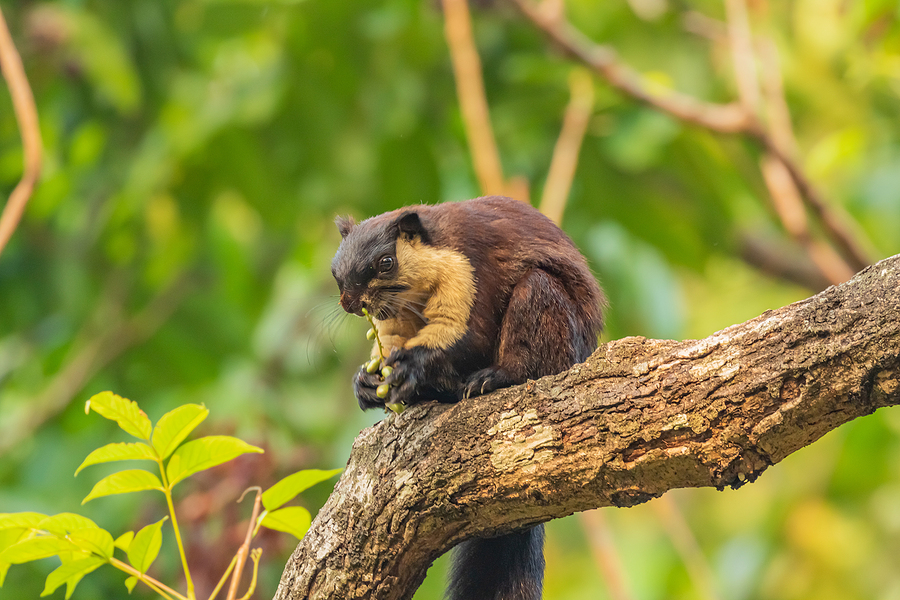
An Indian Giant Squirrel

Understanding the Importance of Squirrel Species Diversity

As nature enthusiasts, it’s crucial to grasp the vastness of variety within the squirrel family. Squirrel species vary tremendously in size, color, and habits. Some have adapted to city living, while others remain inhabitants of dense rainforests or high alpine regions. This diverse distribution is pivotal for preserving ecosystems, as squirrels contribute to seed dispersal and act as prey for a variety of predators, helping to maintain the intricate balance of nature.

North American Squirrels

The Americas are home to a multitude of squirrel species, each with their unique traits. From the tree-dwelling Eastern Grey Squirrel, a common sight in suburban backyards, to the agile and swift fox squirrel of the woodlands and urban parks, these furry creatures are vital components of many North American environments. Red squirrels, distinct with their tufted ears, are particularly prevalent in Canada’s coniferous forests, where their role in the ecosystem is directly linked to the health of the timber stands.

European Squirrels

The continent of Europe boasts its own array of squirrel species. Perhaps the best-known is the Eurasian Red Squirrel, which has faced various conservation challenges due to competition with the introduced Grey Squirrel. Meanwhile, the charming and diminutive Siberian Chipmunk has been introduced to several European countries, where it has established itself as an invasive, non-native species.

Asian Squirrels

In the diverse landscapes of Asia, squirrels can be found ranging from tropical forests to remote mountain ranges. The Indian giant squirrel (pictured above), also called the Malabar squirrel or Giant squirrel, with its multicolored fur, is an arboreal spectacle, while the Pallas’s squirrel’s high-altitude adaptations allow it to thrive in the cold, rocky terrain of the Himalayas. Not to forget the striped squirrel, a common resident of urban areas in many Asian cities, demonstrating the adaptability of these creatures even in the most developed landscapes.

Delving into the World of Squirrel Facts and Behaviors

A closer look at the fascinating aspects of squirrel life reveals a depth of intelligence and an arsenal of skills necessary for their survival and success in the wild.

Adaptation and Survival Techniques

Squirrels are masters of adaptation, finding ways to store food that will last them through the lean winter months. They cache food within the ground, under tree bark, or in the trunks of hollow trees, and they’re remarkably adept at remembering the locations of their hoards, which can number in the thousands. With cool scientific breakthroughs in studying animal cognition, we’ve come to appreciate the complexity of squirrel intelligence and memory.

Communication and Social Behaviors

While often seen as solitary creatures, squirrels maintain complex social networks. They signal warnings to each other through a series of vocalizations and tail signals, which they use to communicate danger and various other messages. Squirrels can also be quite territorial and will defend prime feeding grounds with gusto, engaging in impressive displays of posturing and vocals.

Conservation Efforts and Challenges

Squirrels, like many wild animals, are not without their struggles. Habitat loss, disease, and introduced species are among the factors that can impact squirrel populations. Conservation initiatives are crucial in preserving the habitats that support squirrels and in controlling invasive species that may disrupt the natural environment. Highlighting local efforts and ways that enthusiasts can contribute could be a significant step in promoting a safer environment for these beloved creatures.

Ways to Engage with Squirrels Responsibly

For many nature lovers, watching squirrels can be a source of joy and connection with the outdoors. There are ways to enjoy and learn from these creatures without causing undue stress or harm.

Attracting Squirrels to Your Backyard

Creating a squirrel-friendly environment in your yard can be a rewarding endeavor. Providing a consistent food source, such as seeds and nuts, and suitable nesting opportunities, like birdhouses or boxes, can encourage squirrels to visit. Different species may have preferences for certain foods, so adjust your offerings to attract the kinds of squirrel species native to your area.

Responsible Squirrel Watching and Feeding Practices

Watching and feeding squirrels can be a delightful pastime, but it’s essential to ensure that these interactions are positive for squirrels and humans alike. Using squirrel-proof feeders, providing only appropriate foods, and maintaining respectful distances are simple steps to ensure that your admiration for squirrels does not become a nuisance or a threat to their health.

Understanding and Addressing Nuisance Squirrels

In some situations, squirrels may become a nuisance, whether they’re causing damage to homes or presenting a danger to inhabitants. Addressing these issues requires a balanced approach that respects the welfare of the animals while also protecting human interests.

Safe Squirrel Control Methods

Effective and humane methods exist for managing squirrel populations, especially in situations where they may pose a threat to property or public health. Using live traps, exclusion methods, and repellents can deter squirrels from unwanted areas without causing them harm.

Hiring Professionals for Squirrel Removal

When the presence of squirrels becomes unmanageable or dangerous, it may be necessary to seek the assistance of wildlife removal professionals. These experts have the knowledge and tools to safely relocate squirrels to suitable habitats or to humanely euthanize them, if necessary.

In Closing

Squirrels remind us of the intricate tapestry of life that surrounds us. By taking the time to truly understand and protect squirrel species, we can contribute to the preservation of the planet’s diverse ecosystems. Encouraging a shared space with these creatures, even if through the simplest acts of observation and provision, can create a more harmonious relationship between humans and the wildlife we share our world with. As we continue to coexist with these furry neighbors, may our hearts be as open to their magnificence as the branches to which they so nimbly leap.

Would you like some professional assistance with getting rid of squirrels on your property? Contact Virginia Wildlife Pros at 804-292-0156 for licensed and insured squirrel removal and control in Richmond, Virginia, and surrounding counties. We serve residential and commercial customers with comprehensive mice and rat removal solutions at affordable prices. Request a free quote, today!

Related Posts:

The Squirrel Diet: What These Critters Eat and Why It Matters
How to Get Rid of Pesky Squirrels Without Harming Them
The Benefits of Professional Squirrel Control Services