Richmond’s winters may be milder than those in the Northeast, but when the temperatures drop along the James River, local wildlife starts looking for shelter. For raccoons, squirrels, and rodents, your attic or crawl space offers the perfect refuge from the cold. Unfortunately, what is cozy for them can be disastrous for your home.
As winter sets in, wildlife activity shifts from foraging in the open to seeking warmth and security. Animals that might usually stay in the trees or underground suddenly view your vents, chimneys, and loose siding as invitations. Understanding these behaviors is the first step in protecting your property. By identifying the signs early and taking proactive measures, you can prevent costly damage and health risks before they take root.
Common Winter Pests in Richmond
In the Richmond area, several species become particularly troublesome during the winter months. Understanding their habits can help you spot an infestation before it spirals out of control.
Rodents (Mice and Rats)
Mice and rats are perhaps the most persistent winter invaders. They can squeeze through impossibly small openings—a mouse needs a hole only the size of a dime. Once inside, they reproduce rapidly and can contaminate food sources and insulation. According to the CDC, rodent droppings can spread diseases, making them a serious health hazard rather than just a nuisance.
Squirrels
Eastern gray squirrels and flying squirrels are common sights in Richmond neighborhoods. While they are entertaining in the park, they are destructive houseguests. Flying squirrels, in particular, are nocturnal and often invade attics in groups during winter to share body warmth. They are known for gnawing on electrical wiring, which poses a significant fire risk.
Raccoons
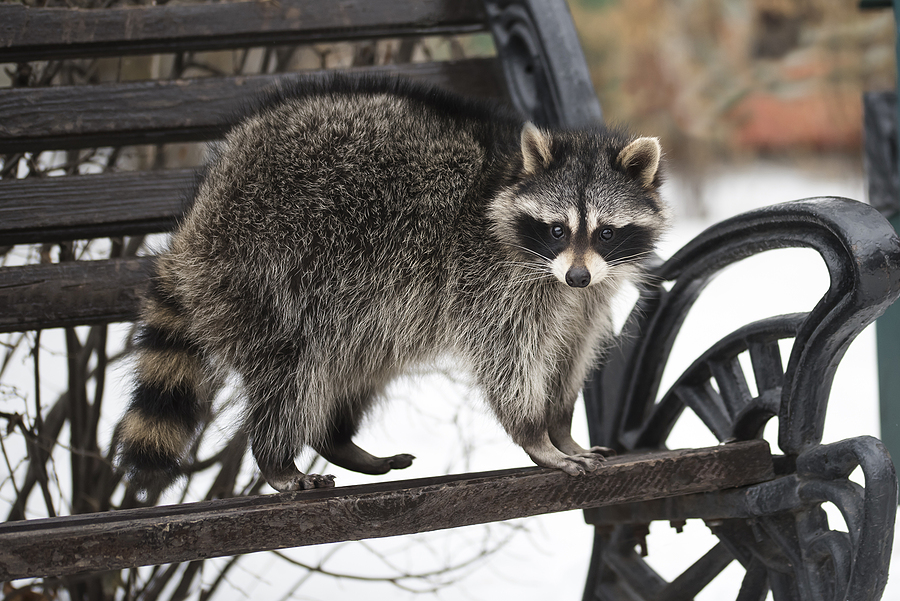
Raccoons are highly adaptable and intelligent. In urban and suburban Richmond, they often den under decks, in crawl spaces, or in attics. They are strong enough to tear off shingles or vents to gain entry. While seeing a raccoon during the day isn’t necessarily a sign of rabies, abnormal behavior—like stumbling or aggression—is a red flag that requires immediate professional attention.
Effective Wildlife Control Tips
Exclusion is the most effective, humane, and long-term solution for wildlife control. By sealing entry points, you encourage animals to find shelter elsewhere.
Seal Entry Points
Inspect your home’s exterior for gaps, cracks, or holes. Pay close attention to areas where utility pipes enter the house, as well as rooflines and eaves. Use steel wool and caulk to seal small holes, as rodents can chew through foam sealants and wood.
Manage Food Sources
Wildlife is driven by the search for food.
- Bird Feeders: If squirrels are becoming a problem, consider removing bird feeders temporarily or installing baffles. The Virginia Department of Wildlife Resources (DWR) suggests placing feeders at least 15 feet away from any structure an animal could jump from.
- Trash: Secure trash cans with tight-fitting, animal-proof lids.
- Pet Food: Avoid leaving pet food outside overnight, as this is a major attractant for raccoons and skunks.
Maintain Your Yard
Trim tree branches that hang over your roof. These act as bridges for squirrels and raccoons to access your attic. Additionally, clearing fallen fruit and heavy brush reduces the cover and food available to pests near your home’s foundation.
Request a Free Wildlife Control Assessment Today ✅
When to Call a Professional Service
While minor exclusions can be DIY projects, active infestations often require professional intervention. Wildlife removal is not just about catching an animal; it’s about doing so safely, humanely, and legally.
Health Risks
Cleaning up after an infestation is dangerous. Rodent urine and droppings can carry Hantavirus and other pathogens. The CDC explicitly warns against sweeping or vacuuming droppings, as this can release virus-carrying particles into the air. Professionals have the proper personal protective equipment (PPE) and disinfectants to remediate biohazards safely.
Structural Integrity
Animals can cause unseen damage, from chewed wires inside walls to soiled insulation that needs replacing. A professional wildlife control operator can assess the full extent of the damage and recommend comprehensive animal proofing and repairs to restore your home’s integrity.
Navigating Local Regulations
Wildlife control in Richmond is subject to specific state and local laws designed to protect both the public and the animals.
Trapping and Relocation
It is crucial to know that relocating wildlife is generally illegal in Virginia. The Virginia DWR states that trapping and moving an animal to another location—such as a park or wooded area—is prohibited. This is to prevent the spread of diseases like rabies and to avoid disrupting established ecosystems.
City Ordinances
Richmond city code also has strict rules regarding wildlife. Specifically, transporting or importing high-risk species like raccoons, skunks, and foxes into the city is prohibited. Furthermore, if a wild animal bites or injures a human and is suspected of being rabid, city ordinances mandate that it must be humanely euthanized and tested. Attempting to handle these animals yourself puts you at legal and physical risk.
Secure Your Home This Season
Winter should be a time of comfort, not a battle against uninvited guests in your attic or walls. Protecting your home from wildlife requires vigilance, preventative maintenance, and a respect for the animals’ habits and the laws governing them.
If you suspect you have a wildlife issue, don’t wait for the damage to worsen. Contact our team of licensed professionals today for safe, humane, and effective wildlife removal in Richmond and the surrounding areas. Let us help you reclaim your home and peace of mind this winter.
Related Post: Bracing for Winter: Your Guide to Animal-Proofing in Virginia