How to Get Rid of Mice in the House Effectively

It’s late at night, and the house is quiet. Just as you’re drifting off to sleep, you hear it—a faint scratching sound behind the wall or the telltale scurry of tiny claws across the floor. Few things disrupt your peace of mind quite like the realization that you’re sharing your home with a mouse. These uninvited guests are not only unsettling but also pose significant risks to your health and the safety of your property.

While a single mouse might seem manageable, it’s rarely an isolated incident. Mice reproduce quickly, turning a minor nuisance into a full-blown infestation in a matter of weeks. They can chew through electrical wires, contaminate your food supply, and spread harmful bacteria throughout your living space. Ignoring the problem isn’t an option if you want to protect your home and your family’s well-being.

The good news is that you don’t have to resort to harsh chemicals or dangerous poisons to reclaim your space. By understanding what attracts rodents and implementing strategic control methods, you can effectively remove them and prevent their return. This guide will walk you through identifying the signs of an infestation, exploring humane and non-toxic solutions, and sealing your home against future invasions.
Call 804-292-0156 to Get Rid of Mice in Richmond Virginia

Identifying a Mouse Infestation in the House

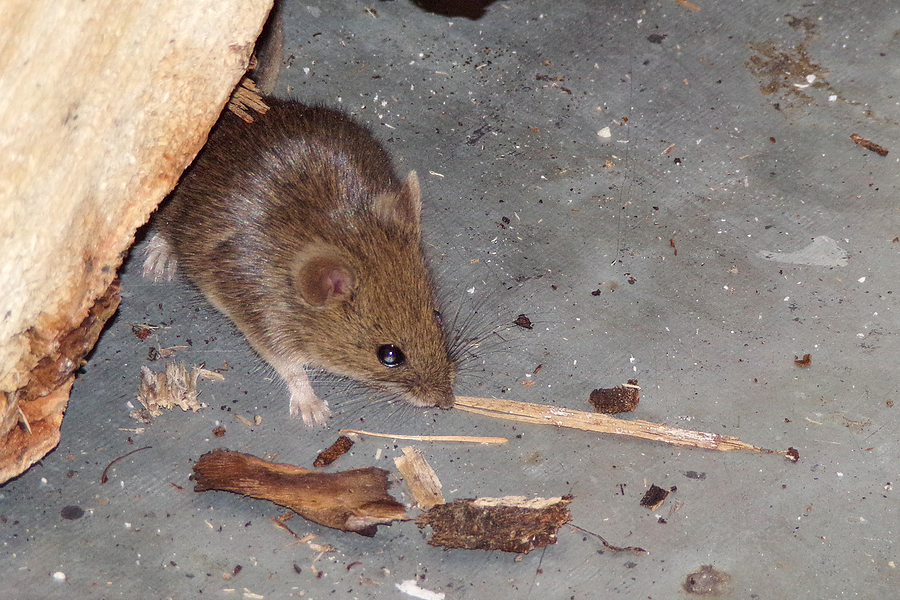
Often, you’ll see the signs of a mouse long before you see the creature itself. Mice are nocturnal and naturally secretive, preferring to move under the cover of darkness. However, they leave behind distinct clues that can alert you to their presence if you know what to look for.

Droppings

The most common indicator is droppings. Mouse droppings are small, dark, and rod-shaped, typically found near food packages, inside drawers, or under sinks.

Gnaw Marks

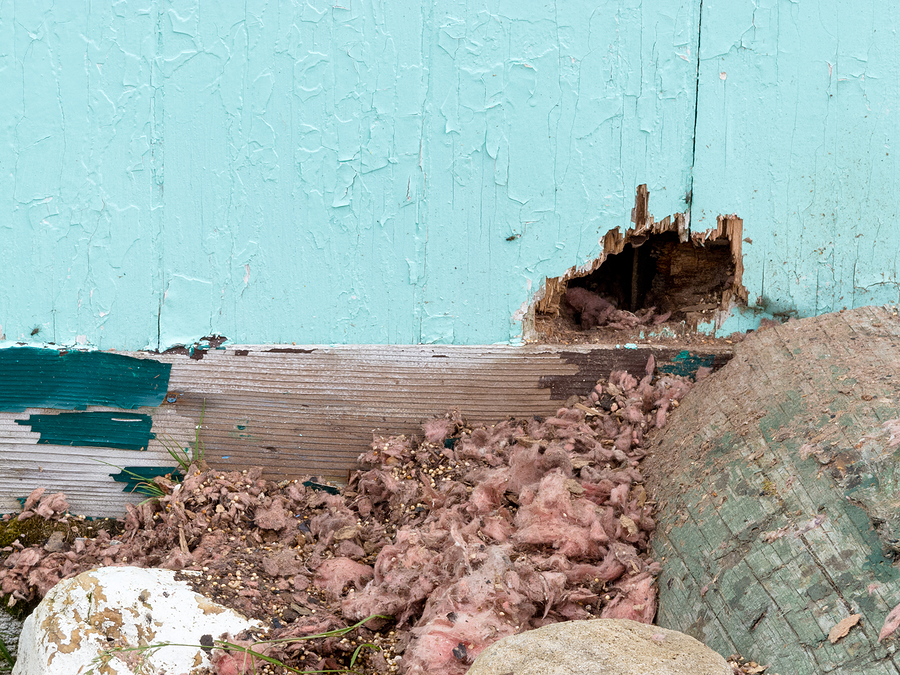
You might also notice gnaw marks on baseboards, furniture, or pantry items. Because their teeth never stop growing, mice must chew constantly to keep them filed down, leaving damaged materials in their wake.

Smudges on Walls

Another subtle sign is the presence of “rub marks”—dark, greasy smudges along walls or baseboards where their fur brushes against surfaces as they travel their regular routes.

Nesting Signs and Sounds

Additionally, nesting materials like shredded paper, fabric, or dried plant matter tucked away in quiet corners can indicate that a mouse has made itself comfortable. If you hear scratching or squeaking sounds in your walls or ceilings, especially at night, it’s time to take action.

Natural Mouse Deterrents

For homeowners wary of using toxic baits or poisons, especially those with children or pets, natural deterrents offer a safer initial line of defense. These methods focus on making your home less attractive and hospitable to rodents, encouraging them to seek shelter elsewhere.

Sanitation is your most powerful tool. Mice are driven primarily by the search for food and shelter. By eliminating their food sources, you make your home far less appealing. Store all pantry items, including pet food and birdseed, in airtight glass, metal, or heavy-duty plastic containers. Clean up crumbs and spills immediately, and ensure your garbage cans have tight-fitting lids.

While scientific evidence regarding scent-based deterrents is mixed, many homeowners report success using strong odors that mice find unpleasant. Peppermint oil is a popular choice; soaking cotton balls in 100% pure peppermint oil and placing them near suspected entry points may help repel them. However, these scents dissipate quickly and must be refreshed often to remain effective.

Ultimately, removing the resources they need to survive is the most reliable “natural” deterrent.

Request a Free Mouse Infestation Assessment Today

Humane Mouse Trapping Methods

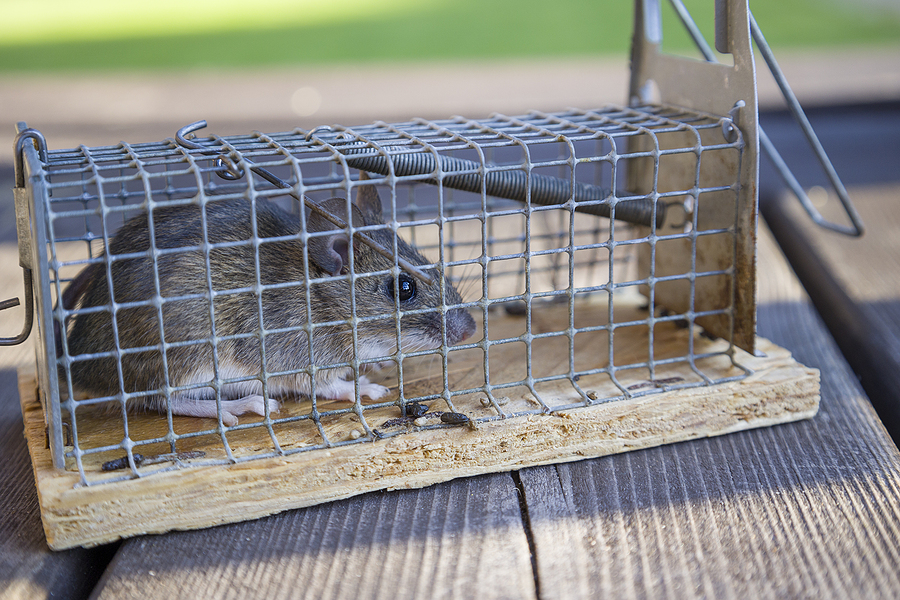
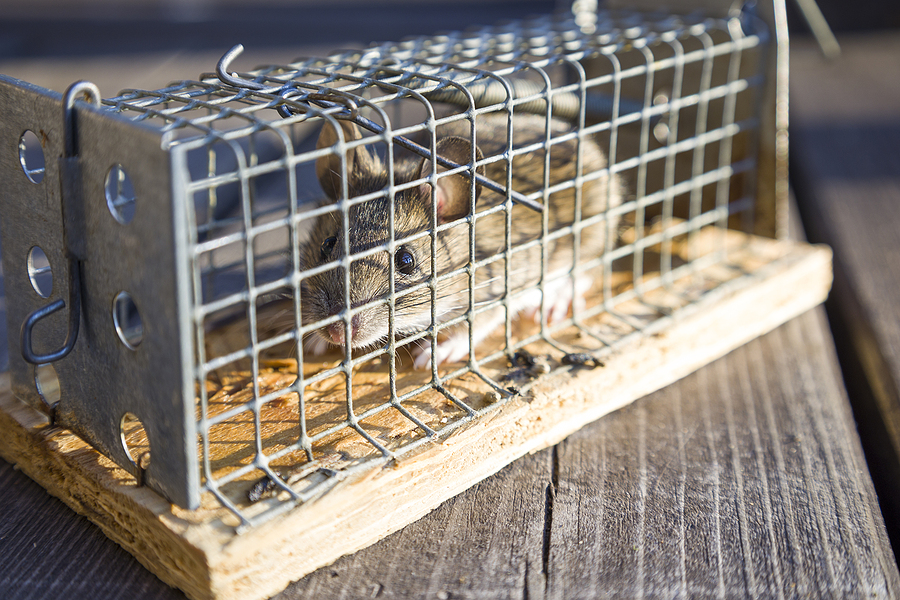
If you want to remove mice without harming them, humane catch-and-release traps are a viable option. These traps are designed to lure the mouse inside and contain it safely until you can release it back into the wild. Unlike snap traps or glue boards, which can cause injury or death, live traps prioritize the animal’s welfare.

To use these traps effectively, bait them with high-protein foods like peanut butter, which is sticky and harder for the mouse to steal without triggering the mechanism. Place the traps along walls where you have seen activity, as mice rarely travel across open spaces. Check the traps frequently—at least once a day—to ensure any captured animal doesn’t suffer from dehydration or stress.

When releasing a captured mouse, distance is key. To prevent the mouse from returning to your home, release it at least two miles away in a wooded or rural area. Be mindful of local regulations regarding the release of wildlife, and always wear gloves when handling traps to protect yourself from potential diseases.

Preventing Rodents With Proper Exclusion

The most effective way to handle a mouse problem is to prevent it from happening in the first place. This process, known as wildlife exclusion, involves finding and sealing the gaps that allow mice to enter your home. You might be surprised to learn that a mouse can squeeze through a hole the size of a dime (about 1/4 inch).

Start by inspecting the exterior of your home. Look for cracks in the foundation, gaps around windows and doors, and openings where utility pipes or wires enter the house. Pay close attention to corners and vents.

Once you have identified these entry points, seal them with durable materials. Avoid using plastic, rubber, wood, or spray foam alone, as mice can easily chew through these. Instead, fill small holes with steel wool or copper mesh, which rodents cannot gnaw through, and seal it in place with caulk.

For larger openings, use hardware cloth (wire mesh) or cement. Installing door sweeps on exterior doors is another simple yet effective measure to block their access.

Professional Rodent Control

Sometimes, despite your best efforts, an infestation can persist. If you are noticing signs of a large population, such as daytime sightings or a strong ammonia-like smell of urine, it may be time to call in the experts. A professional pest control service has the training and tools to identify nesting sites you might miss and can implement a comprehensive removal plan.

Professionals can also help with the cleanup process, which is critical for health and safety. Cleaning up mouse droppings requires care to avoid inhaling harmful particles. Professionals know how to sanitize areas safely and can provide specialized exclusion services to rodent-proof your home permanently.

In Summary

Getting rid of mice requires vigilance and a proactive approach. By combining proper sanitation, exclusion techniques, and humane removal methods, you can reclaim your home and peace of mind. Remember, the goal is not just to remove the current intruders but to create an environment where they cannot return. Start with a thorough inspection of your property today, and tackle those small repairs that make a big difference. A secure, clean home is the best defense against unwanted guests.

For reliable, professional rodent removal and control in Richmond, Virginia, contact our team of experts today. We’ll help you safeguard your home and ensure your family stays healthy and comfortable.

Call for a Free Estimate

Related Post: Banish Mice from Your Home with These Proven Rodent Removal Strategies

The Ultimate Guide to Rodent Control for Virginia Homeowners 

Rodents aren’t just a nuisance—they can be a serious threat to your home and health. If you’re a homeowner in Virginia, you’ve likely heard stories or even experienced rodent problems firsthand. Virginia’s diverse climate and terrain provide an ideal environment for rats, mice, and other pests to thrive, which means protecting your home requires vigilance and action. 

This guide will walk you through everything you need to know about rodent control in Virginia, from identifying infestations and understanding local species to effective removal techniques and long-term prevention strategies.

Call 804-292-0156 When You Need Effective Rodent Control in Richmond Virginia

Identifying Rodent Infestation 

Before you can effectively tackle a rodent problem, you need to know what to look for. Rodents are excellent at hiding, but they often leave behind telltale signs of their presence. 

Common Signs of Rodent Presence 

  • Rodent droppings around food storage areas, along baseboards, or in attics 
  • Chew marks on furniture, electrical wires, or food packages 
  • Scratching or scurrying sounds within walls or ceilings, particularly at night 
  • Grease marks or smudges along walls where rodents frequently travel 
  • A distinct musky or foul odor in enclosed spaces 

Where to Look for Rodent Activity 

Rodents favor areas that provide food, water, and shelter. Check high-risk areas such as: 

  • Pantries and kitchens 
  • Garages and basements 
  • Under sinks and behind appliances 
  • Attics, crawl spaces, and wall cavities 

If you notice any of these signs or suspect rodent activity, it’s time to take action immediately to prevent the problem from escalating. 

Understanding Virginia’s Rodent Species 

Not all rodents are the same. Knowing which type you’re dealing with can help you strategize the best removal and prevention methods. 

Types of Mice and Rats Found in Virginia 

House Mice  

  • Small, gray, with pointed noses 
  • Prefer indoor environments and are excellent climbers 

Norway Rats 

  • Larger than mice, with brown fur and short tails 
  • Often burrow outdoors but enter homes in search of food 

Roof Rats 

  • Sleek, black or dark brown with long tails 
  • Tend to nest in attics or trees, earning the nickname “roof rats” 

Behaviors and Habitats 

  • House Mice: They’re nocturnal, fast breeders, and can squeeze through holes as small as a dime. 
  • Norway Rats: Known for building burrows, these rats are skilled diggers. 
  • Roof Rats: Agile climbers, they are often found in higher areas like roofs and treetops. 

Understanding the behaviors and habitats of these species will help you get rid of mice and rats more effectively. 

Health Risks Associated with Rodents 

Rodents don’t just damage property—they can severely impact your health and well-being. 

Diseases and Health Hazards 

  • Hantavirus: Spread through rodent droppings, urine, or saliva. 
  • Salmonella: Contracted when rodents contaminate food or surfaces. 
  • Rat-Bite Fever: Transmitted through bites or scratches from infected rats. 
  • Leptospirosis: Spread through contact with water contaminated by rodent urine. 

Impact on Safety and Well-being 

Beyond health risks, rodents can compromise your home’s safety. Their tendency to gnaw on objects could lead to electrical fires or water damage if they chew on plumbing fixtures. 

Rodent Control Measures 

Effective rodent control combines proactive prevention and responsive removal methods. 

Preventative Measures to Keep Rodents Out 

  • Seal Entry Points: Close gaps around windows, doors, and utility pipes. 
  • Store Food Properly: Use airtight containers and clean up crumbs promptly. 
  • Declutter: Remove debris, wood piles, or overgrown vegetation near your home to eliminate hiding spots. 
  • Secure Trash: Keep garbage cans sealed tightly to avoid attracting rodents. 

Trapping and Baiting Techniques for Rodent Removal 

  • Snap Traps: Ideal for quick and humane mouse trapping. 
  • Live Traps: Allow you to catch and release rodents safely. 
  • Bait Stations: Use rodenticides effectively while keeping pets and children safe. 

Ensure traps and bait stations are placed along walls or in areas where you’ve spotted heavy rodent activity. 

The Role of Professional Pest Control Services 

Sometimes, infestations require more expertise than DIY solutions can provide. Professional rodent control services can offer comprehensive inspections, targeted removal strategies, and long-term protection plans tailored to your home. Services like rodent removal in Virginia are especially crucial for larger infestations or when dealing with hard-to-reach areas. 

Maintaining a Rodent-Free Home 

The key to lasting rodent control is a combination of maintenance and vigilance. 

Long-Term Strategies for Preventing Future Infestations 

  • Ensure all entry points remain properly sealed. 
  • Install door sweeps and weather stripping to close gaps. 
  • Use screens on vents and chimneys to keep rodents at bay. 
  • Keep outdoor vegetation trimmed and maintained. 

Regular Maintenance and Inspection Practices 

  • Conduct quarterly inspections of common rodent activity spots. 
  • Clean out attics, basements, and crawl spaces periodically. 
  • Schedule professional rodent control check-ups annually to avoid surprises. 

By committing to these practices, you can dramatically reduce the likelihood of future infestations and enjoy peace of mind in your Virginia home. 

Protect Your Home and Peace of Mind 

Rodent control in Virginia is essential for safeguarding your home and health. By understanding the signs of infestation, learning about local rodent species, and adopting effective control measures, you can take proactive steps to avoid the stress and risks rodents bring. 

Remember, when it comes to large infestations or tricky situations, professional pest control services are just a call away. Don’t wait for the problem to worsen—act today to keep your home pest-free. Contact a trusted Virginia pest control provider to schedule an inspection or consultation and reclaim your home from unwanted guests.  

Thinking about your next step? Say goodbye to rodents and hello to peace of mind. Contact Virginia Wildlife Pros at 804-292-0156 for professional rodent removal and control in Richmond and surrounding towns. We serve residential and commercial customers with comprehensive mice and rat extermination at affordable prices. Request a free quote, today!

Related Posts:

Rat Control Strategies: How to Prevent and Eliminate Infestations
Understanding Rodents: How to Prevent an Infestation
How to Identify a Mouse Infestation in Your Home

Get Rid of Rodents: The Hidden Dangers of Hantavirus in Mice and Rats

In the serenity of Virginia’s lush landscapes, a hidden danger lurks—hantavirus, a potentially life-threatening virus transmitted through rodents, namely mice and rats. As a Virginia homeowner, it’s crucial to be aware of this risk, especially if you are health-conscious or often find rodents scurrying around your property. This blog post aims to educate you on hantavirus, its connection with local wildlife, and how to safeguard your family and home from this invisible threat.

Call 804-292-0156 When You Need Animal Removal Services in Richmond VA

A Closer Look at Nuisance Rodents in Virginia

Virginia is home to a variety of wildlife that can sometimes become uninvited guests in our homes. Common nuisances include mice, rats, and squirrels, all of which are known for nesting in attics, basements, and garages. These animals are not only disruptive but can also be carriers of hantavirus. Understanding their habitats and behaviors is the first step toward prevention.

Many of these creatures are drawn to human dwellings due to the availability of food, water, and shelter. They can easily find their way inside through small openings and cracks. Once inside, they may build nests and multiply, increasing the risk of hantavirus transmission. It’s essential for homeowners to regularly inspect their properties for signs of these pests.

Preventive measures, such as sealing entry points and maintaining a clean environment, are effective in deterring these animals. By understanding the habits and habitats of Virginia’s wildlife, residents can better protect their homes and families from potential infestations.

Hantavirus, Explained

Hantavirus is primarily spread through contact with infected rodents and their droppings, urine, or saliva. In Virginia, the deer mouse is a common carrier. The virus can cause Hantavirus Pulmonary Syndrome (HPS), a severe respiratory illness that can be fatal if not treated promptly.

Symptoms of hantavirus infection include fever, muscle aches, and fatigue, which can progress to coughing and shortness of breath. These symptoms often resemble the flu, making early detection challenging. However, if you suspect exposure to rodents or their droppings, seeking medical attention is crucial.

The risk of hantavirus increases in areas with high rodent populations, such as rural or wooded regions. Homeowners should be vigilant about rodent activity around their properties, especially during the warmer months when these pests are more active.

Signs of a Rodent Problem

As mentioned earlier, regular property inspections can help prevent rodent infestations. If you notice signs of infestation, it’s important to take action immediately to prevent further spread and potential exposure to hantavirus. Contacting a professional exterminator is recommended for safe and effective removal of rodents. Some signs of a potential problem include:

  • Droppings: Rodents leave behind small droppings in their nesting areas.
  • Gnaw marks: These animals have strong teeth and gnaw on objects to keep them trimmed down.
  • Nests: Look for nests made from shredded materials like paper or fabric.
  • Strange noises: Hearing scratching or scurrying sounds coming from walls or ceilings may indicate the presence of rodents.

Reducing the Risk in Your Home

To minimize the risk of hantavirus, it’s important to take proactive steps to prevent wildlife from entering your home. Start by sealing any potential entry points, such as gaps in windows, doors, or foundations. Regular maintenance and repairs can help keep your home secure.

Maintaining cleanliness is another key factor. Ensure that food is stored in airtight containers, trash is disposed of properly, and pet food is not left out overnight. These practices reduce the attraction for rodents seeking food sources.

If you encounter wildlife inside your home, it’s crucial to handle the situation carefully. Avoid direct contact and use gloves when cleaning areas where rodents have been present. Disinfect surfaces with bleach solution to kill any potential viruses.

The Role of Professional Wildlife Removal

While DIY methods can be effective, seeking professional wildlife removal services is often the safest option. Experts are trained to handle wildlife humanely and know how to remove them without causing harm. They can also provide valuable advice on preventing future infestations.

Professional help ensures that the removal process complies with local laws and regulations. Additionally, experts can identify and seal entry points that homeowners might miss, providing an extra layer of protection against wildlife intrusions.

Investing in professional wildlife removal can save time, reduce stress, and most importantly, lower the risk of hantavirus exposure for you and your family.

Legal and Ethical Considerations

In Virginia, there are legal and ethical aspects to consider when dealing with nuisance wildlife. It’s important to be aware of state laws regarding the trapping and relocation of animals. Some species are protected, and improper handling can lead to legal consequences.

Ethically, it’s essential to treat wildlife with respect and ensure that removal methods are humane. Working with licensed professionals guarantees that the process adheres to ethical standards and minimizes harm to animals.

Understanding the legal and ethical framework of wildlife removal helps homeowners make informed decisions that protect both their families and local ecosystems.

In Summary

The risks associated with hantavirus are real, but with awareness and proactive measures, Virginia homeowners can protect their families and homes. Regular inspections, preventive maintenance, and professional help are critical components of an effective strategy.

If you suspect a wildlife infestation or have concerns about hantavirus, don’t hesitate to seek professional assistance. Protecting your health and safety is worth the investment. Stay informed, stay safe, and ensure your home remains a sanctuary free from unwanted wildlife intrusions.

Looking for a professional approach to dealing with nuisance animal invasions and tampering? Contact Virginia Wildlife Pros at 804-292-0156 for professional rodent removal and control service in Richmond, Virginia for all types of native species, today.

Related Posts:

Understanding Rabies in Virginia: Wildlife, Pets, and You
Understanding Rodents: How to Prevent an Infestation
Unmasking the Culprits: Common Diseases Affecting Virginia’s Wildlife

Rat Control Strategies: How to Prevent and Eliminate Infestations

Rats are more than a nuisance; they’re a genuine threat to homes, businesses, and public health. These rodents carry diseases, damage property, and can even cause electrical fires by gnawing on wires. Understanding how to control rat infestations is crucial, whether you’re a homeowner, a small business owner, or a property manager.

In this guide, we’ll explore effective strategies to identify, prevent, and eliminate rat infestations. From recognizing the early signs of a problem to deploying successful prevention methods, this post will equip you with the knowledge needed to tackle rat issues head-on.

Call 804-292-0156 for Licensed Rat Removal and Control Service in Richmond Virginia

Identifying a Rat Problem

Before you can address a rat infestation, you must first confirm its presence. Rats leave several telltale signs, the most common being droppings. These can often be found near food sources, along paths, and in hidden corners. Gnaw marks on furniture, walls, or wiring are another strong indicator of a rat problem. If you notice your pets behaving unusually—staring or barking at unseen corners—this could also signal an infestation.

Early detection is critical. Ignoring these signs can lead to a full-blown infestation, causing significant property damage and health risks. Rats reproduce rapidly, so a minor issue can quickly escalate if left unchecked. Spotting these signs early allows for immediate action, minimizing the damage and effort required to rid your property of these pests.

Understanding Rat Behavior

Understanding rat behavior is key to effectively controlling and preventing infestations. Rats are nocturnal creatures, which means they are most active at night. They prefer to nest in warm, hidden places close to food and water sources. Attics, basements, and inside walls are common nesting sites. Knowing where rats might nest can assist in both detecting and eradicating them.

Rats are attracted to properties that offer easy access to food, water, and shelter. Leftover food, open garbage bins, and cluttered spaces provide an open invitation for these rodents. Furthermore, unsealed entry points in homes or buildings give rats the opportunity to gain access and start nesting. Being aware of these factors is essential for effective prevention.

Rodent Prevention Methods

Preventing rats from entering your property is far easier than dealing with an established infestation. Securing entry points is your first line of defense. This means sealing cracks and holes in walls, floors, and foundations. Installing door sweeps and using wire mesh on vents can also prevent rats from sneaking in.

Maintaining a clean environment is another crucial prevention strategy. Promptly cleaning up food spills, storing food in airtight containers, and keeping garbage lids sealed tight can deter rats. Clutter provides hiding places, so keep storage areas organized and tidy.

For outdoor prevention, trim vegetation away from your home or business as rats can use branches to gain access to roofs. Effective waste management is essential; ensure garbage bins are sealed and stored away from building walls. By implementing these measures, you can significantly reduce the likelihood of a rat infestation.

Rat Control Measures

If prevention methods fail and you find yourself dealing with a rat infestation, it’s time to consider active control measures. Traps are a humane and effective option when used correctly. There are different types of traps available, such as snap traps, electronic traps, and live traps. The key is to place them strategically, focusing on areas with frequent rat activity, and monitor them regularly.

Baits are another useful tool in rodent control, but they must be used cautiously, especially around children and pets. Ensure baits are placed in tamper-resistant bait stations and check them frequently to replace any consumed bait.

Combining traps and baits can increase the effectiveness of your rat eradication efforts. However, always follow safety guidelines and instructions to ensure a safe and efficient process.

Rodent Removal and Control Services

Sometimes, the rat problem might be too extensive or complex to handle alone. In such cases, it’s wise to consider professional rat control services. These experts have the experience, tools, and knowledge to handle severe infestations effectively and safely.

Professional rodent control services can perform a thorough inspection of your property, identify entry points, and determine the best eradication and prevention strategies. They also provide follow-up services to ensure the problem is fully resolved.

When choosing a professional rodent removal company, look for those with good reviews, proper licensing, and experience in your specific type of property. Investing in professional help can save you time, stress, and potentially costly damage repairs.

Conclusion

Rats pose serious risks to properties and health, but with vigilance and the right strategies, they can be prevented and controlled. By understanding the signs of a rat infestation and implementing prevention measures, homeowners, business owners, and property managers can protect their spaces from these unwelcome invaders. Should the need arise, professional services are available to tackle more serious infestations. Take action today to secure your property and ensure a rodent-free environment. If the problem persists, don’t hesitate to reach out to a professional rodent removal service for expert assistance.

Are you dealing with a rodent issue in your home or business? Contact Virginia Wildlife Pros at 804-292-0156 for professional rat control service in Richmond, Virginia and surrounding areas. We serve residential and commercial customers with comprehensive mice and rat removal solutions at affordable prices. Request a free quote, today!

Related Posts:

Common Signs of a Rat Infestation in Your House
Defending Your Domain: Top 5 Ways to Remove Rodents from Your Property
Understanding Rodents: How to Prevent an Infestation

Banish Mice from Your Home with These Proven Rodent Removal Strategies

Picture this—you wake up in the middle of the night to a faint scratching sound. You turn on the light and see a tiny shadow dart across the floor. Heart racing, you realize you might have a mouse infestation. Mice are not only a nuisance but also a health hazard.

For homeowners, health-conscious individuals, business owners, and anyone in search of pest control solutions, understanding how to get rid of mice effectively is crucial. This blog will guide you through the entire process, from identifying signs of an infestation to implementing successful prevention and removal strategies.

Call 804-292-0156 for Licensed Mice Removal and Control in Richmond Virginia

Understanding Mice Infestations

Characteristics of Common House Mice

House mice are small, measuring about 2.5 to 3.75 inches in length, with large ears and tiny eyes. They are usually light brown or gray in color. These nocturnal creatures are adept at climbing, jumping, and squeezing through openings as small as a dime. Knowing their physical characteristics can help you identify them quickly.

Signs of a Mouse Infestation

Spotting a mouse in your home or business is a clear sign of an infestation. Other indicators include droppings, gnaw marks, and shredded materials used to build nests. You might also notice a musky odor, especially in enclosed spaces like cupboards and attics. If you hear scratching noises at night, it’s another tell-tale sign that mice have taken up residence in your property.

Dangers of Having Mice in Your Home or Business

Mice can wreak havoc on both your health and property. They are known carriers of diseases such as Hantavirus and Salmonella, which can contaminate your food and living spaces. Additionally, mice can chew through wires, leading to potential fire hazards, and damage insulation and drywall. The longer you wait to address a mouse infestation, the greater the risk to your health and home.

Preventing Rodent Infestations

Key Strategies to Keep Mice Out

Preventing a mouse infestation starts with making your home or business less inviting to these pesky rodents. Proper food storage is essential—keep all food in sealed containers and clean up crumbs immediately. Seal any entry points, no matter how small. Inspect your property for cracks in the foundation, gaps under doors, and holes in walls. Regularly maintain cleanliness to remove potential nesting materials.

Eco-Friendly and Humane Methods

If you’re looking for Eco-friendly and humane methods to prevent mice, consider using natural repellents like peppermint oil or placing predator decoys around your property. Ultrasonic devices are another humane option; they emit a sound that is unpleasant to mice but inaudible to humans and pets. By implementing these strategies, you can keep mice at bay without harming them or the environment.

How to Get Rid of Mice

Common Rodent Removal Methods

When it comes to getting rid of mice, there are several methods to choose from. Traps, such as snap traps and live traps, are classic options. Baits, particularly those containing anticoagulants, are effective but must be used with caution. Repellents, including electronic devices and natural sprays, can also help drive mice away.

DIY vs. Professional Service

While DIY methods can be cost-effective, they often require time and effort, and may not always be successful. Professional removal services, on the other hand, offer expertise and efficiency. Pest control experts can identify entry points, use specialized equipment, and provide long-term solutions. Weighing the pros and cons of each approach will help you decide which route is best for your situation.

Safety Precautions for Mouse Removal

Safety should always be a priority when dealing with mice. If you’re using traps or baits, place them out of reach of children and pets. Always wear gloves when handling traps or cleaning up droppings to avoid direct contact with harmful bacteria. Follow all product instructions carefully to ensure safe and effective use.

Post-Infestation Measures

Steps to Take After Successfully Removing Mice

Once you’ve successfully removed the mice, take steps to prevent future infestations. Continue to seal entry points and maintain cleanliness. Store food properly and keep an eye out for any signs of new activity. Regular inspections can help you catch any potential issues early on.

How to Repair Any Damages Caused by Mice

Mice can leave behind a trail of damage. Repairing gnawed wires and patching holes in walls are immediate concerns. Insulation might need replacing if it’s been contaminated. Thoroughly clean and disinfect any areas where mice were active to remove lingering odors and bacteria.

Conclusion

In summary, dealing with a mouse infestation requires a multifaceted approach. From recognizing the signs of an infestation to implementing prevention and removal strategies, each step is crucial. Regular maintenance and vigilance are key to keeping your home or business mouse-free. If you’re feeling overwhelmed, don’t hesitate to seek professional rodent control services. Taking swift action will protect your health and property, ensuring a safe and comfortable environment for all.

Thinking about your next step? Say goodbye to mice and hello to peace of mind. Contact Virginia Wildlife Pros at 804-292-0156 for professional rodent removal and control in Richmond and surrounding towns. We serve residential and commercial customers with comprehensive mice and rat extermination at affordable prices. Request a free quote, today!

Related Posts:

Defending Your Domain: Top 5 Ways to Remove Rodents from Your Property
Common Signs of a Rat Infestation in Your House
How to Identify a Mouse Infestation in Your Home

Safeguarding Your Property from Structural Damage by Wildlife

In the serene landscapes of Virginia, where the beauty of nature thrives, so does its wildlife. However, not all interactions between nature and human habitation bring joy and wonder. An increasing number of homeowners and property managers are confronting the harsh realities of property damage caused by wildlife tampering and infestations.

The statistics are alarming, and the need for timely intervention has never been more crucial. In this blog post, we aim to provide insights into safeguarding your property from structural damage by wildlife.

Call 804-292-0156 for Licensed Wildlife Infestation Removal and Cleanup in Richmond Virginia

Identifying the Culprit Behind a Wildlife Infestation

Virginia’s rich biodiversity hosts a variety of wildlife species, some of which find the nooks and crannies of our homes perfect for shelter and nesting. Common culprits include squirrels, raccoons, bats, and birds. Each leaves distinct signs of their presence, from gnawed wood and insulation, droppings, odd noises within walls or attics, to unexplained property damage. Recognizing these signs early is the first step in preventing significant structural damage.

Understanding the Threat

Wildlife tampering may seem inconsequential at first, but left unchecked it can cause significant harm to your property. As mentioned, some of the most common culprits are:

Rodents: Rats, mice, and squirrels can chew through wires, wood, and insulation in search of food and shelter.

Birds: Nesting birds can cause damage to roof tiles, gutters, and chimneys while creating a potential fire hazard with their nests made from flammable materials.

Raccoons: These masked bandits are notorious for creating holes and damaging roofs, siding, insulation, and wiring in search of food.

Opossums: These marsupials may seem harmless, but their sharp claws can cause significant damage to roofing materials, vents, and insulation.

Insects: Wood-boring insects like termites, carpenter ants, and beetles can wreak havoc on the structural integrity of your property. Pest outbreaks are often a result of wildlife infestations.

The Impact of Animal Tampering on Structures

The ingenuity of wildlife in adapting to urban environments can lead to significant structural damage to homes and buildings. Squirrels and raccoons, for instance, are known to chew through roofing materials and wooden beams, compromising the integrity of structures. Bats and birds nesting in attics or chimneys can block ventilation systems and spread diseases. Beyond the immediate structural damage, the health and safety implications of wildlife infestations—such as the spread of rabies or hantavirus—cannot be overlooked.

Wildlife Control and Prevention are Key

Preventing wildlife from making a home in your property involves a combination of vigilance, maintenance, and environmental awareness. Implementing certain preventive measures can significantly reduce the risk of wildlife infestation and the accompanying structural damage. Here are practical steps to take:

  • Regularly inspect your home for any signs of damage or potential entry points for wildlife.
  • Install or repair screens on vents and secure chimney caps to block entry.
  • Trim trees and branches near your home to limit wildlife access to roofs.
  • Secure trash bins and avoid leaving pet food outdoors to discourage wildlife attraction.

Professional Wildlife Control and Cleanup Solutions

When prevention falls short, and wildlife makes its presence known, professional wildlife removal and structural repair services become indispensable. These professionals not only safely and humanely remove the wildlife but also identify and repair the damage caused by the infestation. Hiring licensed and experienced wildlife control experts ensures that the removal process adheres to local wildlife laws and regulations, safeguarding both the animals and your property.

Conclusion

The beauty of Virginia’s wildlife is to be cherished, but not at the cost of our homes and health. Early detection and prevention are key to protecting your property from the potentially severe impacts of wildlife tampering and infestation. If you suspect the presence of wild animals in your home or notice signs of structural damage, take immediate action.

Consult with professional wildlife removal services to address the issue promptly and efficiently. Remember, the safety and integrity of your property may depend on your vigilance and response to these natural intruders.

If you’re facing any signs of wildlife infestation or have experienced structural damage due to these unforeseen guests, reach out to a trusted professional as soon as possible. Contact Virginia Wildlife Pros at 804-292-0156 for professional animal removal and control service in Richmond, Virginia for all native species of wildlife, today.

Related Posts:

10 Common Mistakes When Removing Dead Animals from Your Property
Preventing Animal Infestations: What You Need to Know
Do You Hear Squirrel Noises Coming From Your Attic? What To Do Next

Defending Your Domain: Top 5 Ways to Remove Rodents from Your Property

Rodent infestations are a homeowner’s or business owner’s worst nightmare. Not only do they pose health risks and cause property damage, but they also multiply rapidly, increasing the severity of the situation if left unchecked.

In this comprehensive guide, we’ll explore the various methods for rodent removal, ensuring you’re equipped with both the DIY know-how and insights into when it’s vital to bring in the professionals. Whether you’re a novice or a seasoned pest control enthusiast, these strategies will help you regain control of your domain and keep it rodent-free.

Call 804-292-0156 for Licensed Rodent Removal and Control in Richmond Virginia

Understanding Your Rodent Infestation Problems

Before we set out to eliminate these unwelcome guests, it’s crucial to understand the common rodents found in homes and businesses. Mice and rats are the most prevalent, with characteristics that affect choice of bait, trap sensitivity, and even entry point size. Knowing your enemy is the first step in mounting an effective rodent removal campaign.

Facts About Mice:

  • Typically smaller with a slender body.
  • Can fit through openings as small as a dime.
  • Are notorious for their rapid breeding.

Facts About Rats:

  • Larger with a more robust body.
  • Require larger openings for entry.
  • Prefer secluded areas and are more cautious than mice.

The Top 5 Proven Methods for Removing Rodents

1. Sealing Entry Points

Prevention is often more effective than cure, and sealing entry points is a foundational step for long-term rodent control. Inspect both the interior and exterior of your property for any potential entry points.

Rodent-Proofing Checklist:

  • Fill small holes with steel wool or wire mesh to deter chewing.
  • Use door sweeps and weather stripping to block gaps under doors.
  • Trim tree branches and overhanging vegetation near your property to prevent roof access.
  • Install metal grating or screens over vents and chimney openings.
  • Ensure your property’s foundation is intact and sealed.

2. Setting Rat and Mouse Traps Effectively

Traps are the go-to choice for many homeowners and ranged from traditional snap traps to more humane live-catch and release versions. Effective trap placement is critical for success.

Effective Trap Placement Tips:

  • Set traps perpendicular to walls where rodents commonly travel.
  • Use high-quality bait, such as peanut butter, dried fruit, or a small amount of pet food, which can be changed regularly to remain fresh.
  • Place traps in areas of high rodent activity, such as near nests or droppings.
  • Set multiple traps in a variety of locations to increase chances of capturing rodents.

3. Using Natural Deterrents

For those looking for a more Eco-friendly approach, natural deterrents can be a viable solution. Plants like mint and lavender, with their potent scents, are known to repel rodents. Additionally, strong smells like ammonia can be a powerful deterrent.

DIY Natural Deterrents:

  • Create sachets with dried mint and lavender and place them in rodent-prone areas.
  • Mix 2-3 caps of ammonia with 2 cups of water and spray at entry points or areas of rodent activity.
  • Spread cotton balls soaked in peppermint oil in corners and under sinks.

4. Employing Professional Pest Control Services

When the infestation is severe or the rodents in question pose a significant risk (for example, disease-carrying rats), it’s time to consider professional pest control services. Exterminators have the expertise and access to more potent, yet safe for humans, rodent removal and control methods.

When to Call a rodent removal service:

  • If DIY methods have failed to yield results.
  • If the infestation is widespread or consists of many rodents.
  • If you’re dealing with aggressive or dangerous rodent species.

5. Maintaining a Clean Environment

Rodents are attracted to the resources and shelter an untidy environment provides. Regular cleaning and diligent maintenance not only help to remove rodents but also prevent their return.

Routine Maintenance Tips:

  • Keep food in airtight containers or refrigerated.
  • Clean up spills and crumbs immediately.
  • Regularly dispose of garbage in sealed bins.
  • Store firewood and other materials away from the home’s exterior.
  • Limit clutter to reduce hiding and nesting spots.

Prevention Tips to Keep Rodents From Returning

While removing existing rodents is crucial, keeping them from returning is equally as important. Preventative measures must be ongoing, especially after a successful removal.

Ongoing Prevention Strategies:

  • Perform regular inspections and maintenance of your property, looking for new entry points or signs of rodent activity.
  • Trim vegetation and eliminate potential food and water sources that may attract rodents.
  • Consider installing motion-activated lights or noise devices to deter rodents from inhabiting your space.
  • Work with a pest control professional to develop a long-term rodent prevention plan.

Conclusion

Rodent removal is not just about eliminating the problem at hand—it’s about taking swift action, using a combination of strategies, and maintaining vigilance to keep these critters at bay. By employing the tips and methods outlined in this guide, you can successfully reclaim your property from the clutches of rodents.

For the most comprehensive and efficient rodent removal, consider enlisting the help of professional rodent removal companies. Their expertise, coupled with advanced tools and treatments, can ensure that your home or business remains a safe and welcoming space, free from these troublesome creatures. Don’t allow these pests to overrun your domain—take action today and enjoy a rodent-free future.

Remember that while DIY approaches are effective for small infestations, there are situations where professional intervention is not just preferable but necessary. Our team of experts at Virginia Wildlife Pros can help you find the best rodent removal and control solutions that fit both your budget and your ethical standards. We serve residential and commercial customers. Contact us at 804-292-0156 for a free quote.

Related Posts:

Common Signs of a Rat Infestation in Your House
How to Identify a Mouse Infestation in Your Home
Understanding Rodents: How to Prevent an Infestation

Understanding Rodents: How to Prevent an Infestation

Rodent infestation is more than a nuisance; it’s a significant threat to your health and property. These unwelcome guests, which include mice and rats, are known not only for their destructive habits but also as carriers of various diseases.

Understanding how to effectively prevent an infestation is crucial in maintaining a safe and healthy home environment. In this blog post, we will discuss key strategies for preventing rodent infestations, helping you take proactive steps to protect your space from these pesky intruders.

Call 804-292-0156 for Rodent Removal and Control in Richmond Virginia

The Dangers of a Rodent Infestation

Before delving into prevention strategies, it’s essential to understand the potential dangers associated with a rodent infestation. Apart from damaging your property, rodents can pose serious health risks. These small creatures carry various bacteria and viruses that can be transmitted through direct contact or through their urine and feces. Some common diseases spread by rodents include Hantavirus, Salmonellosis, and Leptospirosis. In addition to these health concerns, rodents can also cause significant damage to your home’s structure and electrical wiring. Therefore, taking preventive measures against a rodent infestation is crucial in ensuring the safety of your household.

Key Strategies for Preventing a Rodent Infestation

Keep Your Home Clean and Clutter-Free

Rodents are attracted to cluttered and unkempt spaces, as they provide plenty of hiding spots. To prevent an infestation, ensure that your home is kept clean and well-maintained. Regularly declutter areas such as basements, attics, and storage rooms, which are common entry points for rodents. Additionally, make sure to clean up any spills or food crumbs immediately and keep all stored food in sealed containers.

Seal Entry Points

Rodents can enter your home through small cracks and openings. Inspect the exterior of your home for any potential entry points, such as gaps around pipes, doors, and windows. Seal these openings with caulk or steel wool to prevent rodents from entering your home.

Trim Trees and Shrubs

Overhanging trees and shrubs can act as a bridge for rodents to enter your home. Keep branches and bushes trimmed away from the exterior of your house to prevent easy access for these pests.

Proper Garbage Disposal

Rodents are attracted to garbage, so it’s crucial to dispose of waste properly. Make sure that garbage cans have tight-fitting lids, and regularly clean them to remove any food residue or spills. Also, avoid leaving bags of trash outside for extended periods to prevent rodents from getting a free meal.

Keep Your Pets’ Food Secure

Pet food can also attract rodents, so it’s essential to keep it stored in sealed containers when not in use. Additionally, avoid leaving pet food bowls out overnight, as this can attract rodents into your home.

Regularly Inspect and Maintain Your Home

Regular maintenance is key to preventing a rodent infestation. Inspect your home for any signs of damage or openings that could potentially allow rodents in. Keep up with repairs and address any issues promptly to prevent them from becoming larger problems.

Final Thoughts

Rodent infestations are not only a nuisance, but they also pose significant health and safety risks. Taking preventive measures is essential in keeping these pests out of your home. By following the strategies outlined in this blog, you can effectively prevent a rodent infestation and maintain a safe and healthy living space for you and your family. Remember, early detection and proactive measures are crucial in keeping your home rodent-free. Stay vigilant and take action at the first sign of a potential infestation.  Kep your home clean, seal entry points, and regularly inspect and maintain your space to protect it from these unwanted guests.

Together, we can prevent rodent infestations and create a healthier living environment. Contact Virginia Wildlife Pros at 804-292-0156 for professional wildlife removal and control service in Richmond, Virginia for rodents, today.

Related Posts:

Common Signs of a Rat Infestation in Your House
How to Identify a Mouse Infestation in Your Home
What To Do When You Find a Dead Animal in Your Home

Common Signs of a Rat Infestation in Your House

Rats are pesky creatures that can quickly become a problem in your home. If left unchecked, rats can cause extensive damage to your property and spread disease. Knowing the signs of a rat infestation is key to identifying it early so you can take steps to prevent further damage.

Below are some common warning signs that may indicate a rat infestation in your house. If you spot any of these signs, contact a pest control company for professional rodent removal services right away!

Call 804-292-0156 for Fast Rat Removal Service in Richmond Virginia

House Rats in Virginia

Virginia is home to a variety of rat species, each with its unique characteristics and habitats. One of the most common types of rats found in the state is the “house rat,” also known as the brown rat or Norway rat. These rats are adaptable and can survive in many different environments, including homes, warehouses, and sewers.

In addition to the house rat, Virginia is also home to other species, such as the Black rat and the Roof rat. While these rats are not as commonly found in residential areas, they can still pose a threat to public health and safety. It’s essential to take measures to prevent rat infestations and remove them right away when they invade your residence or business.

Top 5 Signs of Rats in the House

1. Droppings – Rats leave behind droppings that are similar in size and shape to grains of rice, usually about 3/8 inch long. You may notice rat droppings near food containers, in cupboards or pantries, and on shelves or counters.

2. Gnaw Marks – Rats need to chew a lot to keep their constantly growing incisor teeth from becoming too long, so they often gnaw on wood, plastic, wires, and other materials around the home to file down their teeth. Look for holes or marks along walls and flooring that could be evidence of gnawing damage from rats.

3. Urine Spots – Rats excrete urine when they walk around your home, which will usually leave behind a faint musty odor. You may also be able to see urine spots left on the walls or floor.

4. Sliding Marks – Rats use certain routes to move around your home, so look for greasy marks along these pathways, especially near doors and access points.

5. Nesting Materials – Rats often gather materials such as shredded paper or fabric in order to create nests in sheltered areas of your home like attics or garages. If you come across materials that appear out of place, they could indicate rat nesting activity in the area.

What to Do if You Have a Rat Infestation in Your Home

Having a rat infestation in your home can be a truly daunting situation. These rodents are notorious for reproducing quickly and can cause a host of issues in your home, ranging from damage to your property to spreading infectious diseases. There are several types of diseases in rats, including respiratory infections, tumors, and bacterial infections. One of the most common parasites that affect rats is mites which can cause itching and skin irritations. These diseases and parasites can be infectious and can spread quickly if not treated properly.

The first step towards getting rid of rats is to identify the source of the problem. Once you’ve found the affected areas, enlist the help of a professional pest control company to assist with rat removal. There are many options when it comes to rodent removal, but it’s important to choose an experienced and licensed Richmond VA animal removal company that can provide safe and effective rodent extermination and prevention solutions. With the right team on your side, you can take back control of your home and say goodbye to those unwanted house guests for good.

Are you currently dealing with a rodent situation in your home or place of business? Contact Virginia Wildlife Pros at 804-292-0156 for professional rat removal in Richmond, or its surrounding towns. We serve residential and commercial customers with free quotes, free advice, and quality work.

Related Posts:

How to Identify a Mouse Infestation in Your Home
What To Do When You Find a Dead Animal in Your Home
Preventing Animal Infestations: What You Need to Know

How to Identify a Mouse Infestation in Your Home

Nobody wants to find out that their home has been invaded by mice. Not only are mice a nuisance, but they can also cause significant damage and even spread disease. Fortunately, there are several signs of mouse infestation that you can look for around your home so you can take steps to get rid of them as soon as possible.

Here is what you need to know about identifying a mouse infestation in your home and how to go about removing the pests.

Call 804-292-0156 for Mice Removal in Richmond Virginia

The Common House Mouse

Virginia is home to the common House mouse (Mus musculus). When it comes to the common house mouse (Mus musculus), there are a few interesting facts that make it stand out from other rodents. For starters, these small animals have been around for thousands of years and have been known to inhabit human-made dwellings for centuries. Not only do they enjoy living in our homes, but they also provide us with some important benefits such as pest control and companionship.

What They Look Like

When it comes to their physical appearance, common house mice usually have small bodies, with a length of two to four inches. They possess big ears and long slender tails which can be up to twice the length of their entire body. The fur on their backs ranges from brown hues to shades of gray, while the underside is light grey or white. They are well adapted to urban environments with sharp claws that help them climb walls and furniture as well as thick fur that helps them survive cold temperatures.

What They Eat

House mice are omnivorous animals, meaning they eat a variety of both plant and animal material including seeds, nuts, fruits, grains, insects and even other small creatures like snails and worms. To find food in their environment they use their whiskers and exceptional sense of smell which helps them find food at night when it’s too dark for them to see clearly. 

How They Behave

Another interesting fact about common house mice is that they are incredibly social animals that live in large groups called colonies. In these colonies there is typically one dominant male mouse who breeds with many female partners resulting in litters that typically consist of four to seven baby mice after a gestation period of three weeks or so.

Why You Do Not Want Them in Your Home

These little critters can be quite destructive due to their gnawing habits which can damage furniture upholstery or even electrical wiring if left unchecked. To prevent this problem it’s best to store any food you don’t want the mice getting into inside sealed containers, or remove any potential hiding places such as boxes or piles of paper where they may nest in your home.

Common Signs of Mice in the House

The most obvious sign of a mice infestation is the presence of mice themselves. If you spot mice scurrying around your home, then it’s time to take action. However, mice are nocturnal creatures so seeing them during the day is usually a sign that there is already an established population in your home.

Another key indicator of an indoor mouse colony is droppings. Mice leave behind small black pellets that look like grains of rice or seeds. These droppings can be found near food sources such as cupboards and pantries, or in dark corners and holes throughout the house. While rats typically don’t venture indoors, their droppings may also be present if there is an outdoor infestation.

Mice also leave behind other signs of their presence, such as rub marks along walls and baseboards. These are caused by the oils on mice fur that rub against surfaces as they run around your home. Additionally, you might notice gnawing or chew marks around food containers and furniture as they try to gain access to food sources.

Finally, if you start to detect an unpleasant urine-like odor in your home, this could be a sign of a mice infestation as well.

How to Get Rid of Mice

Once you have identified a mouse problem in your home, it’s important to take action right away. Contact a professional Richmond rodent control service for safe mice extermination and prevention. They can also advise you on how to prevent mice from returning in the future. By being aware of the signs of a mouse infestation, you can take steps to identify and remove these pests from your home quickly. This will help keep your family safe and minimize damage caused by mice.

Are you dealing with a rodent issue in your home or business? Contact Virginia Wildlife Pros at 804-292-0156 to get rid of mice and rats in Richmond, Virginia and surrounding areas. We serve residential and commercial customers with comprehensive mice and rat removal solutions at affordable prices. Request a free quote, today!

Related Posts:

Preventing Animal Infestations: What You Need to Know
The Importance of Professional Wildlife Removal and Control Service
What To Do When You Find a Dead Animal in Your Home