
A beaver dam is a marvel of natural engineering, capable of transforming a trickling stream into a thriving wetland ecosystem. But when that transformation happens in your backyard, threatening your septic system or flooding your driveway, admiration quickly turns to frustration. For Virginia property owners, beavers are a complex challenge—balancing their ecological benefits with the very real damage they cause to timber, crops, and infrastructure requires a strategic approach.
Understanding how to manage these industrious rodents is crucial for protecting your property. It isn’t just about removing a dam; it’s about navigating Virginia’s specific wildlife laws, understanding water flow, and choosing the right mitigation technique for your landscape.
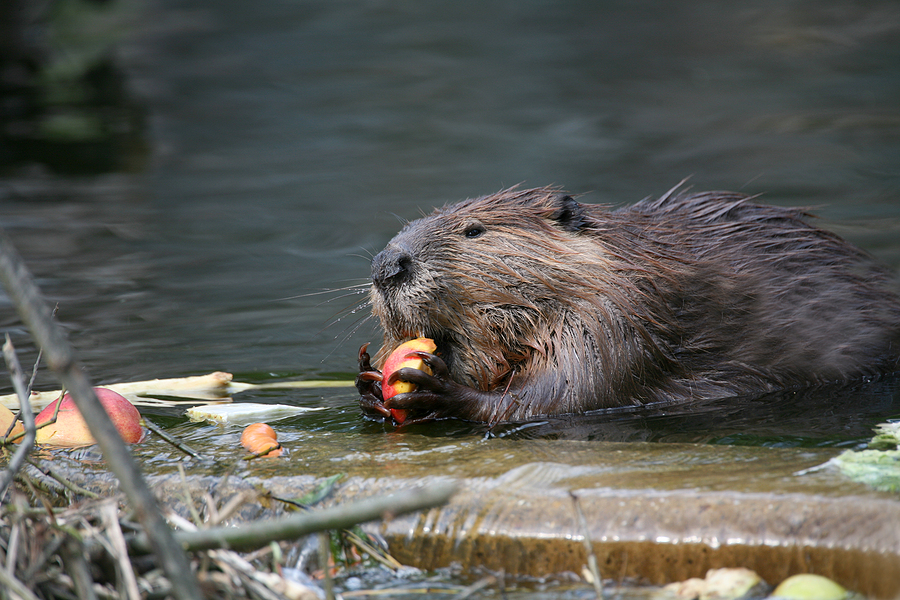
Why Do Beavers Build Dams?
Beavers don’t build dams to annoy homeowners; they build them for survival. As large, awkward rodents on land, beavers are vulnerable to predators like coyotes and bears. In the water, however, they are graceful and fast. By damming a stream, they create a deep-water pond that serves two primary purposes:
- Protection: The pond acts as a moat around their lodge, providing a safe underwater entrance that predators cannot access.
- Food Storage: The deep water allows them to store food caches (branches and logs) underwater, ensuring they have access to nutrition even when the surface freezes during a Virginia winter.
Understanding this biological drive is key to management. If you remove a dam without addressing the beaver’s need for deep water, they will almost certainly rebuild it—often overnight.
Common Problems Caused by Beaver Dams
While beaver ponds can attract ducks and filter pollutants, the location of the dam often puts it in direct conflict with human land use.
- Flooding: This is the most immediate threat. Rising water levels can submerge roads, driveways, and basements. In agricultural areas, it can saturate fields, making them unfarmable.
- Septic System Failure: If a beaver pond raises the local water table, it can flood septic drain fields, leading to costly repairs and health hazards.
- Timber and Tree Loss: Beavers are notoriously destructive to trees, both by chewing them down for construction and by drowning root systems through flooding.
- Road Instability: When beavers block culverts (a favorite spot because the constriction makes damming easy), the resulting water pressure can wash out roads entirely.
Virginia Laws on Beaver Dams and Removal
Before you drag a hook out to the creek, you must understand the legal landscape. Virginia has specific regulations governing both the animals and the water bodies they alter.
Is a Permit Required to Remove a Dam?
Generally, beaver dams themselves are not a regulated resource by the Virginia Department of Wildlife Resources (DWR) and can be removed or altered without a permit from the DWR. However, this comes with a major caveat: Wetland and Stream regulations.
Altering a dam often involves excavation or changing the flow of a stream, which may fall under the jurisdiction of the Virginia Department of Environmental Quality (DEQ). State law requires a Virginia Water Protection (VWP) permit before disturbing a wetland or stream by clearing, filling, or excavating. Before removing a large established dam, it is wise to consult with DEQ or the U.S. Army Corps of Engineers to ensure you aren’t violating federal or state wetland laws.
Rules for Managing the Beavers
Removing the dam doesn’t remove the problem if the beaver remains. In Virginia, the beaver is classified as a nuisance species.
- No Relocation: Moving live beavers to another area is strictly prohibited under Virginia Code. This prevents the spread of diseases and ensures you aren’t just dumping your problem onto a neighbor or public land.
- Lethal Control: Landowners may kill beavers or have them killed if they are causing damage to crops, lands, or property. A “kill permit” is not required from the DWR for landowners addressing damage, though local ordinances regarding firearms and trapping still apply.
- Trapping Seasons: There is a continuous open trapping season in specific localities, including Arlington, Fairfax, Henrico, Loudoun, and Prince William counties. In other areas, the regulated season typically runs from December through February.
Request a Free Beaver Removal & Control Assessment ✅
Mitigation Techniques: Non-Lethal Options
If you want to coexist with beavers without losing your property to flooding, “flow devices” are the gold standard. These ingenious systems trick beavers into letting water flow through their dams.
Pond Levelers (The “Clemson” Leveler)
A pond leveler is a pipe system installed through the dam. The intake end of the pipe is submerged upstream and protected by a cage.
- How it works: Beavers rely on the sound and feel of rushing water to detect leaks. By placing the intake far upstream and underwater, the pond leveler silences the flow. The beaver doesn’t realize the dam is leaking, and the water level remains at a manageable height set by the pipe.
- Best for: Free-standing dams in streams or creeks.
Beaver Deceivers and Culvert Fences
Culverts are magnets for beavers because the road has already done most of the work for them. A “Beaver Deceiver” is a trapezoidal fence built around the upstream opening of a culvert.
- How it works: It forces the beaver to build their dam further away from the culvert entrance, where the current is weaker and the dam is wider. This usually discourages them enough to move on, or allows water to flow through the fence even if they build against it.
Exclusion Fencing
To save individual trees, wrap them in hardware cloth or heavy wire mesh.
- Specification: The mesh should extend at least 30 inches (preferably 4 feet) high to account for snow or standing beavers. Leave a few inches of space between the mesh and the trunk to allow the tree to grow.
DIY vs. Professional Help
Can you handle beaver management yourself? It depends on the scale of the problem.
DIY is appropriate when:
- You are wrapping trees to prevent chewing.
- You are clearing small, newly formed debris in a culvert (with safety precautions).
- You are comfortable with and licensed for trapping (during season).
Call a Professional when:
- The dam is large: Releasing a large volume of water suddenly can cause downstream flooding and sedimentation, leading to legal liability and environmental damage.
- Trapping is required: Professional trappers understand how to avoid non-target species and handle the animals humanely and legally.
- Installing flow devices: Devices like the Clemson Leveler require precise engineering. If the intake isn’t deep enough or the pipe isn’t sized correctly, the system will fail.
Beaver Control and Preventative Maintenance
The best way to deal with a beaver dam is to prevent it from being built in the first place.
- Alter the Habitat: Remove preferred food sources (willow, aspen, sweetgum) from the immediate shoreline. Replace them with less desirable species like pine.
- Electric Fencing: Low-voltage electric tape strung near the water’s edge can deter beavers from coming ashore to forage.
- Regular Monitoring: Walk your creek lines regularly. It is much easier to discourage a beaver by breaking up a “starter dam” of mud and a few sticks than it is to remove a massive established structure.
Restoring Balance to Your Property
Managing beaver conflicts is rarely a one-time event; it is an ongoing process of monitoring and maintenance. Whether you choose to install a flow device to coexist with your aquatic neighbors or opt for removal to protect critical infrastructure, acting within Virginia law is essential. If you are facing a severe blockage or extensive flooding, don’t wait until the damage is irreversible.
Is a beaver dam threatening your property? Our licensed wildlife control experts specialize in humane beaver removal and dam management in Richmond and the surrounding counties. We can help you navigate the regulations and restore your property’s safety. Contact Us Today for a free estimate.
Related Post: Beavers Begone: Strategies for Safe and Effective Beaver Removal