Wildlife Health Risks: Transmissible Diseases in Virginia

Living alongside Virginia’s diverse wildlife population can be both rewarding and challenging. While spotting a raccoon family or observing bats at dusk brings natural wonder to our daily lives, these encounters also carry hidden health risks that every homeowner should understand. Virginia’s forests, suburbs, and urban areas host numerous species that can transmit serious diseases to humans and pets.

The Virginia Department of Health reports an average of 150-200 confirmed rabies cases annually, with incidents of animal bites reaching approximately 5,000 per year. These statistics highlight a critical reality: transmissible diseases from nuisance wildlife pose genuine threats to public health across the Commonwealth.

Understanding which animals carry these diseases, how transmission occurs, and what prevention measures work best empowers you to protect your family while respecting Virginia’s natural ecosystem. This comprehensive guide explores the most common transmissible diseases associated with Virginia wildlife and provides actionable strategies for safe coexistence.
Call 804-292-0156 for Professional Virginia Wildlife Removal Services

Common Nuisance Wildlife in Virginia

Virginia’s diverse habitats support numerous wildlife species that frequently interact with human populations. These animals often seek shelter, food, and water sources around residential properties, creating opportunities for disease transmission.

Raccoons top the list of nuisance wildlife in Virginia. These intelligent mammals thrive in both urban and rural environments, often establishing dens in attics, chimneys, or under porches. Raccoons are opportunistic feeders, frequently raiding garbage cans and pet food left outdoors. Their dexterous paws and problem-solving abilities make them particularly persistent when accessing human-provided food sources.

Bats represent another significant concern for Virginia homeowners. The state hosts sixteen bat species, with little brown bats and big brown bats commonly roosting in buildings. While bats provide valuable pest control services, their presence in homes creates potential health hazards.

Squirrels, including gray squirrels and flying squirrels, frequently invade attics and crawl spaces. These rodents can cause structural damage while establishing nesting sites and may carry various diseases transmissible to humans.

Skunks often den under decks, sheds, or porches, particularly during breeding season. Beyond their notorious defensive spray, skunks can transmit serious diseases through bites or scratches.

Foxes occasionally venture into suburban areas, especially during winter months when natural food sources become scarce. Red foxes and gray foxes both inhabit Virginia and can carry multiple transmissible diseases.

Opossums frequently shelter in residential areas, taking advantage of available food sources and nesting opportunities. North America’s only native marsupial, opossums are surprisingly resistant to many diseases but can still pose health risks.

Transmissible Diseases from Virginia Wildlife

Rabies

Rabies represents the most serious viral disease transmitted by Virginia wildlife. This fatal neurological condition affects the central nervous system of mammals, causing behavioral changes, paralysis, and ultimately death if left untreated.

Raccoons account for approximately 40% of confirmed rabies cases in Virginia, making them the primary concern for homeowners (Virginia Department of Health, 2023). Infected raccoons may appear disoriented, aggressive, or unusually docile. They might venture out during daylight hours, a behavior that typically indicates illness in these normally nocturnal animals.

Bats also carry rabies, though their small teeth can create nearly invisible puncture wounds. Any direct contact with bats should be treated as potential rabies exposure, especially if the bat was found indoors or seemed unable to fly normally.

Foxes represent another significant rabies vector in Virginia. Infected foxes may lose their natural fear of humans and approach residential areas during daylight hours.

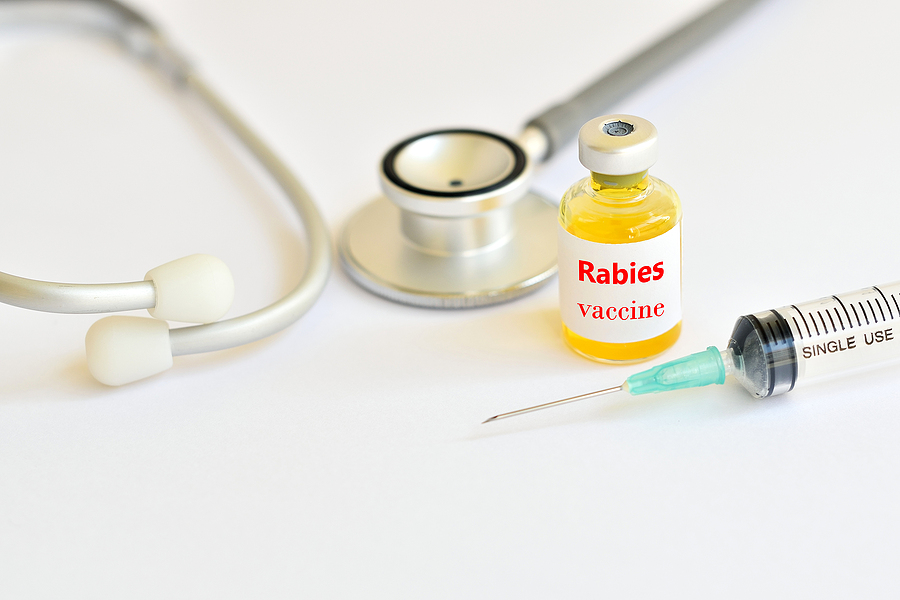
Prevention measures include maintaining distance from all wild animals, securing garbage containers, and ensuring pets receive regular rabies vaccinations. If bitten or scratched by any wild animal, immediately wash the wound thoroughly with soap and water, apply antiseptic, and seek medical attention promptly.

Leptospirosis

Leptospirosis cases in Virginia have increased substantially over the last five years, primarily linked to contaminated water sources near wildlife habitats. This bacterial infection spreads through contact with urine from infected animals, particularly rodents.

Squirrels, rats, and other rodents shed leptospirosis bacteria in their urine, contaminating soil and water sources. Humans can contract the disease through contact with contaminated water, soil, or surfaces, especially if they have open cuts or wounds.

Early symptoms resemble flu-like illness, including fever, headache, muscle aches, and nausea. Without treatment, leptospirosis can progress to kidney damage, liver failure, or meningitis.

Prevention strategies include wearing protective clothing when cleaning areas where rodents may have been present, avoiding contact with potentially contaminated water, and maintaining proper hygiene after any outdoor activities.

Raccoon Roundworm

Raccoon roundworm (Baylisascaris procyonis) poses a particularly dangerous threat to human health. Raccoons shed millions of roundworm eggs in their feces, which remain infectious in soil for years.

Humans typically contract raccoon roundworm by accidentally ingesting contaminated soil, water, or objects. Children face higher risks due to their tendency to put hands and objects in their mouths during outdoor play.

This parasitic infection can cause severe neurological damage, including vision loss, brain damage, and even death. Early symptoms may include nausea, fatigue, and coordination problems.

Prevention requires avoiding areas with heavy raccoon activity, never attempting to clean raccoon latrines without professional help, and teaching children proper hand hygiene after outdoor activities.

Tularemia

Tularemia, also known as rabbit fever, spreads through contact with infected rabbits, rodents, and ticks. Virginia’s diverse small mammal population creates multiple transmission pathways for this bacterial infection.

Humans can contract tularemia through direct contact with infected animals, tick bites, or inhalation of contaminated dust. The disease manifests in several forms, with symptoms ranging from skin ulcers to pneumonia-like respiratory illness.

Prevention involves wearing gloves when handling any dead animals, using insect repellent to prevent tick bites, and avoiding areas with obviously sick or dead wildlife.

Schedule a Wildlife Control Inspection Today!

Preventative Measures for Wildlife Disease Control

Effective wildlife control begins with making your property less attractive to nuisance animals. Here are some pointers you can use:

Remove food sources by securing garbage containers with tight-fitting lids and avoiding feeding pets outdoors. Clean up fallen fruit from trees and maintain bird feeders properly to prevent spillage.

Seal potential entry points around your home’s foundation, roof line, and utility connections. Install chimney caps and repair damaged screens or vents that could provide access to attics or crawl spaces.

Maintain your landscape to reduce wildlife habitat opportunities. Trim tree branches away from rooflines, remove brush piles, and eliminate standing water sources that attract animals seeking hydration.

Pet vaccination schedules should remain current, particularly for rabies. Keep cats indoors and supervise dogs during outdoor activities, especially in areas with known wildlife activity.

Professional wildlife removal services provide safe, humane solutions when animals establish residence on your property. Attempting DIY wildlife removal often increases disease exposure risks and may violate local wildlife protection regulations.

What to Do If Exposed

Immediate action following potential wildlife disease exposure can prevent serious health consequences. Here’s what to do if it happens:

1. Clean any bite or scratch wounds thoroughly with soap and water, apply antiseptic, and seek medical evaluation promptly.

2. Contact your healthcare provider immediately after any direct contact with wild animals, even if no obvious injury occurred. Rabies exposure, in particular, requires prompt post-exposure prophylaxis to prevent fatal outcomes.

3. Report wildlife encounters involving potentially rabid animals to local health authorities. Virginia’s Department of Health maintains surveillance programs that track disease outbreaks and coordinate public health responses.

4. Document the incident with photographs if safely possible, noting the animal’s behavior, location, and time of encounter. This information helps health officials assess exposure risks and determine appropriate treatment protocols.

Distemper Outbreaks and Wildlife Populations

Distemper outbreaks occur in Virginia’s raccoon and fox populations every 3-5 years, affecting up to 30% of local populations during peak outbreak periods. While distemper doesn’t directly transmit to humans, infected animals exhibit erratic behavior that increases bite risks.

Animals suffering from distemper may appear disoriented, unusually aggressive, or surprisingly docile. These behavioral changes often bring infected wildlife into closer contact with humans and pets, creating opportunities for other disease transmission.

Lyme Disease and Wildlife Connections

Virginia reports approximately 1,000-1,200 confirmed Lyme disease cases annually. While primarily tick-borne, Lyme disease has indirect connections to wildlife through the animals that serve as tick hosts.

Deer, mice, and other small mammals support tick populations that spread Lyme disease bacteria. Wildlife management around residential properties can help reduce tick habitat and lower disease transmission risks.

In Summary

Understanding transmissible diseases among Virginia’s nuisance wildlife empowers homeowners to make informed decisions about property management and family safety. The statistics speak clearly: with 150-200 rabies cases annually and 5,000 animal bite incidents reported each year, professional wildlife control services provide essential protection.

Effective prevention combines landscape management, proper sanitation, and prompt professional intervention when wildlife problems arise. Rather than risking disease exposure through DIY approaches, partnering with experienced wildlife control professionals ensures safe, humane, and legal resolution of nuisance animal issues.

The key to successful coexistence with Virginia’s wildlife lies in maintaining respectful distance while implementing proven prevention strategies. Your family’s health and safety depend on taking these transmissible disease risks seriously and responding appropriately when wildlife conflicts arise.

Schedule your wildlife inspection today to identify potential risks and implement effective prevention measures before problems develop. Professional assessment provides peace of mind while protecting your family from the serious health threats associated with nuisance wildlife exposure.

Call Now to Inquire About Service

Related Post: How to Recognize the Signs of a Rabid Animal in Virginia
Snake Safety in Virginia: How to Handle Wild Encounters

Virginia’s diverse ecosystems provide ideal habitats for numerous snake species, making encounters with these reptiles a common occurrence for residents and outdoor enthusiasts. While most snakes pose no threat to humans, understanding how to safely navigate these encounters is essential for protecting yourself and your family.

Snake encounters don’t have to be dangerous situations. With proper knowledge about local species, preventive measures, and appropriate response techniques, you can significantly reduce risks while coexisting peacefully with Virginia’s native wildlife. This comprehensive guide will equip you with the essential information needed to handle snake encounters safely and confidently.

About 300-400 snake bites occur annually in Virginia, with most being non-venomous. However, even non-venomous bites can lead to infections and complications if not properly treated. By learning to identify common species and implementing proven safety strategies, you’ll be better prepared for any wildlife encounter on your property or in Virginia’s natural areas.

Call 804-292-0156 for Professional Snake Removal Service in Richmond Virginia

Identifying Common Virginia Snake Species

A Venomous Species: The Copperhead

Virginia hosts only three venomous snake species, with the copperhead being the most commonly encountered. Copperheads display distinctive hourglass-shaped crossbands across their copper-colored bodies, which help distinguish them from harmless species. These snakes prefer wooded areas, rocky outcrops, and suburban environments where they hunt for small mammals and insects.

Recognizing a copperhead from a safe distance requires attention to specific physical characteristics. Their thick, muscular bodies, triangular heads, and heat-sensing pits between their eyes and nostrils are key identifying features. Copperhead snakes typically measure 2-3 feet in length and exhibit relatively docile behavior, often relying on camouflage rather than aggressive defense.

Non-Venomous Species You’ll Encounter

The black rat snake ranks among Virginia’s largest native species, often reaching lengths of 6 feet or more. These excellent climbers display shiny black scales with white markings between the scales, creating a distinctive checkerboard pattern on their bellies. Black rat snakes provide valuable pest control services by consuming rodents, making them beneficial neighbors despite their intimidating size.

Northern water snakes frequent Virginia’s waterways, where they hunt for fish, frogs, and aquatic invertebrates. Their brown or gray coloration with dark crossbands often leads to misidentification as venomous species. However, these snakes possess round pupils and lack the heat-sensing pits characteristic of venomous species.

The eastern racer displays solid blue-black or brown coloration as adults, though juveniles show distinct blotched patterns. These fast-moving snakes prefer open areas and forest edges, where their speed helps them capture prey and escape predators.

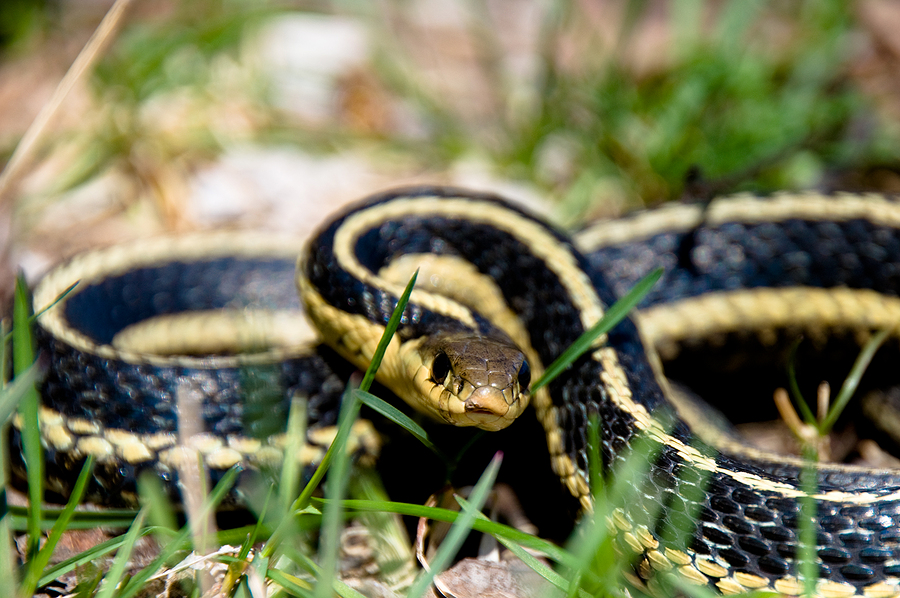
Eastern garter snakes represent Virginia’s most commonly observed species, displaying three distinct yellow stripes running lengthwise along their dark-colored bodies. These small, harmless snakes adapt well to various habitats and often appear in suburban gardens and parks.

Understanding Snake Behavior and Habitat Preferences

Snakes exhibit predictable behavioral patterns that can help you anticipate and avoid encounters. Most Virginia species remain active during warmer months, typically from April through October, with peak activity occurring during spring and fall when temperatures moderate. During hot summer days, snakes seek shade under rocks, logs, or structures, becoming more active during cooler morning and evening hours.

Understanding habitat preferences allows property owners to identify potential encounter locations. Snakes gravitate toward areas offering shelter, food sources, and appropriate temperatures. Rock piles, brush heaps, tall grass, water features, and structures with gaps or crawl spaces create attractive snake habitats.

Seasonal movement patterns also influence encounter likelihood. Spring brings increased snake activity as they emerge from winter dormancy to mate and establish territories. Fall activity spikes as snakes prepare for hibernation, often moving longer distances to reach suitable overwintering sites.

Richmond residents frequently encounter snakes in suburban areas where natural habitats intersect with residential developments. Parks, wooded neighborhoods, and properties adjacent to water sources experience higher encounter rates due to diverse wildlife populations and abundant shelter options.

Effective Prevention Strategies for Nuisance Snakes

Studies show preventive measures can reduce snake encounters by up to 70% around residential properties. Implementing comprehensive habitat modification represents the most effective long-term solution for minimizing unwanted encounters.

Property Maintenance and Habitat Modification

Remove potential shelter sites by clearing brush piles, trimming overgrown vegetation, and eliminating debris accumulations. Keep grass cut short and remove fallen logs or rock piles near your home’s foundation. Seal gaps under porches, sheds, and other structures where snakes might seek shelter.

Address food sources that attract snakes by controlling rodent populations through proper sanitation and exclusion techniques. Store pet food in sealed containers, eliminate bird feeder spillage, and maintain clean outdoor areas that don’t support prey animals.

Water management plays a crucial role in snake deterrent strategies. Fix leaky faucets, improve drainage around foundations, and remove standing water that attracts both snakes and their prey. Consider relocating water features away from high-traffic areas if snake encounters become problematic.

Physical Barriers and Deterrents

Install snake-proof fencing around vulnerable areas using quarter-inch mesh hardware cloth buried 6 inches deep and extending 30 inches above ground. Angle the top portion outward to prevent climbing species from entering protected areas.

Commercial snake repellents show limited effectiveness, but maintaining clean, well-maintained landscapes often provides better results than chemical deterrents. Focus on eliminating attractive habitat features rather than relying on repellent products with questionable efficacy.

Schedule a Free Snake Removal Inspection ✨🐍

Safe Response During Snake Encounters

Never approach or attempt to handle any snake, regardless of species identification confidence. Maintain a minimum distance of 6 feet from any snake encountered, allowing the animal ample space to retreat safely. Most snake encounters end peacefully when humans avoid aggressive actions or sudden movements.

If you discover a snake in your immediate vicinity, remain calm and slowly back away while keeping the animal in sight. Avoid cornering the snake or blocking potential escape routes. Most species will retreat when given adequate space and time to assess their surroundings.

Protect pets during outdoor activities by keeping dogs on leashes and cats indoors, especially during peak snake activity periods. Train pets to respond to recall commands, which can prevent dangerous interactions with wildlife.

Snake Bite First Aid and Medical Treatment

Despite preventive measures, snake bites occasionally occur and require immediate medical attention. Even bites from non-venomous species can cause serious infections, allergic reactions, or other complications requiring professional treatment.

Immediate First Aid Steps

Remove jewelry and tight clothing from the affected area before swelling begins. Keep the bitten extremity at or below heart level to minimize venom circulation. Clean the wound gently with soap and water if available, but avoid excessive manipulation.

Apply a loose bandage above the bite site, ensuring you can slip a finger underneath. This compression should impede lymphatic flow without cutting off blood circulation. Mark the leading edge of any swelling with a pen and note the time to help medical professionals track venom progression. Then contact a medical professional as soon as possible to have the wound inspected and treated.

What to Avoid

Never attempt to capture or kill the biting snake, as this risks additional bites and delays medical treatment. Avoid applying ice, tourniquets, or attempting to cut the wound or extract venom. These outdated techniques can cause additional tissue damage and complications.

Don’t consume alcohol or caffeine, which can affect blood circulation and interfere with medical treatment. Remain as calm as possible and focus on reaching appropriate medical care quickly.

Professional Medical Care

Seek immediate emergency medical attention for any snake bite, regardless of species identification. Call 911 or proceed directly to the nearest emergency room equipped to handle venomous snake bites. Virginia hospitals maintain protocols for treating both venomous and non-venomous snake bite cases.

Provide medical professionals with detailed information about the encounter, including the snake’s appearance, size, and behavior. This information helps guide appropriate treatment decisions and monitoring protocols.

Professional Wildlife Control Solutions

Persistent snake problems around residential or commercial properties often require professional wildlife control services. Licensed wildlife control operators possess the expertise, equipment, and legal authority to safely remove and relocate problem snakes while addressing underlying attractant issues.

When to Contact Professionals

Consider professional snake removal services when encounters become frequent, when venomous species appear on your property, or when DIY prevention measures prove inadequate. Professional services become essential if snakes establish residence in inaccessible areas like wall voids or under foundations.

Commercial properties, schools, and public spaces benefit from professional wildlife management programs that address snake concerns while maintaining safe environments for employees, students, and visitors.

Choosing Qualified Services

Select wildlife control operators with appropriate state licensing, insurance coverage, and experience handling Virginia snake species. Reputable services provide humane removal techniques, habitat modification recommendations, and follow-up monitoring to prevent future problems.

Professional wildlife removal services often include comprehensive property assessments identifying potential problem areas and recommending specific improvements to reduce future encounter risks.

Frequently Asked Questions

How can I tell if a snake is venomous from a distance?

Virginia’s venomous species display triangular heads, thick bodies, and vertical pupils, though these features can be difficult to distinguish from safe distances. The safest approach involves treating all unknown snakes as potentially dangerous and maintaining appropriate distances rather than attempting field identification.

What natural remedies deter snakes from entering my garden?

While various home remedies claim to repel snakes, scientific evidence supporting their effectiveness remains limited. Focus on habitat modification techniques like removing shelter sites, controlling rodent populations, and maintaining clean landscapes rather than relying on natural deterrents with questionable results.

How often should I inspect my property for potential snake habitats?

Conduct thorough property inspections seasonally, paying special attention to spring and fall when snake activity peaks. Monthly walk-throughs during active seasons help identify new habitat features before they become established problem areas.

What should I do if my pet is bitten by a snake?

Seek immediate veterinary attention for any pet snake bite, as animals can experience severe reactions even from non-venomous species. Keep your pet calm and limit movement while transporting to emergency veterinary care. Don’t attempt to treat pet snake bites with human first aid techniques.

Conclusion

Understanding Virginia’s snake species and implementing proven safety strategies significantly reduces encounter risks while supporting wildlife conservation efforts. Remember that snakes play valuable ecological roles in controlling rodent populations and maintaining balanced ecosystems.

Effective snake safety combines education, prevention, and appropriate professional support when needed. By maintaining well-managed properties, responding calmly to encounters, and seeking professional help when appropriate, you can coexist safely with Virginia’s native snake populations.

If you’re experiencing persistent snake problems or need expert assistance with wildlife management, contact our professional snake removal services today. Our experienced team provides safe, humane solutions tailored to your specific situation and property needs.

Call Now to Book Service

Related Post: An Overview of Snake Species in Virginia