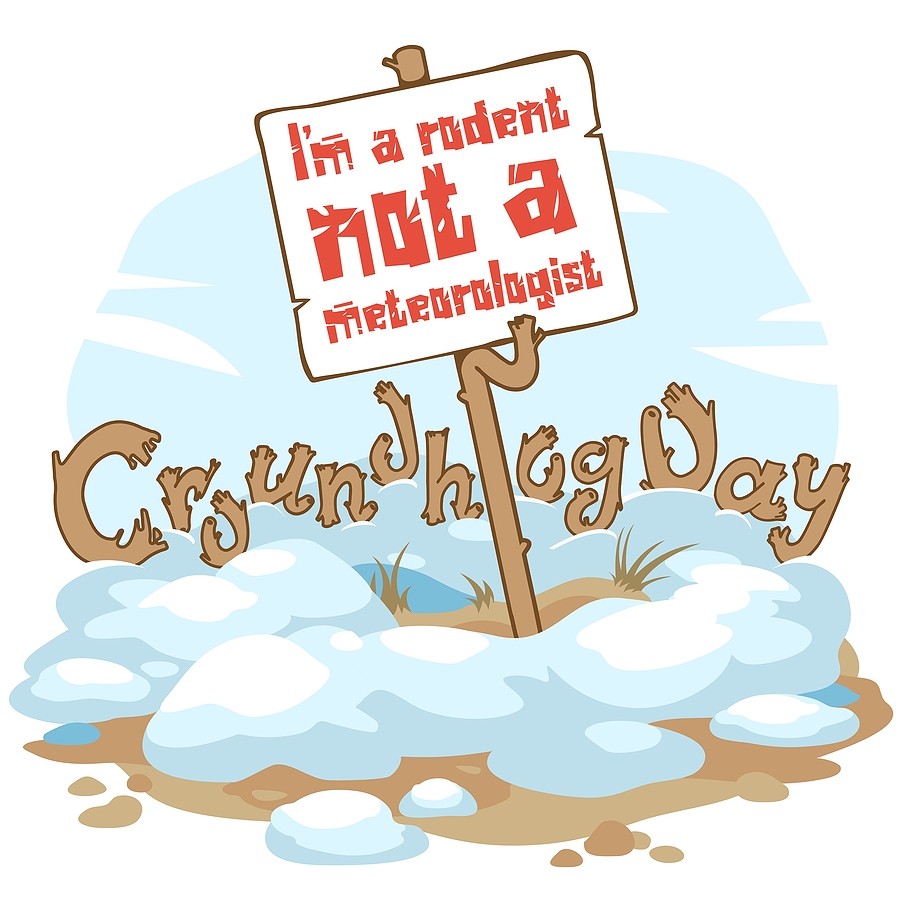
Groundhog Day is Coming! Fun Facts and Tips for Humane Woodchuck Control

TL;DR: Groundhog Day lands on Monday, February 2, 2026. While these large squirrels are fascinating hibernators, they can cause structural damage to homes and gardens. Effective control relies on exclusion fencing rather than relocation, which is illegal in Virginia.

Key Takeaways:

  • The Date: Groundhog Day 2026 falls on a Monday.
  • The Biology: Groundhogs are true hibernators and sophisticated diggers.
  • The Solution: Heavy-duty fencing with an underground footer is the best prevention.
  • The Law: In Virginia, you cannot trap and relocate groundhogs; professional removal or exclusion is required.

As Monday, February 2, 2026 approaches, eyes across the nation will turn toward a small town in Pennsylvania. Will Punxsutawney Phil see his shadow? While the tradition is a beloved mid-winter curiosity, the animal behind the holiday—the woodchuck—is a fascinating creature that can unfortunately become a significant nuisance for homeowners.

Understanding the behavior of these underground architects is the first step to managing them. Whether you are a wildlife enthusiast or a frustrated gardener in Richmond, Virginia, this guide explores the biology of the groundhog and provides actionable steps for humane control.

Table of Contents:

  1. What is Groundhog Day?
  2. Fun Facts About Woodchucks
  3. Why Control Groundhogs Humanely?
  4. Tips for Humane Groundhog Control
  5. Need Professional Groundhog Removal in Richmond, VA?
  6. FAQ Section
  7. Quick Recap
Groundhog’s Day is Coming!

What is Groundhog Day?

Celebrated annually on February 2, Groundhog Day is a tradition rooted in astronomy and folklore. It marks the halfway point between the winter solstice and the spring equinox.

In 2026, this observance falls on a Monday. The legend suggests that if the groundhog emerges from its burrow and sees its shadow due to clear weather, it will retreat underground, predicting six more weeks of winter. If the day is cloudy and no shadow appears, spring will arrive early.

While it is a fun cultural event, studies suggest the groundhog’s accuracy hovers around 50%—essentially the same odds as flipping a coin.

Fun Facts About Woodchucks

Before dismissing them simply as pests, it is worth acknowledging that the groundhog (or woodchuck) is a biological marvel.

They are giant squirrels

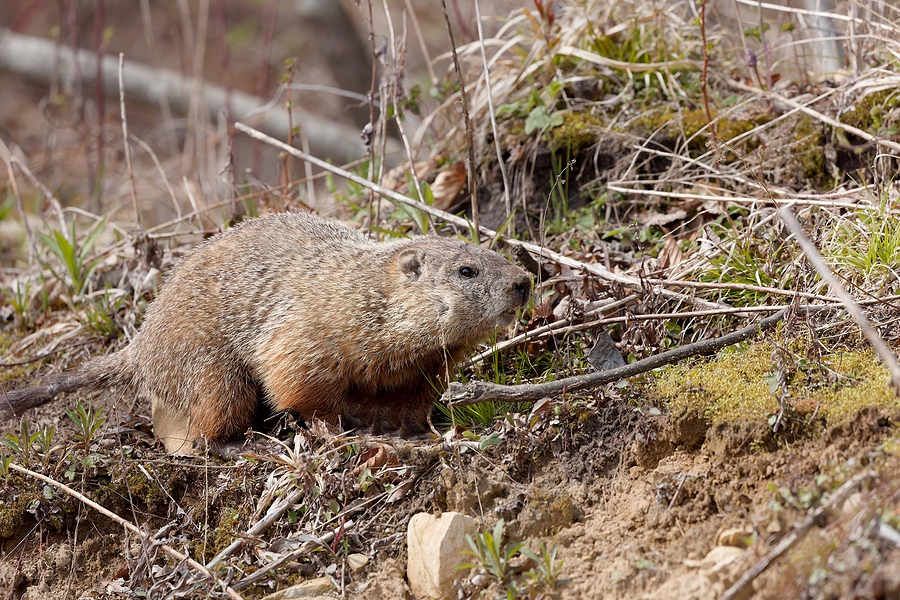
The groundhog (Marmota monax) is the largest member of the squirrel family. Unlike their tree-climbing cousins, they are adapted for life on—and under—the ground.

They are “True Hibernators”

Many animals sleep during the winter, but groundhogs enter a state of true hibernation. During this deep sleep, their body temperature drops dramatically, and their heart rate slows from roughly 80 beats per minute to as few as five. This allows them to survive on stored body fat until spring emerges.

They are sanitary architects

A groundhog burrow is not just a hole; it is a mansion. These tunnels can extend up to 66 feet and feature multiple levels. Impressively, they designate specific chambers for different purposes, including a nursery for pups and a separate “bathroom” chamber to maintain hygiene within the den.

They have a vocal nickname

Groundhogs are often called “whistlepigs.” This nickname comes from the high-pitched whistle they emit to warn others of approaching danger.

Why Control Groundhogs Humanely?

While their biology is impressive, their excavation skills can be destructive. A single woodchuck can move nearly 700 pounds of dirt to create a burrow. This digging can undermine building foundations, destroy root systems in gardens, and create tripping hazards for livestock and humans.

However, addressing the issue requires a humane and legal approach. In Virginia, wildlife laws are strict regarding the handling of nuisance animals. Specifically, it is illegal to trap and relocate an animal to another area. This regulation is in place to prevent the spread of disease and to ensure animals are not dumped into territories where they cannot survive.

Because relocation is not an option for homeowners, the focus must shift to exclusion (keeping them out) or professional wildlife removal on-site.

Tips for Humane Groundhog Control

If a woodchuck has taken up residence under your shed or is eyeing your vegetable garden, exclusion is your most effective tool.

Install a “Floppy” Fence

Groundhogs are surprisingly good climbers. A standard rigid fence often acts as a ladder. Instead, use chicken wire or welded wire mesh. The top 12 inches of the fence should not be secured to a post; leave it flimsy and bent outward. When the animal tries to climb over, the wire will bend under its weight, dropping the animal back to the ground.

The “L-Footer” Technique

Since they cannot climb the fence, they will try to dig under it. To stop this, you must bury the bottom of your fence.

  1. Dig a trench 12 inches deep along your fence line.
  2. Bend the bottom of your wire mesh into an “L” shape, extending it 12 inches outward (away from the garden).
  3. Bury this mesh. When the woodchuck digs down, they will hit the wire mesh floor and give up.

Modify Their Habitat

Make your yard less inviting. Woodchucks prefer cover to hide from predators.

  • Remove piles of brush or debris.
  • Trim tall grass and weeds around building foundations.
  • Harvest garden vegetables as soon as they are ripe to remove food sources.

Use Harmless Harassment

If a groundhog is investigating a new burrow, you can try to discourage them before they settle in. Pinwheels placed near the entrance create visual disturbances and vibrations. Motion-activated sprinklers can also startle them enough to make the area unappealing. Additionally, introducing scents that woodchucks dislike, such as predator urine or ammonia-soaked rags, near their burrow entrance can act as a deterrent. It’s important to reapply these deterrents regularly to maintain their effectiveness.
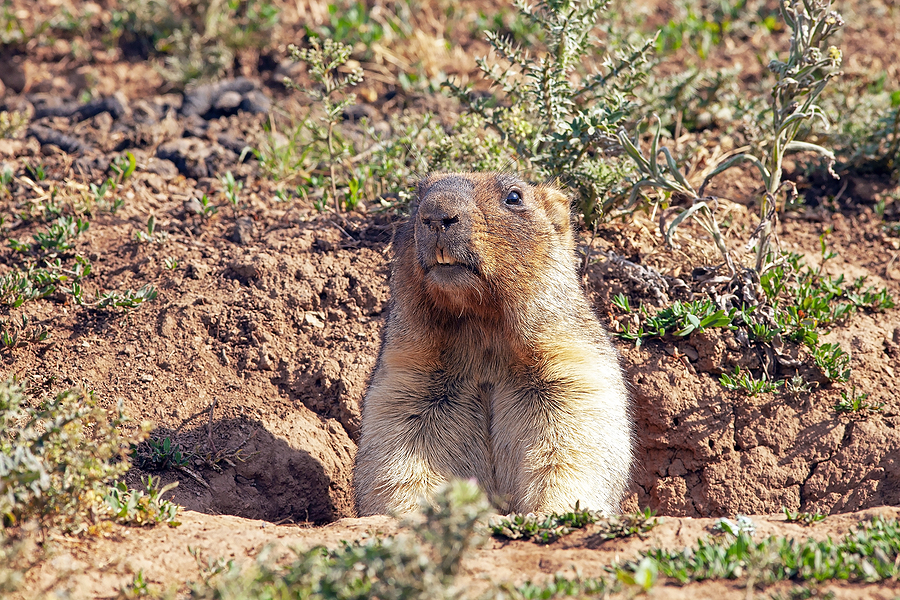
Woodchuck Control in Richmond Virginia

Need Professional Groundhog Removal in Richmond, VA?

If you’re dealing with a persistent groundhog problem, it can be stressful and overwhelming to manage on your own. While DIY methods may work in some cases, there are times when professional assistance is the most effective solution. At Virginia Wildlife Pros, we specialize in safe, humane, and effective woodchuck removal services for residents in Richmond, VA, and the surrounding areas.

Our trained and experienced team uses proven techniques to protect your property while ensuring the well-being of the wildlife we handle. By identifying the root of the issue and implementing tailored solutions, we help prevent groundhogs from returning. Don’t let groundhogs take control of your yard—Contact Us Today for a consultation or to schedule your service. Together, we can restore peace to your outdoor space.

FAQ Section

Why should I address a groundhog problem promptly?

Woodchuck activity can lead to significant property damage. They can burrow under structures, weaken foundations, and destroy gardens or crops. Acting quickly helps mitigate long-term damage and ensures your yard stays safe and functional.

Are your methods humane?

Yes, our team is committed to using humane and effective techniques to remove groundhogs while taking their well-being into account. We follow industry best practices and prioritize ethical wildlife management.

How can I prevent woodchucks from returning after removal?

Prevention involves a combination of physical barriers, managing attractants like food sources, and maintaining a well-kept yard. Our team will provide detailed recommendations to minimize the chances of groundhogs returning to your property.

Do I need professional help, or can I handle groundhog removal myself?

While DIY methods might seem appealing, professional help ensures the problem is resolved safely and effectively. Our trained team identifies the root cause and implements targeted solutions, saving you time, effort, and potential risks.

Quick Recap

  • Groundhogs can cause structural damage and destroy gardens if left unchecked.
  • Our services focus on humane removal techniques and long-term prevention.
  • Addressing groundhog issues early prevents extensive property damage.
  • Professional groundhog removal ensures effective resolution and peace of mind.

Conclusion

Groundhog problems don’t have to disrupt your life or damage your property. With our compassionate yet highly effective removal services, you can reclaim control of your yard and protect your home. Don’t wait for the problem to worsen; take proactive steps now.

Call Us Now to Schedule Your Consultation—together, we’ll create a safer, more enjoyable outdoor space!

Related Post: Groundhog Removal and Control in Virginia: A Complete Guide for Homeowners

Groundhog Removal and Control in Virginia: A Complete Guide for Homeowners 

Virginia’s picturesque landscapes and lush gardens are ideal for homeowners—but they’re also a haven for uninvited wildlife like groundhogs. Also known as woodchucks, these furry animals may appear harmless, but they can wreak havoc on your property, leaving behind damaged gardens, unstable structures, and costly repairs.

This blog explores everything you need to know about groundhog removal and control in Virginia. From identifying the signs of an infestation to effective removal methods and prevention tips, we’ve got you covered. Here’s how to protect your property and maintain a groundhog-free yard. 

Call 804-292-0156 for Licensed Groundhog Removal and Control in Richmond Virginia

Understanding Groundhogs and Their Impact 

What is a Groundhog? 

Groundhogs, scientifically known as Marmota monax, are large rodents native to North America. They typically weigh between 5 and 13 pounds and are skilled burrowers, using their sharp claws to dig extensive underground tunnels. These tunnels can stretch up to 45 feet long, often with multiple chambers. 

Groundhogs are active during the warmer months, especially from spring to fall, and are particularly drawn to gardens, crops, and soft soil, where food is abundant. While they hibernate during winter, their activity can be a major headache for homeowners the rest of the year. 

Common Issues Caused by Groundhogs 

Groundhogs may look adorable, but their unassuming presence can lead to significant problems, including:

  • Damage to Gardens and Crops: Groundhogs are voracious eaters and can wipe out vegetables, flowers, and other plants in record time. 
  • Weakening Structures: Their burrows undermine the stability of foundations, patios, driveways, and even sheds. 
  • Unsightly Lawn Damage: Piles of dirt near burrow entrances create an eyesore on your lawn. 
  • Attraction for Other Wildlife: Groundhog burrows often attract snakes, skunks, and other animals, increasing the risk of further infestations. 

Signs of Groundhog Infestation 

Detecting a groundhog presence early is crucial to minimizing damage. Below are the most common signs of groundhog activity in your yard. 

Spotting Groundhog Activity 

  • Burrow Entrances: Look for large holes (about 8–12 inches wide) surrounded by a mound of dirt. These are telltale entry and exit points for groundhogs. 
  • Pathways and Tracks: Groundhogs create well-worn paths across your yard. Their tracks show four toes on their front paws and five on their hind paws. 
  • Chewed Vegetation: Missing fruits, vegetables, or gnawed plants are signs that groundhogs may be feasting in your garden. 

Common Signs of Groundhog Damage 

  • Collapsed Soil: Groundhog tunnels lead to sinkholes, putting walkways or garden beds at risk. 
  • Bite Marks: Groundhogs will chew on fences, wooden structures, or tree bark, leaving noticeable bite marks. 
  • Unstable Structures: If you notice cracks in patios or leaning sheds, burrowing groundhogs could be the culprit. 

Effective Groundhog Removal Methods 

When it comes to groundhog removal, humane and preventative strategies are the most effective. Here are techniques to regain control of your property. 

Professional Trapping and Relocation 

Live animal trapping is an effective way to capture groundhogs and relocate them away from your property. However, it is a job that should only be carried out by a licensed and trained wildlife control professional in Richmond.

DIY Preventative Measures 

There are plenty of ways to control nuisance woodchucks around your property without the help of a professional. To keep groundhogs out, integrate the following preventative measures:

  • Install Fencing: Bury wire fencing at least one foot deep to prevent groundhogs from digging underneath. 
  • Use Groundhog Repellents: Natural animal repellent options like castor oil sprays or predator scents can deter groundhogs from your yard. 
  • Eliminate Food Sources: Protect gardens with wire mesh and remove fruit or vegetable scraps. 

Professional Groundhog Control Options in Virginia 

While DIY methods are effective for minor issues, professional wildlife removal services in Virginia are the ideal solution for severe infestations. 

Benefits of Hiring Local Pest Control Experts 

Professional wild animal removal and control companies specialize in handling groundhogs safely and efficiently. They:

  • Use advanced trapping and removal techniques. 
  • Prevent collateral damage to your property. 
  • Offer long-term groundhog prevention strategies. 
  • Comply with Virginia’s wildlife removal regulations. 

Licensed Wildlife Removal Services in Virginia 

Local services, like Virginia Wildlife Pros, offer comprehensive groundhog removal and control solutions tailored to Virginia’s unique environment. Their services typically include:

  • Thorough property inspections to locate burrows. 
  • Customized treatment plans for humane removal. 
  • Guidance for long-term groundhog prevention. 

Tips for Long-Term Prevention 

Keeping your property groundhog-free requires a proactive approach. Implement these strategies to reduce the risk of future infestations. 

Maintain a Groundhog-Free Property 

Regular Yard Maintenance 

  • Mow your lawn frequently to reduce cover for groundhogs. 
  • Remove potential nesting spots like piles of wood, debris, and overgrown plants. 

Install Landscaping Barriers 

  • Use heavy-duty landscaping fabric and mulch to deter digging. 
  • Introduce raised garden beds with secure edging. 

Consistent Monitoring 

Fencing Solutions 

A properly installed fence is one of the best defenses against groundhogs. Consider using chicken wire or welded wire mesh with the following specifications:

  • At least 3 feet high and buried 12 inches underground. 
  • Angled outward at the top to deter climbing. 

In Summary

Taking immediate action against groundhog infestations is essential to preserving your landscape and preventing costly damage. Whether you use humane trapping methods or hire professional wildlife removal services, addressing the issue is key to maintaining a safe, pest-free property. 

If you’re dealing with groundhog damage in Virginia, consider reaching out to local wildlife control experts. Their guidance will provide you with peace of mind—and help keep woodchucks off your lawn for good. 

For more information or to schedule an appointment, get in touch with our team of woodchuck extraction professionals. Contact Virginia Wildlife Pros at 804-292-0156 for professional groundhog removal and control in Richmond and its outer regions, today. We serve residential and commercial customers with free quotes, free advice, and quality work.

Related Posts:

Shadow or Not: Celebrating Groundhog Day with Pest-Smart Tips
Demystifying Groundhog Behavior: Understanding Their Unique Traits and Habits
Fascinating Facts About Virginia’s Woodchucks

Shadow or Not: Celebrating Groundhog Day with Pest-Smart Tips

Each year, on February 2nd, crowds gather, and eyes fixate on the humble groundhog as it emerges from its burrow. Groundhog Day, an event steeped in folklore, captures imaginations with the promise that this small creature can predict the coming of spring. And it’s only 3 days from now! However whimsical this tradition may be, it also shines a light on our ever-present, year-round dwellers: pests.

In this blog post, we’ll delve into the curious customs of Groundhog Day, and just as importantly, provide you with insightful pest-smart tips to ensure that your celebration isn’t marred by the less celebrated critters that might be lurking around your home and garden.

Call 804-292-0156 for Licensed Groundhog Removal Service in Richmond VA

The Origins of Groundhog Day

Groundhog Day is a holiday that originated in Pennsylvania, USA and has been celebrated for over 130 years. It is based on an old European tradition whereby farmers would look to hibernating animals such as bears or badgers to predict the arrival of spring. When German settlers arrived in Pennsylvania, they brought this custom with them but swapped out the bears and badgers for groundhogs, which were plentiful in the area. These critters are also famously known as woodchucks.

In 1887, a newspaper editor named Clymer H. Freas celebrated Groundhog Day for the first time in Punxsutawney, Pennsylvania. The town’s official groundhog is known as Punxsutawney Phil, and each year on February 2nd, he emerges from his burrow to predict whether there will be six more weeks of winter or an early spring. If Phil sees his shadow, it is believed that winter will continue for another six weeks. However, if he does not see his shadow, spring is said to arrive early.

Celebrating with Smart Groundhog Control Tips

While Groundhog Day may be a fun and quirky holiday, it also serves as a reminder that pests are a year-round concern. To ensure your celebration isn’t interrupted by unwanted woodchucks, here are some pest-smart tips to keep in mind:

Keep food tightly sealed: Just like humans, pests love a good feast. Make sure to store all food items in sealed containers to prevent access for rodents and insects.

Fix any water leaks: Pests are attracted to moisture, so be sure to fix any leaky pipes or faucets to eliminate a potential water source for pests.

Trim trees and shrubs: Overgrown tree branches and shrubs can act as bridges for pests to enter your home. Keep them trimmed back to prevent easy access points.

Seal cracks and crevices: Pests can easily enter your home through small cracks and gaps in walls or windows. Seal these areas to prevent them from finding their way inside.

Keep a clean yard: Clear away any debris, such as piles of leaves or wood, which can provide shelter for groundhogs and other critters. Also, regularly mow the lawn to discourage animals from making burrows.

Hire a licensed wildlife removal company: A professional animal removal company can provide expert-level groundhog control services for your property.

By following these pest-smart tips, you can ensure that your Groundhog Day celebration is free from any unexpected pests. And who knows, maybe Punxsutawney Phil will predict an early spring for you too!

In Summary

Groundhog Day may seem like a lighthearted holiday, but it serves as a reminder that pests are always lurking. By understanding the origins of this curious tradition and implementing pest-smart tips, you can ensure that your celebration is not dampened by unwelcome critters. So, let’s celebrate Groundhog Day with enthusiasm and also keep our homes and gardens pest-free all year round!

We hope you have a great Groundhog Day this weekend! If you have more questions about nuisance animal abatement, we are here to help. Contact Virginia Wildlife Pros at 804-292-0156 for professional wildlife removal and control service in Richmond, Virginia for groundhogs, today.

Related Posts:

Demystifying Groundhog Behavior: Understanding Their Unique Traits and Habits
How to Determine If a Groundhog Is Causing Damage on Your Golf Course
Fascinating Facts About Virginia’s Woodchucks

Demystifying Groundhog Behavior: Understanding Their Unique Traits and Habits

Groundhogs, also known as woodchucks, are fascinating creatures with unique traits and habits that often mystify observers. While these critters are a common sight in North America, the complex behaviors they exhibit are less understood. This blog delves into the world of groundhogs, breaking down their behavior patterns, lifestyle, and the often misunderstood aspects of their existence.

Whether you are interested in wildlife, dealing with a groundhog problem, or simply intrigued by these captivating rodents, this post will equip you with knowledge on groundhog control measures and a deep appreciation for these hardworking creatures. Join us as we demystify the realm of the groundhog.

Call 804-292-0156 for Groundhog Control and Removal in Richmond Virginia

Understanding Groundhog Behavior

Groundhogs are herbivorous rodents that belong to the marmot family. They are known for their plump bodies, short legs, and small ears. Adult groundhogs can grow up to 24 inches in length and weigh between 5 to 15 pounds. These burrowing animals are known for their distinctive behavior of standing on their hind legs to survey their surroundings, earning them the nickname “whistle-pigs.”

Groundhogs are primarily solitary animals, except during mating season and when raising young. They are typically active during the day, spending most of their time foraging for food and building burrows. These burrows can extend up to 66 feet in length and have multiple entrances.

Unique Traits and Habits

Groundhogs have a few unique traits and habits that set them apart from other large rodents. One of the most well-known features is their ability to hibernate during the winter months. Groundhogs enter a deep sleep-like state called torpor, where their body temperature drops, heart rate slows down, and they live off stored fat reserves.

Their burrowing behavior is also distinctive, with groundhogs using their strong claws and teeth to dig complex underground networks. These burrows provide shelter from predators and harsh weather conditions.

Another interesting habit of groundhogs is their annual prediction of spring’s arrival. According to tradition, if a groundhog emerges from its burrow on February 2nd and sees its shadow, winter will continue for six more weeks. While this may be a fun tradition, it has no scientific basis.

There is also a rumor about their ability to chuck wood due to the old play-on-words, “how much wood could a woodchuck chuck if a woodchuck could chuck wood?” But the truth is, groundhogs do not chuck wood.

Misconceptions and Groundhog Control

Unfortunately, groundhogs often get a bad reputation as garden pests due to their voracious appetite for plants. However, they play an essential role in the ecosystem by aerating soil and controlling insect populations. If you are dealing with a groundhog problem, it is essential to understand that these animals are protected by law and should not be harmed.

Instead, humane groundhog control measures can be taken to deter them from your property. These include installing fencing, using repellents, and removing any potential food sources. It is also crucial to identify and block any burrow entrances on your property.

In Conclusion

Groundhogs are fascinating creatures with unique behaviors and habits that contribute to their vital role in the ecosystem. By understanding their behavior, we can learn to coexist with these animals peacefully. So, the next time you spot a groundhog, take a moment to appreciate its charm and importance in nature. And if you’re ever faced with a groundhog problem, remember that humane groundhog control methods are the way to go. That way, we can all live harmoniously with these charming creatures. 

Are you dealing with reoccurring snake infestations on your property? Contact Virginia Wildlife Pros at 804-292-0156 for licensed and insured groundhog removal and control in Richmond, Virginia and surrounding areas. We serve residential and commercial customers with comprehensive animal removal solutions at affordable prices. Request a free quote, today!

Related Posts:

How to Determine If a Groundhog Is Causing Damage on Your Golf Course
Fascinating Facts About Virginia’s Woodchucks
Why Choose Virginia Wildlife Pros for Animal Removal in Richmond

Fascinating Facts About Virginia’s Woodchucks

Welcome to our exploration of the fascinating world of Virginia’s woodchucks! Also known as groundhogs, these creatures are a common sight in the Virginian landscape. They’re intriguing, not only for their unique behaviors and lifestyle but also for the impact they have on their environment. While they are enchanting to watch, their burrowing habits can lead to woodchuck damage, a concern for many homeowners and gardeners. Yet, there’s more to these creatures than meets the eye.

Let’s delve into the captivating details about Virginia’s woodchucks and discover what makes them an integral part of the state’s ecosystem.

Call 804-292-0156 for Safe and Humane Woodchuck Removal and Control in Richmond Virginia

How Do Woodchucks Live?

The woodchuck is a rodent, closely related to species such as rabbits and marmots. It makes its home in dens dug out of the ground with intricate tunnel systems often extending up to 20 feet. They use these tunnels to create safe havens from predators and shelter from harsh weather conditions. The diet of woodchucks includes a variety of plants, and they are particularly fond of clover. In the summer months, when food is plentiful, woodchucks can grow to an impressive size.

What Do Woodchucks Look Like?

Woodchucks are easily recognizable due to their stocky bodies and distinctive brown fur. While they can reach up to 20 pounds in weight, they typically remain relatively small. Their fur is typically a light to dark brown color with lighter fur on the stomach and legs. Woodchucks also have long claws which they use to dig their tunnels and burrows as well as to forage for food.

What Are Some Interesting Facts About Virginia’s Woodchucks?

Despite their small size, woodchucks can jump up to five feet in the air. This allows them to easily escape danger and reach high branches for food. Additionally, they possess sharp incisors which grow continuously throughout their lifetimes; these teeth enable them to gnaw through tough vegetation such as roots and stems.

Woodchucks also have incredibly accurate internal clocks. During the winter months, they hibernate from October to March when food is scarce and temperatures drop. Amazingly, woodchucks can even predict sunrise and sunset to a precise accuracy of one minute!

How Can Woodchuck Damage Be Prevented?

Due to their burrowing habits, woodchucks can cause significant damage to lawns, gardens, and other areas of the landscape. To reduce the risk of property damage, homeowners should take steps such as installing underground fencing and using repellents to drive away woodchucks. Additionally, keeping an eye out for signs of woodchuck activity can help identify possible burrowing sites before they cause any serious destruction.

What to Do About Nuisance Woodchucks

Nuisance woodchucks can cause damage to your yard and garden with their burrowing and feeding habits. If you’re facing a woodchuck problem, know that there are options for woodchuck removal. Consider using woodchuck repellent or woodchuck deterrent methods such as ammonia-soaked rags, motion sensor sprinklers, or fencing. If those tactics don’t work, it may be time to bring in professional groundhog control services to safely and ethically handle the removal of the woodchucks from your property. By taking action and being proactive, you can protect your yard and garden from further damage caused by nuisance woodchucks.

In Conclusion

Virginia’s woodchucks are fascinating creatures with unique behaviors and attributes that make them an interesting part of our natural world. While their burrowing habits can cause damage that concerns homeowners and gardeners, understanding these creatures and their needs can help in managing their presence in our landscapes.

Taking preventative measures and using deterrent tactics can protect your property from woodchuck damage, and professional services are available to assist when necessary. Above all, let’s remember to appreciate the role these small but mighty creatures play in our ecosystem. After all, the world of Virginia’s woodchucks is a testament to the diversity and complexity of nature right in our own backyards.

Are you having trouble with nuisance woodchucks in your area of Virginia? Contact Virginia Wildlife Pros at 804-292-0156 for professional woodchuck removal Richmond and its outer regions, today. We serve residential and commercial customers with free quotes, free advice, and quality work.

Related Posts:

How to Determine If a Groundhog Is Causing Damage on Your Golf Course
8 Tips for Successful Beaver Management
Why Choose Virginia Wildlife Pros for Animal Removal in Richmond

How to Determine If a Groundhog Is Causing Damage on Your Golf Course

Groundhogs, also known as woodchucks or whistle pigs, are a common nuisance on public and private golf courses around Virginia. They can cause extensive damage to both greens and fairways, affecting play-ability, aesthetics, function, and value. Their destruction can also jeopardize the health of trees, which also poses several safety hazards. But how do you know if groundhogs are causing problems at your golf club?

Continue reading to learn what you need to know about identifying signs of groundhog activity and controlling them in order to protect your golf course from further damage.

Call 804-292-0156 for Groundhog Removal in Richmond Virginia

How Nuisance Groundhogs Damage Golf Courses

The most obvious sign of groundhog damage is the presence of their burrows. Groundhogs dig complex networks of tunnels and holes, which can cause uneven playing surfaces and disrupt turf growth. You may also notice mounds of dirt or grass clippings around the edges and entrances to their burrows. In addition, you may spot one or more groundhogs in the vicinity if they’ve taken up residence at your course.

Groundhogs are herbivores that prefer fresh vegetation such as young shoots, grasses, and weeds; they will also feed on nuts, berries, fruits, and even insects. To determine if a groundhog has recently been feeding on your course, look for patches of dead or dying grass, uneven edges on the greens, or areas where the grass is shorter than its surroundings.

Common Signs of Groundhog Activity

1. Holes

One of the most common signs of groundhog activity is holes. Groundhogs are burrowing animals, and they will often create multiple holes in an effort to find a suitable place to live. If you see a hole in your yard that wasn’t there before, it’s likely that a groundhog made it.

2. Damage to Plants

Another common sign of groundhog activity is damage to plants. Groundhogs are herbivores, and they will often eat the leaves and stems of plants. This can damage the plant and make it more difficult for it to grow. If you see damaged plants near your fairways or recreational areas, it’s likely that a groundhog is responsible.

3. Tracks

Another sign of groundhog activity is paw tracks. Groundhogs are relatively large animals, and their tracks can be easily seen in soft mud or dirt. If you see tracks anywhere on your club’s property, it’s likely that a groundhog made them.

4. Droppings

Another sign of groundhog activity is droppings. Groundhogs are mammals, and they produce waste just like any other mammal. If you see small piles of waste on the course, it’s likely that a groundhog left them there.

Get Rid of Groundhogs Safely and Humanely

It’s important to take action when you detect groundhog activity on your golf course. Without proper management and control, groundhogs can cause significant damage that may be expensive to repair. The best way to get rid of groundhogs is with a combination of methods such as trapping, habitat modification, and repellents. Professional Richmond wildlife removal services are the best choice you can make when you need assistance controlling the local groundhog populations surrounding your golf course.

By taking proactive steps now, you can ensure your golf course remains playable and aesthetically pleasing throughout the season. Remember: if groundhogs are causing problems at your course, use these tips to identify their activity and consider groundhog control as soon as possible. With the right approach, your course will be safe and enjoyable for everyone who plays there.

Tired of dealing with nuisance groundhogs at your golf club? Don’t hesitate to get in touch with Virginia Wildlife Pros at 804-292-0156 for groundhog removal service in Richmond and its surrounding towns, today. We are fully licensed, insured, and equipped to help you protect your golf course from further damage caused by woodchucks and other pests. Request a free estimate or advice, anytime.

Related Posts:

Preventing Animal Infestations: What You Need to Know
The Importance of Professional Wildlife Removal and Control Service
The Benefits of Professional Squirrel Control Services