Groundhog Day is Coming! Fun Facts and Tips for Humane Woodchuck Control

TL;DR: Groundhog Day lands on Monday, February 2, 2026. While these large squirrels are fascinating hibernators, they can cause structural damage to homes and gardens. Effective control relies on exclusion fencing rather than relocation, which is illegal in Virginia.

Key Takeaways:

  • The Date: Groundhog Day 2026 falls on a Monday.
  • The Biology: Groundhogs are true hibernators and sophisticated diggers.
  • The Solution: Heavy-duty fencing with an underground footer is the best prevention.
  • The Law: In Virginia, you cannot trap and relocate groundhogs; professional removal or exclusion is required.

As Monday, February 2, 2026 approaches, eyes across the nation will turn toward a small town in Pennsylvania. Will Punxsutawney Phil see his shadow? While the tradition is a beloved mid-winter curiosity, the animal behind the holiday—the woodchuck—is a fascinating creature that can unfortunately become a significant nuisance for homeowners.

Understanding the behavior of these underground architects is the first step to managing them. Whether you are a wildlife enthusiast or a frustrated gardener in Richmond, Virginia, this guide explores the biology of the groundhog and provides actionable steps for humane control.

Table of Contents:

  1. What is Groundhog Day?
  2. Fun Facts About Woodchucks
  3. Why Control Groundhogs Humanely?
  4. Tips for Humane Groundhog Control
  5. Need Professional Groundhog Removal in Richmond, VA?
  6. FAQ Section
  7. Quick Recap
Groundhog’s Day is Coming!

What is Groundhog Day?

Celebrated annually on February 2, Groundhog Day is a tradition rooted in astronomy and folklore. It marks the halfway point between the winter solstice and the spring equinox.

In 2026, this observance falls on a Monday. The legend suggests that if the groundhog emerges from its burrow and sees its shadow due to clear weather, it will retreat underground, predicting six more weeks of winter. If the day is cloudy and no shadow appears, spring will arrive early.

While it is a fun cultural event, studies suggest the groundhog’s accuracy hovers around 50%—essentially the same odds as flipping a coin.

Fun Facts About Woodchucks

Before dismissing them simply as pests, it is worth acknowledging that the groundhog (or woodchuck) is a biological marvel.

They are giant squirrels

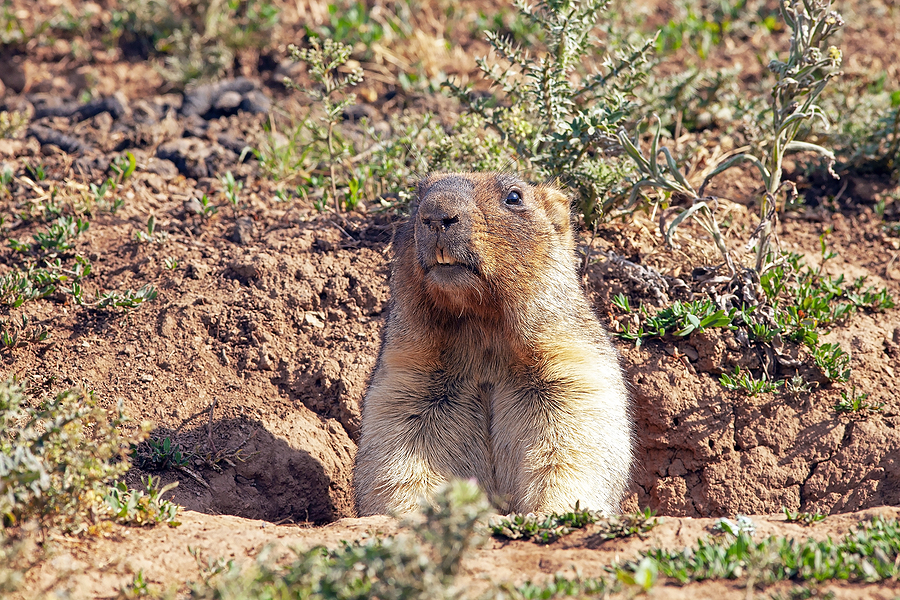
The groundhog (Marmota monax) is the largest member of the squirrel family. Unlike their tree-climbing cousins, they are adapted for life on—and under—the ground.

They are “True Hibernators”

Many animals sleep during the winter, but groundhogs enter a state of true hibernation. During this deep sleep, their body temperature drops dramatically, and their heart rate slows from roughly 80 beats per minute to as few as five. This allows them to survive on stored body fat until spring emerges.

They are sanitary architects

A groundhog burrow is not just a hole; it is a mansion. These tunnels can extend up to 66 feet and feature multiple levels. Impressively, they designate specific chambers for different purposes, including a nursery for pups and a separate “bathroom” chamber to maintain hygiene within the den.

They have a vocal nickname

Groundhogs are often called “whistlepigs.” This nickname comes from the high-pitched whistle they emit to warn others of approaching danger.

Why Control Groundhogs Humanely?

While their biology is impressive, their excavation skills can be destructive. A single woodchuck can move nearly 700 pounds of dirt to create a burrow. This digging can undermine building foundations, destroy root systems in gardens, and create tripping hazards for livestock and humans.

However, addressing the issue requires a humane and legal approach. In Virginia, wildlife laws are strict regarding the handling of nuisance animals. Specifically, it is illegal to trap and relocate an animal to another area. This regulation is in place to prevent the spread of disease and to ensure animals are not dumped into territories where they cannot survive.

Because relocation is not an option for homeowners, the focus must shift to exclusion (keeping them out) or professional wildlife removal on-site.

Tips for Humane Groundhog Control

If a woodchuck has taken up residence under your shed or is eyeing your vegetable garden, exclusion is your most effective tool.

Install a “Floppy” Fence

Groundhogs are surprisingly good climbers. A standard rigid fence often acts as a ladder. Instead, use chicken wire or welded wire mesh. The top 12 inches of the fence should not be secured to a post; leave it flimsy and bent outward. When the animal tries to climb over, the wire will bend under its weight, dropping the animal back to the ground.

The “L-Footer” Technique

Since they cannot climb the fence, they will try to dig under it. To stop this, you must bury the bottom of your fence.

  1. Dig a trench 12 inches deep along your fence line.
  2. Bend the bottom of your wire mesh into an “L” shape, extending it 12 inches outward (away from the garden).
  3. Bury this mesh. When the woodchuck digs down, they will hit the wire mesh floor and give up.

Modify Their Habitat

Make your yard less inviting. Woodchucks prefer cover to hide from predators.

  • Remove piles of brush or debris.
  • Trim tall grass and weeds around building foundations.
  • Harvest garden vegetables as soon as they are ripe to remove food sources.

Use Harmless Harassment

If a groundhog is investigating a new burrow, you can try to discourage them before they settle in. Pinwheels placed near the entrance create visual disturbances and vibrations. Motion-activated sprinklers can also startle them enough to make the area unappealing. Additionally, introducing scents that woodchucks dislike, such as predator urine or ammonia-soaked rags, near their burrow entrance can act as a deterrent. It’s important to reapply these deterrents regularly to maintain their effectiveness.
Woodchuck Control in Richmond Virginia

Need Professional Groundhog Removal in Richmond, VA?

If you’re dealing with a persistent groundhog problem, it can be stressful and overwhelming to manage on your own. While DIY methods may work in some cases, there are times when professional assistance is the most effective solution. At Virginia Wildlife Pros, we specialize in safe, humane, and effective woodchuck removal services for residents in Richmond, VA, and the surrounding areas.

Our trained and experienced team uses proven techniques to protect your property while ensuring the well-being of the wildlife we handle. By identifying the root of the issue and implementing tailored solutions, we help prevent groundhogs from returning. Don’t let groundhogs take control of your yard—Contact Us Today for a consultation or to schedule your service. Together, we can restore peace to your outdoor space.

FAQ Section

Why should I address a groundhog problem promptly?

Woodchuck activity can lead to significant property damage. They can burrow under structures, weaken foundations, and destroy gardens or crops. Acting quickly helps mitigate long-term damage and ensures your yard stays safe and functional.

Are your methods humane?

Yes, our team is committed to using humane and effective techniques to remove groundhogs while taking their well-being into account. We follow industry best practices and prioritize ethical wildlife management.

How can I prevent woodchucks from returning after removal?

Prevention involves a combination of physical barriers, managing attractants like food sources, and maintaining a well-kept yard. Our team will provide detailed recommendations to minimize the chances of groundhogs returning to your property.

Do I need professional help, or can I handle groundhog removal myself?

While DIY methods might seem appealing, professional help ensures the problem is resolved safely and effectively. Our trained team identifies the root cause and implements targeted solutions, saving you time, effort, and potential risks.

Quick Recap

  • Groundhogs can cause structural damage and destroy gardens if left unchecked.
  • Our services focus on humane removal techniques and long-term prevention.
  • Addressing groundhog issues early prevents extensive property damage.
  • Professional groundhog removal ensures effective resolution and peace of mind.

Conclusion

Groundhog problems don’t have to disrupt your life or damage your property. With our compassionate yet highly effective removal services, you can reclaim control of your yard and protect your home. Don’t wait for the problem to worsen; take proactive steps now.

Call Us Now to Schedule Your Consultation—together, we’ll create a safer, more enjoyable outdoor space!

Related Post: Groundhog Removal and Control in Virginia: A Complete Guide for Homeowners
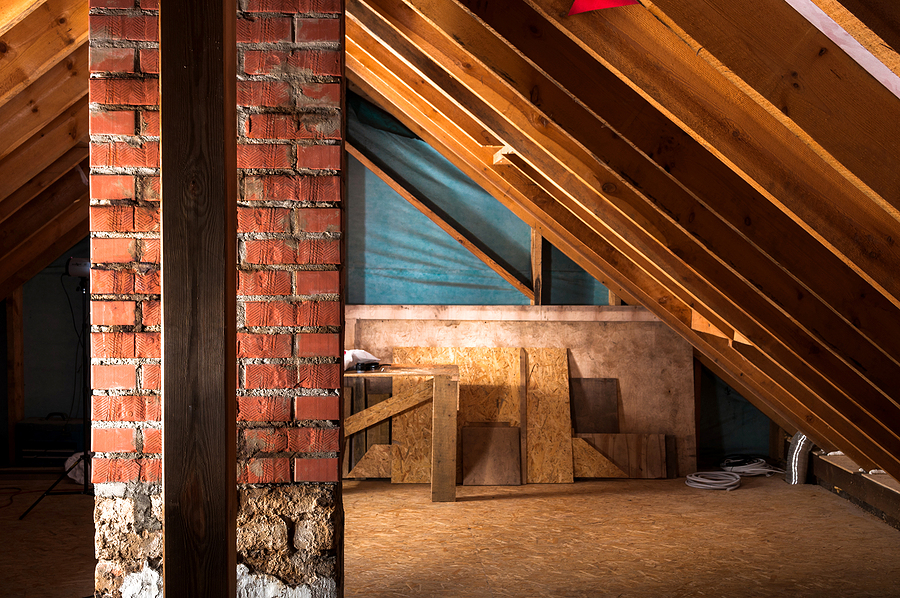
Is Your Attic Hosting Unwanted Guests? Signs You Need Wildlife Proofing and Repair

There is something deeply unsettling about hearing a bump in the night that isn’t the house settling or the wind rattling a window pane. For many homeowners in Virginia, that scratching sound above the bedroom ceiling is the first clue that the boundary between nature and their living space has been breached. While we often admire the diverse wildlife that calls the Commonwealth home—from the clever raccoon to the agile flying squirrel—admiration quickly turns to anxiety when these creatures decide to move in with us.

Wildlife intrusion is more than just a nuisance; it is a significant threat to the safety and sanitation of your home. Animals seeking shelter, particularly during the colder months or breeding seasons, can exploit the tiniest gaps in your home’s exterior. Once inside, they don’t just sleep; they nest, breed, and destroy.

Understanding the subtle and not-so-subtle indicators of an infestation is the first step toward reclaiming your territory. By recognizing these signs early, you can implement effective wildlife proofing and repair strategies before a minor intrusion becomes a costly catastrophe.

Call 804-292-0156 for Animal Proofing & Repair in Richmond Virginia

Signs of Nuisance Animal Intrusion

Animals are naturally stealthy, often living in our attics or crawlspaces for weeks before being detected. However, they almost always leave evidence of their presence.

Strange Noises at Odd Hours

The timing and type of noise can often identify the intruder. Virginia’s flying squirrels, for instance, are nocturnal. If you hear scurrying or rolling sounds (like an acorn rolling across the drywall) late at night, you likely have rodents. Heavier thumping or “walking” sounds often indicate a larger mammal, such as a raccoon or opossum. Conversely, gray squirrels are active during the day, so scratching noises in the morning might point to them.

Unpleasant Odors and Droppings

One of the most dangerous signs of intrusion is the accumulation of waste. Bat guano and urine can create a strong, ammonia-like odor that permeates through ceilings. Identifying droppings is crucial but hazardous; for example, mouse droppings are small and pellet-like, while bat guano looks similar but crumbles into a dusty powder. This powder is dangerous to inhale, so inspection should always be done with caution.

Physical Damage to Your Home’s Exterior

Walk around the perimeter of your house and look up. Are your soffits loose or hanging? Do you see torn screens on attic vents? Raccoons have the dexterity to rip open vents, while squirrels can chew through wood, plastic, and even aluminum siding to widen an entry point. Check your chimney as well—uncapped chimneys are an open invitation for birds and raccoons to nest.

Risks of Ignoring Wildlife Problems

It can be tempting to ignore a faint scratching sound, hoping the animal will leave on its own. Unfortunately, wildlife rarely evict themselves, and the consequences of inaction are severe.

Serious Health Hazards

Wildlife carries diseases that can transmit to humans and pets. According to the Virginia Department of Health, raccoons, skunks, and foxes are primary carriers of rabies in Virginia. While human cases are rare, the risk remains if you or a pet come into contact with a sick animal.

Furthermore, droppings pose a silent threat. The Centers for Disease Control and Prevention (CDC) warns that bat and bird droppings can harbor Histoplasma, a fungus that causes histoplasmosis, a respiratory disease. Disturbing dry guano releases fungal spores into the air, which can be inhaled by anyone in the home.

Costly Property Damage

Rodents, including squirrels and mice, have teeth that never stop growing. To keep them filed down, they gnaw on hard surfaces—including electrical wiring. This creates a significant fire hazard behind your walls. Additionally, animals trample and soil fiberglass insulation, rendering it useless and requiring expensive replacement to maintain your home’s energy efficiency.

Wildlife Proofing Methods

Prevention is always less expensive than repair. Wildlife proofing, often called “exclusion,” involves making your home impenetrable to pests.

  • Seal Entry Points: Inspect your foundation, siding, and roofline. Seal cracks and holes with durable materials like steel wool or heavy-gauge hardware cloth, which animals cannot chew through.
  • Install Chimney Caps: A stainless steel chimney cap allows smoke to escape while preventing animals from nesting in the flue.
  • Secure Vents: Replace standard insect screens on attic vents with sturdy animal-proof covers that are screwed into the frame.
  • Limit Food Sources: Secure trash cans with tight-fitting lids and avoid leaving pet food outdoors. If you have bird feeders, keep the ground below them clean, as overflowing seeds attract rodents.
  • A Critical Warning on Sealing: Before sealing any holes, you must be 100% certain no animals are inside. Sealing a mother raccoon or a colony of bats inside your attic is cruel and creates a secondary problem when they perish inside your walls.

Schedule an Animal Proofing & Repair Estimate Today 📅

When to Seek Professional Help

While DIY proofing is effective for prevention, active infestations often require professional intervention. In Virginia, specific laws protect certain wildlife. For example, the Virginia Department of Wildlife Resources (DWR) notes that it is illegal to poison nuisance wildlife. Furthermore, bats are protected during their maternity season (typically spring through summer). Excluding bats during this time can trap flightless pups inside, which is both illegal and inhumane.

You should seek professional help if:

  • You suspect the presence of a mother and babies.
  • The animal is potentially dangerous or acting aggressively.
  • The entry points are high up on a steep roof or in hard-to-reach crawlspaces.
  • You are dealing with protected species like bats.

Benefits of Professional Animal Damage Repair

Hiring an expert offers peace of mind that the job is done safely and legally. Professionals understand animal biology and behavior. They know, for instance, that Virginia law generally requires trapped nuisance wildlife to be euthanized rather than relocated, to prevent the spread of disease.

Professionals also use specialized equipment, such as one-way doors that allow animals to exit your home but prevent them from re-entering. Once the animals are gone, experts can perform the dirty, dangerous work of cleaning up hazardous waste using industrial-grade respirators and disinfectants, followed by repairing insulation and drywall to restore your home to its original condition.

Final Thoughts

Your home should be a sanctuary for your family, not a winter retreat for the neighborhood wildlife. If you hear suspicious noises or notice damage around your roofline, don’t wait for the problem to escalate. Addressing the issue immediately protects your property value and your family’s health.

For homeowners in the Richmond, Virginia area, professional help is just a call away. Don’t tackle dangerous wildlife alone—reach out to our licensed animal damage repair specialists today to reclaim your attic and sleep soundly once again.

Call for a Free Estimate

Related Post: Virginia Wildlife Under Your Porch? Your Next Steps

Winter Wildlife in Richmond: How to Protect Your Property

Richmond’s winters may be milder than those in the Northeast, but when the temperatures drop along the James River, local wildlife starts looking for shelter. For raccoons, squirrels, and rodents, your attic or crawl space offers the perfect refuge from the cold. Unfortunately, what is cozy for them can be disastrous for your home.

As winter sets in, wildlife activity shifts from foraging in the open to seeking warmth and security. Animals that might usually stay in the trees or underground suddenly view your vents, chimneys, and loose siding as invitations. Understanding these behaviors is the first step in protecting your property. By identifying the signs early and taking proactive measures, you can prevent costly damage and health risks before they take root.

Winter Wildlife Control in Richmond VA

Common Winter Pests in Richmond

In the Richmond area, several species become particularly troublesome during the winter months. Understanding their habits can help you spot an infestation before it spirals out of control.

Rodents (Mice and Rats)

Mice and rats are perhaps the most persistent winter invaders. They can squeeze through impossibly small openings—a mouse needs a hole only the size of a dime. Once inside, they reproduce rapidly and can contaminate food sources and insulation. According to the CDC, rodent droppings can spread diseases, making them a serious health hazard rather than just a nuisance.

Squirrels

Eastern gray squirrels and flying squirrels are common sights in Richmond neighborhoods. While they are entertaining in the park, they are destructive houseguests. Flying squirrels, in particular, are nocturnal and often invade attics in groups during winter to share body warmth. They are known for gnawing on electrical wiring, which poses a significant fire risk.

Raccoons

Raccoons are highly adaptable and intelligent. In urban and suburban Richmond, they often den under decks, in crawl spaces, or in attics. They are strong enough to tear off shingles or vents to gain entry. While seeing a raccoon during the day isn’t necessarily a sign of rabies, abnormal behavior—like stumbling or aggression—is a red flag that requires immediate professional attention.

Effective Wildlife Control Tips

Exclusion is the most effective, humane, and long-term solution for wildlife control. By sealing entry points, you encourage animals to find shelter elsewhere.

Seal Entry Points

Inspect your home’s exterior for gaps, cracks, or holes. Pay close attention to areas where utility pipes enter the house, as well as rooflines and eaves. Use steel wool and caulk to seal small holes, as rodents can chew through foam sealants and wood.

Manage Food Sources

Wildlife is driven by the search for food.

  • Bird Feeders: If squirrels are becoming a problem, consider removing bird feeders temporarily or installing baffles. The Virginia Department of Wildlife Resources (DWR) suggests placing feeders at least 15 feet away from any structure an animal could jump from.
  • Trash: Secure trash cans with tight-fitting, animal-proof lids.
  • Pet Food: Avoid leaving pet food outside overnight, as this is a major attractant for raccoons and skunks.

Maintain Your Yard

Trim tree branches that hang over your roof. These act as bridges for squirrels and raccoons to access your attic. Additionally, clearing fallen fruit and heavy brush reduces the cover and food available to pests near your home’s foundation.

Request a Free Wildlife Control Assessment Today

When to Call a Professional Service

While minor exclusions can be DIY projects, active infestations often require professional intervention. Wildlife removal is not just about catching an animal; it’s about doing so safely, humanely, and legally.

Health Risks

Cleaning up after an infestation is dangerous. Rodent urine and droppings can carry Hantavirus and other pathogens. The CDC explicitly warns against sweeping or vacuuming droppings, as this can release virus-carrying particles into the air. Professionals have the proper personal protective equipment (PPE) and disinfectants to remediate biohazards safely.

Structural Integrity

Animals can cause unseen damage, from chewed wires inside walls to soiled insulation that needs replacing. A professional wildlife control operator can assess the full extent of the damage and recommend comprehensive animal proofing and repairs to restore your home’s integrity.

Navigating Local Regulations

Wildlife control in Richmond is subject to specific state and local laws designed to protect both the public and the animals.

Trapping and Relocation

It is crucial to know that relocating wildlife is generally illegal in Virginia. The Virginia DWR states that trapping and moving an animal to another location—such as a park or wooded area—is prohibited. This is to prevent the spread of diseases like rabies and to avoid disrupting established ecosystems.

City Ordinances

Richmond city code also has strict rules regarding wildlife. Specifically, transporting or importing high-risk species like raccoons, skunks, and foxes into the city is prohibited. Furthermore, if a wild animal bites or injures a human and is suspected of being rabid, city ordinances mandate that it must be humanely euthanized and tested. Attempting to handle these animals yourself puts you at legal and physical risk.

Secure Your Home This Season

Winter should be a time of comfort, not a battle against uninvited guests in your attic or walls. Protecting your home from wildlife requires vigilance, preventative maintenance, and a respect for the animals’ habits and the laws governing them.

If you suspect you have a wildlife issue, don’t wait for the damage to worsen. Contact our team of licensed professionals today for safe, humane, and effective wildlife removal in Richmond and the surrounding areas. Let us help you reclaim your home and peace of mind this winter.

Call Now to Book Service

Related Post: Bracing for Winter: Your Guide to Animal-Proofing in Virginia