How to Get Rid of Mice in the House Effectively

It’s late at night, and the house is quiet. Just as you’re drifting off to sleep, you hear it—a faint scratching sound behind the wall or the telltale scurry of tiny claws across the floor. Few things disrupt your peace of mind quite like the realization that you’re sharing your home with a mouse. These uninvited guests are not only unsettling but also pose significant risks to your health and the safety of your property.

While a single mouse might seem manageable, it’s rarely an isolated incident. Mice reproduce quickly, turning a minor nuisance into a full-blown infestation in a matter of weeks. They can chew through electrical wires, contaminate your food supply, and spread harmful bacteria throughout your living space. Ignoring the problem isn’t an option if you want to protect your home and your family’s well-being.

The good news is that you don’t have to resort to harsh chemicals or dangerous poisons to reclaim your space. By understanding what attracts rodents and implementing strategic control methods, you can effectively remove them and prevent their return. This guide will walk you through identifying the signs of an infestation, exploring humane and non-toxic solutions, and sealing your home against future invasions.
Call 804-292-0156 to Get Rid of Mice in Richmond Virginia

Identifying a Mouse Infestation in the House

Often, you’ll see the signs of a mouse long before you see the creature itself. Mice are nocturnal and naturally secretive, preferring to move under the cover of darkness. However, they leave behind distinct clues that can alert you to their presence if you know what to look for.

Droppings

The most common indicator is droppings. Mouse droppings are small, dark, and rod-shaped, typically found near food packages, inside drawers, or under sinks.

Gnaw Marks

You might also notice gnaw marks on baseboards, furniture, or pantry items. Because their teeth never stop growing, mice must chew constantly to keep them filed down, leaving damaged materials in their wake.

Smudges on Walls

Another subtle sign is the presence of “rub marks”—dark, greasy smudges along walls or baseboards where their fur brushes against surfaces as they travel their regular routes.

Nesting Signs and Sounds

Additionally, nesting materials like shredded paper, fabric, or dried plant matter tucked away in quiet corners can indicate that a mouse has made itself comfortable. If you hear scratching or squeaking sounds in your walls or ceilings, especially at night, it’s time to take action.

Natural Mouse Deterrents

For homeowners wary of using toxic baits or poisons, especially those with children or pets, natural deterrents offer a safer initial line of defense. These methods focus on making your home less attractive and hospitable to rodents, encouraging them to seek shelter elsewhere.

Sanitation is your most powerful tool. Mice are driven primarily by the search for food and shelter. By eliminating their food sources, you make your home far less appealing. Store all pantry items, including pet food and birdseed, in airtight glass, metal, or heavy-duty plastic containers. Clean up crumbs and spills immediately, and ensure your garbage cans have tight-fitting lids.

While scientific evidence regarding scent-based deterrents is mixed, many homeowners report success using strong odors that mice find unpleasant. Peppermint oil is a popular choice; soaking cotton balls in 100% pure peppermint oil and placing them near suspected entry points may help repel them. However, these scents dissipate quickly and must be refreshed often to remain effective.

Ultimately, removing the resources they need to survive is the most reliable “natural” deterrent.

Request a Free Mouse Infestation Assessment Today

Humane Mouse Trapping Methods

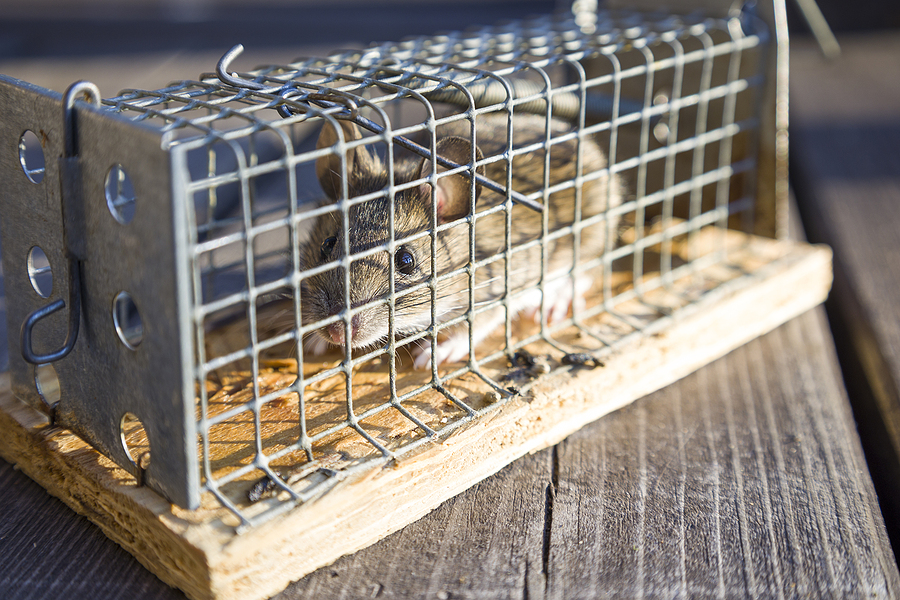
If you want to remove mice without harming them, humane catch-and-release traps are a viable option. These traps are designed to lure the mouse inside and contain it safely until you can release it back into the wild. Unlike snap traps or glue boards, which can cause injury or death, live traps prioritize the animal’s welfare.

To use these traps effectively, bait them with high-protein foods like peanut butter, which is sticky and harder for the mouse to steal without triggering the mechanism. Place the traps along walls where you have seen activity, as mice rarely travel across open spaces. Check the traps frequently—at least once a day—to ensure any captured animal doesn’t suffer from dehydration or stress.

When releasing a captured mouse, distance is key. To prevent the mouse from returning to your home, release it at least two miles away in a wooded or rural area. Be mindful of local regulations regarding the release of wildlife, and always wear gloves when handling traps to protect yourself from potential diseases.

Preventing Rodents With Proper Exclusion

The most effective way to handle a mouse problem is to prevent it from happening in the first place. This process, known as wildlife exclusion, involves finding and sealing the gaps that allow mice to enter your home. You might be surprised to learn that a mouse can squeeze through a hole the size of a dime (about 1/4 inch).

Start by inspecting the exterior of your home. Look for cracks in the foundation, gaps around windows and doors, and openings where utility pipes or wires enter the house. Pay close attention to corners and vents.

Once you have identified these entry points, seal them with durable materials. Avoid using plastic, rubber, wood, or spray foam alone, as mice can easily chew through these. Instead, fill small holes with steel wool or copper mesh, which rodents cannot gnaw through, and seal it in place with caulk.

For larger openings, use hardware cloth (wire mesh) or cement. Installing door sweeps on exterior doors is another simple yet effective measure to block their access.

Professional Rodent Control

Sometimes, despite your best efforts, an infestation can persist. If you are noticing signs of a large population, such as daytime sightings or a strong ammonia-like smell of urine, it may be time to call in the experts. A professional pest control service has the training and tools to identify nesting sites you might miss and can implement a comprehensive removal plan.

Professionals can also help with the cleanup process, which is critical for health and safety. Cleaning up mouse droppings requires care to avoid inhaling harmful particles. Professionals know how to sanitize areas safely and can provide specialized exclusion services to rodent-proof your home permanently.

In Summary

Getting rid of mice requires vigilance and a proactive approach. By combining proper sanitation, exclusion techniques, and humane removal methods, you can reclaim your home and peace of mind. Remember, the goal is not just to remove the current intruders but to create an environment where they cannot return. Start with a thorough inspection of your property today, and tackle those small repairs that make a big difference. A secure, clean home is the best defense against unwanted guests.

For reliable, professional rodent removal and control in Richmond, Virginia, contact our team of experts today. We’ll help you safeguard your home and ensure your family stays healthy and comfortable.

Call for a Free Estimate

Related Post: Banish Mice from Your Home with These Proven Rodent Removal Strategies
Virginia Beaver Dam Removal: Laws, Problems, and Solutions

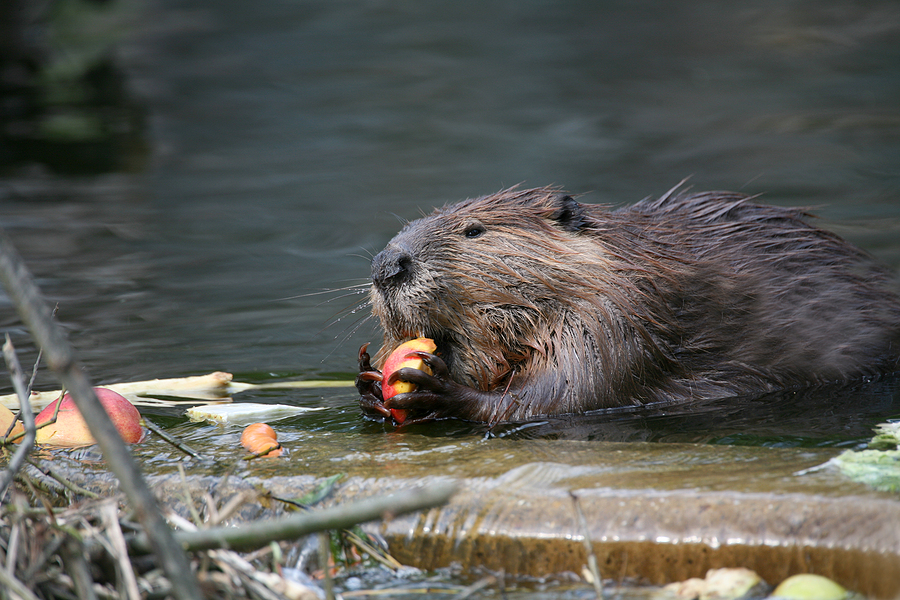
A beaver dam is a marvel of natural engineering, capable of transforming a trickling stream into a thriving wetland ecosystem. But when that transformation happens in your backyard, threatening your septic system or flooding your driveway, admiration quickly turns to frustration. For Virginia property owners, beavers are a complex challenge—balancing their ecological benefits with the very real damage they cause to timber, crops, and infrastructure requires a strategic approach.

Understanding how to manage these industrious rodents is crucial for protecting your property. It isn’t just about removing a dam; it’s about navigating Virginia’s specific wildlife laws, understanding water flow, and choosing the right mitigation technique for your landscape.

Call 804-292-0156 for Professional Beaver Trapping and Removal in Richmond Virginia

Why Do Beavers Build Dams?

Beavers don’t build dams to annoy homeowners; they build them for survival. As large, awkward rodents on land, beavers are vulnerable to predators like coyotes and bears. In the water, however, they are graceful and fast. By damming a stream, they create a deep-water pond that serves two primary purposes:

  • Protection: The pond acts as a moat around their lodge, providing a safe underwater entrance that predators cannot access.
  • Food Storage: The deep water allows them to store food caches (branches and logs) underwater, ensuring they have access to nutrition even when the surface freezes during a Virginia winter.

Understanding this biological drive is key to management. If you remove a dam without addressing the beaver’s need for deep water, they will almost certainly rebuild it—often overnight.

Common Problems Caused by Beaver Dams

While beaver ponds can attract ducks and filter pollutants, the location of the dam often puts it in direct conflict with human land use.

  • Flooding: This is the most immediate threat. Rising water levels can submerge roads, driveways, and basements. In agricultural areas, it can saturate fields, making them unfarmable.
  • Septic System Failure: If a beaver pond raises the local water table, it can flood septic drain fields, leading to costly repairs and health hazards.
  • Timber and Tree Loss: Beavers are notoriously destructive to trees, both by chewing them down for construction and by drowning root systems through flooding.
  • Road Instability: When beavers block culverts (a favorite spot because the constriction makes damming easy), the resulting water pressure can wash out roads entirely.

Virginia Laws on Beaver Dams and Removal

Before you drag a hook out to the creek, you must understand the legal landscape. Virginia has specific regulations governing both the animals and the water bodies they alter.

Is a Permit Required to Remove a Dam?

Generally, beaver dams themselves are not a regulated resource by the Virginia Department of Wildlife Resources (DWR) and can be removed or altered without a permit from the DWR. However, this comes with a major caveat: Wetland and Stream regulations.

Altering a dam often involves excavation or changing the flow of a stream, which may fall under the jurisdiction of the Virginia Department of Environmental Quality (DEQ). State law requires a Virginia Water Protection (VWP) permit before disturbing a wetland or stream by clearing, filling, or excavating. Before removing a large established dam, it is wise to consult with DEQ or the U.S. Army Corps of Engineers to ensure you aren’t violating federal or state wetland laws.

Rules for Managing the Beavers

Removing the dam doesn’t remove the problem if the beaver remains. In Virginia, the beaver is classified as a nuisance species.

  • No Relocation: Moving live beavers to another area is strictly prohibited under Virginia Code. This prevents the spread of diseases and ensures you aren’t just dumping your problem onto a neighbor or public land.
  • Lethal Control: Landowners may kill beavers or have them killed if they are causing damage to crops, lands, or property. A “kill permit” is not required from the DWR for landowners addressing damage, though local ordinances regarding firearms and trapping still apply.
  • Trapping Seasons: There is a continuous open trapping season in specific localities, including Arlington, Fairfax, Henrico, Loudoun, and Prince William counties. In other areas, the regulated season typically runs from December through February.

Request a Free Beaver Removal & Control Assessment

Mitigation Techniques: Non-Lethal Options

If you want to coexist with beavers without losing your property to flooding, “flow devices” are the gold standard. These ingenious systems trick beavers into letting water flow through their dams.

Pond Levelers (The “Clemson” Leveler)

A pond leveler is a pipe system installed through the dam. The intake end of the pipe is submerged upstream and protected by a cage.

  • How it works: Beavers rely on the sound and feel of rushing water to detect leaks. By placing the intake far upstream and underwater, the pond leveler silences the flow. The beaver doesn’t realize the dam is leaking, and the water level remains at a manageable height set by the pipe.
  • Best for: Free-standing dams in streams or creeks.

Beaver Deceivers and Culvert Fences

Culverts are magnets for beavers because the road has already done most of the work for them. A “Beaver Deceiver” is a trapezoidal fence built around the upstream opening of a culvert.

  • How it works: It forces the beaver to build their dam further away from the culvert entrance, where the current is weaker and the dam is wider. This usually discourages them enough to move on, or allows water to flow through the fence even if they build against it.

Exclusion Fencing

To save individual trees, wrap them in hardware cloth or heavy wire mesh.

  • Specification: The mesh should extend at least 30 inches (preferably 4 feet) high to account for snow or standing beavers. Leave a few inches of space between the mesh and the trunk to allow the tree to grow.

DIY vs. Professional Help

Can you handle beaver management yourself? It depends on the scale of the problem.

DIY is appropriate when:

  • You are wrapping trees to prevent chewing.
  • You are clearing small, newly formed debris in a culvert (with safety precautions).
  • You are comfortable with and licensed for trapping (during season).

Call a Professional when:

  • The dam is large: Releasing a large volume of water suddenly can cause downstream flooding and sedimentation, leading to legal liability and environmental damage.
  • Trapping is required: Professional trappers understand how to avoid non-target species and handle the animals humanely and legally.
  • Installing flow devices: Devices like the Clemson Leveler require precise engineering. If the intake isn’t deep enough or the pipe isn’t sized correctly, the system will fail.

Beaver Control and Preventative Maintenance

The best way to deal with a beaver dam is to prevent it from being built in the first place.

  • Alter the Habitat: Remove preferred food sources (willow, aspen, sweetgum) from the immediate shoreline. Replace them with less desirable species like pine.
  • Electric Fencing: Low-voltage electric tape strung near the water’s edge can deter beavers from coming ashore to forage.
  • Regular Monitoring: Walk your creek lines regularly. It is much easier to discourage a beaver by breaking up a “starter dam” of mud and a few sticks than it is to remove a massive established structure.

Restoring Balance to Your Property

Managing beaver conflicts is rarely a one-time event; it is an ongoing process of monitoring and maintenance. Whether you choose to install a flow device to coexist with your aquatic neighbors or opt for removal to protect critical infrastructure, acting within Virginia law is essential. If you are facing a severe blockage or extensive flooding, don’t wait until the damage is irreversible.

Is a beaver dam threatening your property? Our licensed wildlife control experts specialize in humane beaver removal and dam management in Richmond and the surrounding counties. We can help you navigate the regulations and restore your property’s safety. Contact Us Today for a free estimate.

Call Now to Schedule

Related Post: Beavers Begone: Strategies for Safe and Effective Beaver Removal

Dead Animal Pickup in Richmond, VA: Who to Call

Discovering a dead animal on or near your property can be distressing. Beyond the unpleasant sight and smell, it poses significant health and safety risks. A deceased animal can attract pests, spread diseases, and create an unsanitary environment for you and your family. Understanding how to handle this situation correctly is crucial for maintaining a safe and healthy home.

This guide will walk you through the proper steps for dead animal removal in Richmond, Virginia. We’ll cover common scenarios you might face, explain who to contact for assistance, and provide tips to help prevent animals from dying on your property in the first place. Knowing the right course of action ensures the issue is resolved quickly, safely, and humanely.

Dead Animal Pickup in Richmond Virginia

Common Scenarios for Animal Removal

Residents in Richmond may encounter a dead animal in several different situations. The location of the animal often determines who is responsible for its removal.

Animals on Public Roads and Sidewalks

It is unfortunately common to see deceased animals, such as deer, raccoons, or opossums, on public roads or sidewalks after being struck by vehicles. These animals create traffic hazards and public health concerns, requiring prompt removal by city authorities.

Animals in Your Yard or on Private Property

Finding a dead animal in your yard, whether it’s a squirrel, bird, or even a neighborhood pet, is another frequent occurrence. While it’s on your property, the responsibility for removal can sometimes be confusing. Depending on the animal and its exact location, you may need to handle it yourself or call for professional help.

Animals Inside Your Home

The most unsettling scenario is discovering a dead animal inside your home, such as in the attic, walls, or basement. This often happens when rodents or other wildlife find their way inside seeking shelter and become trapped. The resulting odor and potential for contamination make this an urgent issue that typically requires professional wildlife control services.

Who to Call for Dead Animal Pickup

In Richmond, VA, your options for dead animal removal depend on where the animal is located. Here is a breakdown of who to contact for help:

Richmond City Services

For dead animals located on public property, such as roads, sidewalks, and city parks, the City of Richmond provides removal services.

Richmond Animal Care and Control (RACC)

The RACC is the primary contact for deceased domestic animals (like dogs and cats) on public land. They work to identify the animal and notify the owner if possible.

  • Contact: You can reach the RACC at (804) 646-5573.
  • Hours: They operate seven days a week, but response times may vary.

Department of Public Works (DPW)

The DPW handles the removal of dead wild animals from public roads and rights-of-way. This includes animals like deer, raccoons, and squirrels.

  • Contact: Report issues through the RVA311 system by calling 3-1-1 or (804) 646-7000, or by using the RVA311 online portal or mobile app.
  • Hours: Service requests are typically addressed during standard business hours, Monday through Friday.

It’s important to provide a precise location when you make a report to ensure a swift response.

Private Wildlife Removal Companies

If the dead animal is on your private property, you are generally responsible for its removal. While you can handle it yourself, it is often safer and more effective to hire a professional wildlife control company. These companies are equipped to safely remove and dispose of the animal, as well as decontaminate the area to eliminate health risks. When choosing a private company, look for one that is licensed, insured, and has experience with humane and sanitary removal practices.

Schedule a Wildlife Control Inspection Right Now 📅

How to Prevent Animals on Your Property

Taking proactive steps can reduce the likelihood of animals dying on or near your property. Prevention is the most effective way to avoid the stress and expense of removal.

  • Secure Trash Cans: Use trash cans with tight-fitting lids to keep animals from rummaging for food.
  • Eliminate Food Sources: Do not leave pet food outside overnight, and clean up fallen fruit or seeds from bird feeders.
  • Seal Entry Points: Inspect your home’s exterior for cracks, holes, or gaps. Seal any potential entry points into your attic, basement, crawlspace, and under porches to prevent animals from getting inside.
  • Maintain Your Yard: Keep your lawn mowed and trim back overgrown bushes or trees where animals might hide or build nests.
  • Install Fencing: A sturdy fence can be an effective barrier to keep larger animals like deer and raccoons out of your yard.

Frequently Asked Questions

What should I do if I find a dead bird?

The Virginia Department of Wildlife Resources (DWR) sometimes tracks bird deaths to monitor for diseases like avian flu. While you can typically dispose of a single dead bird in your trash (wearing gloves), you can also report it to the DWR, especially if you find multiple dead birds in one area.

Can I bury a dead animal in my yard?

While it may seem like a simple solution, burying animals is often not recommended. Improper burial can attract other animals that may dig up the carcass, and it can potentially contaminate soil and groundwater. It is safer to follow city guidelines or have it professionally removed.

Is it safe to handle a dead animal myself?

Handling a dead animal poses health risks. They can carry diseases, bacteria, and parasites like fleas and ticks. If you must move a small animal, always wear thick, waterproof gloves, use a shovel, and place it in a sealed plastic bag. Wash your hands thoroughly afterward. For larger animals or those inside your home, it is always best to call a professional.

What causes the bad smell, and how long will it last?

The odor comes from the decomposition of the body. The duration of the smell depends on the size of the animal, temperature, and humidity. It can last for several weeks or even months if the animal is not removed. Professional services can sanitize and deodorize the area to eliminate the odor.

Ensure Your Home is Secure

Properly removing a deceased animal is essential for the health and safety of your community. Knowing who to call in Richmond, VA—whether it’s the city for public spaces or a professional for your private property—ensures the situation is handled efficiently and safely.

If you are dealing with recurring wildlife issues or want to prevent animals from entering your home, professional help is available. Contact Us Today for expert wildlife control and animal-proofing services to protect your property and give you peace of mind.

Call Now for Service

Related Post: Dead Animal Removal: A Complete Guide for Homeowners