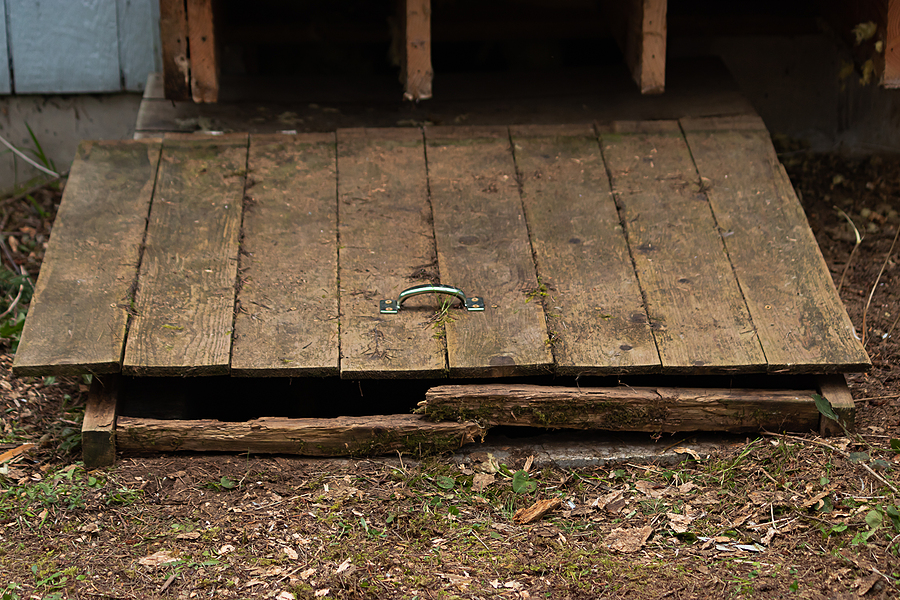
Crawlspaces are one of the most overlooked areas of a Virginia home, and that makes them one of the most vulnerable. Dark, quiet, and often untouched for months at a time, these spaces offer wildlife exactly what they’re searching for: shelter, warmth, and a safe place to nest.
Raccoons, opossums, squirrels, rodents, and bats all find their way into Virginia crawlspaces every year, often without homeowners realizing it until damage is already done. Left unchecked, these unwanted visitors can chew through wiring, contaminate insulation, and create health hazards for your family.
The good news? Most crawlspace intrusions are preventable once you know what to look for. This guide walks you through the animals most likely to invade your crawlspace, the entry points they exploit, and the steps you can take to keep your Virginia home protected.
Concerned about wildlife in your crawlspace? Contact our Virginia wildlife removal experts today for a free inspection.
Common Crawlspace Wildlife in Virginia
Different animals bring different risks, and knowing which species you’re dealing with makes a big difference in how the problem should be handled.
Raccoons
Raccoons are strong, clever, and surprisingly destructive once they’ve settled into a crawlspace. They’re capable of tearing through vent covers and screens to create their own entry points, and females often seek out crawlspaces as denning sites between February and May to raise their young. Raccoon droppings can carry roundworm, making cleanup a job best left to professionals.
Opossums
Opossums are drawn to crawlspaces by warmth and the smell of food nearby, whether that’s pet food left outdoors or debris that’s accumulated near the foundation. They typically enter through damaged vents or gaps in skirting. While opossums are generally less destructive than raccoons, they can carry fleas and other parasites into your home’s underbelly.
Squirrels
Squirrels, including Virginia’s native flying squirrels, are persistent nesters. They’ll gather insulation and debris to build nests and can squeeze through gaps as small as an inch and a half. Fall is peak season for squirrel activity, as they search for warm shelter before winter sets in. Their habit of chewing through electrical wiring makes them a genuine fire hazard.
Rodents
Mice and rats are among the most common—and most problematic—crawlspace invaders. Mice can fit through gaps as small as a quarter inch, while rats need only half an inch. Their reproduction rates are staggering: a single pair of mice can produce five to ten litters a year. Beyond the structural damage from gnawing, rodents spread disease through droppings and urine, including salmonella and hantavirus.
Bats
Bats roost in colonies and often choose crawlspaces and attics for their seclusion. Some species found in Virginia are federally protected, which means removal must follow strict legal guidelines. Bat guano accumulation poses a serious health risk, as it can lead to histoplasmosis, a respiratory illness caused by a fungus that grows in the droppings.
Why Do Animals Enter Crawlspaces?
Crawlspaces check every box on a wild animal’s wish list. Understanding what draws them in helps explain why prevention matters so much.
- Shelter from weather and predators: A crawlspace offers protection from rain, wind, and extreme temperatures.
- Warmth during winter months: As temperatures drop, wildlife seeks out insulated, enclosed spaces to wait out the cold.
- Food sources and nesting materials: Insulation, cardboard, and debris make ideal nesting material, while nearby pet food or unsecured trash provides an easy meal.
- Easy, undisturbed access: Crawlspaces are rarely inspected, giving animals a quiet place to settle in without interruption.
Entry Points to Inspect and Seal
Most crawlspace invasions come down to a handful of common weak points around the foundation. Regularly checking these areas can catch a problem before it becomes an infestation.
Foundation Cracks and Gaps
Even small cracks in the foundation can widen over time, especially with Virginia’s seasonal freeze-thaw cycles. These gaps are often invisible from a distance but wide enough for rodents or young animals to squeeze through.
Damaged or Missing Vents
Vent covers are one of the most frequently exploited entry points. Raccoons are strong enough to tear through weakened screens, while smaller gaps left by missing or bent vents give rodents and squirrels easy access.
Loose or Deteriorated Skirting
Skirting that has warped, cracked, or come loose from the foundation creates a direct pathway underneath the home. This is a particularly common issue for opossums and stray cats looking for shelter.
Openings Around Pipes and Utilities
Anywhere a pipe, wire, or utility line enters the home, there’s potential for a gap. These openings are often overlooked during routine inspections but are a favorite entry point for rodents.
Gaps Under Doors and Windows Near Grade Level
If a crawlspace door or low window sits close to ground level, wear and settling can create gaps large enough for smaller animals to exploit.
Not sure where animals are getting in? Book a professional crawlspace inspection in Virginia and find out.
Prevention Strategies for Virginia Homeowners
Prevention is far less costly than repairing the damage wildlife leaves behind. A few consistent habits can go a long way toward keeping your crawlspace animal-free.
- Schedule regular inspections: Check your crawlspace at least twice a year, paying close attention to vents, skirting, and foundation walls.
- Seal entry points properly: Use hardware cloth, steel wool, or concrete patching for gaps—materials animals can’t easily chew through, unlike standard caulk alone.
- Remove food sources and debris: Store pet food indoors, secure trash cans, and clear fallen fruit or birdseed near the foundation.
- Install proper ventilation screens: Quarter-inch hardware cloth over vents allows airflow while keeping most wildlife out.
- Trim vegetation near the foundation: Overgrown shrubs and tree limbs give animals cover and easier access to your home’s exterior.
Frequently Asked Questions
How do I know if I have wildlife in my crawlspace?
Common signs include scratching or thumping noises (especially at night), musty or ammonia-like odors, droppings near vents or foundation openings, and visible damage to vent covers or skirting.
What should I do if I find animals in my crawlspace?
Avoid attempting to handle the situation yourself, especially with species like raccoons and bats, which can carry disease or fall under legal protection. Contact a licensed wildlife removal professional to safely assess and address the problem.
Can I remove wildlife myself?
DIY removal is generally not recommended. Many species require specific handling methods to comply with Virginia wildlife regulations, and improper removal can leave entry points unsealed, leading to repeat infestations.
How much does professional crawlspace wildlife removal cost?
Costs vary depending on the animal involved, the extent of the infestation, and any necessary repairs, but most services range from $150 to $500 or more. A professional inspection can provide an accurate estimate for your specific situation.
Protect Your Crawlspace Before Wildlife Moves In
Your crawlspace shouldn’t double as a shelter for Virginia’s wildlife. Catching the warning signs early and sealing off entry points before animals settle in can save you from costly repairs and health risks down the road.
If you suspect raccoons, opossums, squirrels, rodents, or bats have made themselves at home beneath your property, Virginia Wildlife Control in Richmond is ready to help. Serving Henrico, Midlothian, Glen Allen, Mechanicsville, Charlottesville, and surrounding communities, our team provides thorough inspections, safe removal, and long-term prevention solutions tailored to your home. Schedule your crawlspace inspection today and take the first step toward a wildlife-free home.
Related Posts:
Wildlife Removal in Midlothian, VA: What Homeowners Need to Know
Habitat Modification Strategies for Better Wildlife Control
The Native Wildlife of Virginia: Fun Facts for Animal Lovers