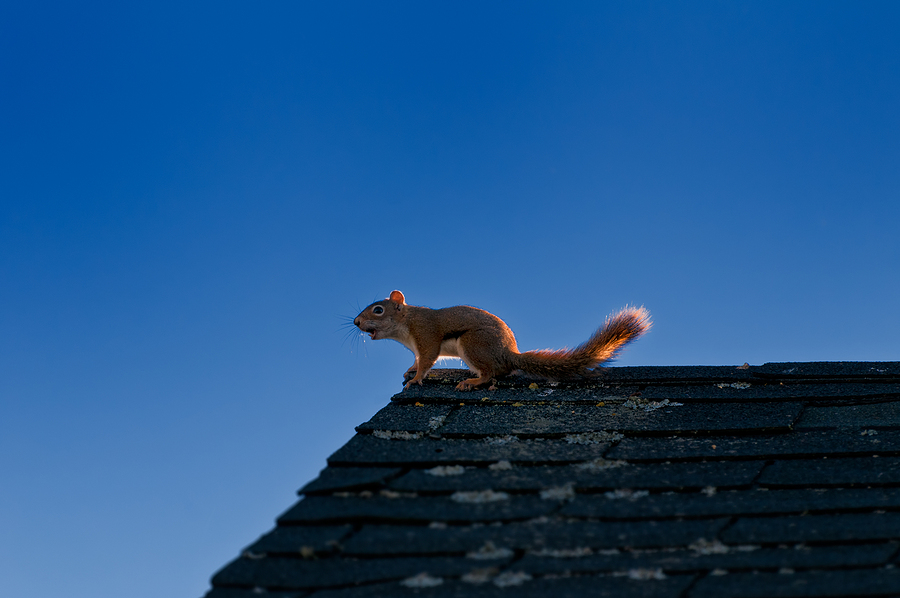
Protecting your home from wildlife intrusions can feel like a daunting task, especially when persistent squirrels target your roof. Not only can their chewing cause significant structural damage, but it also opens the door to further complications, such as water leaks or additional pest infestations. Understanding why squirrels behave this way and how to effectively prevent them from causing harm is crucial for safeguarding your home and maintaining peace of mind. This guide will cover this and more.
TL;DR: Squirrels can damage your roof by chewing through soffits, fascia, and vents to access your attic. Prevent entry by sealing gaps with metal flashing or heavy-duty hardware cloth, trimming tree branches at least 6–8 feet from your roofline, installing chimney caps, and using repellents like capsaicin spray. Regular maintenance and inspection are key to keeping squirrels out for good.
Key Takeaways:
- Squirrels need only a 1.5-inch gap to enter your roof or attic
- Metal flashing and 16-gauge steel mesh are the most durable exclusion materials
- Tree branches should be trimmed 6–8 feet away from your home
- Capsaicin-based repellents can deter chewing on wood and wiring
- Professional help is recommended if you suspect an active infestation
Table of Contents:
- Why Do Squirrels Chew on Roofs?
- Common Entry Points Around Your Roof
- Installing Physical Barriers
- Using Repellents to Discourage Chewing
- Essential Maintenance Tips
- When to Call a Professional
- FAQ
- Quick Recap
- Get a Squirrel Removal Quote in Richmond
Why Do Squirrels Chew on Roofs?
Squirrels chew to maintain their constantly growing teeth, which can reach up to 6 inches per year if left unchecked. Materials like wood, plastic, and soft metals provide the perfect resistance for gnawing. When squirrels discover a weak spot on your roof—such as deteriorated fascia boards or plastic roof vents—they’ll expand even a dime-sized crack into an opening large enough to squeeze through.
Your attic offers warmth, safety from predators, and abundant nesting material in the form of insulation. This makes it an ideal shelter, especially during breeding seasons in early spring and late summer. Once inside, squirrels can cause serious damage by chewing through electrical wiring, tearing up insulation, and leaving droppings that create odors and potential health hazards.
Common Entry Points Around Your Roof
Identifying vulnerable spots is your first line of defense. Here are the most common places squirrels gain access:
Roof and Gable Vents
Plastic and aluminum roof vents are no match for a determined squirrel. These vents release warm air from your attic, but their soft materials make them easy targets for gnawing. Gable vents on either side of your roof are equally vulnerable.
Fascia Boards and Soffits
Fascia boards run along the lower edge of your roof, covering the roofline to keep water out. In some homes, construction gaps above the fascia allow squirrels to squeeze in. If the wood has been weakened by moisture or ice dams, it becomes even easier for squirrels to chew through. Soffits—the undersides of roof overhangs—are another frequent entry point.
Roof Edges and Intersections
Where two roofs meet, shingles rarely seal flush with the soffit above, creating small gaps. Deteriorating shingles at roof edges also soften over time, making them easier to chew.
Wall Vents and Plumbing Mats
Exhaust vents for kitchens, bathrooms, and laundry rooms often have plastic covers that squirrels can gnaw through. Plumbing vent pipes exit through the roof with rubber mats that may leave gaps large enough for entry.
Chimneys
An uncapped chimney is an open invitation. While squirrels can fall down the flue and become trapped in your fireplace, they may also nest in the chimney itself.
Installing Physical Barriers
The most effective way to keep squirrels out is exclusion—physically blocking their access with materials they cannot chew through.
Use Heavy-Duty Hardware Cloth
Cover vulnerable areas with 1/4- to 1/2-inch hardware cloth. For squirrels, solid aluminum flashing is recommended. For raccoons and larger pests, use 16-gauge 1-by-1-inch steel mesh. Staple or screw the mesh securely over entry points.
Install Metal Flashing on Fascia Boards
A drip edge made of metal flashing can be installed under your first row of shingles to hang over the fascia’s edge. This prevents squirrels from chewing through the wood or exploiting construction gaps.
Add Chimney Caps and Vent Guards
A sturdy, animal-proof chimney cap will keep squirrels (and birds) from entering your chimney. Box vents and ridge vents should be covered with specialized guards or heavy mesh that won’t deteriorate over time.
Seal Gable Vents
Replace flimsy bug screens on gable vents with sturdy hardware cloth to provide better protection and withstand gnawing from pests. Bug screens are often too weak to handle persistent chewing, but hardware cloth offers a durable solution, ensuring your vents remain secure while keeping unwanted critters out.
Install One-Way Exclusion Doors
If squirrels are already inside, attach a one-way funnel or commercially available exclusion door to their entry hole. This allows them to leave but not re-enter. Once all squirrels are out, permanently seal the opening with metal flashing or hardware cloth.
Important: Never seal an entry hole during midday or late evening when squirrels may be inside. Always check for juveniles before excluding adults, as young squirrels remain in the nest for 10–12 weeks. Professional squirrel removal and exclusion is strongly encouraged.
Using Repellents to Discourage Chewing
While physical barriers are most reliable, repellents can provide additional protection.
Capsaicin-Based Sprays
Capsaicin, derived from hot peppers, irritates squirrels’ mouths and discourages chewing. Apply it to birdseed, feeders, or areas where squirrels have been gnawing. Birds are less sensitive to capsaicin, so it won’t deter them from feeders.
Other Natural Repellents
Products containing garlic, peppermint oil, or predator urine may offer temporary relief. Always follow label instructions and reapply as needed, especially after rain.
Polybutenes
These sticky polymer substances can be applied to structures to discourage climbing. However, they can be messy and may not be practical for all surfaces.
Motion-Activated Devices
Lights or sprinklers triggered by movement can startle squirrels and interrupt their routines. While not a permanent solution, they can buy you time to seal entry points.
Note: Ultrasonic devices that claim to repel squirrels with high-frequency sound have not been proven effective in scientific studies.
Essential Maintenance Tips
Prevention is easier than removal. Regular upkeep keeps your home less attractive to squirrels.
Trim Tree Branches
Squirrels can jump up to 4 feet vertically and 8 feet horizontally. Keep tree branches and overhanging limbs at least 6–8 feet away from your roofline to limit their access.
Clear Gutters and Downspouts
Clogged gutters provide nesting materials and make it easier for squirrels to access your roof. Clean them at least twice a year, ideally in the fall before winter sets in.
Inspect Your Roof Annually
Schedule a professional inspection each fall to check for loose shingles, deteriorating fascia, and damaged vents. Addressing these issues early prevents squirrels from exploiting weak spots.
Remove Food Sources
If you feed birds, use a baffle on feeder poles or switch to squirrel-proof feeders enclosed in steel cages. Consider setting up a “sacrificial” feeder stocked with cracked corn away from your home to lure squirrels elsewhere.
When to Call a Professional Squirrel Control Service
DIY methods work well for prevention, but active infestations require expert intervention.
Signs You Need Professional Help:
- Persistent scratching or scurrying noises in your attic, especially at dawn or dusk
- Visible droppings, urine stains, or nesting material in your attic
- Chewed wiring or insulation
- Multiple entry points or recurring break-ins after you’ve sealed holes
- Foul odors from accumulated waste
Professional wildlife control operators have the training and equipment to safely remove squirrels, clean contaminated areas, and install permanent exclusions. They can also identify all entry points you may have missed.
FAQ’s
How much does it cost to repair squirrel damage to a roof?
Costs vary depending on the extent of the damage. Minor repairs like patching a soffit or sealing a vent may cost a few hundred dollars, while replacing fascia boards, fixing wiring, or restoring attic insulation can run into the thousands. Early intervention is always more affordable.
Can squirrels chew through metal?
Squirrels can gnaw soft metals like lead (often found on vent pipe boots) and aluminum. However, they cannot chew through heavy-gauge steel mesh or solid metal flashing, which is why these materials are recommended for exclusion.
What time of year are squirrels most active on roofs?
Squirrels are most active in early spring (February–March) and late summer (July–August) when they breed and seek shelter for their young. Fall is also busy as they forage and store food for winter.
Are there any humane ways to deter squirrels?
Yes. Exclusion devices like one-way doors allow squirrels to leave but not return. Live traps can capture squirrels for relocation, though most states prohibit transporting wildlife across county lines. Always check local regulations before trapping or relocating.
Do mothballs or rodenticides work on squirrels?
No. These products are not labeled for squirrel control and are illegal to use for this purpose. They can also pose health risks to pets and humans.
How do I know if a squirrel is still in my attic?
Loosely stuff a suspected entry hole with paper towels or insulation. Check after three days. If the material has been pushed aside, a squirrel is likely still using that entrance. You can also use a game camera to monitor activity.
Quick Recap:
- Seal all gaps larger than 1.5 inches with metal flashing or 16-gauge hardware cloth
- Install chimney caps and vent guards to block common entry points
- Trim tree branches 6–8 feet away from your roofline
- Use capsaicin-based repellents on areas prone to chewing
- Inspect your roof annually, especially before fall and winter
- Check for signs of infestation: scratching noises, droppings, chewed wiring, or foul odors
- Call a professional if squirrels are already inside or if damage is extensive
Protect Your Home Before Damage Gets Worse
Squirrels are persistent, but with the right combination of exclusion, repellents, and maintenance, you can keep them off your roof for good. Early action prevents costly repairs and protects your home from structural and electrical damage.
If you suspect squirrels have already moved into your attic or are chewing through your roof, don’t wait. Contact our licensed wildlife control professionals in Richmond, VA, for a thorough inspection and humane removal. The sooner you address the problem, the less damage you’ll face—and the more peace of mind you’ll have.
Related Post: Hearing Squirrel Noises in Your Attic? Here’s What You Need to Know