
TL;DR: Groundhog Day lands on Monday, February 2, 2026. While these large squirrels are fascinating hibernators, they can cause structural damage to homes and gardens. Effective control relies on exclusion fencing rather than relocation, which is illegal in Virginia.
Key Takeaways:
- The Date: Groundhog Day 2026 falls on a Monday.
- The Biology: Groundhogs are true hibernators and sophisticated diggers.
- The Solution: Heavy-duty fencing with an underground footer is the best prevention.
- The Law: In Virginia, you cannot trap and relocate groundhogs; professional removal or exclusion is required.
As Monday, February 2, 2026 approaches, eyes across the nation will turn toward a small town in Pennsylvania. Will Punxsutawney Phil see his shadow? While the tradition is a beloved mid-winter curiosity, the animal behind the holiday—the woodchuck—is a fascinating creature that can unfortunately become a significant nuisance for homeowners.
Understanding the behavior of these underground architects is the first step to managing them. Whether you are a wildlife enthusiast or a frustrated gardener in Richmond, Virginia, this guide explores the biology of the groundhog and provides actionable steps for humane control.
Table of Contents:
- What is Groundhog Day?
- Fun Facts About Woodchucks
- Why Control Groundhogs Humanely?
- Tips for Humane Groundhog Control
- Need Professional Groundhog Removal in Richmond, VA?
- FAQ Section
- Quick Recap
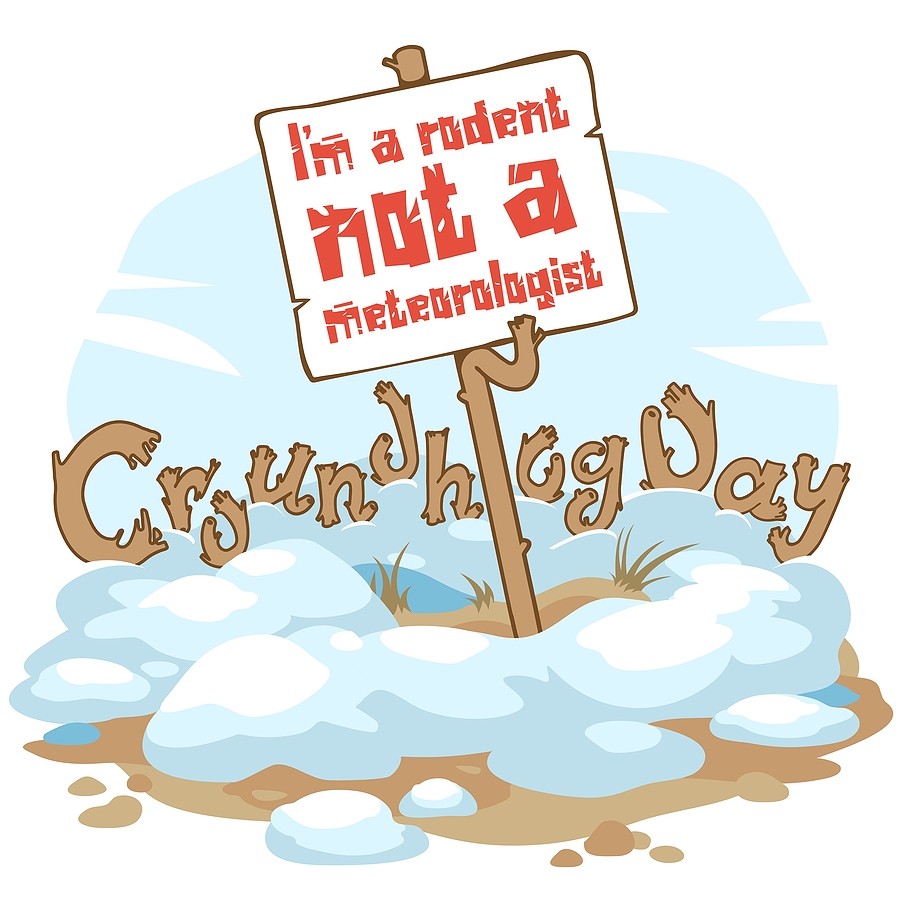
What is Groundhog Day?
Celebrated annually on February 2, Groundhog Day is a tradition rooted in astronomy and folklore. It marks the halfway point between the winter solstice and the spring equinox.
In 2026, this observance falls on a Monday. The legend suggests that if the groundhog emerges from its burrow and sees its shadow due to clear weather, it will retreat underground, predicting six more weeks of winter. If the day is cloudy and no shadow appears, spring will arrive early.
While it is a fun cultural event, studies suggest the groundhog’s accuracy hovers around 50%—essentially the same odds as flipping a coin.
Fun Facts About Woodchucks
Before dismissing them simply as pests, it is worth acknowledging that the groundhog (or woodchuck) is a biological marvel.
They are giant squirrels
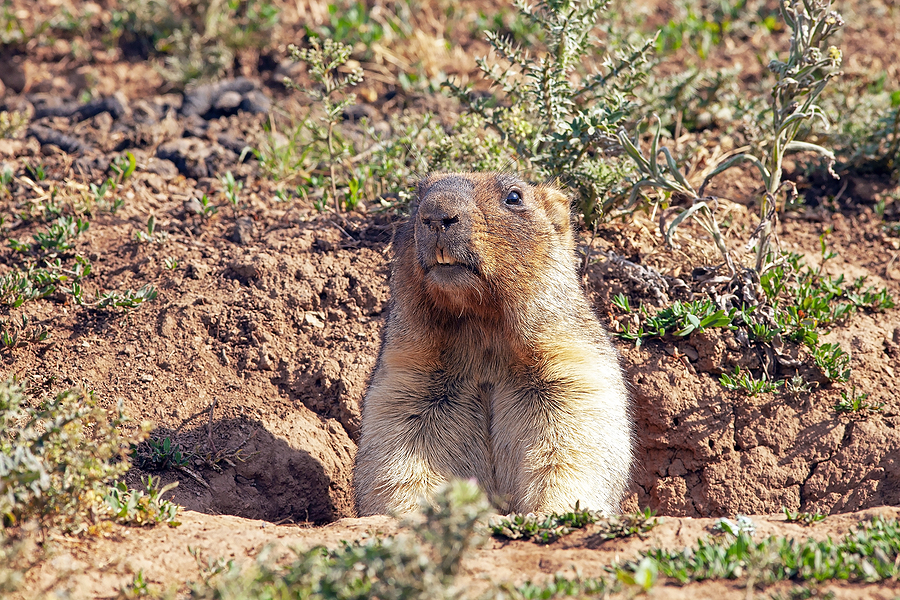
The groundhog (Marmota monax) is the largest member of the squirrel family. Unlike their tree-climbing cousins, they are adapted for life on—and under—the ground.
They are “True Hibernators”
Many animals sleep during the winter, but groundhogs enter a state of true hibernation. During this deep sleep, their body temperature drops dramatically, and their heart rate slows from roughly 80 beats per minute to as few as five. This allows them to survive on stored body fat until spring emerges.
They are sanitary architects
A groundhog burrow is not just a hole; it is a mansion. These tunnels can extend up to 66 feet and feature multiple levels. Impressively, they designate specific chambers for different purposes, including a nursery for pups and a separate “bathroom” chamber to maintain hygiene within the den.
They have a vocal nickname
Groundhogs are often called “whistlepigs.” This nickname comes from the high-pitched whistle they emit to warn others of approaching danger.
Why Control Groundhogs Humanely?
While their biology is impressive, their excavation skills can be destructive. A single woodchuck can move nearly 700 pounds of dirt to create a burrow. This digging can undermine building foundations, destroy root systems in gardens, and create tripping hazards for livestock and humans.
However, addressing the issue requires a humane and legal approach. In Virginia, wildlife laws are strict regarding the handling of nuisance animals. Specifically, it is illegal to trap and relocate an animal to another area. This regulation is in place to prevent the spread of disease and to ensure animals are not dumped into territories where they cannot survive.
Because relocation is not an option for homeowners, the focus must shift to exclusion (keeping them out) or professional wildlife removal on-site.
Tips for Humane Groundhog Control
If a woodchuck has taken up residence under your shed or is eyeing your vegetable garden, exclusion is your most effective tool.
Install a “Floppy” Fence
Groundhogs are surprisingly good climbers. A standard rigid fence often acts as a ladder. Instead, use chicken wire or welded wire mesh. The top 12 inches of the fence should not be secured to a post; leave it flimsy and bent outward. When the animal tries to climb over, the wire will bend under its weight, dropping the animal back to the ground.
The “L-Footer” Technique
Since they cannot climb the fence, they will try to dig under it. To stop this, you must bury the bottom of your fence.
- Dig a trench 12 inches deep along your fence line.
- Bend the bottom of your wire mesh into an “L” shape, extending it 12 inches outward (away from the garden).
- Bury this mesh. When the woodchuck digs down, they will hit the wire mesh floor and give up.
Modify Their Habitat
Make your yard less inviting. Woodchucks prefer cover to hide from predators.
- Remove piles of brush or debris.
- Trim tall grass and weeds around building foundations.
- Harvest garden vegetables as soon as they are ripe to remove food sources.
Use Harmless Harassment
If a groundhog is investigating a new burrow, you can try to discourage them before they settle in. Pinwheels placed near the entrance create visual disturbances and vibrations. Motion-activated sprinklers can also startle them enough to make the area unappealing. Additionally, introducing scents that woodchucks dislike, such as predator urine or ammonia-soaked rags, near their burrow entrance can act as a deterrent. It’s important to reapply these deterrents regularly to maintain their effectiveness.
Need Professional Groundhog Removal in Richmond, VA?
If you’re dealing with a persistent groundhog problem, it can be stressful and overwhelming to manage on your own. While DIY methods may work in some cases, there are times when professional assistance is the most effective solution. At Virginia Wildlife Pros, we specialize in safe, humane, and effective woodchuck removal services for residents in Richmond, VA, and the surrounding areas.
Our trained and experienced team uses proven techniques to protect your property while ensuring the well-being of the wildlife we handle. By identifying the root of the issue and implementing tailored solutions, we help prevent groundhogs from returning. Don’t let groundhogs take control of your yard—Contact Us Today for a consultation or to schedule your service. Together, we can restore peace to your outdoor space.
FAQ Section
Why should I address a groundhog problem promptly?
Woodchuck activity can lead to significant property damage. They can burrow under structures, weaken foundations, and destroy gardens or crops. Acting quickly helps mitigate long-term damage and ensures your yard stays safe and functional.
Are your methods humane?
Yes, our team is committed to using humane and effective techniques to remove groundhogs while taking their well-being into account. We follow industry best practices and prioritize ethical wildlife management.
How can I prevent woodchucks from returning after removal?
Prevention involves a combination of physical barriers, managing attractants like food sources, and maintaining a well-kept yard. Our team will provide detailed recommendations to minimize the chances of groundhogs returning to your property.
Do I need professional help, or can I handle groundhog removal myself?
While DIY methods might seem appealing, professional help ensures the problem is resolved safely and effectively. Our trained team identifies the root cause and implements targeted solutions, saving you time, effort, and potential risks.
Quick Recap
- Groundhogs can cause structural damage and destroy gardens if left unchecked.
- Our services focus on humane removal techniques and long-term prevention.
- Addressing groundhog issues early prevents extensive property damage.
- Professional groundhog removal ensures effective resolution and peace of mind.
Conclusion
Groundhog problems don’t have to disrupt your life or damage your property. With our compassionate yet highly effective removal services, you can reclaim control of your yard and protect your home. Don’t wait for the problem to worsen; take proactive steps now.
Call Us Now to Schedule Your Consultation—together, we’ll create a safer, more enjoyable outdoor space!
Related Post: Groundhog Removal and Control in Virginia: A Complete Guide for Homeowners