Midlothian, Virginia is a beautiful place to live. The mature trees, wooded lots, and proximity to the James River make it an attractive community—for people and wildlife alike. Raccoons raid trash cans. Squirrels chew through attic insulation. Snakes find their way into garages and crawl spaces. These aren’t rare occurrences here; they’re part of life in a suburban community that borders rich natural habitat.
The problem is that a wildlife encounter on your property can quickly become a wildlife infestation—and that’s where real damage begins. Chewed electrical wires, contaminated insulation, structural entry points left unrepaired: the costs add up fast. This guide covers the warning signs, the most common culprits in Midlothian, what you can do to prevent problems, and when it’s time to call in a professional.
Signs You Have a Wildlife Problem
Wildlife rarely announces itself. By the time most homeowners realize something is living in their attic or crawl space, the animal has already been there for weeks. Catching the problem early makes removal faster, cheaper, and less complicated.
Visual Indicators
Look for droppings along baseboards, in attic corners, or near entry points. Smudge marks or grease streaks along walls and foundation gaps often indicate repeated animal movement through a specific path. You may also notice nesting materials—shredded insulation, leaves, or debris—tucked into corners or inside wall voids.
Sounds to Listen For
Scratching, scurrying, or thumping in the attic or walls—especially at night—is one of the most reliable signs of an unwelcome tenant. Raccoons tend to sound heavy and deliberate. Squirrels move quickly and erratically. Clicking or rustling in the walls can point to rodents. If you’re hearing any of these noises regularly, don’t wait to investigate.
Property Damage
Chewed wood, gnawed wiring, ripped insulation, damaged soffit panels, and torn vent screens are all common signs of wildlife activity. Outside, look for holes dug in your lawn (often skunks or groundhogs searching for grubs), overturned trash cans, and scratches or claw marks around the roofline.
Common Wildlife in Midlothian, Virginia
Raccoons
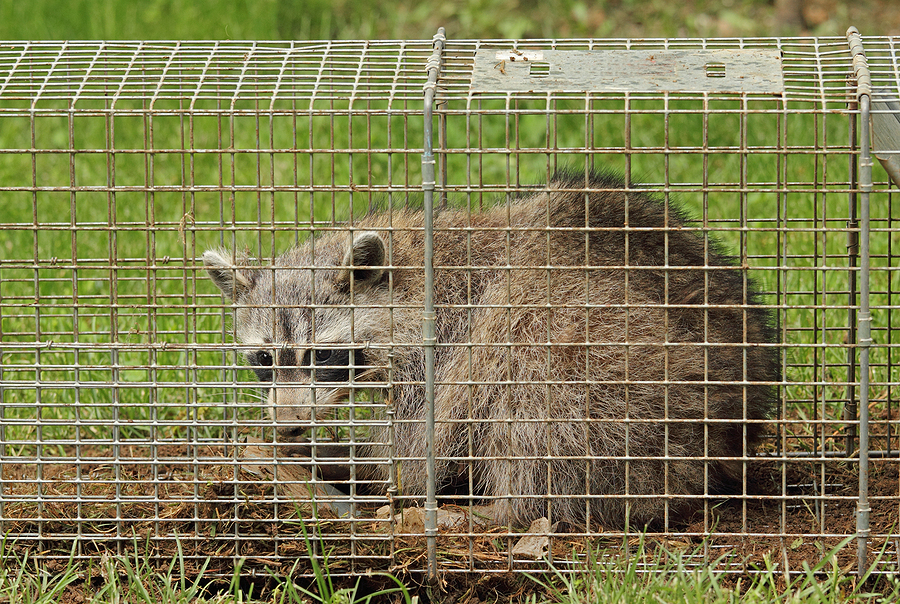
Raccoons are one of the most frequent nuisance animals for homeowners in the Richmond and Midlothian area. They’re intelligent, resourceful, and strong enough to rip off roof vent covers or tear open a soffit panel to gain entry. Once inside an attic, they shred insulation, soil the space with feces and urine, and can cause significant structural damage. They’re also a primary vector species for rabies in Virginia.
Raccoons are often attracted to properties by unsecured trash cans, pet food left outside, fruit trees, and barbecue grills. Removing these attractants is the first step toward keeping them away.
Squirrels
Gray squirrels, fox squirrels, and flying squirrels are all found in the Midlothian area. Squirrels are active during daylight hours and tend to enter attics through small gaps around the roofline, soffits, or fascia boards. Once inside, they gnaw on wood beams, chew through electrical wiring, and build nests from insulation. Because squirrels’ teeth grow continuously, they chew constantly—making them especially destructive over time.
Opossums and Other Common Species
Opossums commonly den under porches, decks, and sheds, or make their way into crawl spaces. They’re messy and can contaminate the areas they inhabit with feces, urine, and nesting debris. Skunks cause similar problems and can also spray when threatened—a problem that’s difficult and time-consuming to resolve. Groundhogs burrow under foundations and retaining walls, which can cause structural issues over time.
Snakes
Most snakes found around Midlothian homes are harmless. The Eastern Rat Snake, Eastern Garter Snake, and Dekay’s Brownsnake are all common in suburban yards and are actually beneficial—they help control rodent and insect populations. However, Virginia does have three venomous species: the Eastern Copperhead, Timber Rattlesnake, and Northern Cottonmouth. The Copperhead is the most likely of the three to turn up near homes in this area.
If snakes are regularly appearing on your property, it often signals an underlying rodent problem. Snakes follow their food source—address the rodents, and snakes tend to move on.
DIY Prevention Tips for Midlothian Homeowners
Prevention is always more effective than removal after the fact. These steps can significantly reduce the likelihood of wildlife making itself at home on your property.
- Secure your trash. Use bins with locking lids and store them in a garage or shed overnight when possible. Raccoons and opossums are persistent—a standard lid won’t stop them.
- Remove outdoor food sources. Bring pet food inside at night. Clean up fallen fruit from trees. Store bird seed in sealed containers and consider temporarily removing feeders if you’re dealing with active wildlife pressure.
- Seal entry points. Inspect your roofline, soffits, foundation, and vent covers for gaps or damage. Even a two-inch opening is enough for a squirrel or opossum to squeeze through. Use hardware cloth, metal flashing, or sealed foam for repairs.
- Trim trees and vegetation. Tree branches that overhang your roofline act as a direct access ramp for squirrels and raccoons. Keep branches trimmed back at least six to eight feet from your home.
- Maintain your yard. Clear debris piles, woodpiles stacked against the house, and dense ground cover near your foundation. These provide ideal shelter for a range of nuisance animals.
When to Call a Professional Wildlife Removal Service
DIY prevention has its place, but once an animal has established itself inside your home, professional removal is almost always the safer and more effective option.
Health and Safety Risks
Wildlife in your home isn’t just an inconvenience—it’s a health hazard. Raccoon droppings can contain Baylisascaris procyonis, a parasitic roundworm dangerous to humans and pets. Rodent feces and urine spread pathogens including hantavirus and leptospirosis. Bats can transmit rabies through a bite or scratch that may go unnoticed. These aren’t risks worth taking on without proper training and equipment.
Legal Considerations in Virginia
Virginia law restricts homeowners from trapping and relocating wildlife off their property. According to the Virginia Department of Wildlife Resources (DWR) and the Wildlife Center of Virginia, relocated animals typically don’t survive in unfamiliar territory, and moving them can spread diseases like rabies, distemper, and parvovirus. Licensed trappers with a Commercial Nuisance Animal Permit are required for legal removal of many species—and even they cannot relocate animals to a new location under Virginia law.
Attempting to remove wildlife yourself, particularly species like bats (which are protected under Virginia law during maternity season from May through August), can result in legal liability on top of an unresolved pest problem.
Benefits of Professional Expertise
Licensed wildlife removal professionals know how to identify the species involved, locate all entry points, remove the animal humanely, and prevent re-entry. They also handle infestation cleanup and sanitation—an important step that most homeowners overlook and one that can prevent new animals from being attracted to the same site.
What to Expect from Professional Wildlife Removal
Initial Inspection and Assessment
A professional Midlothian wildlife control company will inspect both the interior and exterior of your home, looking for evidence of animal activity: droppings, nesting material, chew marks, rub marks, and all possible entry points. This assessment determines the species, the extent of the infestation, and the best approach for removal.
Removal Techniques
Depending on the species and situation, removal may involve live traps, one-way exclusion doors, or direct capture. One-way doors allow animals to exit a structure but prevent re-entry—an effective and humane method for many species. Traps are monitored and checked regularly in compliance with Virginia law.
Prevention and Exclusion
Animal removal alone doesn’t solve the problem. After the animal is gone, a reputable service will seal and reinforce all entry points to prevent recurrence. This exclusion work is often what separates a lasting solution from a temporary fix.
Cleanup and Sanitation
Contaminated insulation, soiled nesting material, and droppings require proper cleanup and disposal. Some companies also apply deodorizing treatments to neutralize scent markers that can attract new animals to the same location.
Frequently Asked Questions
How much does professional wildlife removal cost in Virginia?
Pricing varies depending on the species, the location of the animal (attic, crawl space, wall void), and the extent of the infestation. Most companies offer a free phone estimate or a paid on-site inspection. Costs typically increase when exclusion repairs and cleanup services are included—but these are often necessary for a complete resolution.
Is professional wildlife removal humane?
Reputable companies use humane methods including live traps, one-way exclusion devices, and direct capture. Virginia law also prohibits certain removal methods during breeding and maternity seasons to protect dependent young. Always ask a potential service provider about their methods before hiring.
What is the best time of year to address wildlife problems?
Wildlife activity peaks in spring and fall, particularly for squirrels and raccoons during breeding season. However, animals like raccoons, opossums, and rodents are active year-round. Addressing a problem as soon as signs appear—regardless of season—minimizes property damage and health risks.
Can I remove wildlife from my home myself?
For minor prevention measures, yes. But once an animal is inside your home, professional removal is strongly recommended. Virginia law restricts the trapping and relocation of many species, and improper handling exposes you to health risks and potential legal liability.
Protect Your Home Before the Problem Gets Worse
Wildlife problems rarely resolve on their own. An animal that finds a warm, dry space to shelter in your attic or crawl space has little reason to leave—and plenty of time to cause damage while it’s there.
If you’re seeing signs of wildlife activity around your Midlothian home, don’t wait. Virginia Wildlife Pros serves Midlothian and the surrounding area with licensed, professional wildlife removal and exclusion services. Request your free estimate from Virginia Wildlife Pros today.
Related Posts:
The Importance of Professional Wildlife Removal and Control Service
Preventing Animal Infestations: What You Need to Know
How to Choose the Right Animal Removal Company in Virginia