
Walking out to your garden and discovering a newly excavated hole can be a frustrating experience. You pour time, money, and energy into maintaining your property, and an unseen visitor can disrupt it overnight. While a few dug-up roots might seem like a minor nuisance, these hidden holes can sometimes lead to extensive property damage or bring unwanted wildlife a little too close for comfort.
The hidden world beneath our feet is bustling with activity. Many animals rely on underground systems for shelter, raising their young, and storing food. Recognizing what type of creature has moved in is the first step toward reclaiming your yard. Different species require entirely different approaches when it comes to management and exclusion.
Identifying these burrows is crucial for maintaining a healthy, safe property. A small hole might belong to a harmless field mouse, while a larger excavation could indicate a skunk or groundhog that might require professional intervention. By learning to read the clues left behind, you can take the right steps to manage these wild neighbors safely and humanely.
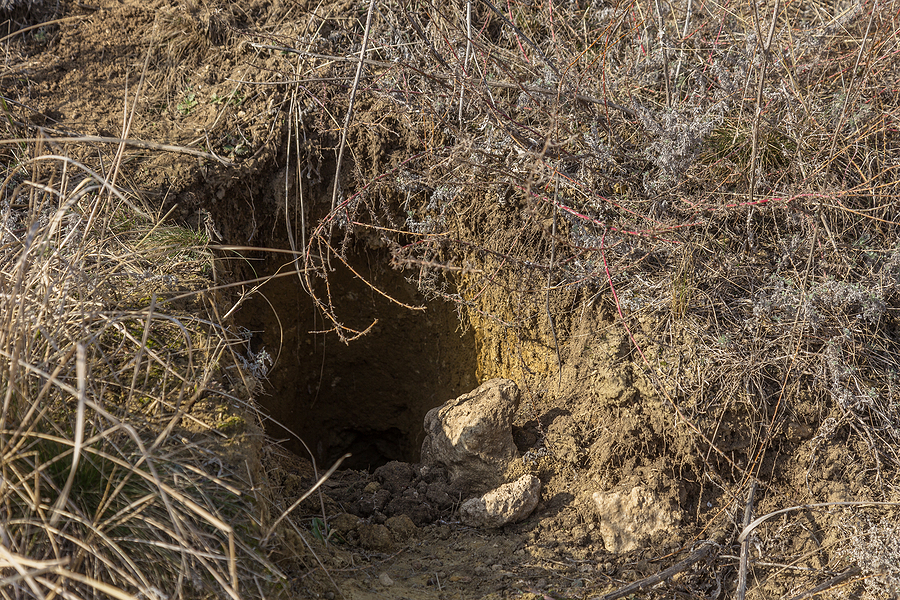
Common Burrow Types and Their Inhabitants
Not all holes in the ground are created equal. The size of the entrance and the surrounding soil can tell you a lot about the animal residing inside.
Small Mammal Burrows
Tiny holes, usually about an inch in diameter, belong to smaller mammals like voles, mice, and shrews. Voles are notorious for leaving narrow, recessed pathways or “runways” in the grass leading to their burrow entrances. Mice and shrews often create small, hidden holes near tree roots, rock walls, or under thick brush.
Medium-Sized Mammal Burrows
If the hole is roughly the size of a grapefruit or larger, you are likely dealing with a medium-sized mammal. Groundhogs, skunks, and rabbits fall into this category. Groundhogs create massive dirt mounds near their 8-to-12-inch entrances. Skunks, on the other hand, tend to leave shallow, cone-shaped holes without a dirt mound as they dig for grubs.
Larger Mammal Burrows
Large burrows with entrances exceeding a foot in diameter are typically home to predators like foxes, coyotes, or badgers. These animals often repurpose the abandoned homes of other creatures, enlarging them to fit their needs. These burrows are generally found in more secluded areas, such as the edge of a wooded lot or deep within thick brush.
Key Features for Burrow Identification
To figure out exactly who has moved onto your property, you need to look at more than just the hole itself.
Entrance Size and Shape
Measure the opening. A one-inch hole points to a vole or mouse. A three-to-four-inch cone-shaped depression suggests a skunk. An entrance measuring eight inches or more is a strong indicator of a groundhog or a larger predator. Badgers, for instance, dig burrows that are wider than they are tall, often leaving horizontal claw marks on the sides.
Presence of Tracks or Droppings
Look closely at the soft dirt around the opening. Finding paw prints can instantly narrow down your search. Additionally, many animals leave droppings near their homes. Fox and coyote dens will frequently have prey remains, like bones or feathers, scattered near the entrance.
Surrounding Vegetation and Soil Disturbances
Groundhogs are meticulous excavators, leaving large, noticeable mounds of displaced dirt and rocks. Skunks simply disturb the sod, peeling it back to find insects. Voles will leave gnaw marks on the bark of nearby shrubs and trees.
Time of Day for Activity
Setting up a trail camera is a highly effective way to identify your visitor. Groundhogs are strictly diurnal, meaning you will see them during the day. Skunks, foxes, and coyotes are primarily nocturnal or crepuscular (active at dawn and dusk).
Specific Animal Burrow Characteristics
Certain animals leave unmistakable calling cards. Here are the most common burrowers and their unique traits.
Groundhog Burrows: The Classic Excavator
Groundhogs create extensive, elaborate tunnel structures. Their main entrances are typically 8 to 12 inches wide and flanked by a massive pile of excavated dirt. They often dig near food sources, such as vegetable gardens, or under the structural support of sheds and barns.
Skunk Burrows: Often Under Structures
Skunks prefer to burrow under existing structures rather than digging a completely new tunnel in an open field. You will often find their 3-to-4-inch holes leading under concrete porches, sheds, or woodpiles. You may also notice a distinct musky odor lingering in the air.
Rabbit Burrows: Shallow and Hidden
Cottontail rabbits do not dig deep, elaborate tunnels. Instead, they create shallow depressions in the grass or mulch, typically only a few inches deep. Female rabbits will line these shallow nests with dead grass and their own fur to keep their babies warm, making them very difficult to spot until you are right on top of them.
Fox and Coyote Dens: Extensive Systems
Foxes and coyotes often take over old groundhog holes and expand them. These dens are usually located on slopes or well-drained soil. A key identifier for these predators is the mess left outside; you will almost always find animal bones, feathers, and flattened grass where the pups play near the entrance.
What to Do When You Discover a Burrow
Finding a burrow in your yard can be alarming, but acting hastily can cause more harm than good.
Observation Over Disturbance
Before taking any action, observe the area. Make sure the burrow is actually active. Disturbing a den that houses helpless babies is inhumane and can cause frantic, unpredictable behavior from the mother. Watch from a distance or use a trail camera to see what comes and goes.
Preventing Unwanted Burrowing
The best way to handle burrowing animals is to make your property less inviting. Seal all cracks and gaps around your home’s foundation, porches, and decks using heavy-duty wire mesh. Keep trash securely stored, remove fallen fruit from trees, and avoid leaving pet food outside.
When to Seek Professional Help
If an animal has burrowed directly under your home’s foundation, is destroying your property, or poses a threat to your pets, it is time to call a professional animal removal service. Many wildlife species carry diseases like rabies, and attempting to trap or remove them yourself can be illegal and highly dangerous.
Frequently Asked Questions (FAQ)
How can I tell if a burrow is active?
A simple way to check for activity is to place a thin layer of fresh dirt or a few lightly crumpled leaves just inside the entrance. Check back 24 hours later. If the debris has been pushed aside, the burrow is actively being used.
Are all burrows a problem?
Not necessarily. Small animals like shrews actually benefit your garden by eating harmful insects. Unless the burrow is threatening the structural integrity of your home, destroying your crops, or housing a dangerous predator, you can often peacefully coexist.
What are humane ways to deter burrowing animals?
You can use motion-activated sprinklers or ultrasonic noise emitters to make your yard uncomfortable for wildlife. For skunks and groundhogs, placing strong-smelling natural deterrents, like cayenne pepper or castor oil, near the burrow entrance can encourage them to relocate safely.
Protecting Your Property the Right Way
A burrowing animal is simply looking for a safe place to live and eat. While their digging can be incredibly frustrating, identifying the specific creature allows you to respond effectively and humanely. By paying attention to the size of the hole, the disturbed soil, and the surrounding clues, you can figure out exactly who your new neighbor is.
If groundhogs are compromising your shed, or skunks have taken up residence under your porch, we can help. Our team provides safe, humane, and effective wildlife control services tailored to the Richmond, Virginia area. Don’t let an animal burrow turn into a costly property issue. Contact us today to safely relocate your wild neighbors and secure your property for good.
Related Post: Nocturnal Animals in Virginia: What’s Out at Night