
Having a barn or shed on your property offers fantastic utility for storing equipment, housing livestock, and keeping supplies organized. Unfortunately, these quiet, protected structures also offer an ideal sanctuary for uninvited pests. When temperatures drop across Richmond, Virginia, local rodent populations begin searching for warm places to survive the winter.
A few mice or rats might seem like a minor nuisance initially, but an unchecked infestation can lead to serious consequences. Rodents are notorious for chewing through electrical wiring, destroying insulation, and contaminating expensive animal feed. Furthermore, they carry bacteria and viruses that pose significant health risks to both your family and your livestock.
Understanding how rodents operate is crucial for maintaining a safe and healthy environment. This comprehensive guide will help you identify early signs of a rodent problem, safely implement control methods, and structurally proof your outbuildings to keep these destructive pests away for good.
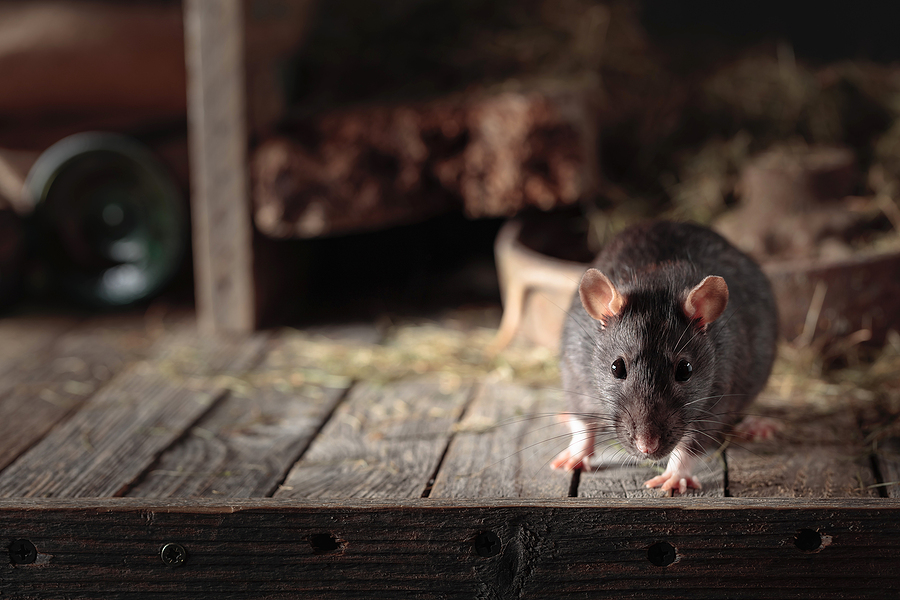
Why Barns and Sheds are Rodent Magnets
To effectively control an infestation, you first need to understand why mice and rats are drawn to your outbuildings. Norway rats, roof rats, and house mice are common throughout Central Virginia, and agricultural structures provide exactly what they need to thrive.
Abundant Food Sources
Rodents are opportunistic feeders. Barns often hold bulk livestock feed, bags of seed, and hay. Sheds might store grass seed, pet food, or even nearby compost piles. When these food sources are easily accessible, mice and rats will quickly establish a permanent residence nearby.
Perfect Nesting Environments
Outbuildings are generally less frequented by humans than main residential homes, giving rodents the peace and quiet they need to reproduce. Wall voids, stacks of firewood, stored tractors, and lofted hay bales provide excellent cover. Insulation inside shed walls is easily torn apart by mice to build warm, secure nests for their young.
Get rid of rodents in Richmond today, starting with a free quote.
Identifying the Signs of an Infestation
Catching a rodent problem early can save you thousands of dollars in property damage. Since rats and mice are primarily nocturnal, you are more likely to see the evidence they leave behind than the animals themselves.
Look out for dark, pellet-shaped droppings along baseboards, near feed bins, or inside stored machinery. House mouse droppings are small and pointed, while Norway rat droppings are larger and blunt at the ends. You should also inspect wooden beams, plastic containers, and wiring for fresh gnaw marks. Rodents have teeth that never stop growing, forcing them to chew constantly. Finally, check dusty floors or dirt paths for tiny footprints and tail drag marks, which often indicate high-traffic travel routes.
Structural Proofing and Prevention
The most effective way to manage rodents is to prevent them from entering your buildings in the first place. House mice can squeeze through gaps as small as a dime, and rats can fit through holes the size of a quarter.
Start by inspecting the perimeter of your barn or shed. Seal any cracks in the foundation, gaps around pipe penetrations, and poorly fitting doors. Use materials that rodents cannot chew through, such as heavy-duty steel wool, hardware cloth, or metal flashing. Expanding foam alone is not enough, as rats will easily gnaw right through it.
Managing the exterior environment is equally important. Keep weeds trimmed low around the perimeter of your outbuildings, and move firewood or lumber piles at least 20 feet away from the structure. Inside, transfer all bagged feed, seed, and pet food into heavy-duty, chew-proof metal or thick plastic bins with tight-fitting lids.
Safe and Effective Control Methods
When an infestation is already active, you must choose a removal method that eliminates the pests without endangering your animals or family. Agricultural settings require careful consideration when placing traps or baits.
Trapping vs. Baiting
Snap traps remain one of the most reliable and safe methods for controlling small populations of rodents, especially in areas where livestock, poultry, or domestic pets are present. Placing traps inside enclosed bait stations or protective boxes ensures that only target pests can reach the trigger. Place traps along walls and near known entry points, using peanut butter or dried fruit to attract them.
Rodenticide baits can be highly effective for larger infestations, but they carry significant risks in barns and sheds. If a farm dog, barn cat, or grazing animal ingests the poison—or eats a rodent that has consumed the poison—the results can be fatal. If you must use baits, they should exclusively be placed in tamper-resistant, commercial-grade stations, secured away from any livestock areas.
Common Mistakes in DIY Rodent Control
Many property owners attempt to tackle rodent problems on their own, only to see the infestation return weeks later. Avoiding a few common missteps can drastically improve your long-term success.
Relying solely on traps without sealing entry points is a recipe for frustration. You might remove a few mice, but new ones will simply take their place. Another frequent mistake is underestimating the size of the population. A female mouse can produce up to ten litters a year. Setting just two or three traps is rarely enough to gain control. Finally, many people fail to maintain clean environments, leaving spilled grain on the floor that competes with the bait in their traps.
Frequently Asked Questions
What health risks do rodents pose in barns?
Rodents are known carriers of numerous diseases, including Leptospirosis, Hantavirus, and Salmonellosis. They spread these illnesses through their urine, feces, and saliva, which can easily contaminate livestock feed and human work surfaces.
How can I keep barn cats safe while controlling rats?
If you rely on working cats, avoid using chemical rodenticides, as cats can suffer from secondary poisoning if they eat a poisoned rat. Stick to mechanical snap traps placed inside protective boxes where your cats cannot reach them, and ensure entry points are sealed.
What is the best natural deterrent for mice in a shed?
While some people find temporary success with strong scents like peppermint oil or cayenne pepper, these are not long-term solutions. The most effective “natural” deterrent is habitat modification: removing food access, clearing clutter, and sealing structural gaps.
Maintaining a Rodent-Free Property in Richmond
A secure barn or shed requires ongoing vigilance. By regularly inspecting your structures, properly storing livestock feed, and promptly addressing any new signs of activity, you can protect your valuable property from damage. Keeping the perimeter clean and well-maintained makes your outbuildings far less appealing to local wildlife looking for a winter retreat.
If you are dealing with a severe infestation or simply want the peace of mind that comes with expert intervention, professional help is available. Our team understands the unique challenges of agricultural and storage properties in Central Virginia. Contact us today for professional rodent removal services in Richmond, Virginia, and let us help you secure your buildings for the seasons ahead.
Related Post: The Ultimate Guide to Rodent Control for Virginia Homeowners