There is something deeply unsettling about hearing a bump in the night that isn’t the house settling or the wind rattling a window pane. For many homeowners in Virginia, that scratching sound above the bedroom ceiling is the first clue that the boundary between nature and their living space has been breached. While we often admire the diverse wildlife that calls the Commonwealth home—from the clever raccoon to the agile flying squirrel—admiration quickly turns to anxiety when these creatures decide to move in with us.
Wildlife intrusion is more than just a nuisance; it is a significant threat to the safety and sanitation of your home. Animals seeking shelter, particularly during the colder months or breeding seasons, can exploit the tiniest gaps in your home’s exterior. Once inside, they don’t just sleep; they nest, breed, and destroy.
Understanding the subtle and not-so-subtle indicators of an infestation is the first step toward reclaiming your territory. By recognizing these signs early, you can implement effective wildlife proofing and repair strategies before a minor intrusion becomes a costly catastrophe.
Signs of Nuisance Animal Intrusion
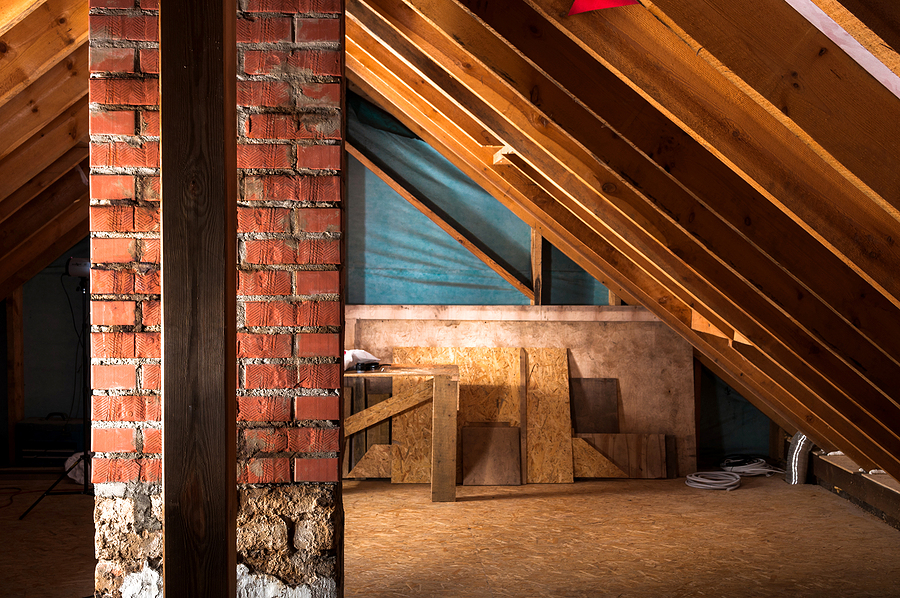
Animals are naturally stealthy, often living in our attics or crawlspaces for weeks before being detected. However, they almost always leave evidence of their presence.
Strange Noises at Odd Hours
The timing and type of noise can often identify the intruder. Virginia’s flying squirrels, for instance, are nocturnal. If you hear scurrying or rolling sounds (like an acorn rolling across the drywall) late at night, you likely have rodents. Heavier thumping or “walking” sounds often indicate a larger mammal, such as a raccoon or opossum. Conversely, gray squirrels are active during the day, so scratching noises in the morning might point to them.
Unpleasant Odors and Droppings
One of the most dangerous signs of intrusion is the accumulation of waste. Bat guano and urine can create a strong, ammonia-like odor that permeates through ceilings. Identifying droppings is crucial but hazardous; for example, mouse droppings are small and pellet-like, while bat guano looks similar but crumbles into a dusty powder. This powder is dangerous to inhale, so inspection should always be done with caution.
Physical Damage to Your Home’s Exterior
Walk around the perimeter of your house and look up. Are your soffits loose or hanging? Do you see torn screens on attic vents? Raccoons have the dexterity to rip open vents, while squirrels can chew through wood, plastic, and even aluminum siding to widen an entry point. Check your chimney as well—uncapped chimneys are an open invitation for birds and raccoons to nest.
Risks of Ignoring Wildlife Problems
It can be tempting to ignore a faint scratching sound, hoping the animal will leave on its own. Unfortunately, wildlife rarely evict themselves, and the consequences of inaction are severe.
Serious Health Hazards
Wildlife carries diseases that can transmit to humans and pets. According to the Virginia Department of Health, raccoons, skunks, and foxes are primary carriers of rabies in Virginia. While human cases are rare, the risk remains if you or a pet come into contact with a sick animal.
Furthermore, droppings pose a silent threat. The Centers for Disease Control and Prevention (CDC) warns that bat and bird droppings can harbor Histoplasma, a fungus that causes histoplasmosis, a respiratory disease. Disturbing dry guano releases fungal spores into the air, which can be inhaled by anyone in the home.
Costly Property Damage
Rodents, including squirrels and mice, have teeth that never stop growing. To keep them filed down, they gnaw on hard surfaces—including electrical wiring. This creates a significant fire hazard behind your walls. Additionally, animals trample and soil fiberglass insulation, rendering it useless and requiring expensive replacement to maintain your home’s energy efficiency.
Wildlife Proofing Methods
Prevention is always less expensive than repair. Wildlife proofing, often called “exclusion,” involves making your home impenetrable to pests.
- Seal Entry Points: Inspect your foundation, siding, and roofline. Seal cracks and holes with durable materials like steel wool or heavy-gauge hardware cloth, which animals cannot chew through.
- Install Chimney Caps: A stainless steel chimney cap allows smoke to escape while preventing animals from nesting in the flue.
- Secure Vents: Replace standard insect screens on attic vents with sturdy animal-proof covers that are screwed into the frame.
- Limit Food Sources: Secure trash cans with tight-fitting lids and avoid leaving pet food outdoors. If you have bird feeders, keep the ground below them clean, as overflowing seeds attract rodents.
- A Critical Warning on Sealing: Before sealing any holes, you must be 100% certain no animals are inside. Sealing a mother raccoon or a colony of bats inside your attic is cruel and creates a secondary problem when they perish inside your walls.
Schedule an Animal Proofing & Repair Estimate Today 📅
When to Seek Professional Help
While DIY proofing is effective for prevention, active infestations often require professional intervention. In Virginia, specific laws protect certain wildlife. For example, the Virginia Department of Wildlife Resources (DWR) notes that it is illegal to poison nuisance wildlife. Furthermore, bats are protected during their maternity season (typically spring through summer). Excluding bats during this time can trap flightless pups inside, which is both illegal and inhumane.
You should seek professional help if:
- You suspect the presence of a mother and babies.
- The animal is potentially dangerous or acting aggressively.
- The entry points are high up on a steep roof or in hard-to-reach crawlspaces.
- You are dealing with protected species like bats.
Benefits of Professional Animal Damage Repair
Hiring an expert offers peace of mind that the job is done safely and legally. Professionals understand animal biology and behavior. They know, for instance, that Virginia law generally requires trapped nuisance wildlife to be euthanized rather than relocated, to prevent the spread of disease.
Professionals also use specialized equipment, such as one-way doors that allow animals to exit your home but prevent them from re-entering. Once the animals are gone, experts can perform the dirty, dangerous work of cleaning up hazardous waste using industrial-grade respirators and disinfectants, followed by repairing insulation and drywall to restore your home to its original condition.
Final Thoughts
Your home should be a sanctuary for your family, not a winter retreat for the neighborhood wildlife. If you hear suspicious noises or notice damage around your roofline, don’t wait for the problem to escalate. Addressing the issue immediately protects your property value and your family’s health.
For homeowners in the Richmond, Virginia area, professional help is just a call away. Don’t tackle dangerous wildlife alone—reach out to our licensed animal damage repair specialists today to reclaim your attic and sleep soundly once again.
Related Post: Virginia Wildlife Under Your Porch? Your Next Steps