A scratching sound overhead at 2 a.m. isn’t your imagination. If you’re hearing movement in your ceiling, chances are a raccoon has decided your attic makes a perfect home. In Virginia, this is a common problem, especially during warmer months when mother raccoons search for safe places to raise their young.
Catching the signs early can save you thousands in repair costs and protect your family from health risks. Here’s what to look for, why it matters, and what steps to take next.
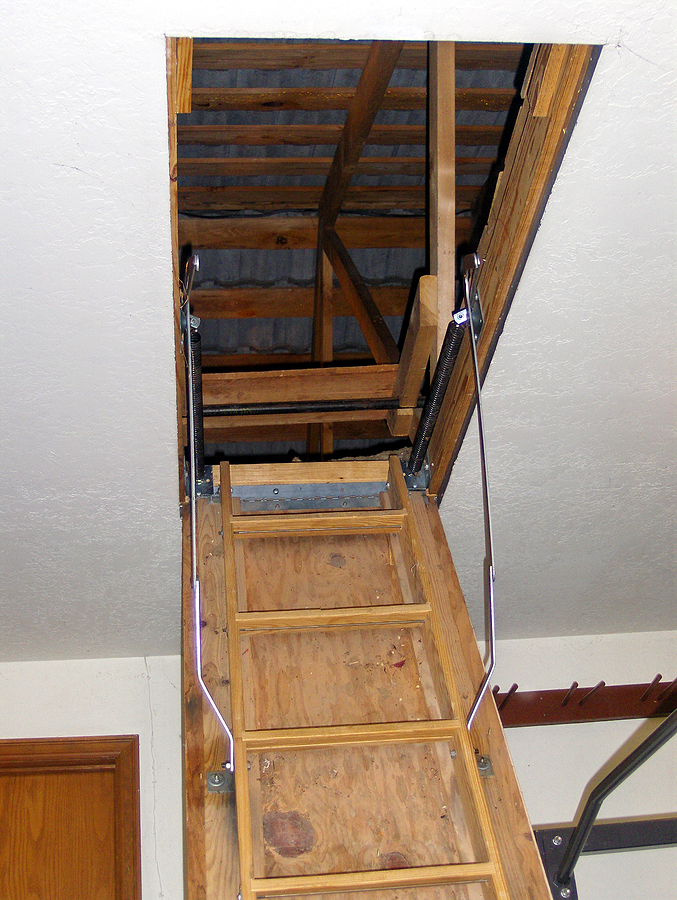
Signs of Raccoons in Your Attic
Noises at Night
Raccoons are nocturnal, so most activity happens after dark. Listen for scratching, thumping, or scurrying sounds coming from your ceiling or walls, especially in the evening and early morning hours.
Odors and Droppings
A persistent, musky smell often signals a den site. Raccoons also leave droppings in consistent spots, called latrines, which can create a strong odor and health hazard over time.
Damage to Roof Vents and Soffits
Check your roofline for torn vents, bent flashing, or gaps around soffits. Raccoons are surprisingly strong and can tear open weak spots to create entry points as small as 2.5 by 4 inches.
Disturbed Insulation
If you’ve noticed flattened or shredded insulation, along with leaves, grass, or fabric scraps, you may be looking at nesting material. This is a strong indicator that a raccoon has settled in for the long haul.
Health and Property Risks
Disease Transmission
Raccoons are considered a high-risk rabies species in Virginia. According to the Wildlife Center of Virginia, symptoms like lethargy, loss of balance, or unusual fearlessness around people can indicate infection, though some raccoons carry rabies without showing signs.
Raccoon droppings can also carry roundworm eggs, which are resistant to bleach and standard disinfectants. Exposure can cause serious illness in humans, so any animal damage cleanup should involve gloves and a dust mask, or be left to professionals entirely.
Structural Damage
Nesting raccoons chew through wood, insulation, and drywall. Left unchecked, this damage compounds quickly and becomes expensive to repair.
Fire Hazards
Chewed wiring is a genuine fire risk. Damaged electrical lines hidden in your attic can spark without warning, making early detection even more critical.
How to Confirm a Raccoon Den
Start with a careful visual inspection of your roofline, vents, and soffits, looking for signs of entry such as displaced materials, gaps, or damaged edges. It also helps to track when you hear noises. Consistent activity in the evening often points to an active den rather than a one-time visitor, since raccoons tend to be most active after dark.
If you want a definitive answer, a professional wildlife control inspection is your best option. Wildlife removal experts use cameras, tracking powder, and years of experience to confirm whether a den is occupied, so you can act with confidence instead of guesswork.
What Not to Do
Don’t Trap Without Help
Virginia has specific regulations around relocating wildlife, so trapping a raccoon without guidance can create legal problems on top of practical ones. Handling a raccoon yourself can also expose you to bites, scratches, or disease, risks that are easy to underestimate when the animal seems small or calm.
Don’t Seal Entry Points Too Soon
Closing up a gap may seem like the quickest fix, but timing matters. This is especially important between April and September, when mother raccoons are often raising young. Sealing an attic with babies inside leads to frantic attempts to get back in, causing extreme damage to your roof and siding. A mother determined to reach her young will tear at shingles, vents, and trim, and the repairs can far outweigh the cost of a careful, well-timed approach.
Never Attempt Removal Alone
Raccoons can be aggressive when cornered or protecting young, and even a confident homeowner can be caught off guard by how quickly a situation escalates. Professional removal keeps you, your family, and the animal safe, giving everyone the best chance at a calm and humane outcome.
Virginia Wildlife Pros in Richmond, Virginia offers safe, professional raccoon removal so you don’t have to take unnecessary risks.
What to Do Next
If you suspect a raccoon den, contact a wildlife removal service right away. Document any visible entry points or damage with photos, which can help with both the inspection and any future repairs. Scheduling a professional inspection ensures the den is properly identified and removed without putting your home or health at risk.
FAQ
How much does raccoon removal cost?
Costs vary depending on your home, the number of animals present, and the extent of repairs needed. As an example, one Northern Virginia contractor lists attic removal without babies starting around $350 to $500, with maternal dens costing more. A professional assessment will give you an accurate quote for your situation.
Will raccoons leave on their own?
Sometimes, but it’s not guaranteed, especially during denning season when mothers are raising young. Relying on raccoons to leave naturally risks prolonged damage and health hazards in the meantime.
How can I prevent future infestations?
Secure trash cans, bring pet food inside at night, and seal potential entry points once you’ve confirmed no animals remain inside. Regular roof and attic inspections also help catch new activity before it becomes a bigger problem.
Protect Your Home with Professional Help
Raccoon dens rarely resolve themselves, and delaying action only increases the risk to your home and health. If you’ve noticed any signs of raccoon activity in your attic, don’t wait for the problem to grow.
Contact Virginia Wildlife Pros in Richmond, Virginia for expert, professional raccoon removal services you can trust.
Related Posts:
Raccoons in Your Attic? A Guide for Mechanicsville Homeowners
Bracing for Winter: Your Guide to Animal-Proofing in Virginia
Unwanted House Guests: How to Handle Raccoons in the Attic