
Virginia’s varied landscapes—from the Appalachian Mountains to the Chesapeake Bay coastline—create ideal conditions for a remarkable variety of wildlife. Among the most impressive residents are the state’s raptors, or birds of prey. Whether you’ve spotted a large bird circling overhead, heard mysterious calls at night, or found feathers in your backyard, Virginia is home to more than 20 raptor species that share our skies and, increasingly, our neighborhoods.
This guide covers the most common birds of prey in Virginia, where they live, how to identify signs of their presence, and what to do if one sets up camp near your home.
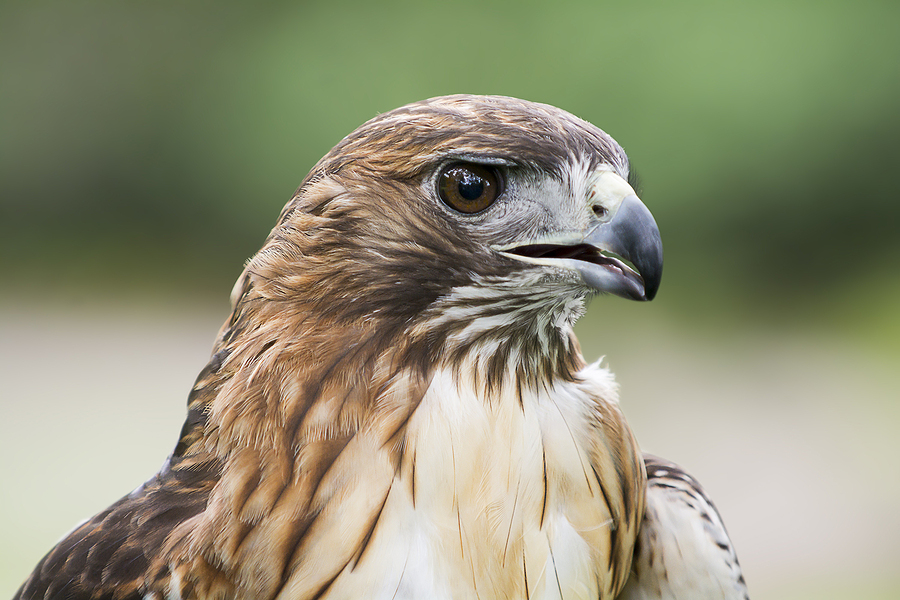
Birds of Prey Found in Virginia
Red-tailed Hawks
The Red-tailed Hawk is Virginia’s most recognizable raptor. True to its name, adults display a distinctive brick-red tail, which is especially visible in flight. These large buteo hawks are a common sight perched along highways and interstate roadsides, particularly during winter months. They hunt a wide range of prey—from voles and rabbits to pheasants and sparrows—making them highly adaptable predators across Virginia’s suburban and rural landscapes.
Great Horned Owls
One of Virginia’s most powerful nocturnal hunters, the Great Horned Owl is also one of the earliest nesting birds in North America. Females typically lay eggs between December and January—well before most other species have even begun courtship. Their deep hooting calls are a familiar sound in Virginia woodlands, and their ability to take prey as large as rabbits and other raptors makes them a dominant force in their habitat.
Bald Eagles
Virginia’s Bald Eagle population has made a remarkable recovery since the pesticide-driven declines of the 1900s. In 2007, the Bald Eagle was officially removed from the federal Endangered Species List following decades of conservation efforts and DDT bans. Today, these iconic birds can be found near large bodies of open water throughout the state—along rivers, lakes, reservoirs, and the Chesapeake Bay shoreline—where they hunt primarily for fish. With a wingspan reaching up to 6 feet 8 inches (according to the National Audubon Society), a Bald Eagle in flight is unmistakable.
Peregrine Falcons
Considered the world’s fastest bird, the Peregrine Falcon can reach speeds of up to 200 mph during a predatory dive. Once extirpated as a nesting species in Virginia by the 1960s due to DDT contamination, Peregrine Falcons have been successfully reintroduced through the efforts of the Virginia Department of Wildlife Resources (DWR). The state now has 17 known breeding pairs in the Hampton Roads and Eastern Shore regions, with at least one pair successfully nesting in downtown Richmond. Peregrine Falcons were removed from the federal endangered species list in 1999 but remain a State Threatened species in Virginia.
Short-eared Owls
Unlike most owls, Short-eared Owls are diurnal hunters—meaning they’re active during the day, especially at dawn and dusk. In Virginia, they’re primarily a winter visitor, favoring open grasslands, hay fields, and coastal marshes where they fly low in search of small mammals and birds. According to the Northern Virginia Bird Alliance, habitat loss due to development has reduced suitable roosting and foraging areas for these owls in the northern Virginia region, making sightings increasingly rare.
Habitat and Behavior of Virginia Raptors
Where Virginia’s Raptors Live and Hunt
Virginia’s raptors occupy nearly every ecosystem in the state. Red-tailed Hawks thrive in open fields and woodland edges. Bald Eagles require large bodies of water with mature trees for nesting, often building nests that can weigh up to 2 metric tons over years of reuse. Great Horned Owls prefer dense woodland habitats. Short-eared Owls concentrate in open grasslands and marshes, while Peregrine Falcons have adapted remarkably well to urban environments, using tall buildings as stand-ins for their natural cliff-face nesting sites.
Seasonal Migration Patterns
Not all of Virginia’s raptors stay year-round. According to the Virginia DWR, raptor migration typically begins in late August, peaks in late September, and continues through mid-to-late October. Broad-winged Hawks are famous for migrating in massive groups called “kettles,” sometimes numbering in the thousands. Popular viewing spots across the state include Snicker’s Gap (west of Leesburg), Rockfish Gap (north of Charlottesville), Harvey’s Knob along the Blue Ridge Parkway, and Kiptopeke State Park on the Eastern Shore.
Hunting Techniques and Diet
With the exception of vultures, all raptors share three defining physical features: powerful feet with sharp, curved talons, a hooked beak for tearing meat, and exceptionally keen eyesight. Most hawks hunt during the day by scanning from a high perch and swooping down on prey. Owls rely on their extraordinary hearing and silent, soft-feathered flight to hunt under cover of darkness. Falcons like the Peregrine use high-speed aerial dives to strike birds mid-flight.
Signs of Birds of Prey on Your Property
Raptors don’t always announce their presence obviously. Here’s what to look for:
- Pellets: Raptors regurgitate compressed masses of indigestible material—fur, bones, and feathers—known as pellets. Finding these oval bundles beneath a tree is a strong sign that a raptor roosts nearby.
- Droppings: Large white-splash droppings (called “whitewash”) streaked down a fence post, tree trunk, or rooftop can indicate a regular perching spot.
- Feathers: Raptor feathers are large, stiff, and often patterned. Finding flight feathers in your yard may indicate a bird is roosting or hunting on your property.
- Prey remains: Plucked feathers, scattered bones, or small mammal carcasses are signs a raptor has been feeding in the area.
- Vocalizations: Red-tailed Hawks produce a distinctive, piercing screech. Great Horned Owls hoot in deep, resonant tones. Hearing these calls regularly—especially at the same time of day—suggests a nearby roost.
When to Call a Professional
Finding a bird of prey near your home can feel alarming, especially if you have small pets or children. Here’s what you should know.
Are Raptors Dangerous Near Homes?
Most raptors pose little direct threat to people, but they can become defensive when nesting. Great Horned Owls and Red-tailed Hawks have been known to dive-bomb humans who get too close to their nests. Small pets—particularly rabbits, guinea pigs, and small cats left outdoors—can occasionally attract hunting raptors. If you’ve noticed raptors repeatedly targeting your yard or have a nesting pair on your property, the safest step is to contact a licensed wildlife professional.
What Legal Protections Apply to Raptors in Virginia?
This is critically important: all birds of prey in Virginia are protected under the federal Migratory Bird Treaty Act of 1918 (16 U.S.C. 703-712), which prohibits the killing, capturing, selling, trading, or transport of protected migratory bird species without prior authorization from the U.S. Fish and Wildlife Service. Bald Eagles receive additional protections under the Bald and Golden Eagle Protection Act of 1940. Peregrine Falcons remain State Threatened in Virginia under state law.
In short, you cannot legally trap, harm, or relocate a bird of prey on your own. Attempting to do so can result in significant federal and state penalties.
Why Professional Help Matters
A licensed wildlife professional can assess the situation safely and legally, helping you protect your household without disturbing a protected species. Virginia Wildlife Pros has the expertise and permits required to address nuisance bird control concerns humanely and in full compliance with state and federal law.
Frequently Asked Questions
Are birds of prey dangerous to my pets?
Small pets left outdoors unsupervised—particularly rabbits, guinea pigs, and cats—can attract hunting raptors. To reduce risk, supervise small pets when outdoors and use enclosed runs or aviaries.
What should I do if I find an injured raptor?
Do not attempt to handle the bird yourself. Contact a licensed wildlife rehabilitator or your local Virginia DWR office. Handling a raptor without a permit is a violation of federal law, and injured birds can inflict serious injuries with their talons.
Can I trap or relocate a bird of prey myself?
No. All raptors in Virginia are federally protected under the Migratory Bird Treaty Act of 1918. Trapping, relocating, or otherwise disturbing a bird of prey without a federal permit is illegal.
What attracts birds of prey to residential properties?
Raptors follow their food source. Bird feeders attract songbirds, which attract accipiter hawks like Cooper’s and Sharp-shinned Hawks. Overgrown yards and open lawns attract rodents, which draw in Red-tailed Hawks and Great Horned Owls. Tall trees and ledges provide ideal perching and nesting sites.
Virginia’s Raptors Deserve Respect—and Expert Help
Birds of prey are a vital part of Virginia’s ecosystems, helping to control rodent and pest populations while serving as indicators of environmental health. Spotting a Bald Eagle over the James River or a Peregrine Falcon nesting on a Richmond rooftop is a genuine privilege—a reminder of how far conservation efforts have come.
That said, when raptors move too close to home, it’s important to act carefully and legally. Contact Virginia Wildlife Pros in Richmond today for a free bird removal and control quote. Our team handles all raptor-related concerns safely, humanely, and in full compliance with Virginia and federal wildlife law.
Related Posts:
8 Effective Strategies for Nuisance Bird Control
Dead Animal Pickup in Richmond, VA: Who to Call
Nature in Balance: Ethical Approaches to Wildlife Control