
TL;DR and Key Takeaways:
Virginia winters might seem mild compared to the Arctic, but for many local species, survival requires shutting down.
- True Hibernators: Only a few Virginia mammals, like groundhogs and little brown bats, are “true” hibernators that experience drastic drops in body temperature and heart rate.
- Torpor vs. Hibernation: Black bears and other mammals enter a lighter sleep state called torpor, meaning they can wake up quickly if disturbed.
- Cold-Blooded Survival: Reptiles and amphibians use unique methods like brumation (turtles) and even freezing solid (wood frogs) to survive.
- Human Impact: Homeowners play a critical role in keeping these animals safe by minimizing disturbance during the winter months.
Table of Contents:
- Which Virginia Mammals Are True Hibernators?
- Do Virginia Black Bears Actually Hibernate?
- Where Do Reptiles and Amphibians Go in the Winter?
- How Can You Help Wildlife During the Cold Months?
- Frequently Asked Questions (FAQ)
- Quick Recap
- Professional Service in Richmond
Which Virginia Mammals Are True Hibernators?
The Groundhog (Woodchuck) and the Little Brown Bat are among the few true hibernators in the Commonwealth.
While many animals slow down in the winter, very few are “true” hibernators. True hibernation is a profound physiological change where an animal’s body temperature drops to near freezing, and its heart rate plummets to a fraction of its normal speed. In Virginia, two notable species fit this description perfectly.
The Groundhog
Famous for its shadow-casting abilities in February, groundhogs (or woodchucks) are champion sleepers. According to the Wildlife Center of Virginia, these rodents remain in their underground dens from October through February.
During this time, a groundhog is not just napping. Its body temperature drops significantly, and its heart rate slows down dramatically to conserve energy. Because they are true hibernators, they are rarely seen above ground during these months. Their burrows—often located on slopes—can be quite extensive, featuring multiple chambers and entrances.
The Little Brown Bat
The Little Brown Bat takes energy conservation to the extreme. The National Park Service notes that during hibernation, this bat’s heart rate drops from a frantic 200-300 beats per minute to a mere 10 beats per minute.
These bats retreat to “hibernacula”—typically caves, mines, or rock crevices with stable temperatures—where they can hang in a state of torpor for up to six months. In this deep sleep, bodily functions slow by nearly 98%, allowing them to survive on stored fat reserves until insects return in the spring.
Do Virginia Black Bears Actually Hibernate?
No, black bears enter a state called torpor, which is a lighter, more temporary form of dormancy. It is a common misconception that bears sleep deeply through the entire winter. In reality, Virginia’s black bears experience what biologists call “winter lethargy” or torpor.
While a bear’s heart rate does slow down, its body temperature remains relatively high compared to a true hibernator like a groundhog. This evolutionary adaptation allows bears to wake up quickly if they are threatened or if the weather turns surprisingly warm.
According to reports from WVTF and wildlife experts, black bears in Virginia “ramp down” their activity but can technically be found out and about all year long, especially given the state’s fluctuating winter temperatures. This is particularly important for female bears, who give birth to cubs in late January or early February. They must remain alert enough to care for their newborns within the den.
Where Do Reptiles and Amphibians Go in the Winter?
Reptiles enter a state called brumation, while some amphibians, like the Wood Frog, can literally freeze solid. Since reptiles and amphibians are ectothermic (cold-blooded), they cannot regulate their own body heat. When the temperatures drop, they must rely on the environment to survive.
Box Turtles and Brumation
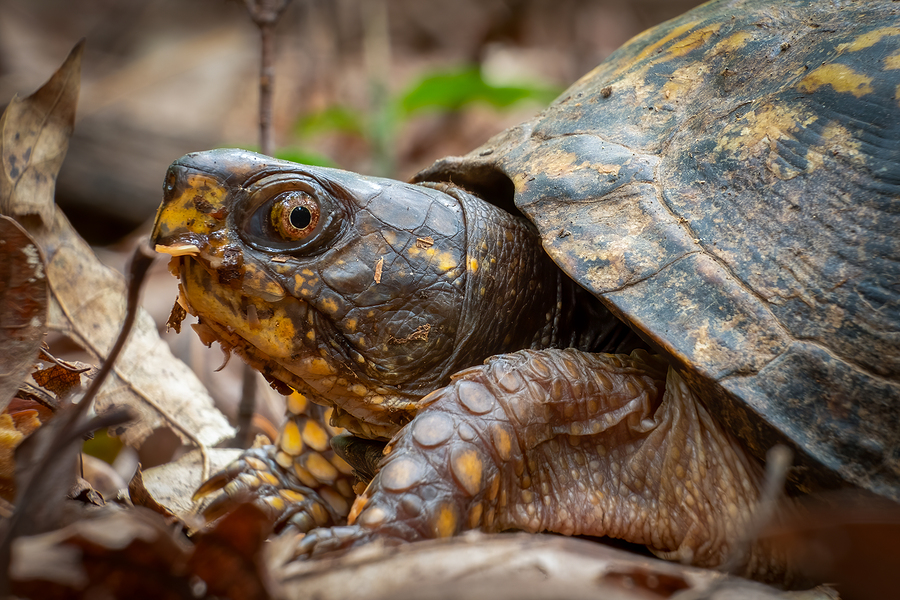
The Eastern Box Turtle, a common sight in Virginia backyards, disappears when the cold sets in. They enter brumation, which is similar to hibernation but specific to reptiles.
According to the Virginia Department of Wildlife Resources (DWR), box turtles overwinter by burying themselves several centimeters deep in the soil, usually beneath piles of leaf litter or grass clumps in mature forests. They remain there until early spring, relying on the insulation of the earth to keep them from freezing.
The Miracle of the Wood Frog
The Wood Frog has perhaps the most incredible survival strategy of all. While most frogs hibernate underwater to avoid freezing, the Wood Frog stays on land, nestled in leaf litter.
The National Park Service describes this as a “biological miracle.” The Wood Frog’s liver produces large amounts of glucose, which acts as a natural antifreeze for its cells. This allows the space between the cells to freeze solid while protecting the cells themselves from damage. During this time, the frog has no heartbeat and does not breathe. It is essentially a frozen statue until the spring thaw warms it back to life.
How Can You Help Wildlife During the Cold Months?
Maintain a hands-off approach and keep your yard wildlife-friendly. Winter is a vulnerable time for local wildlife. Energy conservation is critical for survival, and human disturbance can be fatal. If an animal is forced to wake up and move, it burns precious fat reserves it needs to survive until spring.
Here are a few ways you can help:
- Leave Leaves Alone: Piles of leaves and brush provide essential insulation for box turtles, frogs, and insects. Consider leaving a corner of your yard “wild” during the winter.
- Do Not Disturb Dens: If you find a burrow or a potential bear den, keep your distance. The Wildlife Center of Virginia advises against boarding up groundhog burrows between October and February, as you risk trapping a hibernating animal inside.
- Leash Your Pets: Unsupervised dogs can sniff out and disturb hibernating animals. Keep pets on a leash, especially near wooded areas, to prevent stressful encounters.
- Wait Until Spring: If you have a nuisance animal issue involving a burrow, it is often best—and most humane—to wait until March to address it, once the animals have naturally emerged.
Need help managing wildlife on your property? If you are concerned about an animal den near your home, contact a professional for humane wildlife control in Richmond, VA.
Frequently Asked Questions (FAQ)
What if I see a turtle crossing the road in December?
While rare, unseasonably warm days in Virginia can trick reptiles into waking up briefly. If the animal is not in immediate danger, it is best to leave it alone. It will likely return to brumation as temperatures drop again.
Do squirrels hibernate?
No, tree squirrels (like the Grey Squirrel) do not hibernate. They rely on food caches (nuts and seeds) they buried in the fall to survive the winter. You will see them active throughout the season.
Is it dangerous to wake a hibernating animal?
Yes, primarily for the animal. Waking up requires a massive expenditure of energy. If an animal wakes up too often or too early, it may starve before spring arrives.
Quick Recap:
- Groundhogs: True hibernators that sleep underground from October to February.
- Bats: True hibernators that drop their heart rate to ~10 bpm in caves or mines.
- Black Bears: Enter torpor (light sleep); they can wake up quickly and may be active on warm days.
- Box Turtles: Enter brumation, burying themselves in soil and leaves.
- Wood Frogs: Survive by freezing solid, using glucose as natural antifreeze.
- Homeowners: Should avoid disturbing leaf piles and burrows to protect sleeping wildlife.
Helping You Coexist with Nature
Understanding the secret lives of animals in winter helps us appreciate the complexity of Virginia’s ecosystem. While these creatures are resilient, they need our respect and space to survive the cold season. By being mindful of our surroundings, we can ensure that our wild neighbors wake up healthy and ready for spring.
If you suspect you have a wild animal sheltering in your attic, crawlspace, or under your porch, do not attempt to handle it yourself. Professional intervention ensures the safety of both your family and the wildlife. Contact us today for safe and humane wildlife control services in Richmond, VA.
Related Post: Winter Wildlife in Richmond: How to Protect Your Property