
It’s late at night, and the house is quiet. Just as you’re drifting off to sleep, you hear it—a faint scratching sound behind the wall or the telltale scurry of tiny claws across the floor. Few things disrupt your peace of mind quite like the realization that you’re sharing your home with a mouse. These uninvited guests are not only unsettling but also pose significant risks to your health and the safety of your property.
While a single mouse might seem manageable, it’s rarely an isolated incident. Mice reproduce quickly, turning a minor nuisance into a full-blown infestation in a matter of weeks. They can chew through electrical wires, contaminate your food supply, and spread harmful bacteria throughout your living space. Ignoring the problem isn’t an option if you want to protect your home and your family’s well-being.
The good news is that you don’t have to resort to harsh chemicals or dangerous poisons to reclaim your space. By understanding what attracts rodents and implementing strategic control methods, you can effectively remove them and prevent their return. This guide will walk you through identifying the signs of an infestation, exploring humane and non-toxic solutions, and sealing your home against future invasions.
Identifying a Mouse Infestation in the House
Often, you’ll see the signs of a mouse long before you see the creature itself. Mice are nocturnal and naturally secretive, preferring to move under the cover of darkness. However, they leave behind distinct clues that can alert you to their presence if you know what to look for.
Droppings
The most common indicator is droppings. Mouse droppings are small, dark, and rod-shaped, typically found near food packages, inside drawers, or under sinks.
Gnaw Marks
You might also notice gnaw marks on baseboards, furniture, or pantry items. Because their teeth never stop growing, mice must chew constantly to keep them filed down, leaving damaged materials in their wake.
Smudges on Walls
Another subtle sign is the presence of “rub marks”—dark, greasy smudges along walls or baseboards where their fur brushes against surfaces as they travel their regular routes.
Nesting Signs and Sounds
Additionally, nesting materials like shredded paper, fabric, or dried plant matter tucked away in quiet corners can indicate that a mouse has made itself comfortable. If you hear scratching or squeaking sounds in your walls or ceilings, especially at night, it’s time to take action.
Natural Mouse Deterrents
For homeowners wary of using toxic baits or poisons, especially those with children or pets, natural deterrents offer a safer initial line of defense. These methods focus on making your home less attractive and hospitable to rodents, encouraging them to seek shelter elsewhere.
Sanitation is your most powerful tool. Mice are driven primarily by the search for food and shelter. By eliminating their food sources, you make your home far less appealing. Store all pantry items, including pet food and birdseed, in airtight glass, metal, or heavy-duty plastic containers. Clean up crumbs and spills immediately, and ensure your garbage cans have tight-fitting lids.
While scientific evidence regarding scent-based deterrents is mixed, many homeowners report success using strong odors that mice find unpleasant. Peppermint oil is a popular choice; soaking cotton balls in 100% pure peppermint oil and placing them near suspected entry points may help repel them. However, these scents dissipate quickly and must be refreshed often to remain effective.
Ultimately, removing the resources they need to survive is the most reliable “natural” deterrent.
Request a Free Mouse Infestation Assessment Today ✅
Humane Mouse Trapping Methods
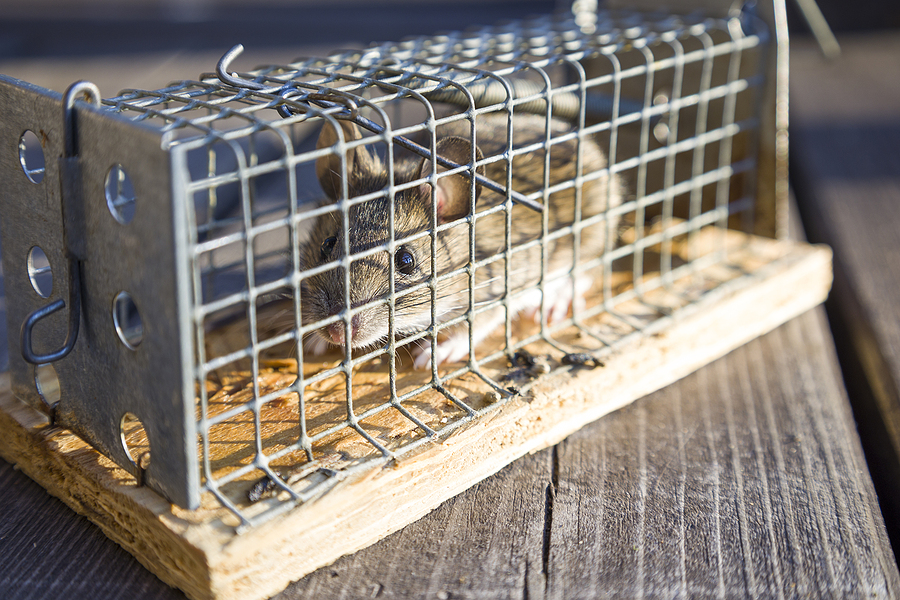
If you want to remove mice without harming them, humane catch-and-release traps are a viable option. These traps are designed to lure the mouse inside and contain it safely until you can release it back into the wild. Unlike snap traps or glue boards, which can cause injury or death, live traps prioritize the animal’s welfare.
To use these traps effectively, bait them with high-protein foods like peanut butter, which is sticky and harder for the mouse to steal without triggering the mechanism. Place the traps along walls where you have seen activity, as mice rarely travel across open spaces. Check the traps frequently—at least once a day—to ensure any captured animal doesn’t suffer from dehydration or stress.
When releasing a captured mouse, distance is key. To prevent the mouse from returning to your home, release it at least two miles away in a wooded or rural area. Be mindful of local regulations regarding the release of wildlife, and always wear gloves when handling traps to protect yourself from potential diseases.
Preventing Rodents With Proper Exclusion
The most effective way to handle a mouse problem is to prevent it from happening in the first place. This process, known as wildlife exclusion, involves finding and sealing the gaps that allow mice to enter your home. You might be surprised to learn that a mouse can squeeze through a hole the size of a dime (about 1/4 inch).
Start by inspecting the exterior of your home. Look for cracks in the foundation, gaps around windows and doors, and openings where utility pipes or wires enter the house. Pay close attention to corners and vents.
Once you have identified these entry points, seal them with durable materials. Avoid using plastic, rubber, wood, or spray foam alone, as mice can easily chew through these. Instead, fill small holes with steel wool or copper mesh, which rodents cannot gnaw through, and seal it in place with caulk.
For larger openings, use hardware cloth (wire mesh) or cement. Installing door sweeps on exterior doors is another simple yet effective measure to block their access.
Professional Rodent Control
Sometimes, despite your best efforts, an infestation can persist. If you are noticing signs of a large population, such as daytime sightings or a strong ammonia-like smell of urine, it may be time to call in the experts. A professional pest control service has the training and tools to identify nesting sites you might miss and can implement a comprehensive removal plan.
Professionals can also help with the cleanup process, which is critical for health and safety. Cleaning up mouse droppings requires care to avoid inhaling harmful particles. Professionals know how to sanitize areas safely and can provide specialized exclusion services to rodent-proof your home permanently.
In Summary
Getting rid of mice requires vigilance and a proactive approach. By combining proper sanitation, exclusion techniques, and humane removal methods, you can reclaim your home and peace of mind. Remember, the goal is not just to remove the current intruders but to create an environment where they cannot return. Start with a thorough inspection of your property today, and tackle those small repairs that make a big difference. A secure, clean home is the best defense against unwanted guests.
For reliable, professional rodent removal and control in Richmond, Virginia, contact our team of experts today. We’ll help you safeguard your home and ensure your family stays healthy and comfortable.
Related Post: Banish Mice from Your Home with These Proven Rodent Removal Strategies